







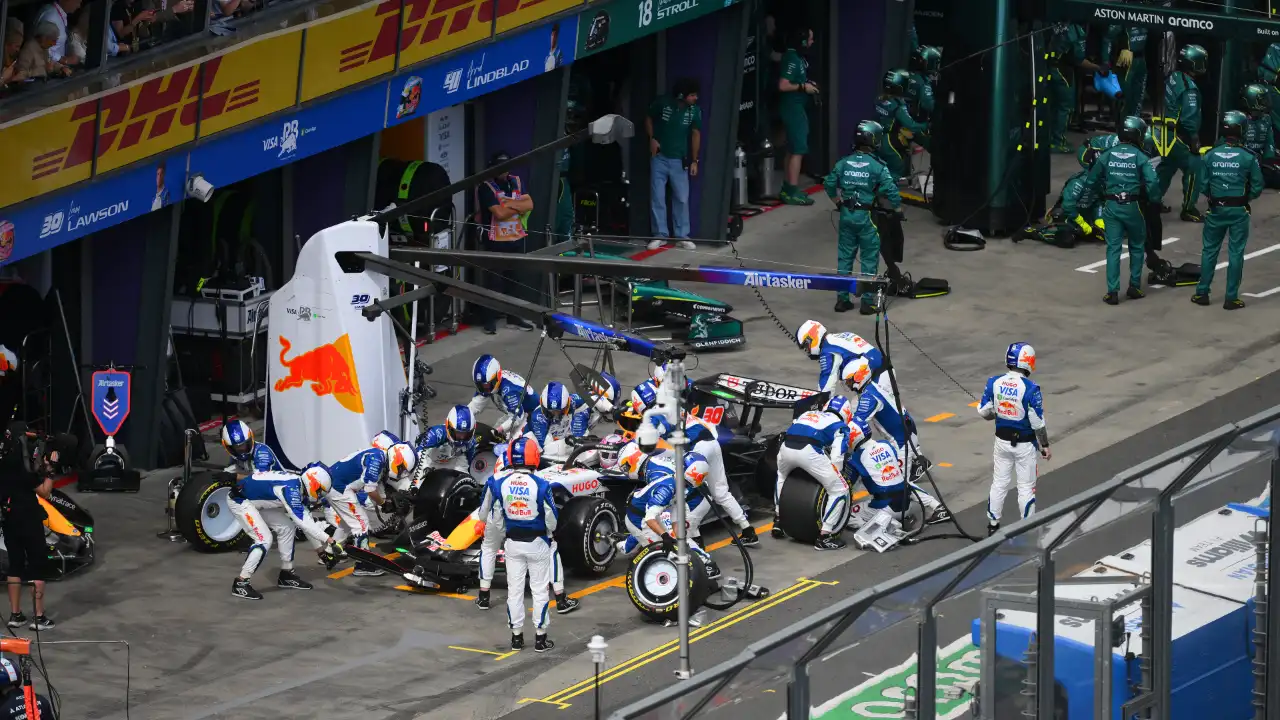

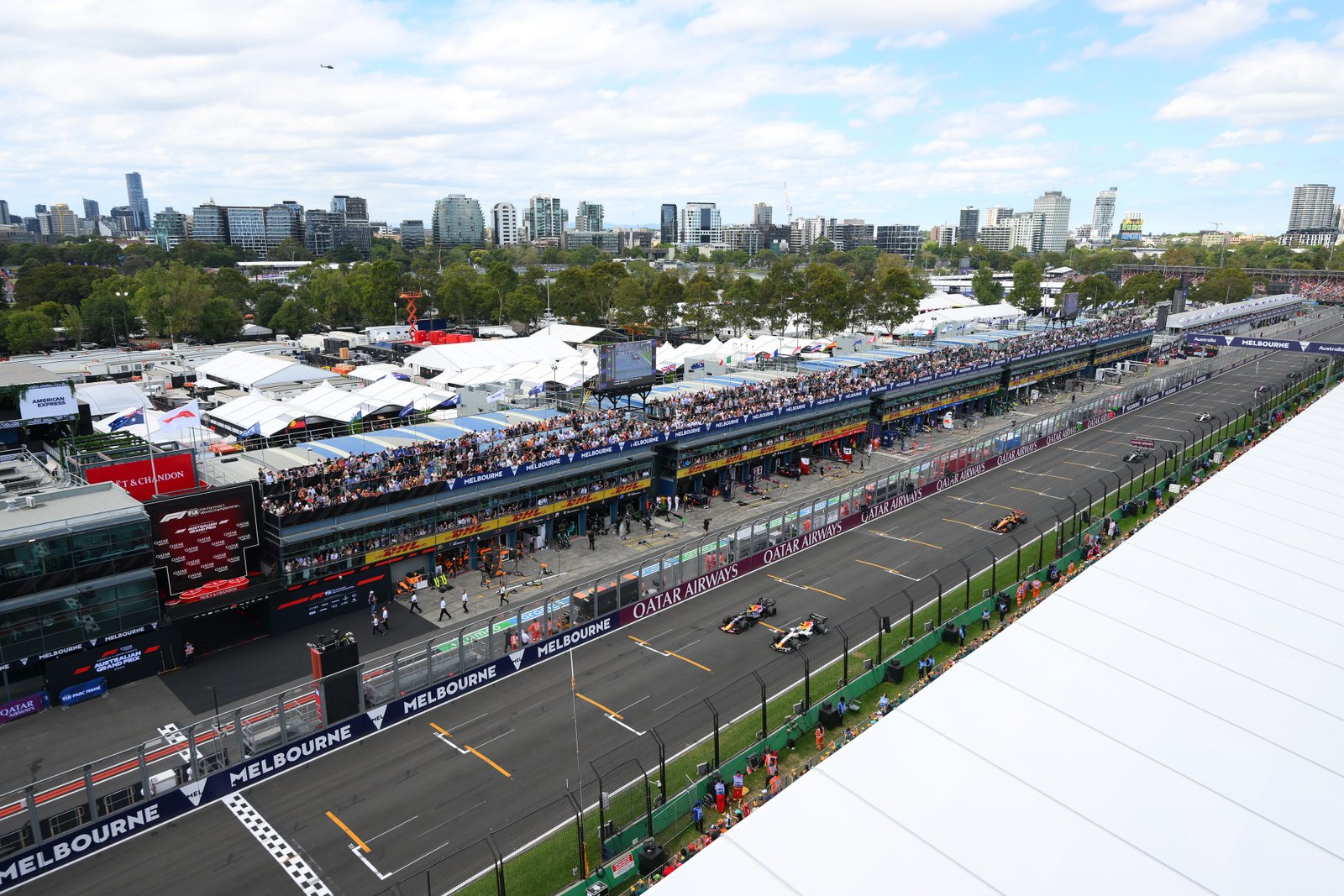
Formula 1, Sportrik Media - The iconic pit building at Albert Park in Melbourne is set to be demolished as part of a major redevelopment project that will deliver the most expensive pit complex in Formula 1 history.
Originally budgeted at $200 million, the project cost has escalated to approximately $280 million due to expanded scope and construction challenges. The new facility will replace the existing structure, with demolition scheduled to begin on March 27 and expected to continue through June as part of a two-year construction timeline.
The redevelopment forms part of contractual obligations with Formula One Management, requiring Melbourne organisers to upgrade infrastructure in line with modern Formula 1 standards. The new pit complex is designed to significantly enhance corporate hospitality capacity, alongside upgraded team garages, race control systems, and expanded media facilities.
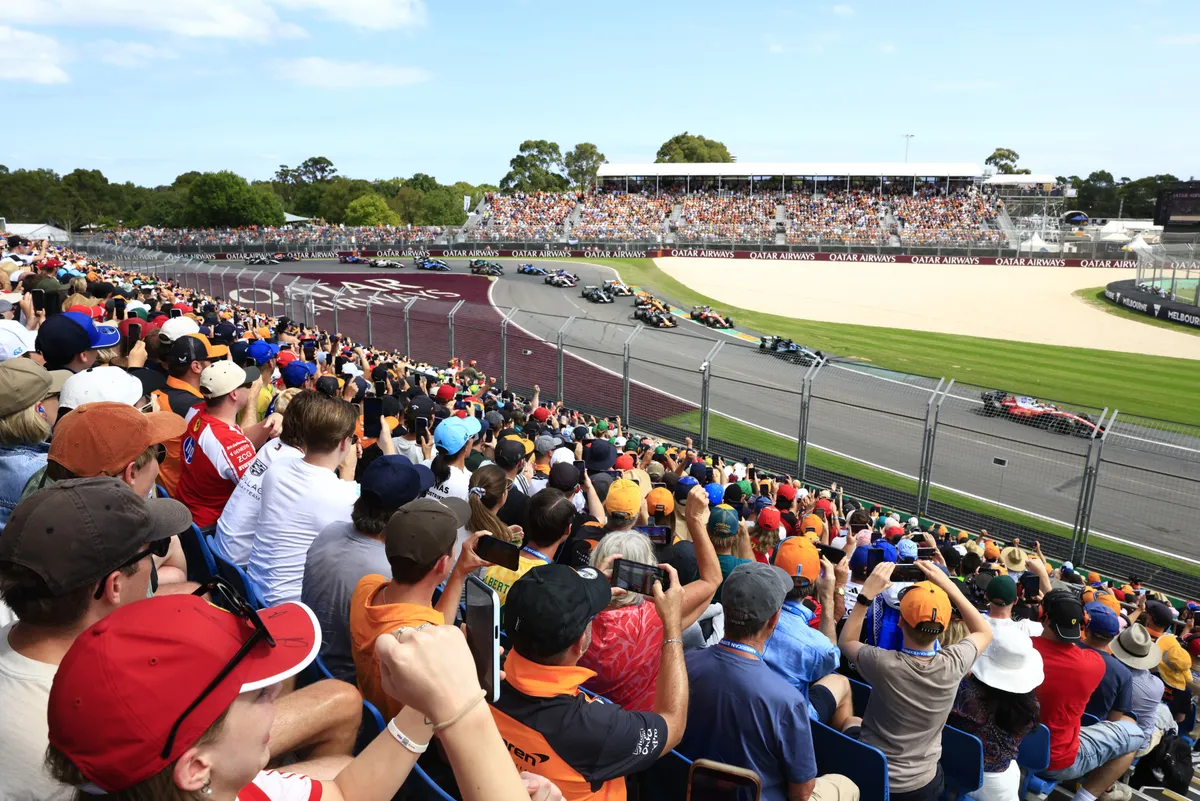
The current pit building dates back to 1995, constructed rapidly ahead of Melbourne’s first Australian Grand Prix in 1996. Despite undergoing incremental updates over the years, the structure has gradually fallen behind the standards established by newer circuits, particularly in terms of operational efficiency and commercial capability.
In financial terms, the project is expected to surpass the cost of similar developments such as the $200 million upgrade at the Hungaroring. While Formula 1 invested approximately $500 million in its Las Vegas facility, a significant portion of that figure was allocated to land acquisition, making the Albert Park redevelopment the most expensive pure pit building project on the current calendar.
Preliminary works have already been completed ahead of the 2026 Australian Grand Prix, including the removal of more than 30 trees within the paddock area to facilitate construction access. Ground surveys and early-stage preparation began following the 2025 event. During this phase, costs increased by around $80 million after asbestos was discovered within the original 1995 structure.
From an operational standpoint, the project will be implemented in phases to minimise disruption to race events. By the 2027 season, teams are expected to use newly constructed garages alongside a temporary hospitality facility capable of accommodating approximately 2,500 guests. Race control and media operations will also function from temporary installations until full completion is achieved in 2028, when hospitality capacity is projected to double to 5,000.
The new complex is also designed as a multi-purpose facility beyond Formula 1 usage. Outside of the race calendar, the building will house an expanded indoor sports centre, including courts and clubrooms serving the local community around Albert Park. This dual-purpose approach aligns with broader infrastructure investment strategies by the Victorian government.
Officials have emphasised that the redevelopment is a long-term investment aimed at securing the future of the Australian Grand Prix as a global sporting event. Melbourne’s hosting contract runs through 2037, providing a stable framework for infrastructure development and continued international exposure.
Economically, the Australian Grand Prix remains a significant contributor to the local economy, generating substantial tourism revenue and employment opportunities. With growing attendance figures and increasing commercial demands, modernising the pit complex is seen as a necessary step to maintain competitiveness within the Formula 1 calendar.
As construction begins, Albert Park enters a transformative phase that will shape the future of the Australian Grand Prix. The focus will now be on delivering the project within its projected timeline and budget, while ensuring the new facility meets the evolving demands of Formula 1’s technical and commercial landscape.
Baca Juga

George Russell kehilangan poin dari Antonelli di GP Spanyol F1. Meski berpotensi kalah gelar, ia bisa ambil pelajaran berharga untuk bangkit.
Jorge Martin hadapi GP Austria dengan cedera lengan kanan. Sprint jadi penentu keputusan operasi dan masa depan di MotoGP 2026.
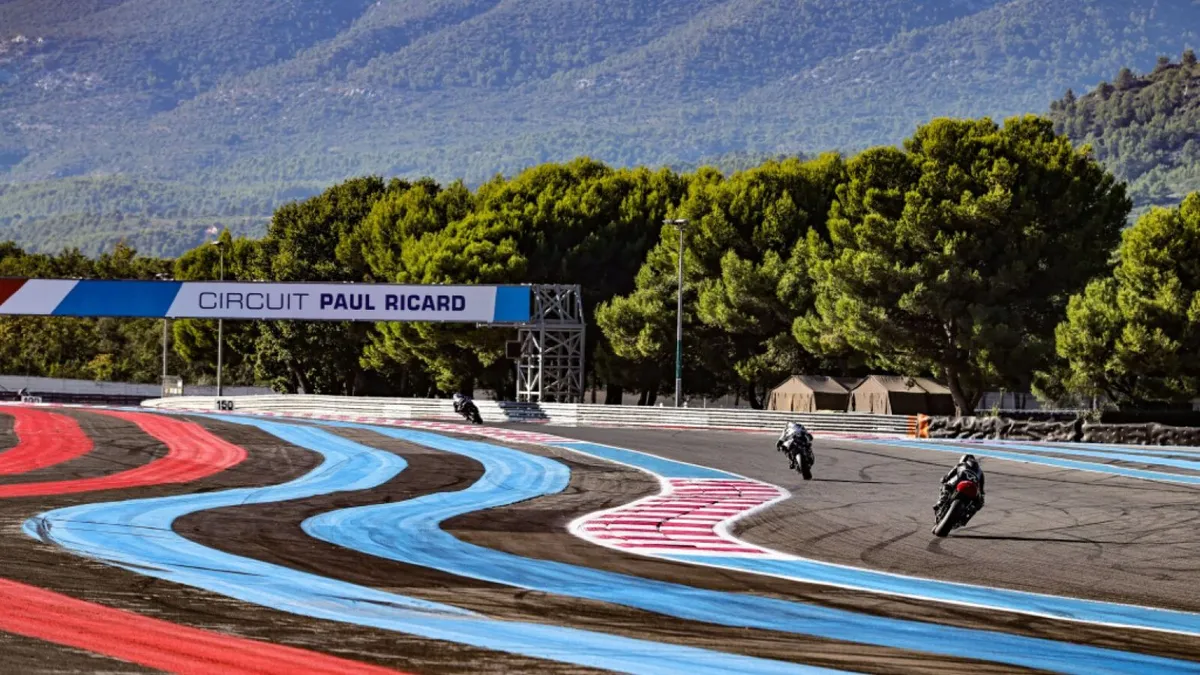
Bol d'Or 2026 di Circuit Paul Ricard menjadi penentu gelar EWC. Simak panduan lengkap kategori, format balapan, dan persaingan tim elite.
 Lanjutkan dengan Google
Diskusi & Komentar (0)
Mari Bergabung dalam Diskusi!
Masuk dengan mudah untuk mulai memberikan komentar, membalas, dan berinteraksi dengan pembaca lainnya.
Komentar Terbaru
Belum ada komentar. Jadilah yang pertama!