







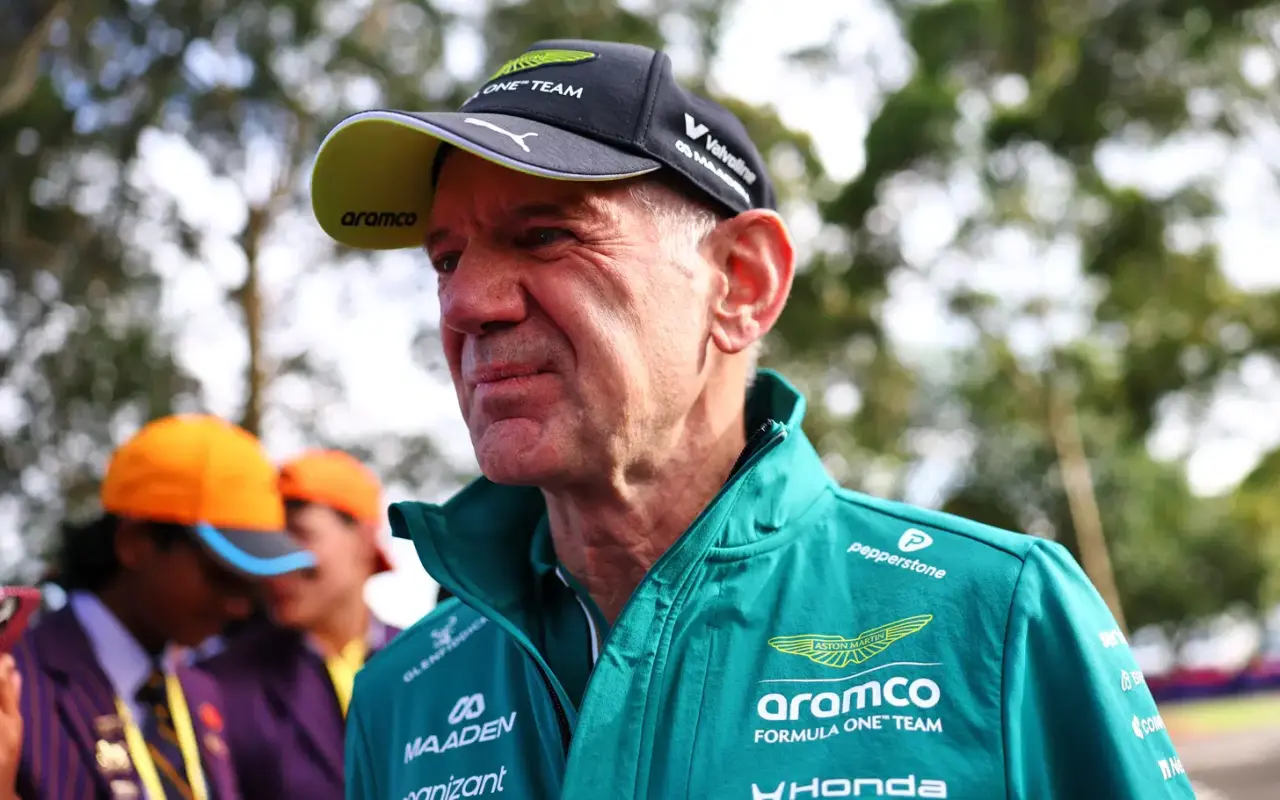

Formula 1, Sportrik Media - Adrian Newey and Aston Martin have formally denied speculation regarding a leadership change, as the team navigates a challenging start to the 2026 Formula 1 season.
Rumours circulated suggesting that Newey could step down from his role as team principal to focus solely on his technical responsibilities as managing technical partner. Additional reports linked Jonathan Wheatley of Audi as a potential successor, although such a move would likely involve a significant gardening leave period given standard contractual constraints within Formula 1.
In an official statement, Aston Martin clarified its position and dismissed the ongoing speculation surrounding its leadership structure.
“The team will not be engaging in media speculation about its senior leadership team. Adrian Newey continues to lead the team as Team Principal and Managing Technical Partner,” the statement read.
Beyond the managerial context, Aston Martin’s primary concerns lie in the technical performance of the AMR26. The package, powered by a Honda unit, has been reported to lack outright power, while issues with the battery system have generated significant vibrations affecting both car performance and driver comfort.
The impact of these issues extends beyond mechanical limitations. Fernando Alonso has experienced notable discomfort while driving, with concerns raised about potential long-term nerve damage due to sustained vibration exposure. During the Australian Grand Prix weekend, it was indicated that Alonso risked serious physical strain if he attempted extended stints beyond approximately 25 consecutive laps.
Similar reliability concerns have affected team-mate Lance Stroll, who suffered a battery failure during the Chinese Grand Prix. Although there were indications of partial improvement compared to the season opener, the incident confirmed that Aston Martin’s technical issues remain unresolved.
From an engineering perspective, vibration originating from the energy system can have wide-ranging consequences, including structural stress on the chassis, disruption to electronic systems, and compromised driver control. Addressing such issues typically requires an integrated solution involving both hardware redesign and software recalibration.
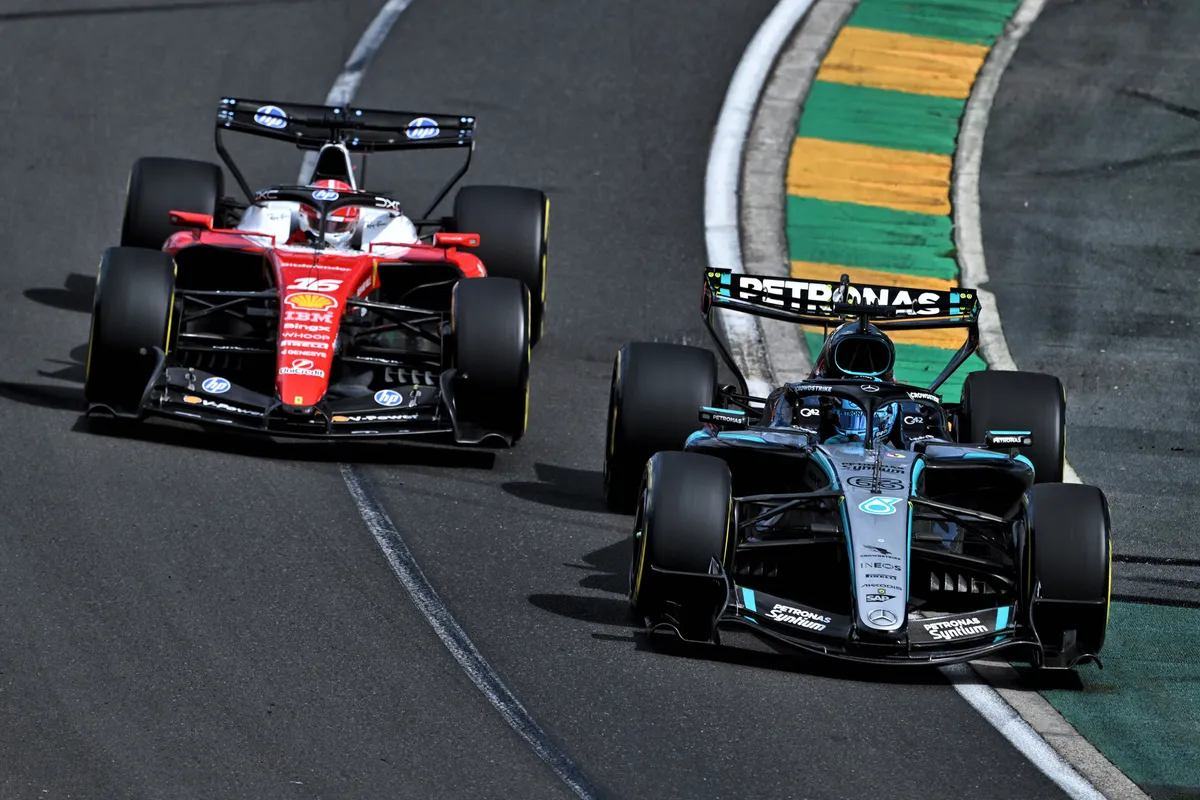
In competitive terms, these limitations place Aston Martin at a disadvantage within the midfield battle, particularly against more stable packages from teams such as Mercedes and Ferrari. In the tightly contested environment of the new regulation era, even marginal technical weaknesses can translate into significant performance deficits.
As the 2026 season progresses, Aston Martin’s immediate priority will be to stabilise the AMR26 package and mitigate the technical risks currently affecting both performance and driver safety. With pressure mounting internally and externally, the effectiveness of its technical response will be critical in determining the team’s trajectory over the coming rounds.
Baca Juga
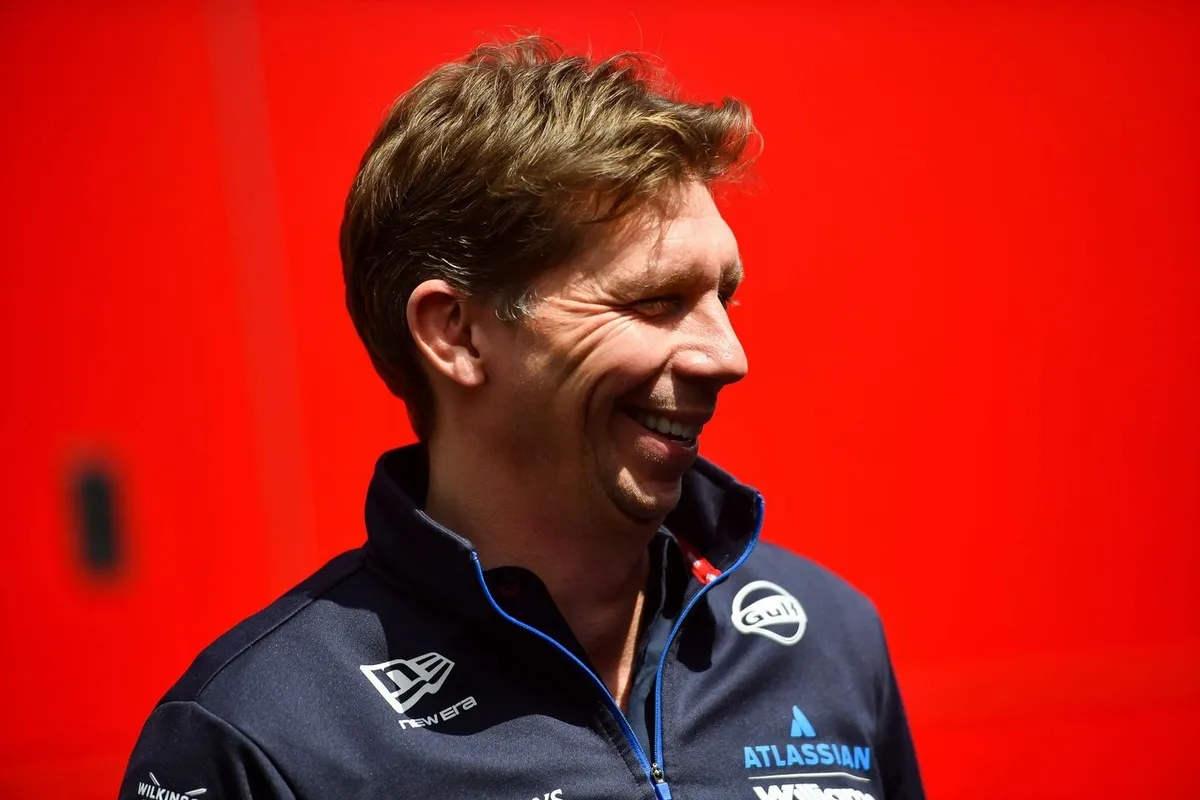
James Vowles memuji penyelenggaraan perdana F1 di Madrid, tetapi menyoroti minimnya overtaking dan kesulitan Williams. Simak analisisnya.
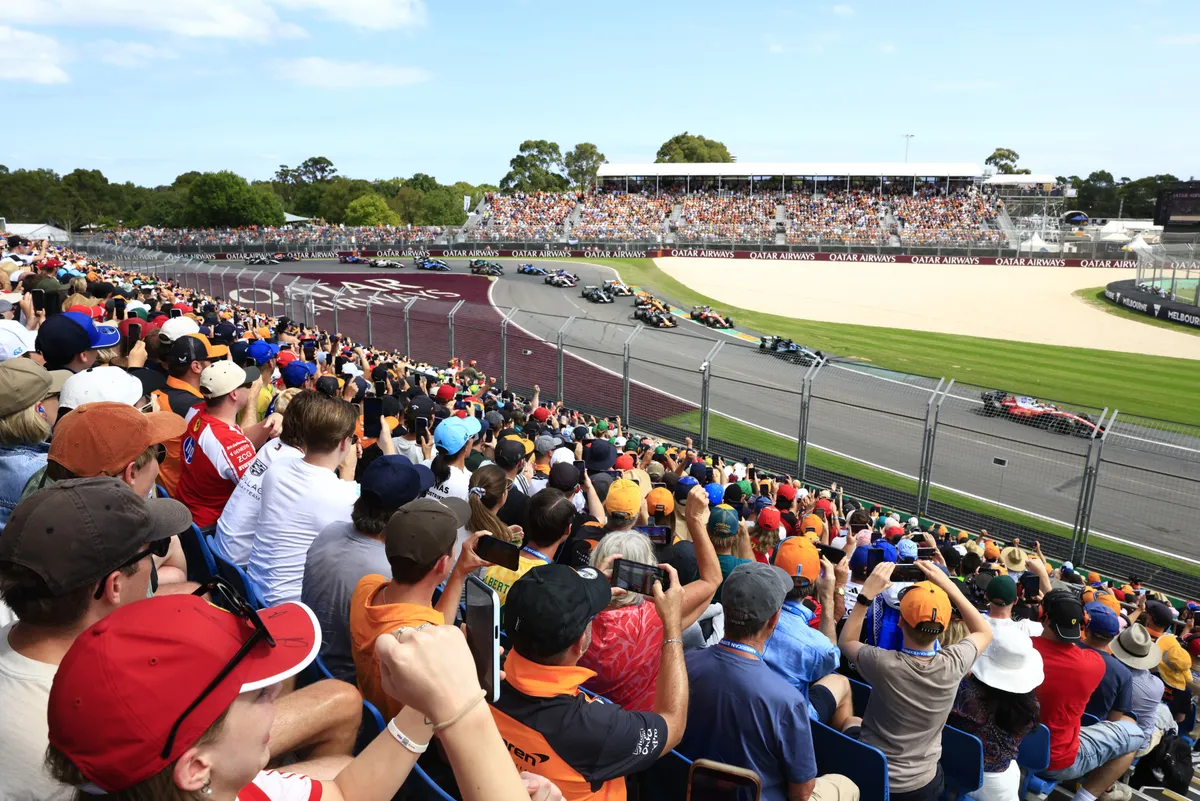
CEO Australian Grand Prix Travis Auld membela kenaikan harga tiket F1 Australia 2027. Tiket GA naik lebih dari 10 persen, capai $425. Simak alasannya.

George Russell kehilangan poin dari Antonelli di GP Spanyol F1. Meski berpotensi kalah gelar, ia bisa ambil pelajaran berharga untuk bangkit.
 Lanjutkan dengan Google
Diskusi & Komentar (0)
Mari Bergabung dalam Diskusi!
Masuk dengan mudah untuk mulai memberikan komentar, membalas, dan berinteraksi dengan pembaca lainnya.
Komentar Terbaru
Belum ada komentar. Jadilah yang pertama!