







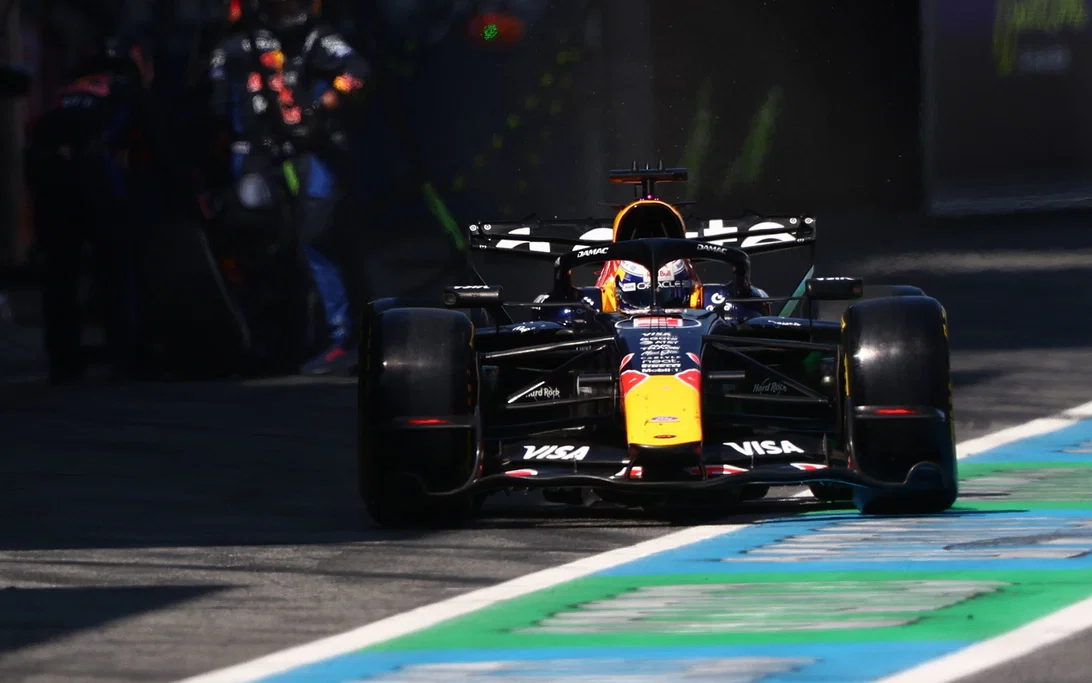

Max Verstappen finished the Barcelona-Catalunya Grand Prix in fourth place, 40.497 seconds behind the winner, underlining the performance limitations facing Red Bull Racing against Formula 1’s three leading forces. The Dutchman was unable to challenge or maintain the pace of Lewis Hamilton, George Russell, and Lando Norris, before admitting that set-up changes alone will not alter the RB22’s competitive position at the upcoming rounds.
Verstappen started fifth after narrowly missing out to Kimi Antonelli in the battle for a place on the second row. Red Bull’s single-lap performance appeared more competitive than its long-run pace, but that promise did not carry into the race. As high track temperatures increased tyre degradation, Verstappen lost the ability to follow the cars ahead and crossed the line 16.778 seconds behind Norris in third. His race consequently developed into an isolated run, with no realistic opportunity to attack and no immediate pressure from behind.
Set-Up Changes Cannot Erase the RB22 Deficit
Verstappen delivered an unequivocal assessment of Red Bull’s current position. He described the team as the fourth-fastest operation and dismissed the suggestion that different circuit characteristics would automatically eliminate its deficit. “I think, in general, we’re still the fourth-fastest team. That’s not really going to change at any of the upcoming tracks unless, of course, you bring performance. We’re not going to solve it just by changing the set-up,” he said after the race.
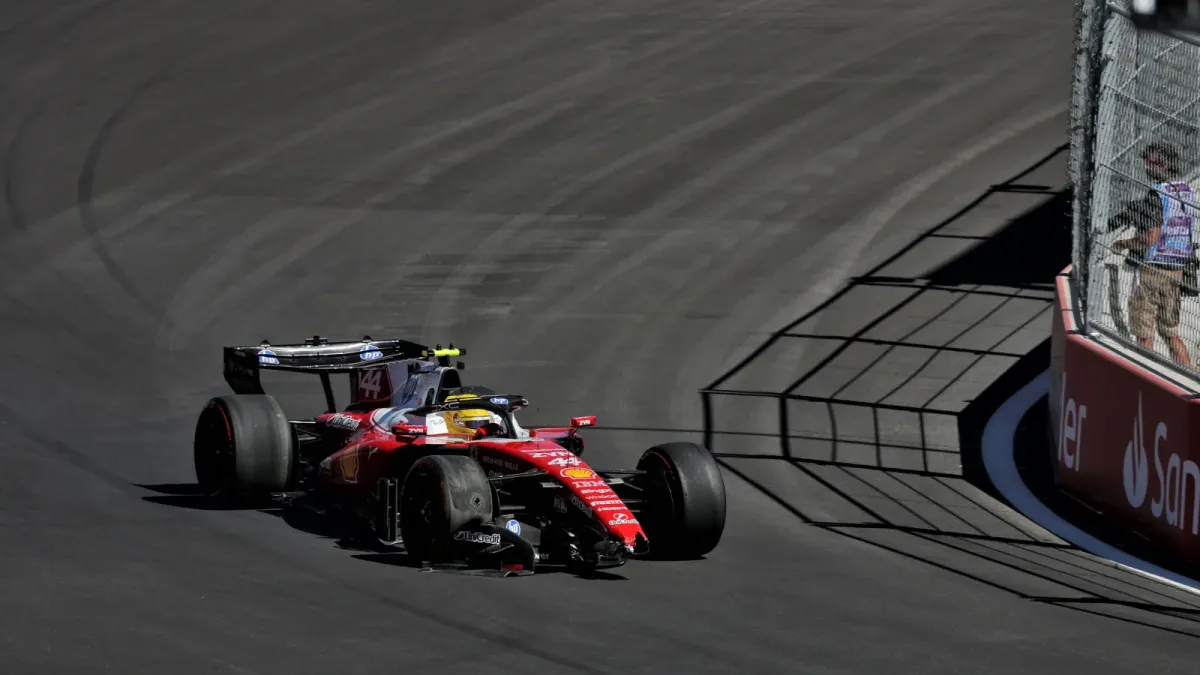
His comments indicate that Red Bull’s problems extend beyond an incorrect wing level or an unsuitable mechanical configuration for Barcelona. The RB22 requires an improvement in its underlying performance, particularly in aerodynamic balance and its ability to keep the tyres within their optimum operating window across a full stint. Set-up adjustments can redistribute understeer and oversteer or refine the car’s response through specific corners, but they cannot generate aerodynamic load and efficiency that are absent from the fundamental package. That limitation was clear in Barcelona, where Verstappen came close to the leading rows in qualifying but lacked the race pace required to remain with the top three.
Rival Upgrade Gains Increase Pressure on Red Bull
Hamilton’s victory also highlighted the performance step made by Ferrari after introducing its latest development package in Barcelona. At the same time, Mercedes remained a leading benchmark through the pace of Russell and Antonelli, while McLaren maintained its competitiveness with Norris on the podium and Oscar Piastri in fifth. Red Bull secured fourth and sixth through Verstappen and Isack Hadjar, but those results reflected its position as the nearest challenger rather than a genuine contender for victory.
The consequences are also visible in the drivers’ championship. Verstappen sits seventh with 55 points, 101 behind championship leader Antonelli after seven rounds. Such a deficit increases the strategic importance of every development package because Red Bull must not only add performance but also match the development rate of three rival teams. Verstappen believes the season will be shaped by which operation can deliver the largest and most consistent gains, rather than by marginal adjustments made during individual race weekends.
The next round in Austria on June 26-28 will feature a different circuit profile, combining a short lap with heavy acceleration zones and a sequence of medium-speed corners. Verstappen, however, has rejected the idea that a change in track characteristics alone will return Red Bull to the front. Without upgrades that deliver greater aerodynamic load, stability, and tyre management, fourth place in the competitive order risks remaining the team’s realistic ceiling at the Red Bull Ring.
Baca Juga
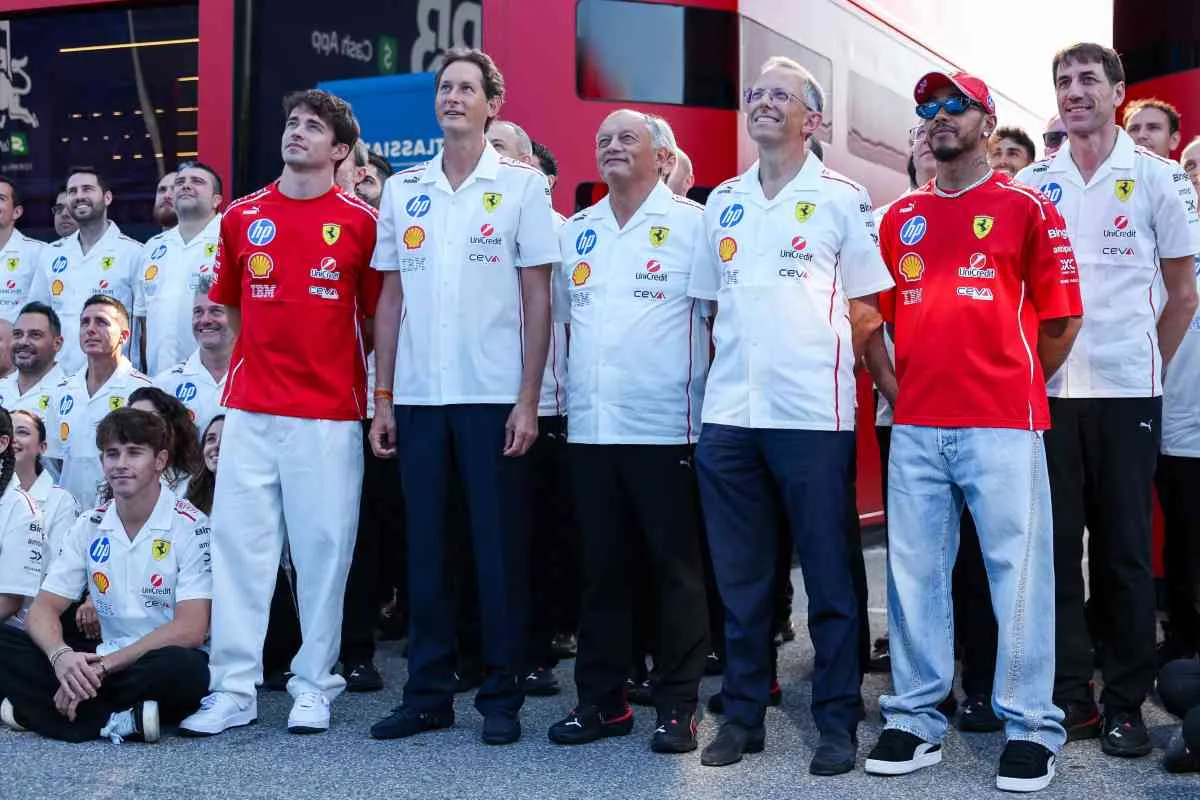
Ferrari dilanda krisis setelah empat GP tanpa podium. Rumor ketegangan antara Hamilton dan Vasseur serta spekulasi masa depan team principal menjadi sorotan.
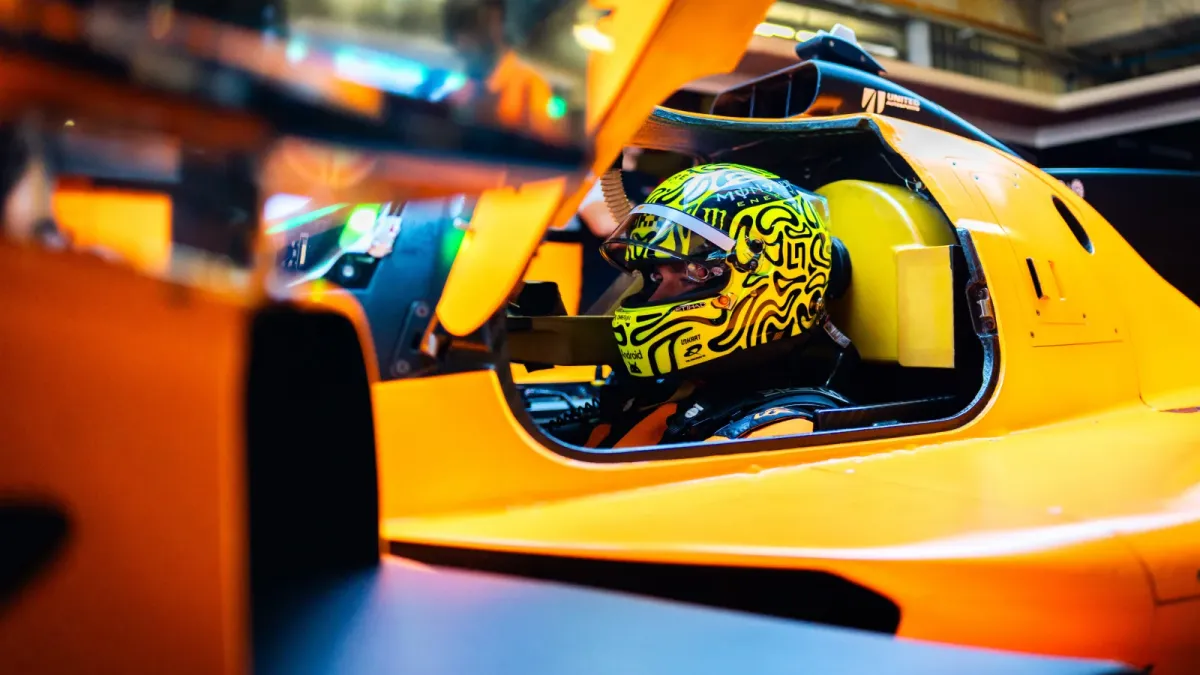
Lando Norris menguji hypercar McLaren MCL-HY di Portimao usai finis ketiga di GP Spanyol. Ia sebut pengalaman itu 'sangat istimewa' dan berharap bisa kembali mengendarainya.
Fotografer F1 diduga dicekik polisi di GP Spanyol. Insiden terjadi saat menuju podium. FIA diminta bertindak. Simak kronologinya di sini.
 Lanjutkan dengan Google
Diskusi & Komentar (0)
Mari Bergabung dalam Diskusi!
Masuk dengan mudah untuk mulai memberikan komentar, membalas, dan berinteraksi dengan pembaca lainnya.
Komentar Terbaru
Belum ada komentar. Jadilah yang pertama!