






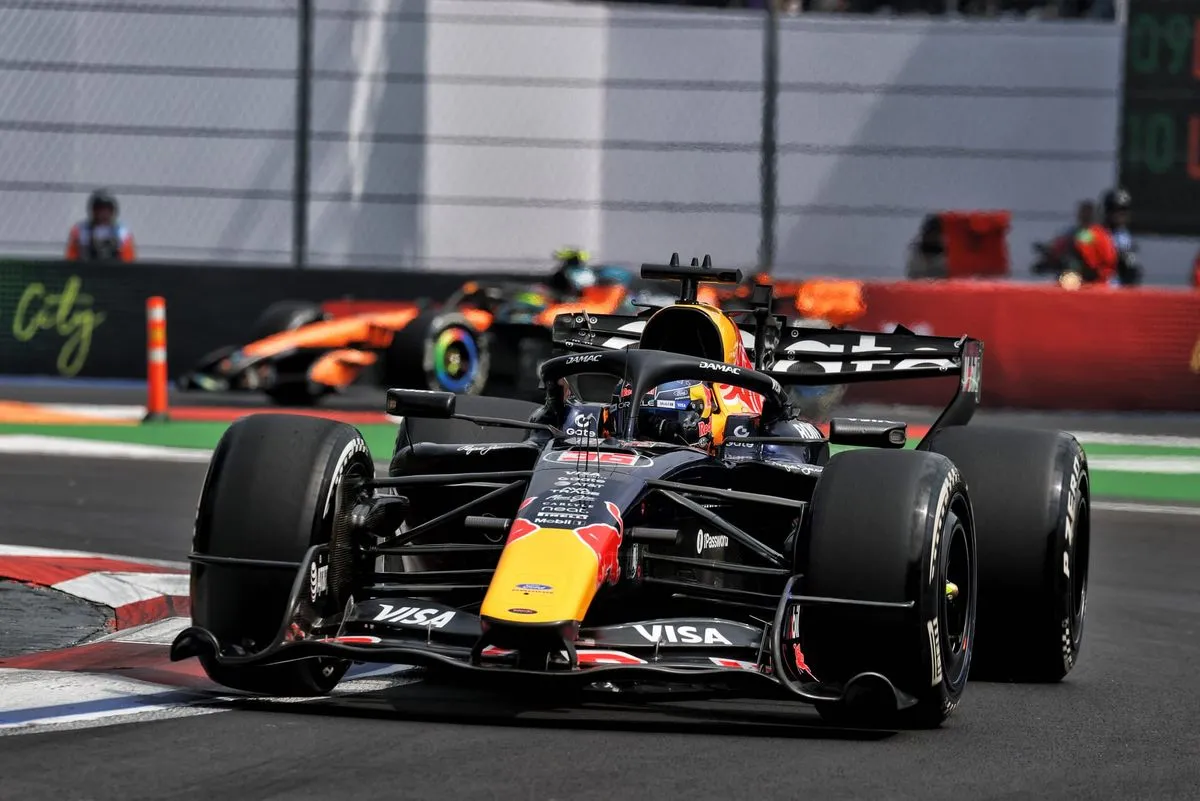

The opening practice session of the 2026 Formula 1 Mexican Grand Prix immediately grabbed global attention as almost half of the grid was made up of stand-in drivers taking over the cockpit. This massive influx of rookie talent naturally brought significant implications for the regular race drivers who had to sit out the crucial morning session from the team garages.
The sporting challenge was further magnified by the inherent complexity of high altitude at the venue, coupled with the brand-new lower-downforce regulations introduced for the 2026 cars. Managing aerodynamic efficiency at a track where downforce is so fundamentally crucial proved to be a major test of engineering and setup prowess during the opening running.
Amidst the technical adaptation to the new generation machinery and the unique atmospheric conditions, Charles Leclerc emerged as the pacesetter of the session. The Monegasque driver clocked a benchmark lap time of 1m18.128s behind the wheel of his Ferrari, showcasing an immediate competitive edge.
The battle at the sharp end of the timesheets was heavily influenced by standout performances from rising talents. Italian prodigy Kimi Antonelli secured the second-fastest time for Mercedes, finishing 0.659 seconds adrift of the benchmark set by the Ferrari driver.
This practice session in Mexico ultimately served as a vital testing ground for young prospects while offering teams essential telemetry on how the lower-downforce 2026 cars handle the thin air. Read our in-depth analysis and weekend updates on Sportrik.
Baca Juga
Simak jadwal operasional wind tunnel baru Red Bull Racing untuk F1 2027. Baca analisis mendalam mengenai fasilitas modern di Milton Keynes ini.
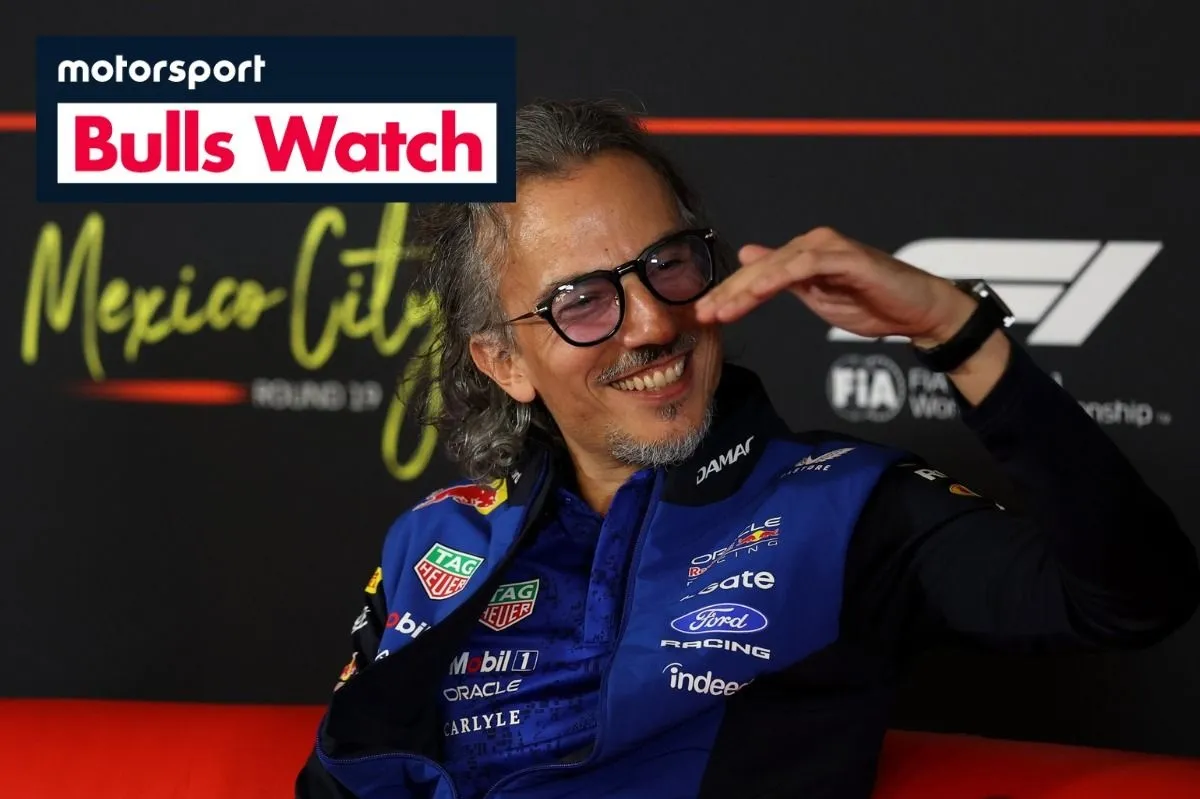
Laurent Mekies balas komentar Christian Horner soal Red Bull. Simak analisis mendalam dinamika internal tim F1 di sini!
Ayao Komatsu sebut rumor gaji 6 juta euro Ollie Bearman di F1 2027 sebagai kebohongan total. Baca analisis mendalam dan berita terbaru di sini.
 Lanjutkan dengan Google
Diskusi & Komentar (0)
Mari Bergabung dalam Diskusi!
Masuk dengan mudah untuk mulai memberikan komentar, membalas, dan berinteraksi dengan pembaca lainnya.
Komentar Terbaru
Belum ada komentar. Jadilah yang pertama!