








Back in the late 1970s, the 250cc motorcycle segment in Japan was struggling to capture widespread enthusiasm. Many manufacturers relied on sharing frames with larger 350cc and 400cc siblings, diminishing the appeal of mid-displacement machines. The landscape grew even harsher when strict new emissions regulations were introduced in 1978, posing a major hurdle for lightweight two-stroke engines. Amidst this challenging backdrop, Yamaha decided to swim against the current.
According to Motosan.es, when the Yamaha RZ250 debuted at the 1979 Tokyo Motor Show, it immediately stunned the audience. Powered by a liquid-cooled, parallel-twin two-stroke engine derived directly from the TZ250 racing machine, it also featured an under-seat monoshock rear suspension—a configuration never before seen on a production sports bike.
This bold move to offer race-bred specifications for the street sparked an overwhelming wave of advance orders before the bike even hit showroom floors. Delivering around 35 horsepower, the motorcycle achieved a specific output of 140 horsepower per liter, an astonishing figure for the era.
With its agile chassis and wild, intense character, legend Kenny Roberts famously fronted its promotional campaign. Although its nervous handling earned it a reputation for demanding expert riders, it quickly became a massive commercial triumph.
The momentum continued with the arrival of the RZ350 in 1981, followed by continuous technological evolutions throughout the 1980s, including the YPVS exhaust valve system. These constant refinements cemented the motorcycle's status as an enduring icon in two-stroke history.
Baca Juga
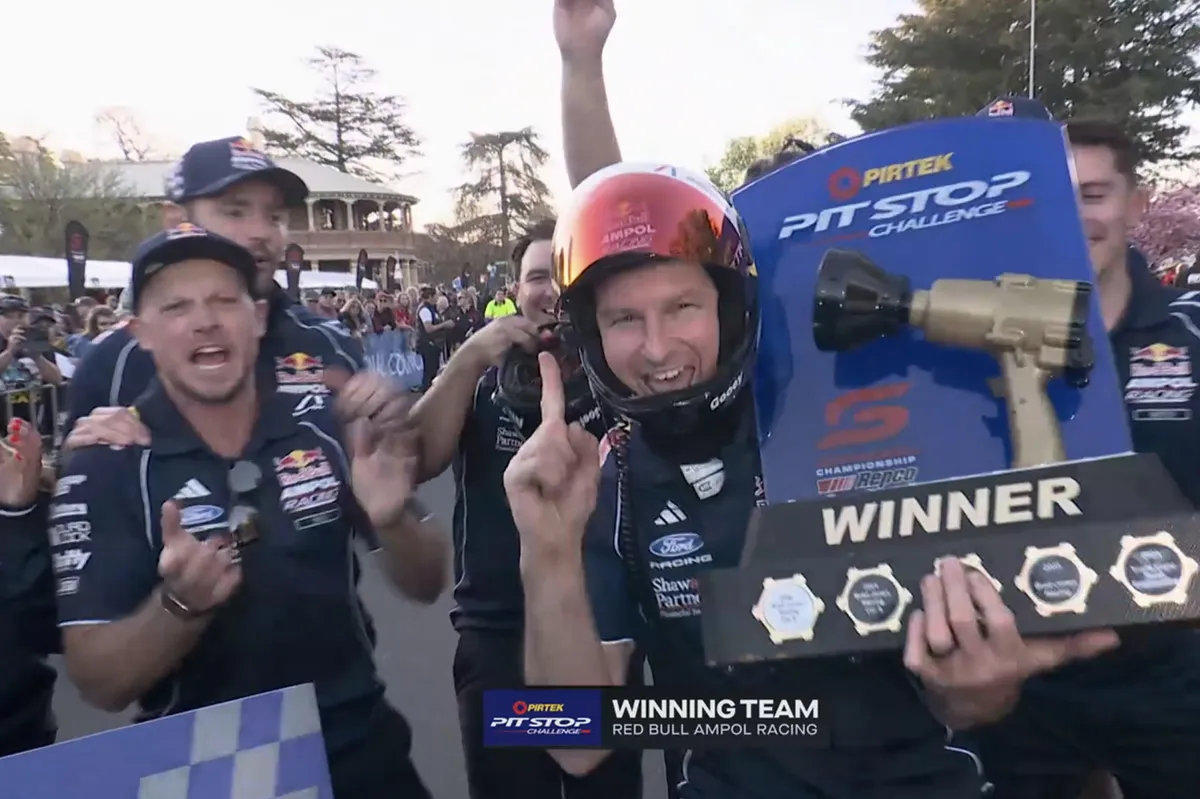
Triple Eight kalahkan Brad Jones Racing di Pit Stop Challenge Bathurst 1000 berkat kerja keras kru mekanik. Simak ulasan lengkapnya di sini.
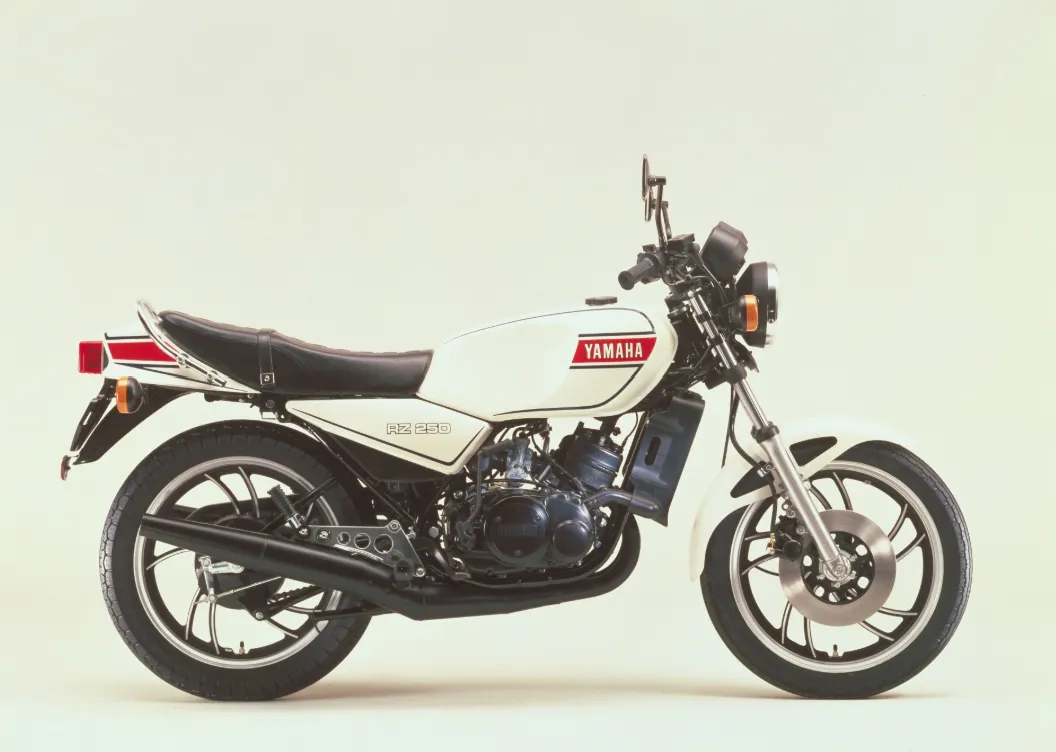
Kisah sejarah Yamaha RZ250, motor legendaris dua tak yang mendefinisikan ulang era motorsport jalan raya dengan teknologi balap.
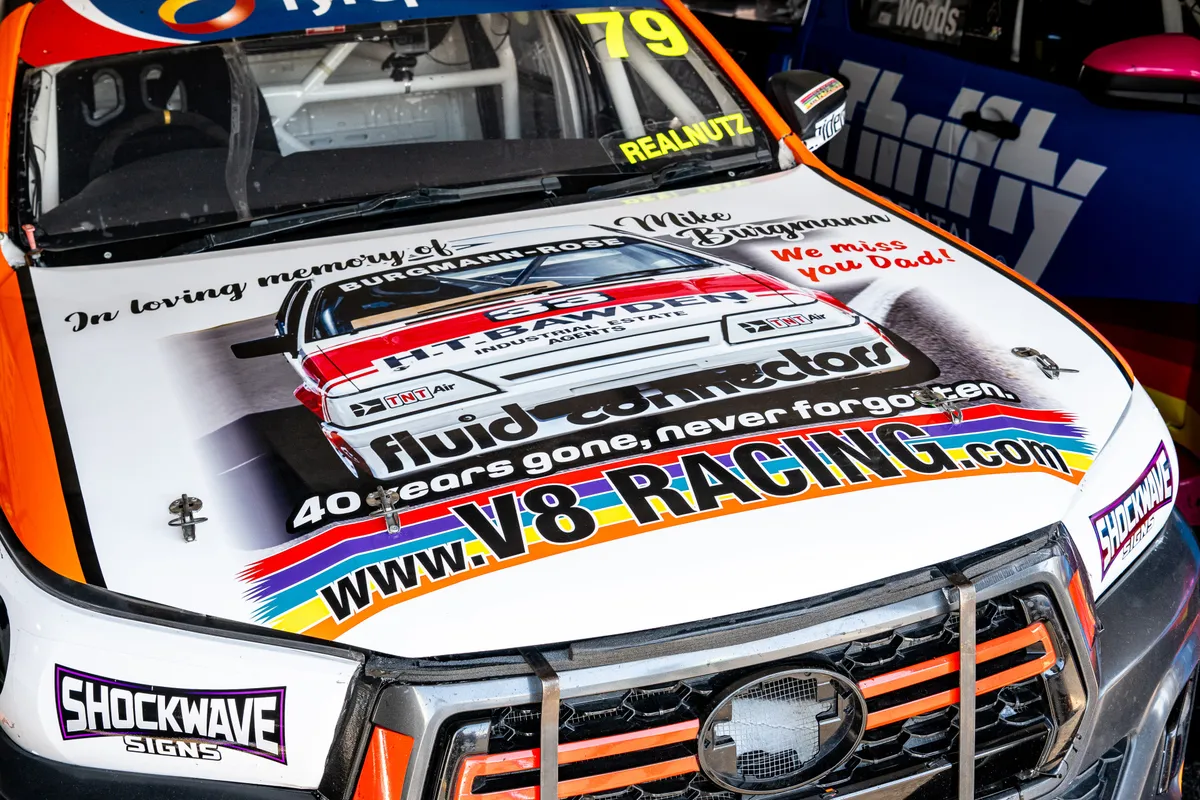
Penghormatan 40 tahun kepergian Mike Burgmann di Bathurst diwarnai kampanye kesehatan mental RaceMind Australia bersama pembalap Mork.
 Lanjutkan dengan Google
Diskusi & Komentar (0)
Mari Bergabung dalam Diskusi!
Masuk dengan mudah untuk mulai memberikan komentar, membalas, dan berinteraksi dengan pembaca lainnya.
Komentar Terbaru
Belum ada komentar. Jadilah yang pertama!