







Formula 1 has yet to officially announce the fate of the Qatar and Abu Dhabi Grands Prix at the end of the 2026 season. The uncertainty stems from the ongoing armed conflict involving the United States, Israel, and Iran in the Middle East. While cancellation seems increasingly likely, F1 is delaying the decision, and the reason goes beyond safety concerns.
According to a report first published in The Times, the delay is closely tied to a financial stand-off over who should bear the costs if the races are cancelled. If F1 takes the initiative to cancel, it would lose the promoters' fees attached to the grands prix. On the other hand, if the promoters make the final call, they would have to absorb the financial burden.
Formula One Management Ltd's annual accounts, published on Companies House, shed more light. The accounts state that the group's insurance policies do not typically cover event cancellation. Whether a race promoter would be required to pay the contracted race promotion fee if an event is cancelled due to factors beyond F1's control depends on the terms of the promoter agreement.
If cancellation occurs because the promoter fails to meet obligations, F1 may be entitled to indemnification for lost media rights revenue. The group's principal business risks include any circumstances that disrupt, postpone, or cancel an event or prevent the broadcast of the international television feed. Historically, race cancellations have been rare, but examples like the 2022 Russian GP and the cancellation of the 2026 Bahrain and Saudi Arabian GPs show that regional conflicts can force major changes.
Interestingly, FOM would not have to compensate broadcasters if Qatar and Abu Dhabi cannot be held, as long as the season has 22 races. This is one reason F1 can afford to delay a decision. Meanwhile, F1 has reinstated the Bahrain GP into an October 4 slot between the Azerbaijan and Singapore rounds, but the race will take place in Malaysia due to the Middle East conflict.
Several other world championships have already cancelled races in the Middle East. Rally Saudi Arabia, scheduled as the WRC season finale in Jeddah in November, was recently called off. The World Endurance Championship (WEC) has also cancelled its races in the region. These decisions highlight that the risks in the Middle East cannot be ignored.
With the situation still dynamic, F1 finds itself in a difficult position. It must balance safety, contractual obligations, and financial pressure. While waiting for developments, F1 has a contingency plan to finish the season in Europe, most likely at Imola. However, no final decision has been announced yet.
Baca Juga
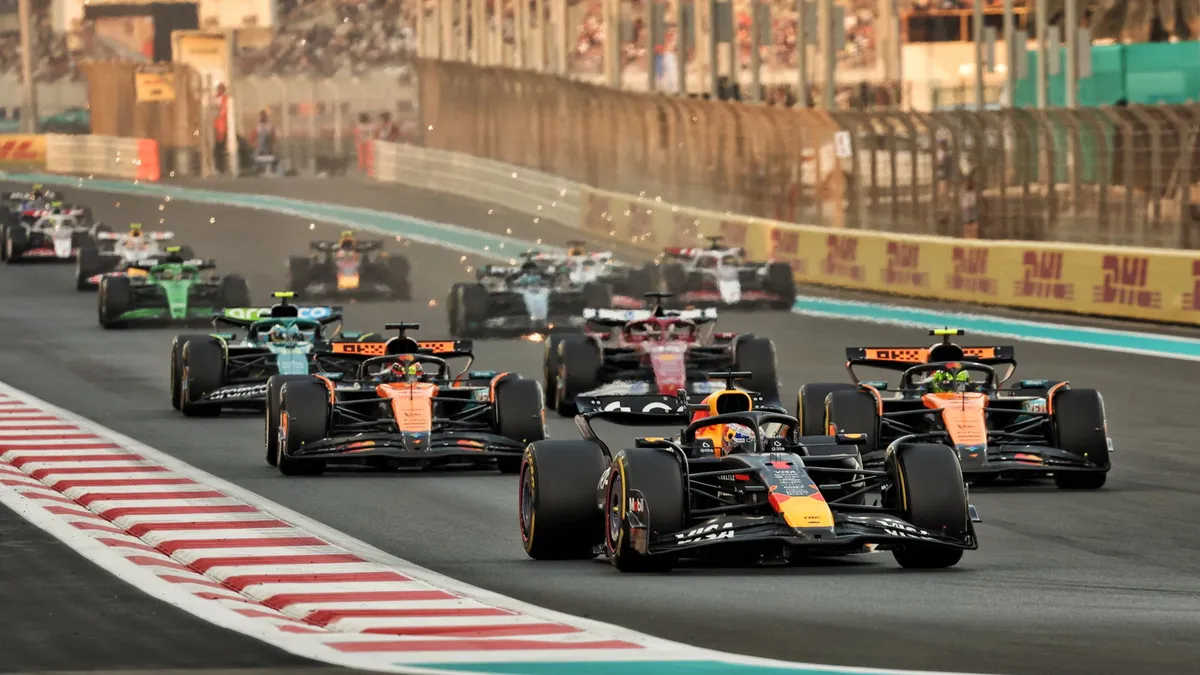
F1 tunda keputusan soal GP Qatar dan Abu Dhabi 2026 karena perdebatan biaya pembatalan. Simak alasan di balik penundaan dan dampaknya bagi musim.

Red Bull Racing resmi memperpanjang kontrak Isack Hadjar hingga 2027, mengunci duo pembalap dengan Verstappen. Hadjar kembali di GP Azerbaijan setelah cedera.
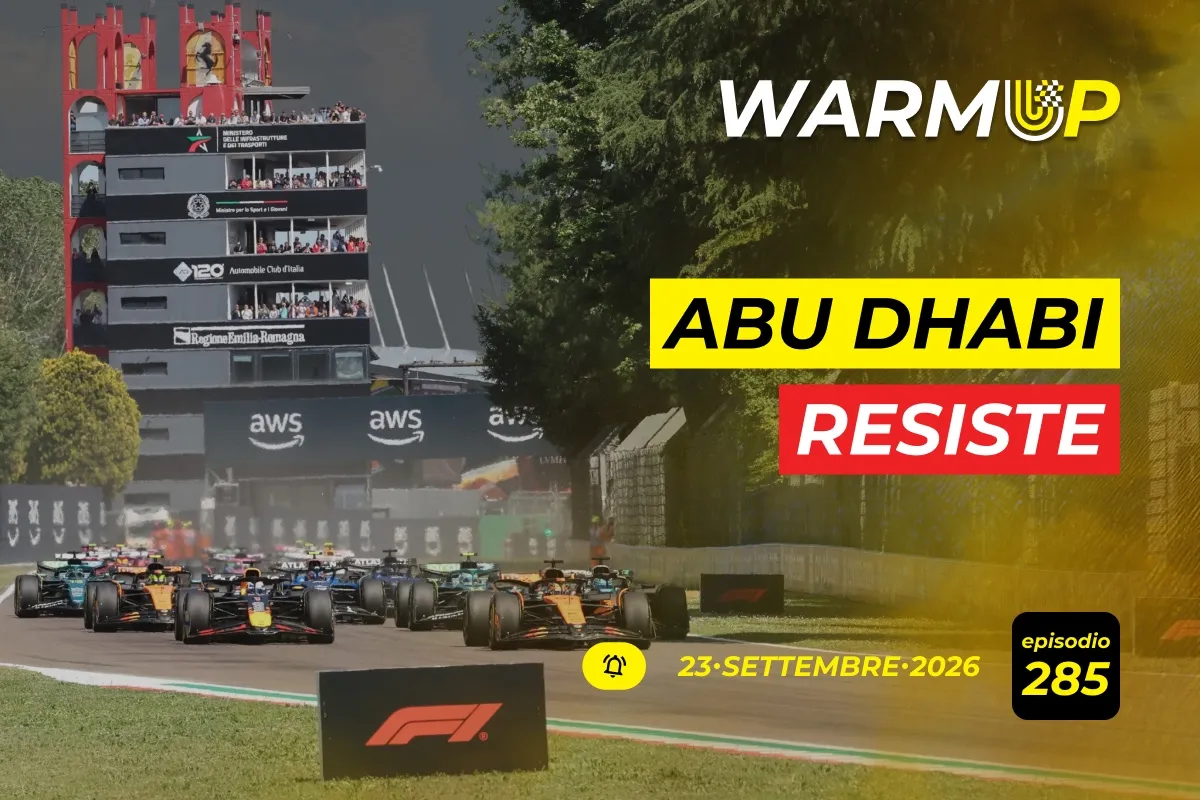
Imola siap jadi tuan rumah final F1 2026, tetapi Abu Dhabi diminta mundur karena risiko keamanan. Simak juga kabar Joan Mir dan kalender MotoGP 2027.
 Lanjutkan dengan Google
Diskusi & Komentar (0)
Mari Bergabung dalam Diskusi!
Masuk dengan mudah untuk mulai memberikan komentar, membalas, dan berinteraksi dengan pembaca lainnya.
Komentar Terbaru
Belum ada komentar. Jadilah yang pertama!