






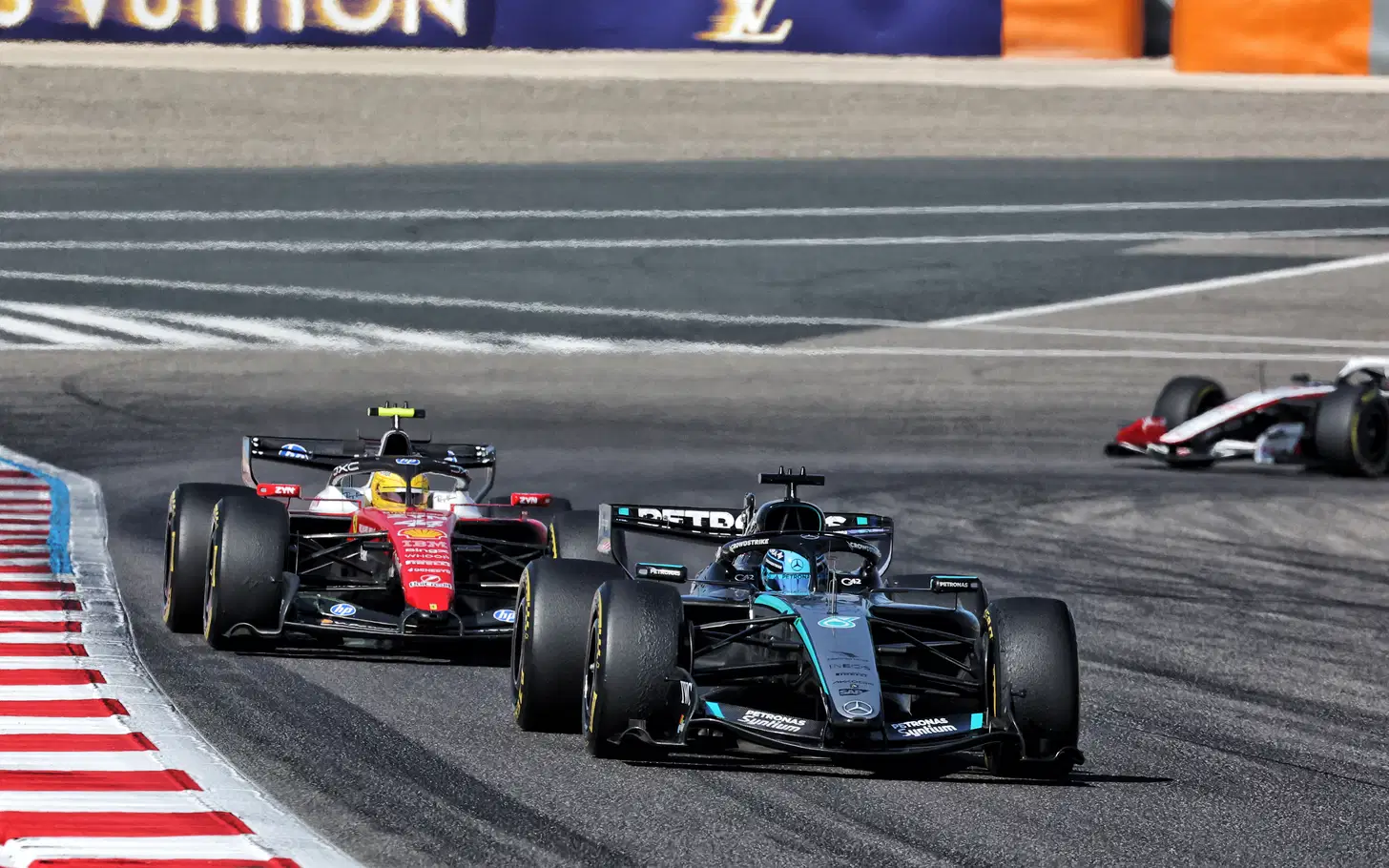

Formula 1, Sportrik Media - The 2026 regulations introduce active aerodynamics to Formula 1, including a new system known as corner mode, designed to optimise aerodynamic performance between straights and corners during grands prix.
Under the new rules, both the front and rear wings are capable of moving to alter the car’s aerodynamic configuration. This system works in tandem with the sport’s broader 2026 technical overhaul, which also includes a 50-50 split between combustion and electrical power and a stronger emphasis on efficiency.
When a driver enters designated activation zones on a straight, the car switches into what is called straight mode. In this configuration, the rear wing opens in a DRS-style manner by increasing the slot gap, reducing drag and allowing higher top speeds. At the same time, the front wing flap elements adjust downward to further optimise airflow and minimise resistance.

By contrast, corner mode is the default high-downforce configuration used when approaching and navigating corners. In this mode, both the front and rear wings close, restoring maximum aerodynamic load to improve grip, braking stability and cornering performance.
Technically, the system requires both wings to open together in straight mode and then close again to return to corner mode. The transitions are electronically controlled within FIA-defined parameters and can only be activated in specific track sections.
The objective of corner mode is to ensure that while cars benefit from reduced drag on straights, they retain the necessary downforce for safe and competitive cornering. As part of the 2026 aerodynamic philosophy, the system aims to balance energy efficiency, overtaking potential and overall performance across a lap.
Baca Juga
Simak kisah hangat Anthony Hamilton memuji Max Verstappen di GT World Challenge Portimao. Baca analisis mendalam dan hasil lengkap balapan di sini!
Simak analisis lengkap upgrade SF-26 Ferrari jelang GP AS 2026 dan upaya meredam ancaman Red Bull. Baca berita F1 terbaru selengkapnya di sini.

Simak kembali kisah epik Jenson Button saat mengunci gelar juara dunia F1 2009 di GP Brasil bersama Brawn GP. Baca analisis mendalam di sini!
 Lanjutkan dengan Google
Diskusi & Komentar (0)
Mari Bergabung dalam Diskusi!
Masuk dengan mudah untuk mulai memberikan komentar, membalas, dan berinteraksi dengan pembaca lainnya.
Komentar Terbaru
Belum ada komentar. Jadilah yang pertama!