








James Vowles didn’t hold back. In Friday’s press conference at Sepang, the Williams team principal didn’t just discuss his team’s overweight car; he launched a scathing critique of Formula 1’s cost cap, arguing it has failed to deliver the competitive balance it promised. For him, the financial regulations introduced five years ago have become a trap for teams trying to climb the grid.
Since 2021, F1 teams have operated under a $215 million spending limit on performance-related costs. The goals were threefold: financial sustainability, sporting equity, and a compressed field. Vowles believes only the first has been achieved. “We wanted long-term financial sustainability, and I think in that goal, not just have we achieved it, but we’ve exceeded it,” he said. “The two others, though, sporting equity and compression of the field, those have failed.”
The numbers he cited are damning. Over the five seasons under the cap, the top four teams—Mercedes, Red Bull, McLaren, and Ferrari—have collected 83 percent of all available points, up from around 70 percent in the previous period. “In other words, we have made the situation worse,” Vowles asserted. “The top four are the top four, and all the rest of us are fighting over roughly 17 percent of the points.” Podium appearances for the rest have dropped from 10 percent to just 5 percent.
Vowles is careful to separate Williams’ own struggles from his broader criticism. He accepts responsibility for the mistakes that led to the team’s backward step this season. “First and foremost, I own the mistakes we made this winter,” he admitted. “We have gone backwards. We had a car that was overweight.” Yet he insists the root cause is a structural imbalance exacerbated by the cap.
His move from Mercedes to Williams ahead of 2023 gave him firsthand insight into the gap. “What I hadn’t appreciated when you do that jump is just how little exists,” he explained. “When you’re in a cost cap, I’m not spending money on the car. I’m spending millions, tens of millions actually, just on basic systems, so you just know where a part is in the factory. That’s not going to the car, it’s not going to a front wing, it’s not going to an upgrade. It’s going on systems that I need to do just to do the very basics.”
This creates what he calls a “cost cap trap.” Teams like Williams are forced to invest in foundational infrastructure that should have been in place years ago, while established rivals can channel all their resources into performance. “If I do anything short-term, and I always talk about investing in the future, now you understand why,” he added.
Vowles’ critique is more than a team’s complaint; it’s a call to reassess the cost cap’s effectiveness. If the goal was to tighten the field, the data suggests it has not worked. A review may be needed before the gap between F1’s haves and have-nots widens further.
Baca Juga
Lewis Hamilton puji talenta Fernando Alonso usai perpanjangan kontrak dengan Aston Martin. Komentarnya viral dan menuai pujian fans.
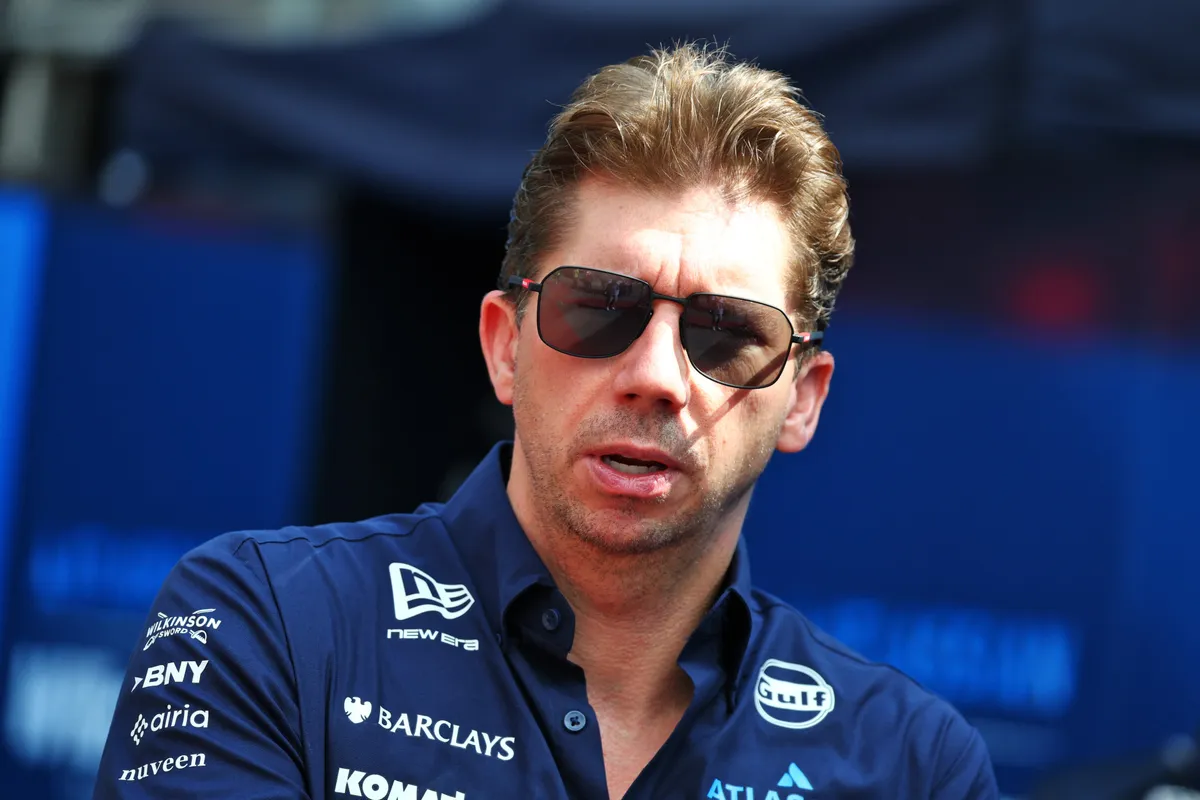
James Vowles kritik cost cap F1 yang dinilai gagal perkecil jarak kompetisi. Data tunjukkan empat tim teratas makin dominan, tim kecil tercekik.
Fred Vasseur menegaskan pentingnya persatuan Ferrari di tengah rumor dan serangan personal. Bos Ferrari itu ingin tim fokus dan tenang hadapi sisa musim.
 Lanjutkan dengan Google
Diskusi & Komentar (0)
Mari Bergabung dalam Diskusi!
Masuk dengan mudah untuk mulai memberikan komentar, membalas, dan berinteraksi dengan pembaca lainnya.
Komentar Terbaru
Belum ada komentar. Jadilah yang pertama!