






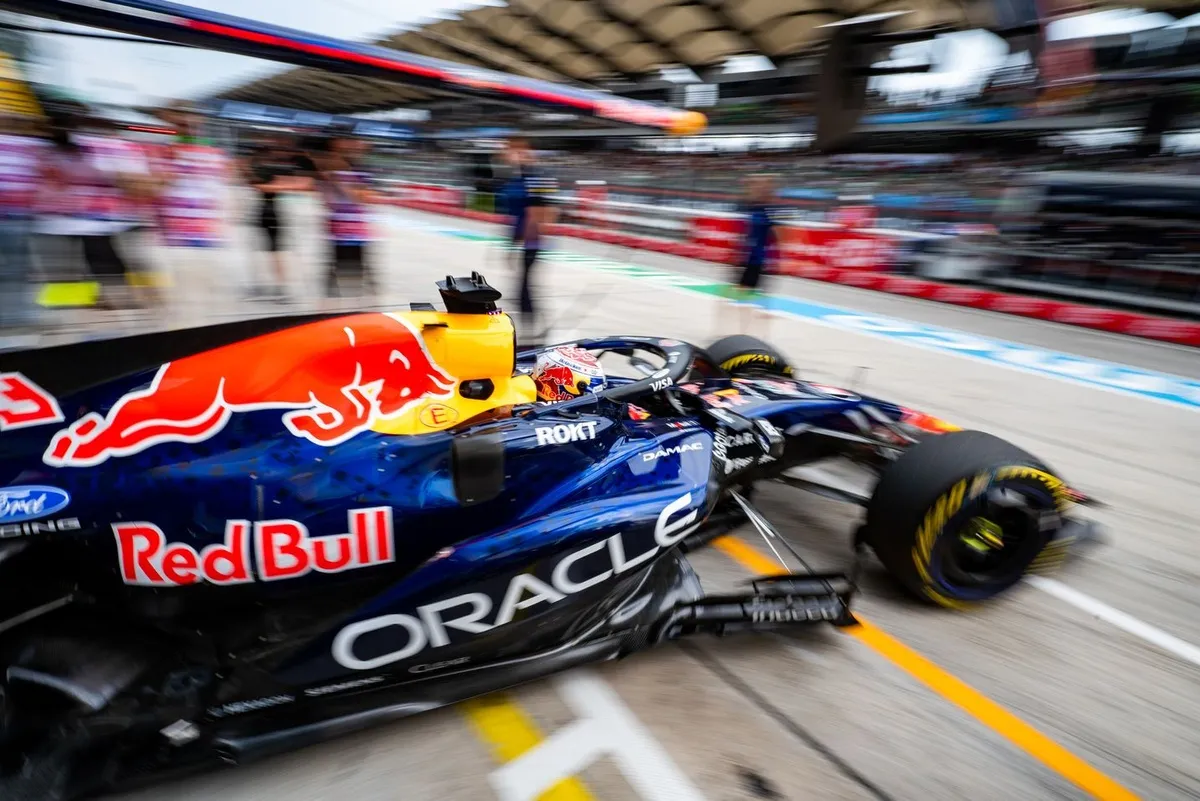

Max Verstappen did not complete a qualifying simulation in FP2 for the Malaysian Grand Prix at Sepang Circuit last Friday. The decision was not without reason: a 90 percent chance of rain forced the Red Bull driver to prioritize long runs over qualifying times. As a result, Verstappen focused on gathering tyre degradation data, which according to Pirelli is the biggest challenge this weekend.
"I wanted to do a long run in case there was some rain coming in," Verstappen said briefly when asked about the unusual plan. This approach was also emphasized by Red Bull technical director Pierre Wache. He said the team deliberately did not want to compromise the long run to see the behaviour of the medium tyre, for which they had no data at all. "We didn't want to compromise the long run, which I think is the most important thing this weekend, in terms of degradation and see how the tyres behave, especially the medium. We didn't have data of the medium, so we prioritised that and afterwards it was too late to run the soft," Wache explained.
That decision highlights two things. Firstly, looking at individual lap times after Friday in Kuala Lumpur is almost pointless. Only long runs provide a valuable picture, meaning even less significance should be attached to Friday's classification than usual. Secondly, F1 teams' approach in Malaysia differs from a normal race weekend. Usually, it is a balancing act between qualifying performance and keeping the tyres – particularly the rear axle – alive during the race. But this time, it is all about the latter.

Pirelli recorded significant thermal degradation. "We have seen today that the degradation was quite significant, quite high. I remember just one weekend where we had this kind of degradation and that was Barcelona," said Pirelli's chief engineer Simone Berra. "We have recorded around two or three tenths of tyre degradation per lap, on both the medium and the soft. So the level of decay is quite important here. Teams need to manage especially the rear temperatures, but also the front tyres in the high-speed corners."
Furthermore, Pirelli explained that this can become a vicious circle at Sepang based on Friday's data. "Due to the poor surface, the grip was low on both the medium and the soft. This exacerbated even more thermal degradation because we know that sliding means higher temperatures," Berra added. The less-than-ideal asphalt surface forces teams to be extra careful in planning their race strategy.
For Red Bull Racing, focusing on long runs is a smart move. With minimal degradation data, they hope to devise a better race strategy. Meanwhile, other teams like Mercedes were reportedly not too impressive in free practice, adding to the uncertainty ahead of qualifying and the race.
Verstappen himself is not too concerned about his lap times. For him, the most important thing is understanding how the tyres react to the harsh Sepang track. "We know the race will be very challenging, so we have to be ready," he concluded. With the weather forecast still uncertain, adaptation is key. The Malaysian race this weekend is not just a speed contest, but also a battle of strategy and tyre management.
Baca Juga

Lewis Hamilton hanya mendapat peringatan usai menghalangi Gabriel Bortoleto di FP2 MotoGP Malaysia. Ferrari didenda 10.000 euro karena tak beri informasi.
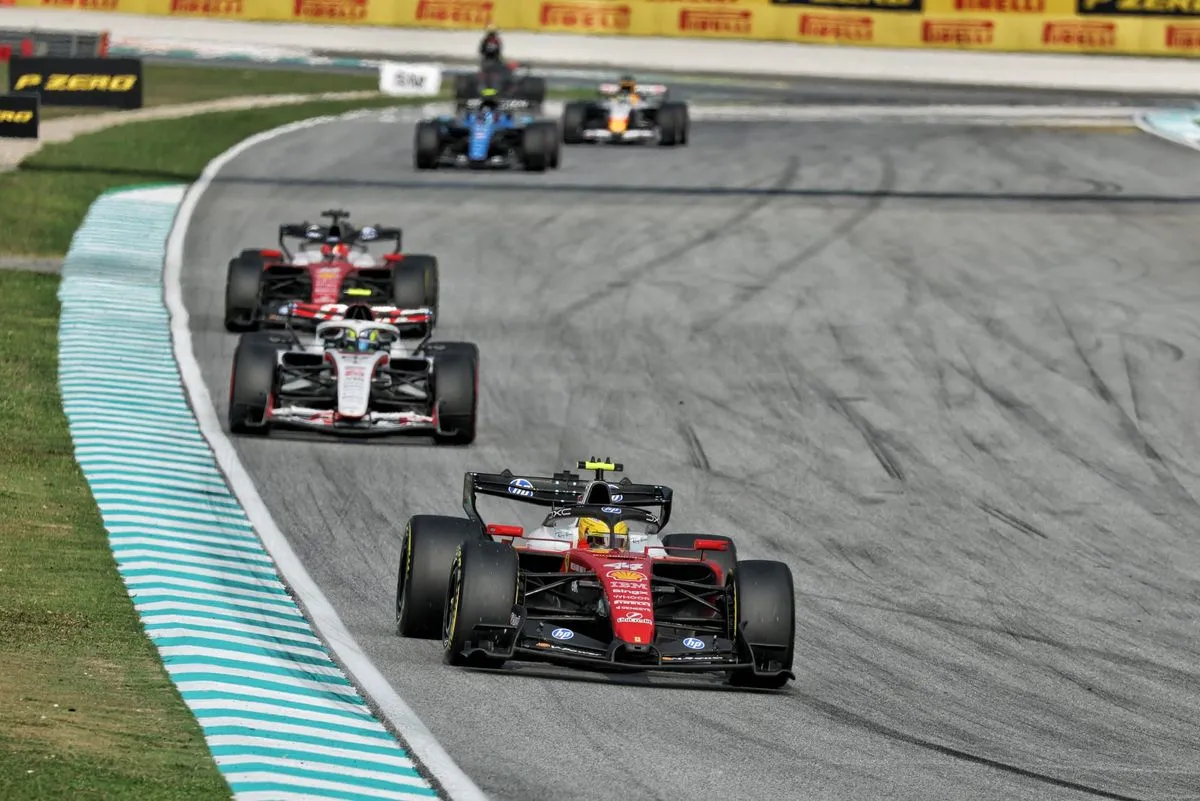
Analisis Jumat F1 2026 di Sepang: Verstappen tercepat, Mercedes kesulitan dengan upgrade W17, dan degradasi ban jadi faktor penentu.
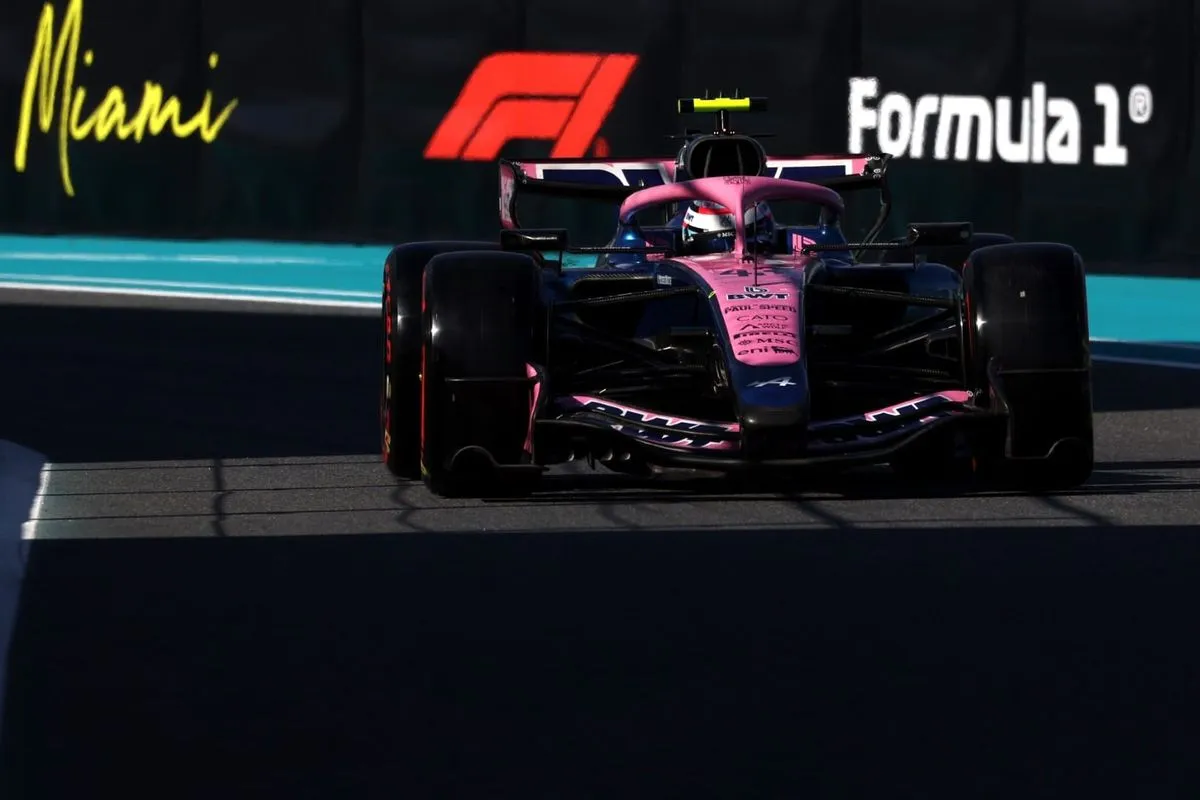
Otro Capital dikabarkan tengah menjajaki pembelian saham Grand Prix Miami hingga 20%. Langkah ini menjadi sinyal kepercayaan terhadap prospek jangka panjang F1 dan Miami GP.
 Lanjutkan dengan Google
Diskusi & Komentar (0)
Mari Bergabung dalam Diskusi!
Masuk dengan mudah untuk mulai memberikan komentar, membalas, dan berinteraksi dengan pembaca lainnya.
Komentar Terbaru
Belum ada komentar. Jadilah yang pertama!