







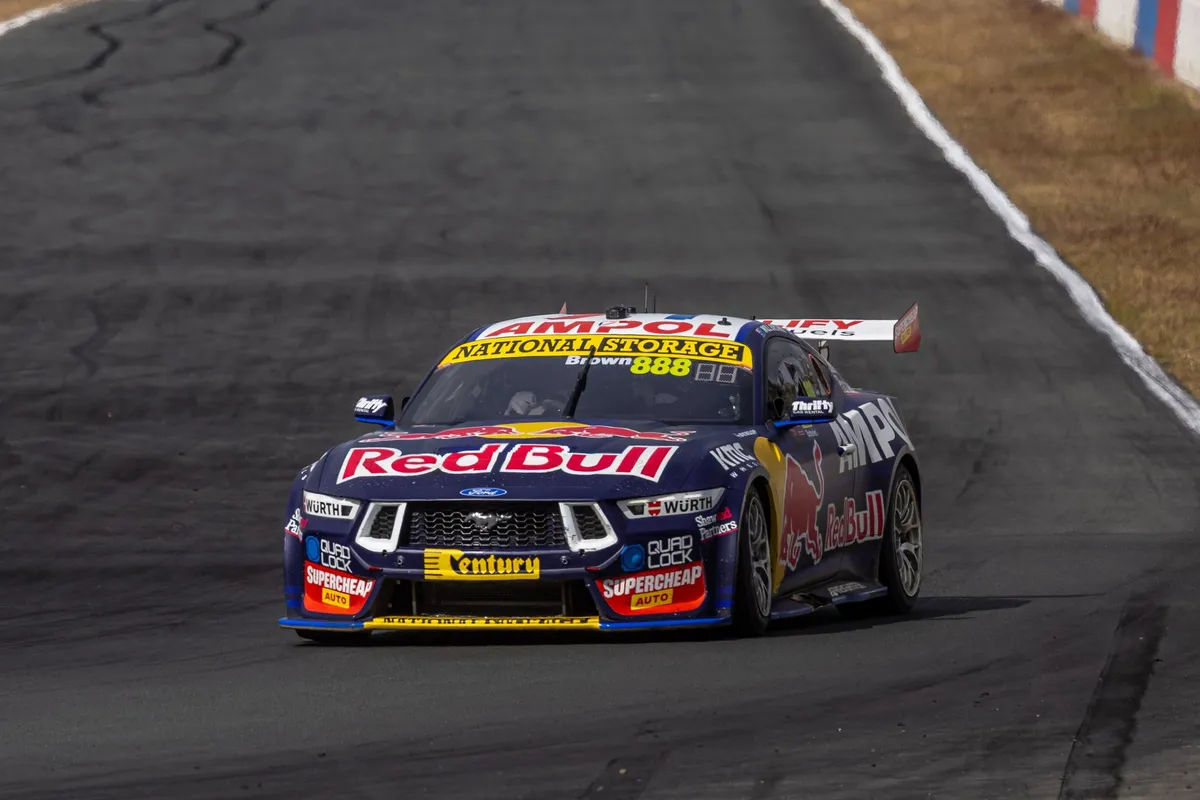

The 2026 Supercars championship features a crucial testing agenda as a spare Triple Eight Ford Mustang hits the track at Queensland Raceway on Tuesday, outfitted with advanced sensors to diagnose ongoing braking hurdles faced by teams throughout the season.
Brake performance has dominated paddock discussions since the Ipswich Super440 round, persisting through challenging weekends at The Bend and the grueling Bathurst 1000. Engineers have struggled to gather sufficient telemetry because modern Gen3 machinery was originally designed with minimal diagnostic instrumentation dedicated to the braking assembly.
Supercars Chief Motorsport Officer Tim Edwards emphasized that comprehensive data collection is imperative to resolve anomalies that caught competitors off guard during recent race weekends. The governing body acknowledged that unexpected mechanical drama necessitated a dedicated test program to map thermal loads and material behavior accurately.

"Gen3 cars were designed with limited sensors on the brake system," Tim Edwards told Supercars.com, detailing the scope of the evaluation. "We’re fully instrumenting a car so we can get a far greater understanding of the brake system, which neither the teams or Supercars actually have at the moment." He further praised the squad for converting their spare chassis to accelerate this vital investigative work.
Much of the recurring trouble stems from inconsistent batches supplied by brake pad manufacturer Ferodo, triggering operational headaches during the Queensland Raceway event and subsequent pre-enduro sessions. The compounding wear forced numerous garages into emergency component swaps during the historic endurance classic.
The severity of the crisis was underscored when Grove Racing suffered a dramatic mechanical failure on Kai Allen's car near the conclusion of the race, culminating in a spectacular fire at The Chase. The frightening incident served as a stark reminder of the urgent need for absolute reliability as the championship prepares for the upcoming Sandown 500 on November 6-8 for the second round of the Finals series.
With infrared sensors logging precise inner and outer disc surface temperatures alongside multiple telemetry points, the resulting data is expected to guide crucial adjustments for the remainder of the calendar, ensuring competitive integrity and driver safety moving forward.
Baca Juga
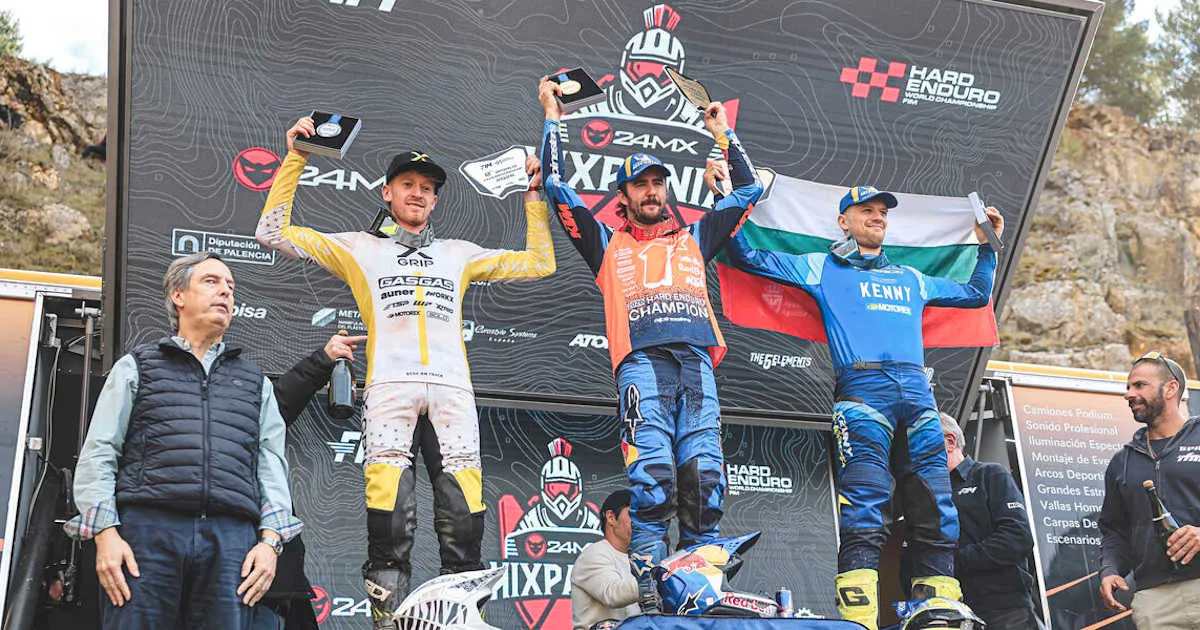
Simak ulasan lengkap final Hard Enduro 2026 di Hixpania, kemenangan dramatis Mario Roman, dan selebrasi gelar juara dunia keenam Manuel Lettenbichler.
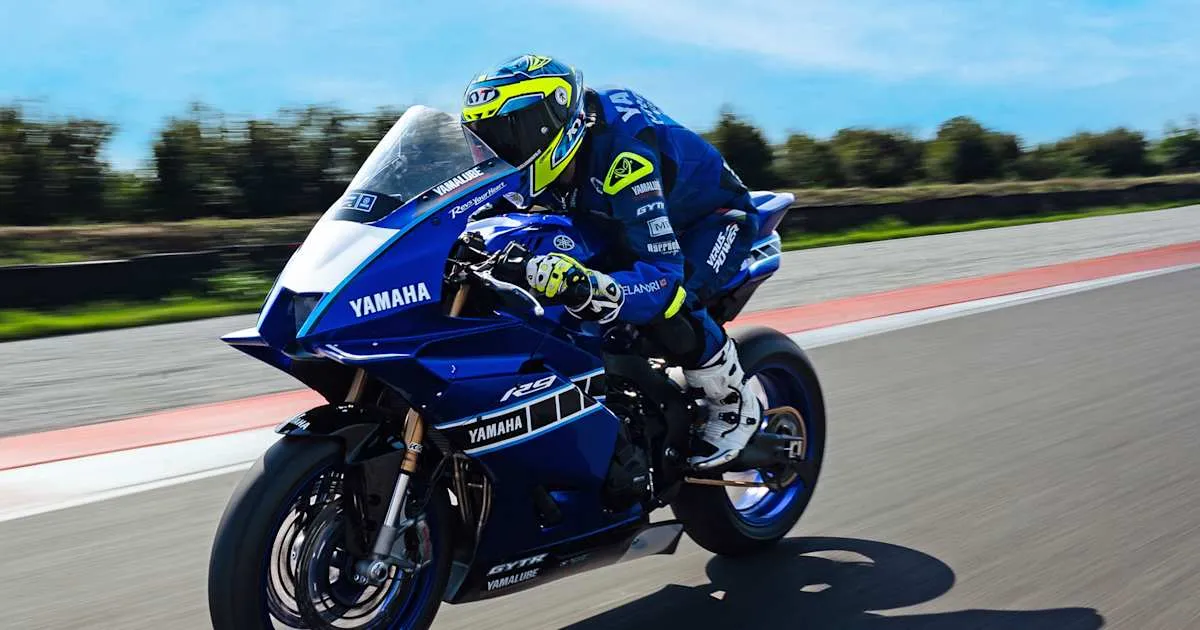
Yamaha R9 GYTR Cup Jerman resmi diumumkan untuk kalender balap 2027. Simak jadwal, regulasi, dan analisis mendalam seputar kejuaraan baru ini di sini.
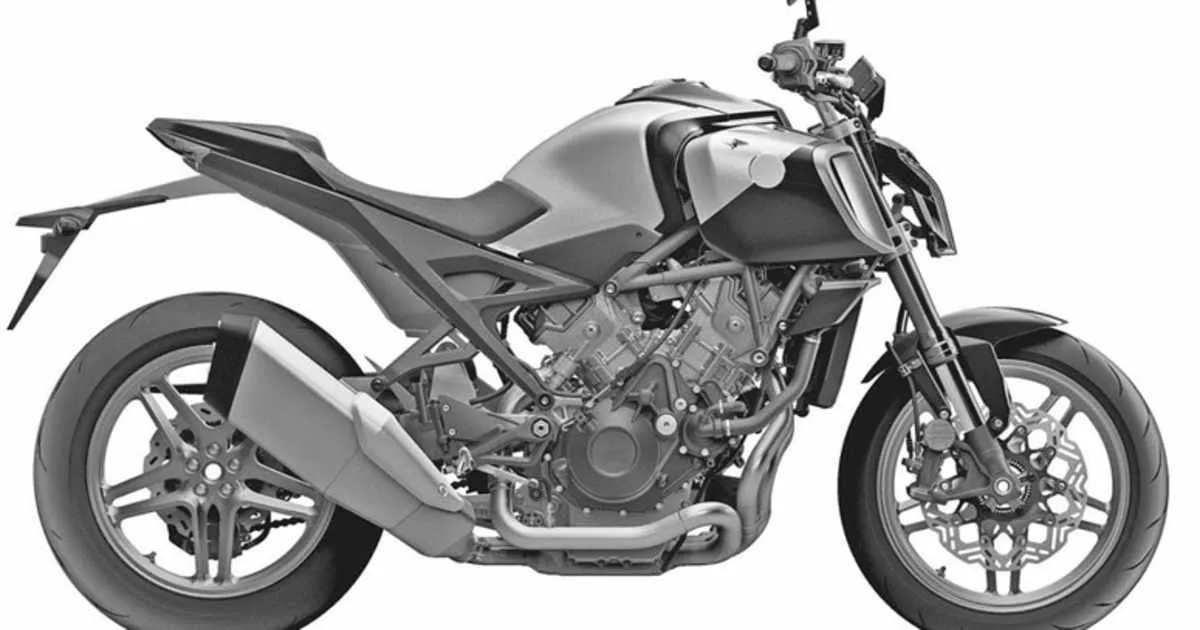
Simak analisis lengkap mengenai teka-teki V3R 900 Honda dan jajaran motor baru di EICMA. Baca ulasan mendalam selengkapnya di sini!
 Lanjutkan dengan Google
Diskusi & Komentar (0)
Mari Bergabung dalam Diskusi!
Masuk dengan mudah untuk mulai memberikan komentar, membalas, dan berinteraksi dengan pembaca lainnya.
Komentar Terbaru
Belum ada komentar. Jadilah yang pertama!