








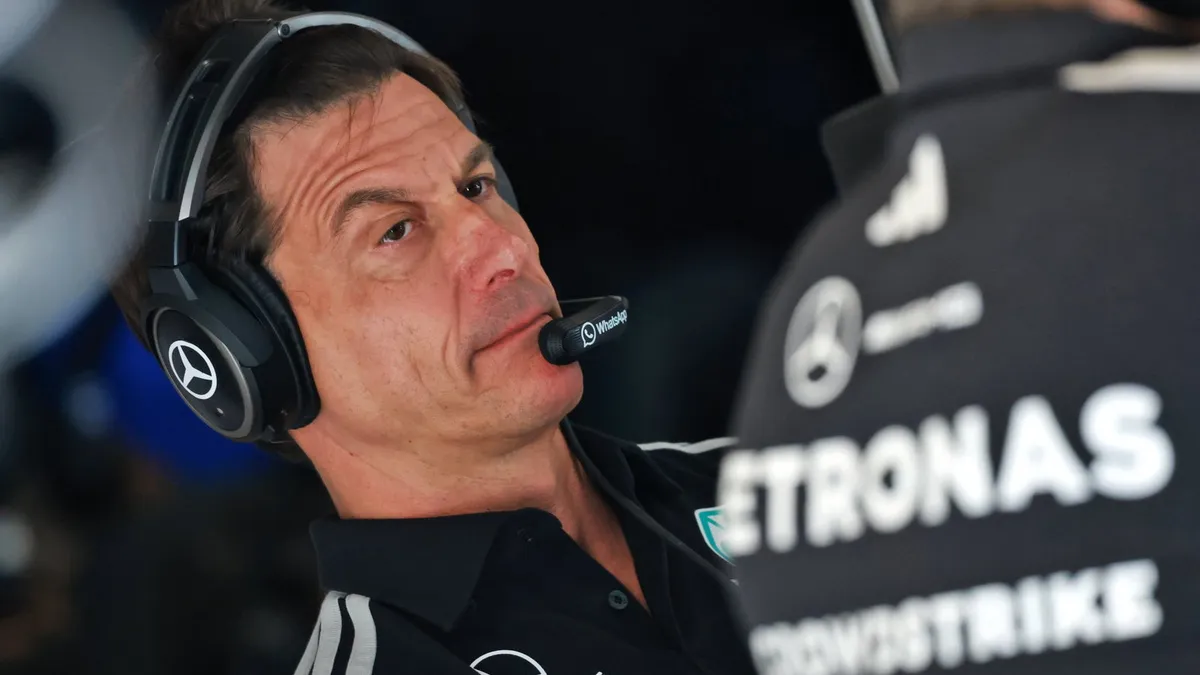
Mercedes team principal Toto Wolff has expressed support for adjusting Formula 1 regulations to help Honda close the performance gap with its power unit rivals. His comments come in response to FIA President Mohammed Ben Sulayem's remarks regarding Fernando Alonso's situation at Aston Martin.
Ben Sulayem's Comments and Wolff's Response
Speaking at a business forum in Madrid ahead of the Spanish Grand Prix, Ben Sulayem said it was "not acceptable" that Alonso might retire under Aston Martin and Honda's current lack of performance. He revealed he had discussions about helping Honda improve. "We did something earlier in May, legally, for the team, towards the engine, to go and improve," Ben Sulayem said. These comments caused a stir, raising questions about Ben Sulayem's influence in F1.
Wolff felt the conversation between Ben Sulayem and Alonso was "fair enough" and believes more can be done to the ADUO regulations to help Honda. "I think the ADUO in that case was designed as a catch-up mechanism, and that formula was unlocked for Honda," Wolff said in Madrid. "And they need more. And I think the conversation that the president had with Alonso is fair enough. You know, we want to have all of these top constructors in the sport. We want them to be competitive and successful. And rules are built to do the best for the sport, and sometimes maybe there needs an adjustment. So, fair enough conversation."
Honda's Efforts and Aston Martin's Struggles
Honda introduced a substantial power unit upgrade at the Dutch Grand Prix, following Aston Martin's 'B-spec' car update in Hungary before the summer break. However, the team continues to struggle to climb up the competitive order. The ADUO (Additional Development and Upgrade Opportunity) regulations were designed to give manufacturers that are behind in engine performance a chance to make additional developments, aiming to create a more balanced competition.
Despite this, Honda has yet to show significant improvement. This raises questions about whether the current regulations are sufficient or need further adjustment. Wolff, whose team uses Mercedes power units, sees helping Honda as positive for the sport overall. "We want them to be competitive and successful," he stressed.
Alonso's Future Remains Uncertain
Meanwhile, Alonso's future in F1 remains a topic of debate. His contract with Aston Martin expires at the end of this year, and the double world champion has yet to decide his next move. Alonso is known for his ambition and desire to compete at the front, making Honda's performance a crucial factor in his decision.
If Honda cannot provide a competitive package, it's not impossible that Alonso will look elsewhere or even retire. However, with support from various parties, including Wolff, it is hoped that Honda can quickly find the performance needed and convince Alonso to stay.
Impact on Regulations and Competition
Discussions about adjusting regulations to help manufacturers that are behind are not new in F1. Previously, ADUO has been used to help manufacturers like Renault and Honda themselves. However, its effectiveness is still questioned. Some argue that a more flexible mechanism is needed to accommodate the needs of struggling manufacturers.
Wolff himself did not detail what adjustments he meant, but he emphasized the importance of maintaining competitive balance. "Rules are built to do the best for the sport," he said. In other words, if changes are needed to improve competitiveness, they must be considered.
Going forward, the FIA and Liberty Media as the commercial rights holder of F1 will continue to monitor the situation. Decisions on regulations are usually taken with input from teams and manufacturers. Clearly, the Honda and Alonso case is a test of the flexibility of regulations in facing the dynamics of competition.
Baca Juga
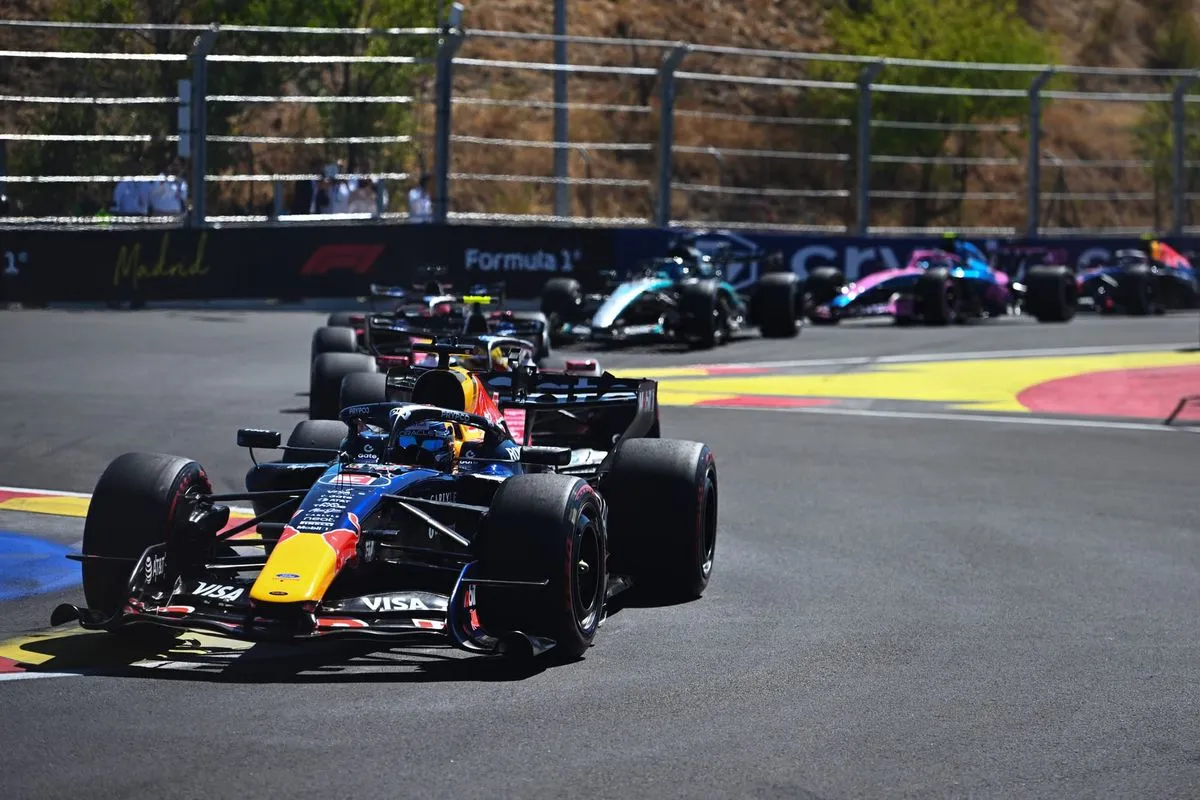
Analisis mendalam mengapa balapan F1 Spanyol 2026 di Madring kurang seru. Faktor layout, ban keras C2, dan strategi menjadi penyebab utama.
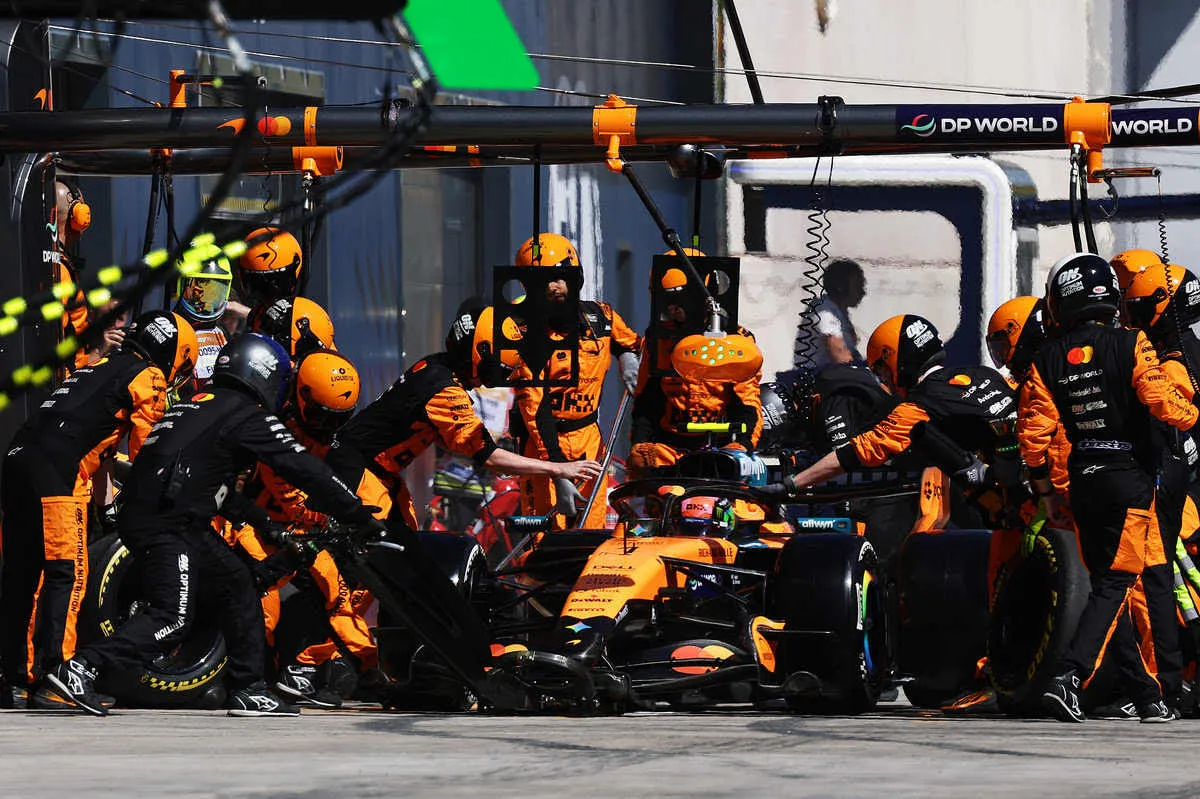
Pit-stop lambat McLaren kembali merugikan Lando Norris di Madrid. Rata-rata 3,88 detik dalam enam GP terakhir, ancaman serius bagi ambisi gelar 2026.
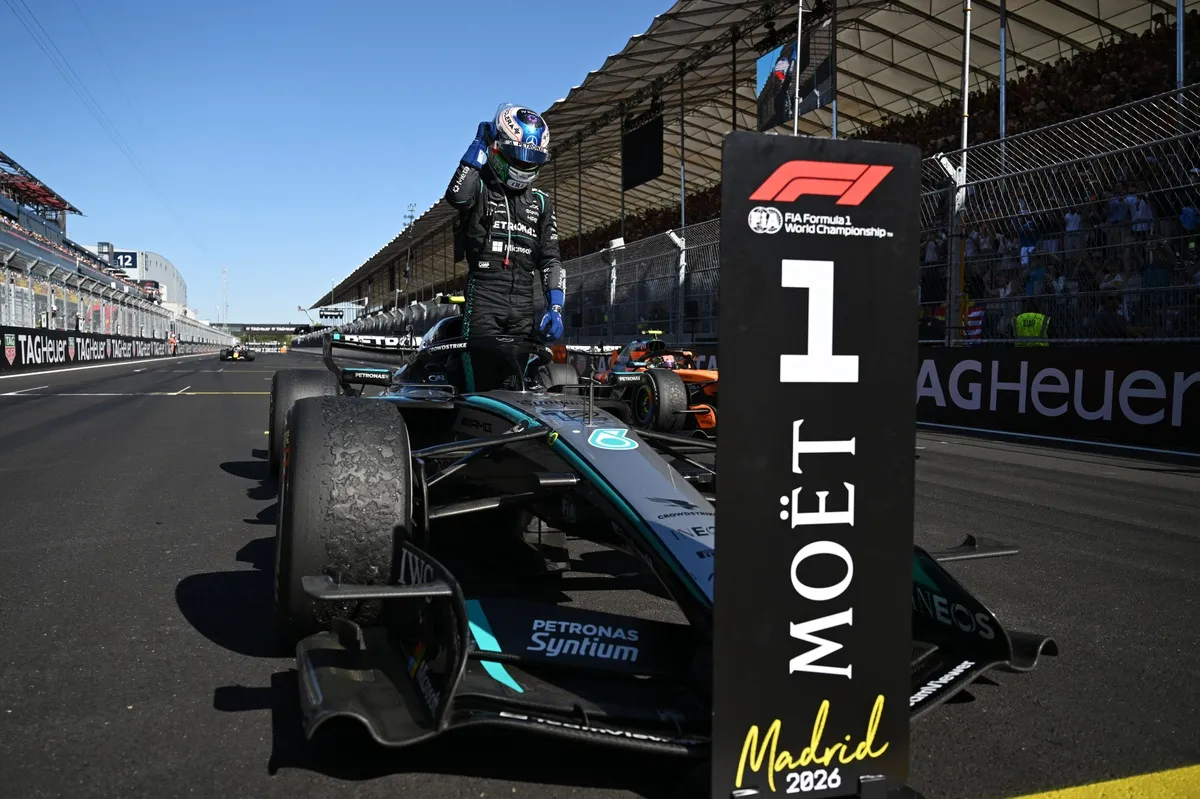
Kimi Antonelli semakin kokoh di puncak klasemen F1 2026 setelah kemenangan di GP Spanyol. Russell dan Hamilton mengakui peluang juara mereka hampir tertutup.
 Lanjutkan dengan Google
Diskusi & Komentar (0)
Mari Bergabung dalam Diskusi!
Masuk dengan mudah untuk mulai memberikan komentar, membalas, dan berinteraksi dengan pembaca lainnya.
Komentar Terbaru
Belum ada komentar. Jadilah yang pertama!