







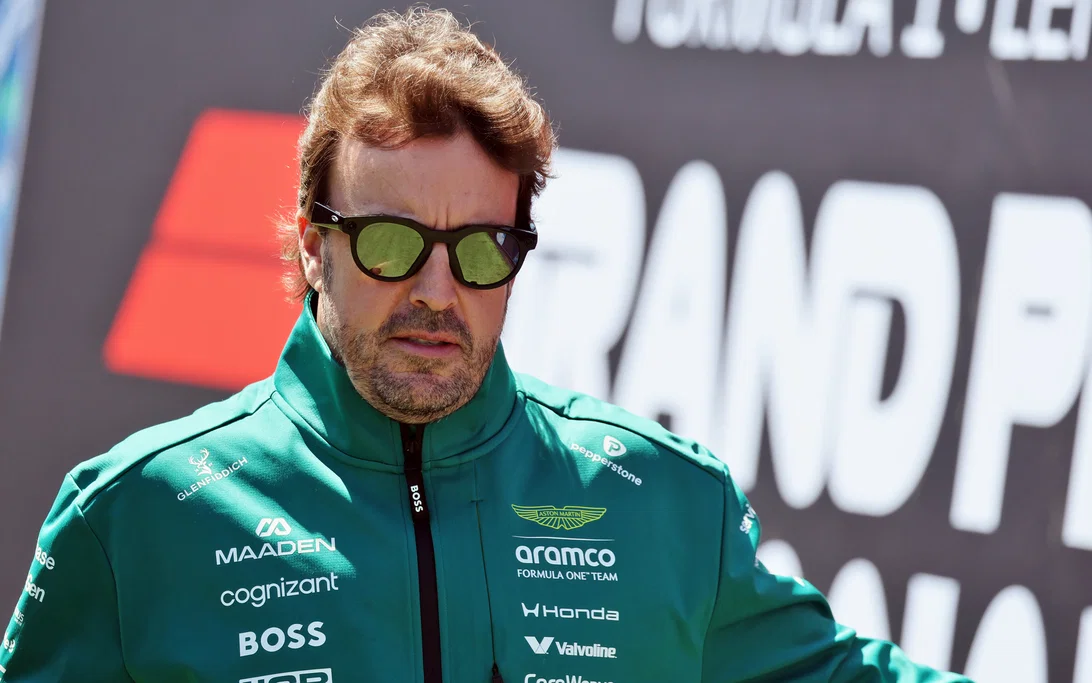

Fernando Alonso was forced to terminate his participation in the Canadian Grand Prix prematurely after suffering from unbearable acute back pain. This physical ailment stems from a technical issue with the seat design of the Aston Martin AMR26, which created a specific pressure point on the driver's back. The decision to retire was made once it became clear that rain would not fall, effectively ending any chance of a competitive result.
Aston Martin Chief Trackside Officer Mike Krack revealed that the team is investigating a theory that an overly low driving position is the primary cause. According to Krack, the team's efforts to minimize the center of gravity and optimize airflow over the cockpit may have reached an extreme limit that compromised driver ergonomics. This issue is reported to have caused discomfort for Alonso for some time, but only reached a critical "showstopper" level during the event in Montreal.
Ergonomic Analysis of the AMR26 Reclined Position
The trend in cockpit design over recent years in Formula 1">Formula 1 has shifted driver seating toward a more reclined or lying position to enhance aerodynamic efficiency. As reported by RacingNews365, Mike Krack admitted that the team needs to re-evaluate whether the seating position in the AMR26 has gone a step too far. "He has been uncomfortable for a while, and never to the point where it was really a showstopper, but it's like a pressure point where you feel it gets worse and worse," Krack stated in his interview.
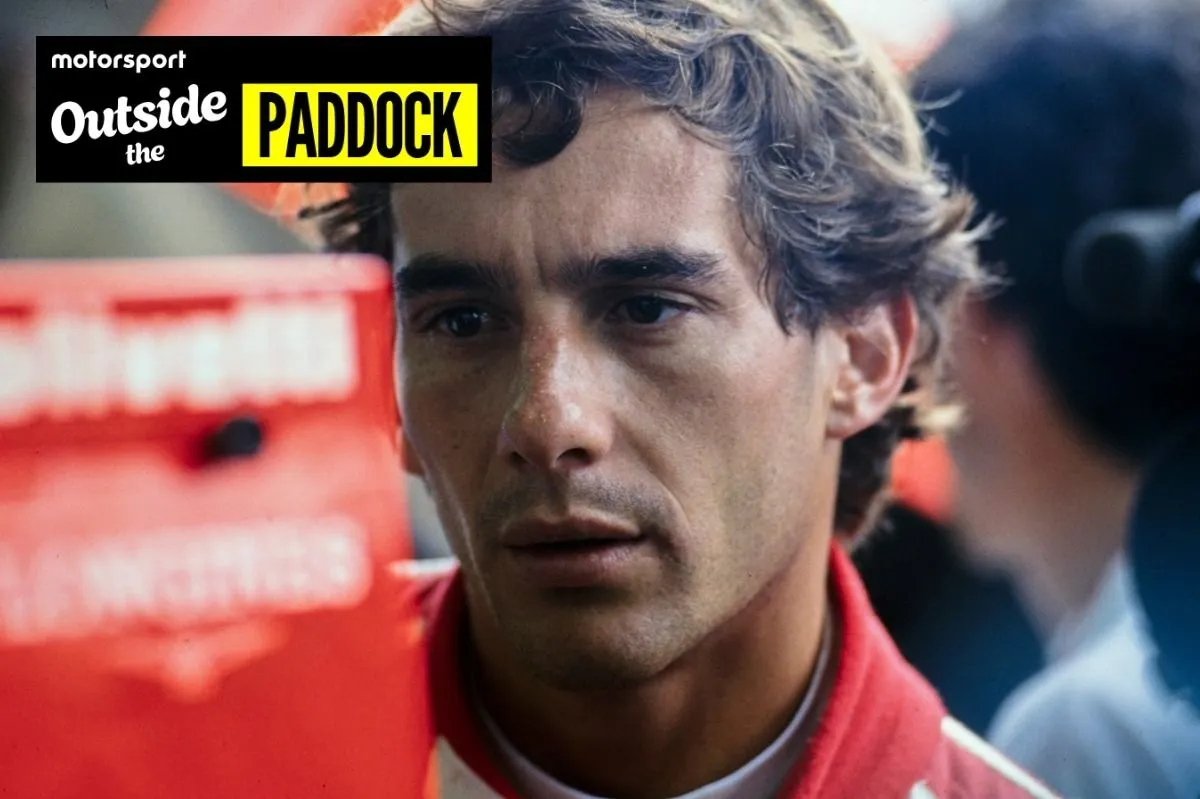
Technically, a seating position that is too reclined increases the pressure load on the lumbar region of the back when subjected to high G-forces, particularly during heavy braking and high-speed corners. If the angle of the seat is too extreme, the body's weight distribution is no longer evenly supported by the seat structure, but instead concentrates on a single nerve or muscle point. This is believed to be the trigger for the back pain flare-up experienced by Alonso at the Circuit Gilles Villeneuve, ultimately destabilizing the driver's physical condition throughout the race.
Strategic Calculations and Physical Risk Management
Alonso's retirement from the race was not merely a medical decision but a strategic calculation based on track position. Had Alonso been fighting at the front of the field, it is highly likely he would have pushed through the pain to finish the race. However, given his position toward the back of the field, the risk of long-term injury from straining a pained back was deemed disproportionate to the potential points gain.
Alonso's absence from the remainder of the race provides crucial data for the Silverstone-based team to modify the driver's seat mold. Adjusting the seat angle will be a top priority to ensure Alonso can return to peak performance without sacrificing the car's aerodynamic efficiency. The team must now find a balance between the technical requirement of keeping the head position as low as possible to reduce drag and the ergonomic need to prevent physical injury to the driver.
This issue serves as a serious warning for Aston Martin in the development of the AMR26, proving that the optimization of engine and aero performance must not overlook human factors. Failure to manage seat ergonomics not only affects comfort but directly impacts the driver's ability to extract the full limit of the car. With Alonso's extensive experience in chassis development, his input regarding the seat's pressure points will be vital data for future technical iterations to avoid similar incidents in upcoming rounds.
Baca Juga
Simak analisis lengkap investasi bisnis terbaru Lando Norris di platform VIP Seat Unique. Baca detail valuasi dan strategi ekspansinya di sini.
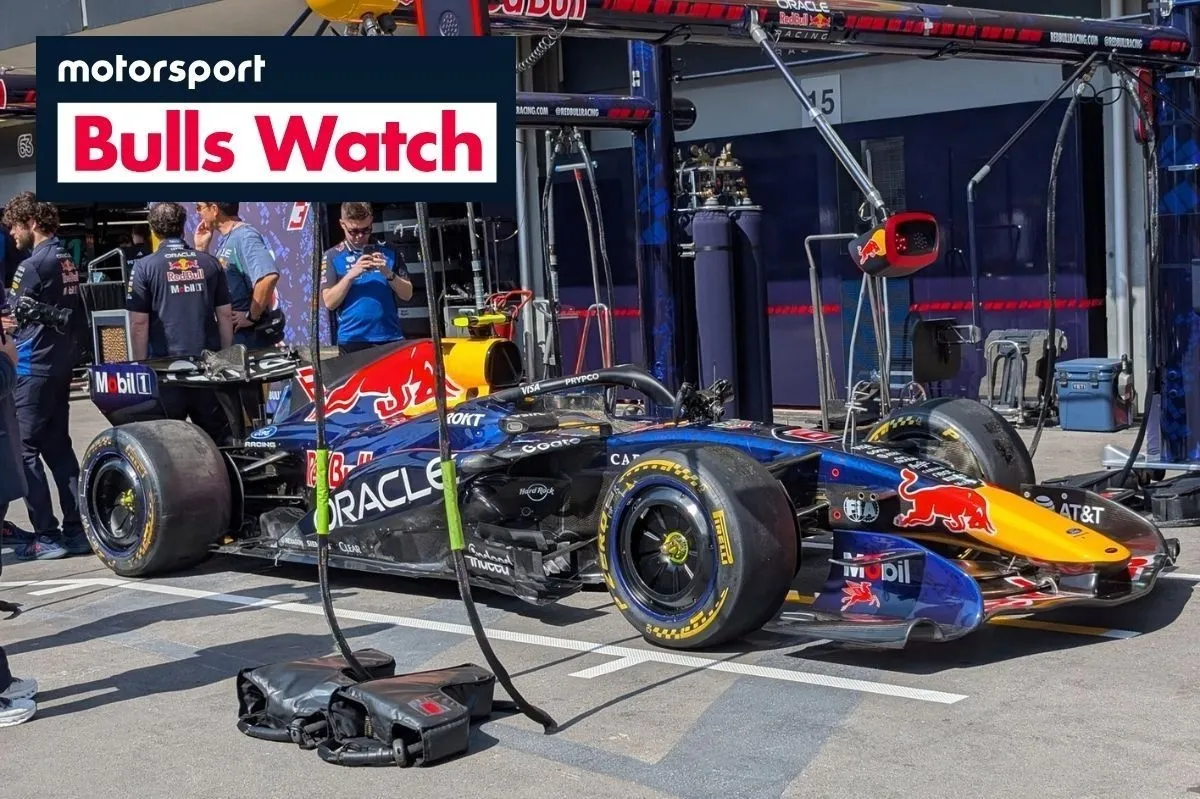
FIA siap tutup celah aerodinamika cerdas Red Bull untuk regulasi F1 2027. Simak analisis teknis lengkap dan dampaknya di sini!

Christian Horner kritik hilangnya identitas pemberontak Red Bull Racing di bawah manajemen baru. Baca analisis mendalam perpindahan kekuasaan F1 di sini!
 Lanjutkan dengan Google
Diskusi & Komentar (0)
Mari Bergabung dalam Diskusi!
Masuk dengan mudah untuk mulai memberikan komentar, membalas, dan berinteraksi dengan pembaca lainnya.
Komentar Terbaru
Belum ada komentar. Jadilah yang pertama!