






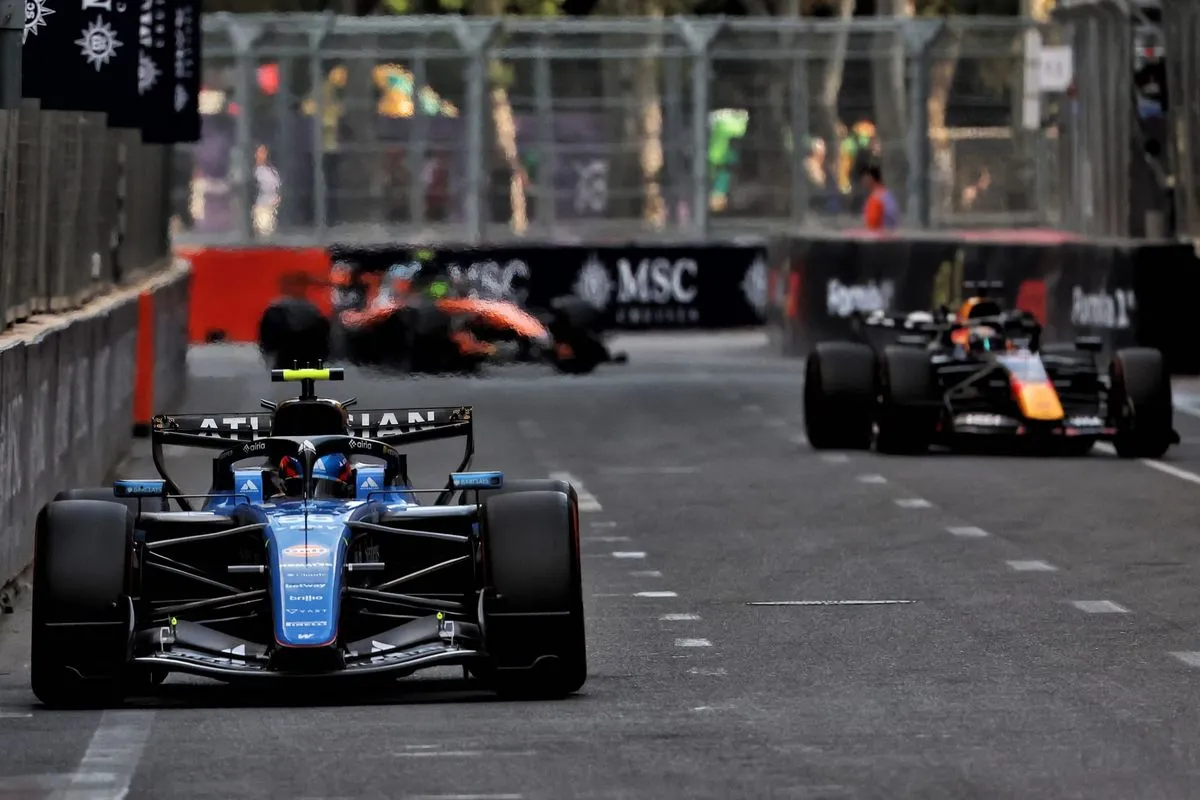

Formula 1 is currently facing an intense debate regarding the dominance of powerhouse squads that appears increasingly difficult for midfield and backmarker outfits to challenge. James Vowles serving as the team principal for Williams has openly presented historical data indicating that the sport's big-four teams—namely Mercedes, Ferrari, Red Bull, and McLaren—are becoming even more dominant than ever compared to the pre-cost-cap era.
This situation has reportedly left the remaining outfits trapped within what is described as a cost-cap trap. Vowles has consequently pushed for the proposal of a catch-up system ideally targeted for implementation by the 2027 season in order to foster a more competitive playing field across the grid.
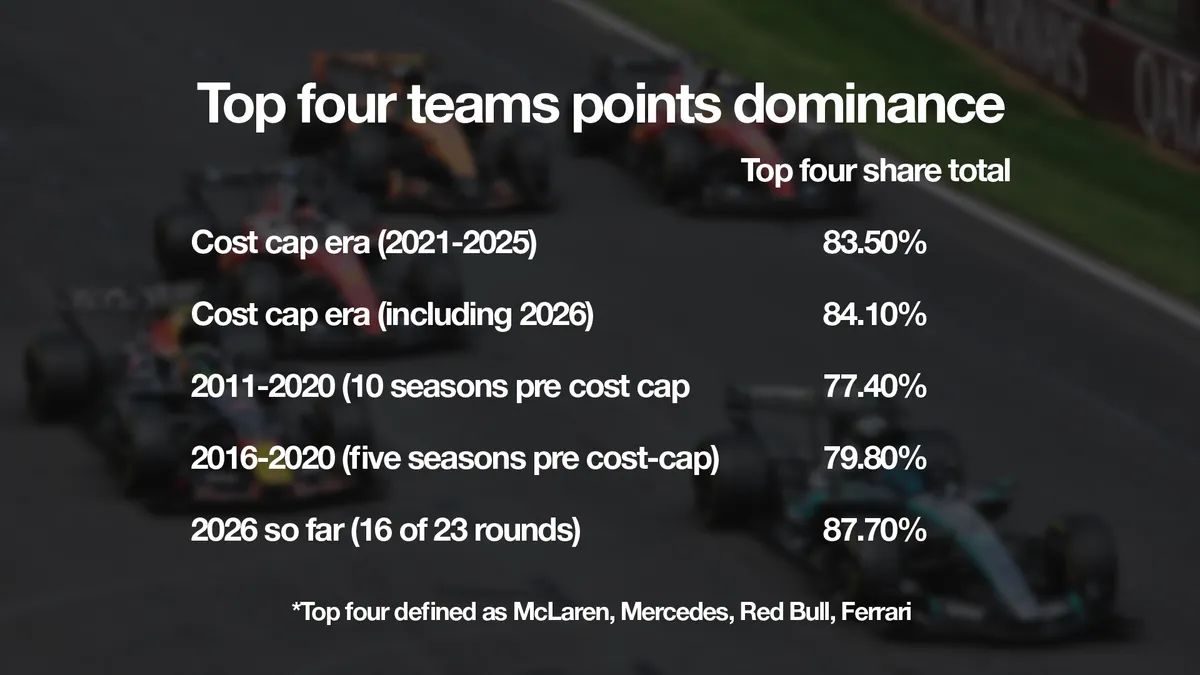
Speaking during the race weekend at the Singapore Grand Prix, Vowles emphasized that the field is not compressing as some might believe. He noted that across the ten seasons prior to the introduction of the cost cap from 2011 to 2020, the big four secured 77 percent of the available points, whereas that figure climbed to 83 percent across the subsequent five seasons under the financial regulations.
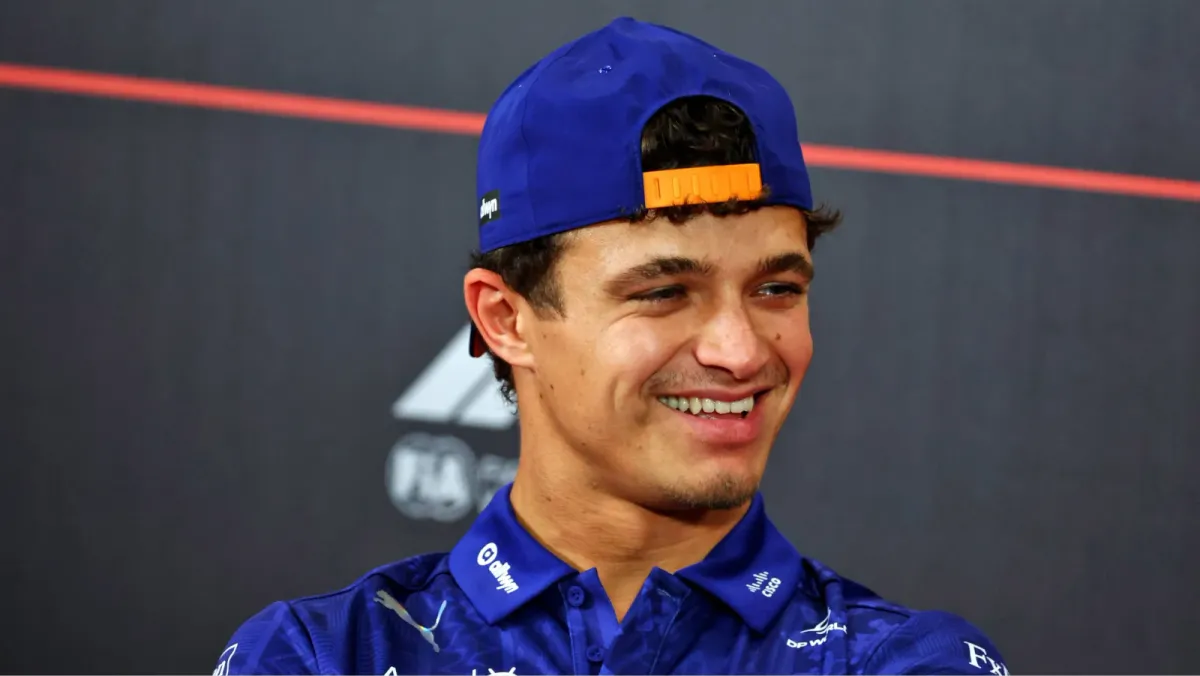
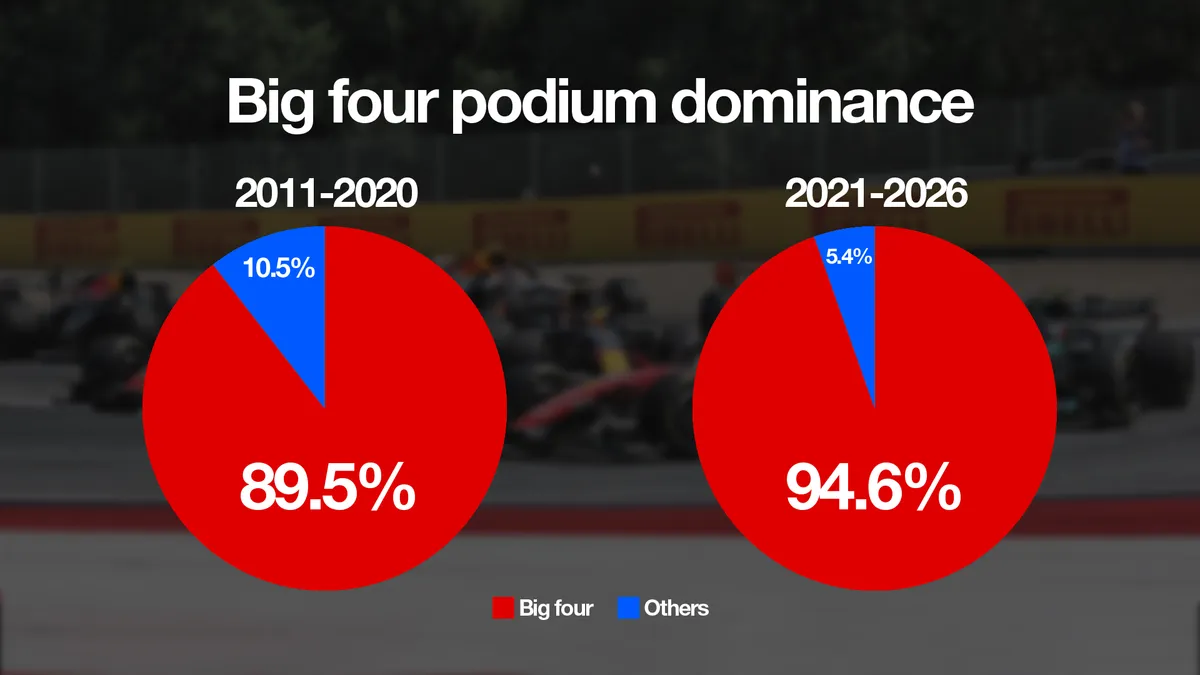
Furthermore, Vowles added, "The field isn't compressing - you don't have to use my stats, you can go and look it all up. There are less points scored now by the bottom either five or six teams, depending on how you count it, and the top four is scoring more in cost cap than they were before. It already tells you it's the other way round, you don't need me to tell you it's there."
While a deeper examination of historical records reveals that historical fluctuations like McLaren's struggles in the 2010s heavily influence these averages, the data consistently demonstrates that the anticipated catch-up effect promised alongside the introduction of the cost cap has simply failed to materialize in modern Formula 1.
Baca Juga
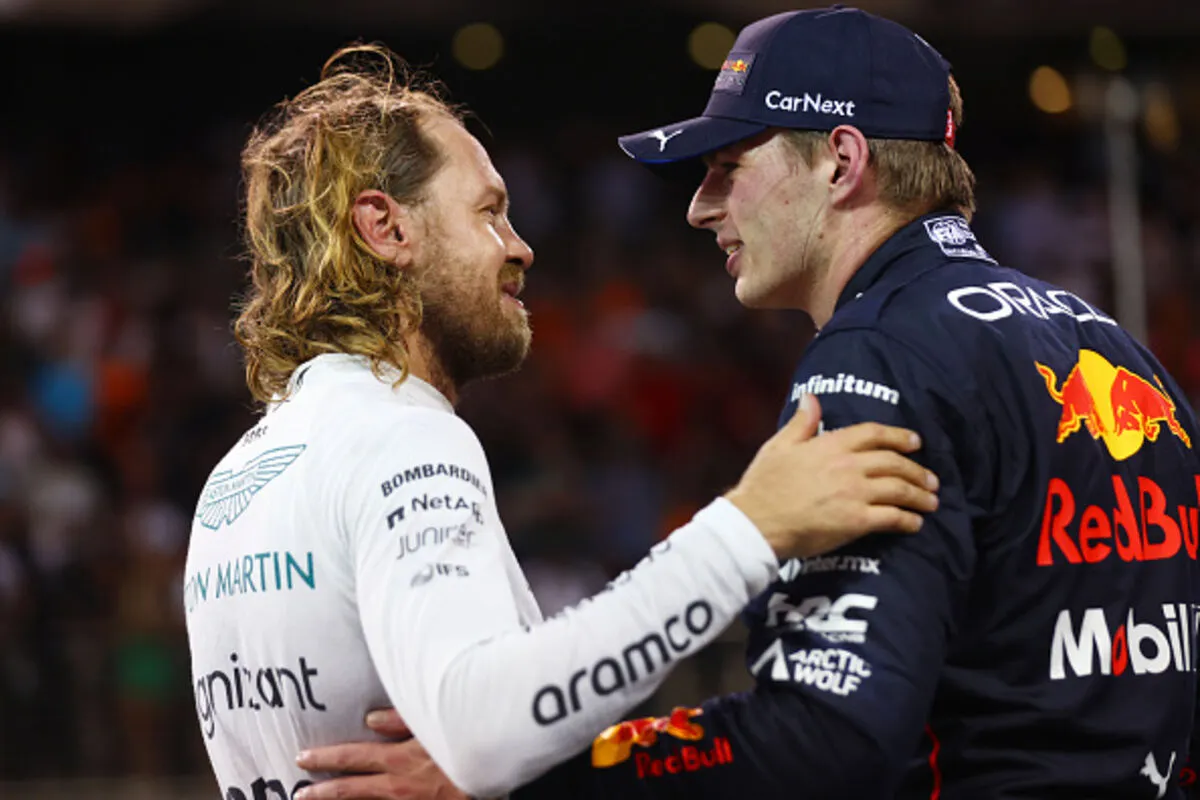
Tanggal 9 Oktober menjadi hari bersejarah bagi Red Bull di Formula 1, merayakan gelar juara dunia Sebastian Vettel dan Max Verstappen di Suzuka.
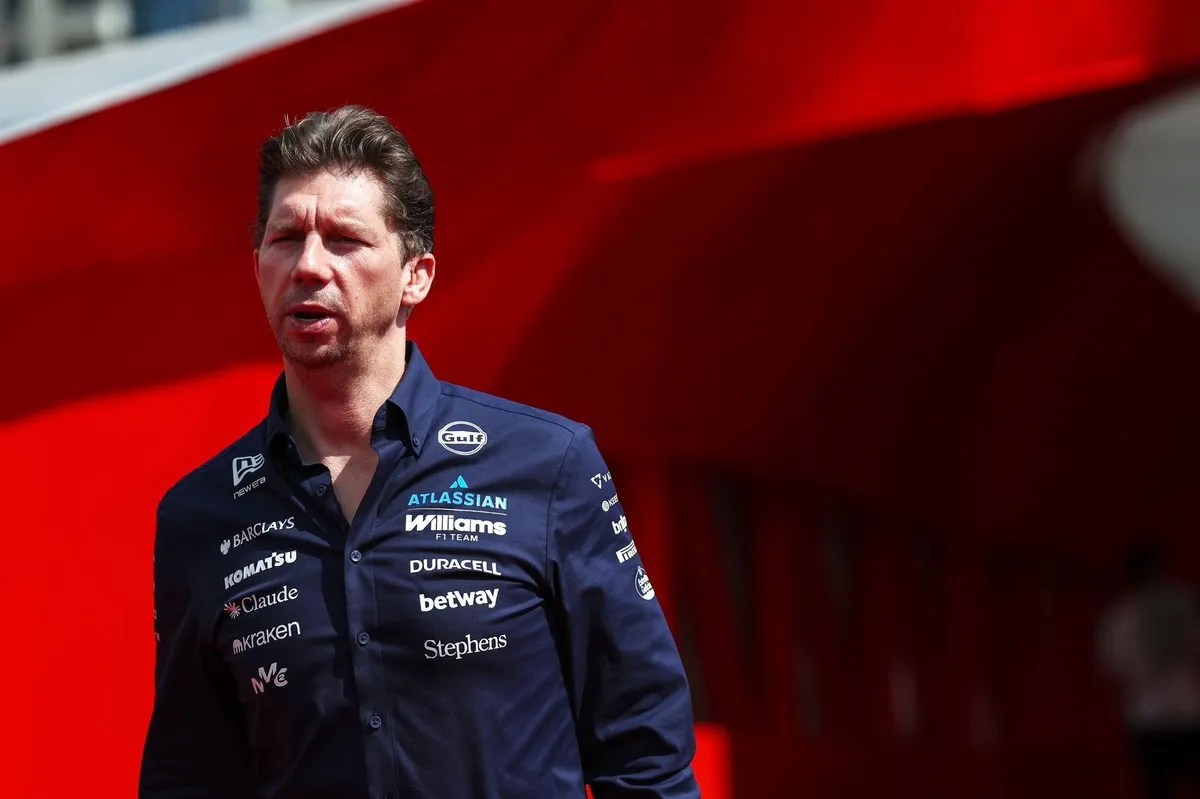
James Vowles jelaskan alasan mendesak peninjauan ulang cost cap F1 demi mengatasi ketimpangan fasilitas infrastruktur antar tim.

Lewis Hamilton bertekad raih pole di GP Singapura, update teknis Mercedes, Leclerc soroti SF-26, dan berita terkini paddock Formula 1.
 Lanjutkan dengan Google
Diskusi & Komentar (0)
Mari Bergabung dalam Diskusi!
Masuk dengan mudah untuk mulai memberikan komentar, membalas, dan berinteraksi dengan pembaca lainnya.
Komentar Terbaru
Belum ada komentar. Jadilah yang pertama!