






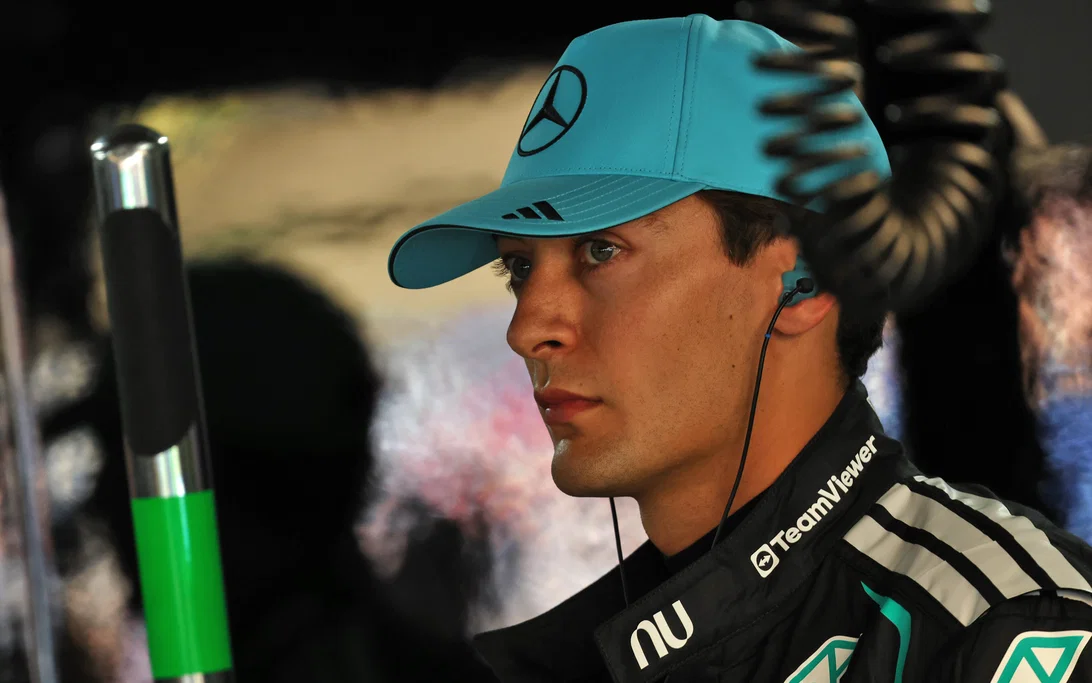

Mercedes primary operational asset George Russell has publicly voiced extreme tactical confusion and analytical frustration following the grid-setting hour for the 2026 Monaco Grand Prix. The British driver only managed to secure the sixth starting position for Sunday's feature race, presenting a severe performance anomaly when directly contrasted with the achievement of his teammate, Kimi Antonelli, who successfully locked out pole position. The inability to extract maximum mechanical traction from the W17 chassis around the tight Monte Carlo street circuit triggers a massive engineering query within the Brackley-based operational garage ahead of the demanding 78-lap distance.
Analytically, Russell's tracking metrics demonstrate a sharp lap-time degradation curve when measured against his performance parameters at the start of the 2026 competitive calendar. Based on early-season telemetry, Russell dominated free practice through qualifying loops, consistently occupying the top two classifications across all timing monitors. However, this positive mechanical chassis balance has completely evaporated over the last three grand prix weekends. Russell openly admitted factually that he was forced to fight extremely hard, even during the Canadian Grand Prix, to register a viable sector delta. He classified those previous sector times as tactical luck executed during the precise tire temperature release window rather than pure chassis velocity dominance.
The championship implications of this ongoing mechanical anomaly directly threaten Russell's current title campaign trajectory. Following an agonizing reliability-induced retirement (DNF) in Canada, Russell now stares into a massive 43-point deficit within the Formula 1 drivers' championship standings. Securing only a sixth-place launch slot at the Monaco circuit—an architectural layout that provides virtually zero clean overtaking parameters under green-flag conditions—further restricts his mathematical probability of closing the points gap to Antonelli and his primary Ferrari or Red Bull Racing rivals occupying the front rows of the grid.
Russell's initial technical investigation points toward a direct correlation between the specific chassis design changes incorporated this year and his natural driving inputs. The central weight distribution characteristics and aerodynamic balance threshold of the W17 chassis appear to no longer align with the precise steering geometry that served as Russell's baseline advantage in the previous season. Conversely, the suspension software modifications and mechanical architecture deployed this year resonate perfectly with Antonelli's driving profile, which demands rear rotational stability. This compatibility deviation effectively generates a massive lap time delta between the two sides of the Mercedes garage.
Despite fully acknowledging the clear misalignment between his mechanical driving inputs and the latest aerodynamic chassis characteristics, Russell confirmed his professional commitment to immediately recalibrate his operational techniques within the simulator infrastructure. The British driver is technically required to identify a new operating window to adapt to the heavy slow-corner limitations of the W17 package. However, this driving-style resolution still fails to provide a concrete engineering answer as to why the chassis functioned with absolute efficiency during the opening rounds but suddenly lost its thermal and mechanical operational range over the last three competitive outings.
Baca Juga
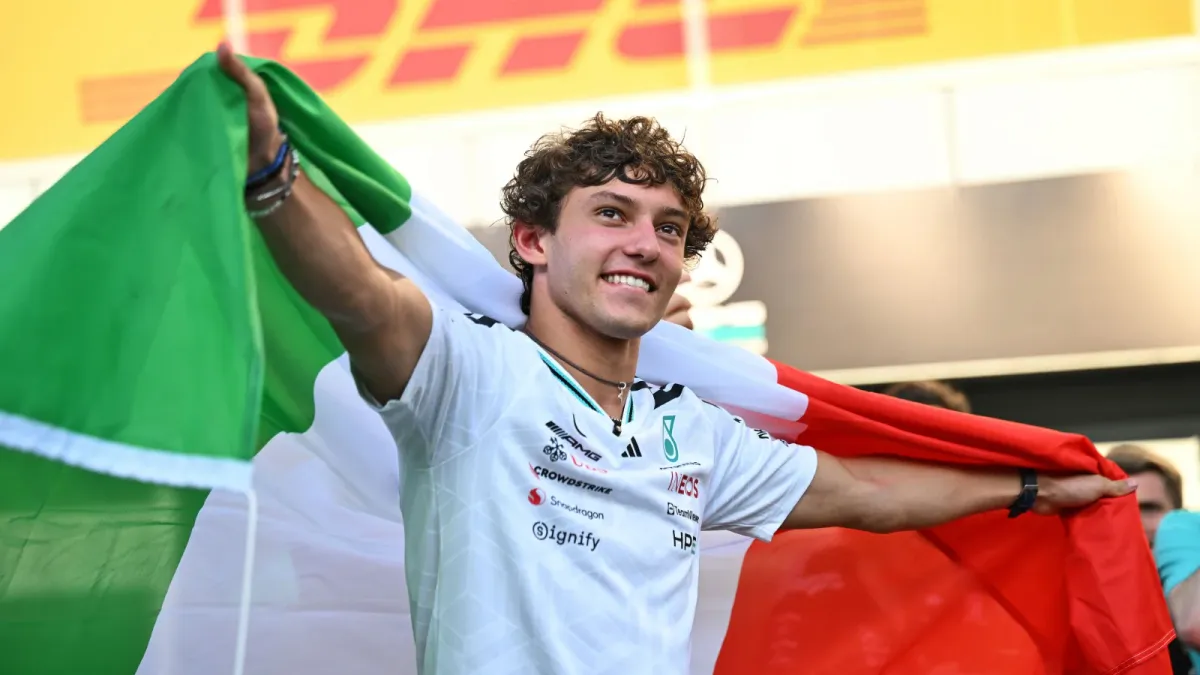
Kimi Antonelli berpeluang kunci gelar juara dunia F1 termuda di GP Amerika Serikat. Simak analisis skenario poin lengkap dan peluang emasnya di sini!
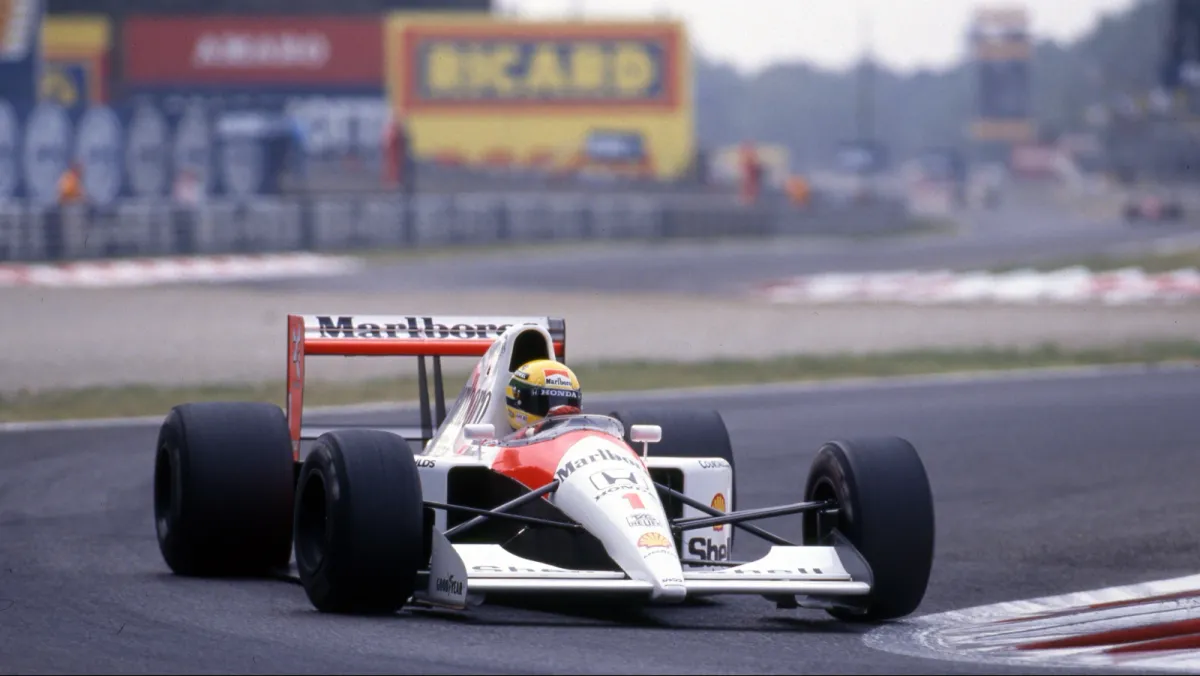
McLaren resmi melepas lima mobil F1 bersejarah termasuk sasis legendaris Ayrton Senna. Simak analisis nilai sejarah dan estimasi harganya di sini.
Sentronics gugat Allengra ke pengadilan Texas terkait pelanggaran paten sensor bahan bakar F1 2026. Baca analisis hukum lengkapnya di sini.
 Lanjutkan dengan Google
Diskusi & Komentar (0)
Mari Bergabung dalam Diskusi!
Masuk dengan mudah untuk mulai memberikan komentar, membalas, dan berinteraksi dengan pembaca lainnya.
Komentar Terbaru
Belum ada komentar. Jadilah yang pertama!