







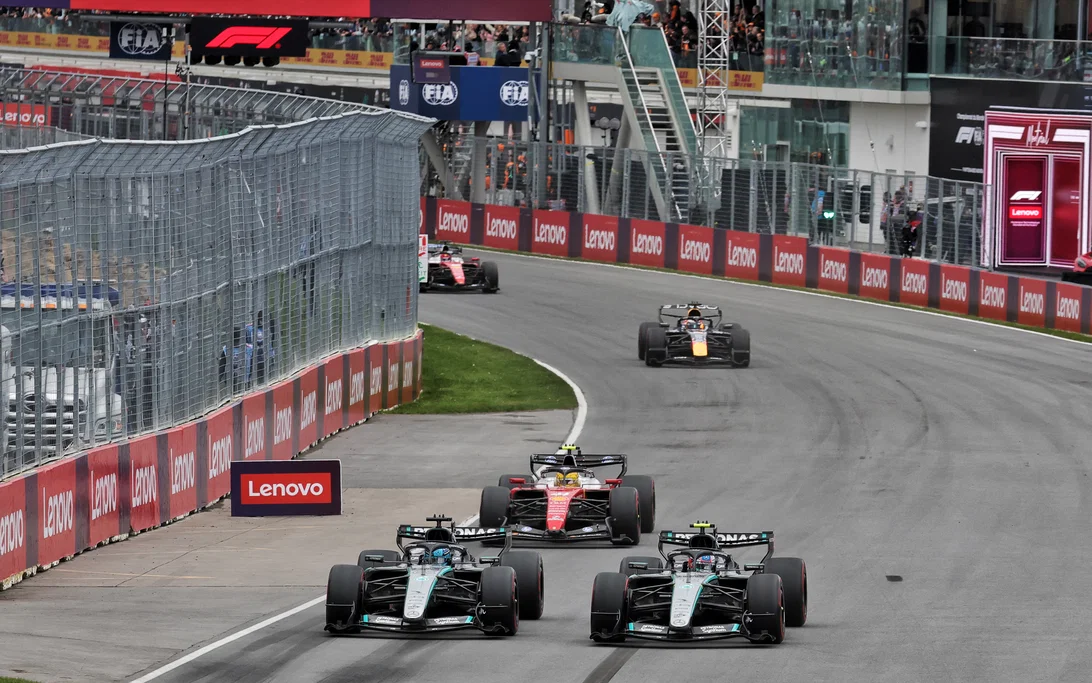

George Russell has defended the effectiveness of the current Formula 1 power units following an intense wheel-to-wheel battle with teammate Kimi Antonelli at the Canadian Grand Prix. While a power unit failure eventually forced Russell's retirement, the high-intensity performance of the engines during the competitive phase of the race has become a focal point in the debate over future engine regulations.
The Mercedes duo engaged in a fierce struggle for the lead throughout the opening half of the race, trading positions on multiple occasions. This specific combat serves as Russell's primary evidence against claims that the current power unit configurations hinder close-quarters racing. The battle in Montreal highlighted the ability of the current machinery to maintain pace while fighting in direct proximity, countering arguments that the cars are too reliant on strategic energy management.
The technical debate centers on the current reliance on battery deployment, which critics argue limits a driver's ability to attack or defend effectively. There have been proposals within the paddock to shift toward a 60/40 power split for the next cycle, which would increase the output of the internal combustion engine relative to the electrical recovery system. Such a change aims to reduce the dependence on hybrid deployment, though Russell suggests this move is unnecessary given the quality of racing witnessed so far.
In his analysis, Russell compared the intensity of the fight with Antonelli to the historic battles between Lewis Hamilton and Nico Rosberg during the 2014 Bahrain Grand Prix. He argued that the current power units are specifically designed to facilitate this level of competition, citing similar high-stakes battles in Melbourne and China. For Russell, the current technical balance provides the necessary tools for drivers to engage in aggressive maneuvers without compromising overall stability.
From a technical perspective, the tension lies in the balance between the MGU-K and MGU-H energy recovery systems. While a higher combustion engine output would simplify energy management, Russell believes the current complexity allows for a more dynamic racing environment. The ability to deploy energy strategically during wheel-to-wheel combat creates a layer of tactical depth that would be diminished if the power delivery became too linear or simplified.
However, the reliability of these units remains a critical vulnerability. The irony of Russell's defense is that his own race ended prematurely due to a power unit failure. This failure underscores the ongoing conflict between maximizing peak performance and maintaining the durability required to finish a race. While the performance ceiling of the power unit is high enough to allow for spectacular battles, the reliability gap remains a significant hurdle for the team's overall consistency.
The impact of the Canadian Grand Prix is reflected in the current drivers' championship standings. Following his retirement, Russell now trails Antonelli by 43 points, significantly hindering his pursuit of the title. This point gap increases the pressure on the technical department to ensure that the power unit's reliability matches its performance capabilities ahead of the upcoming rounds to avoid further championship erosion.
Baca Juga
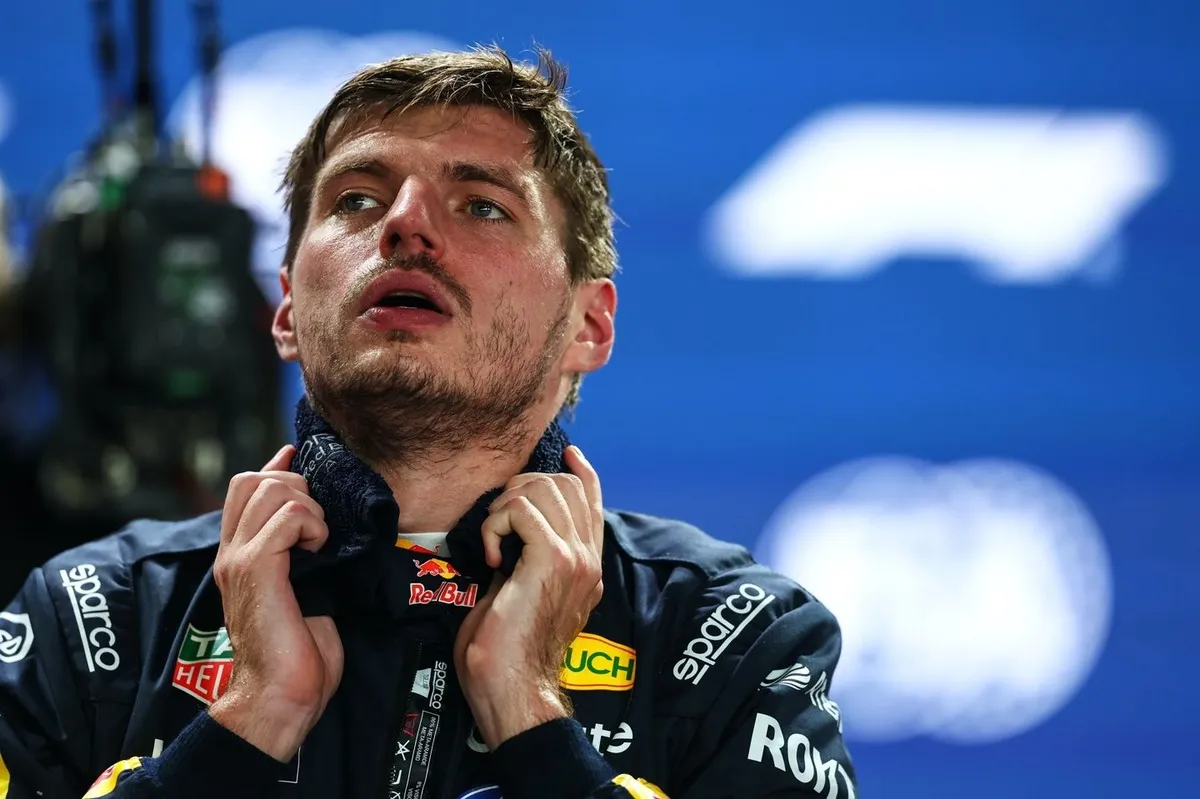
Simak analisis mendalam perebutan pole position GP Singapura 2026, keunggulan kecepatan Red Bull, dan strategi Ferrari. Baca selengkapnya di sini!
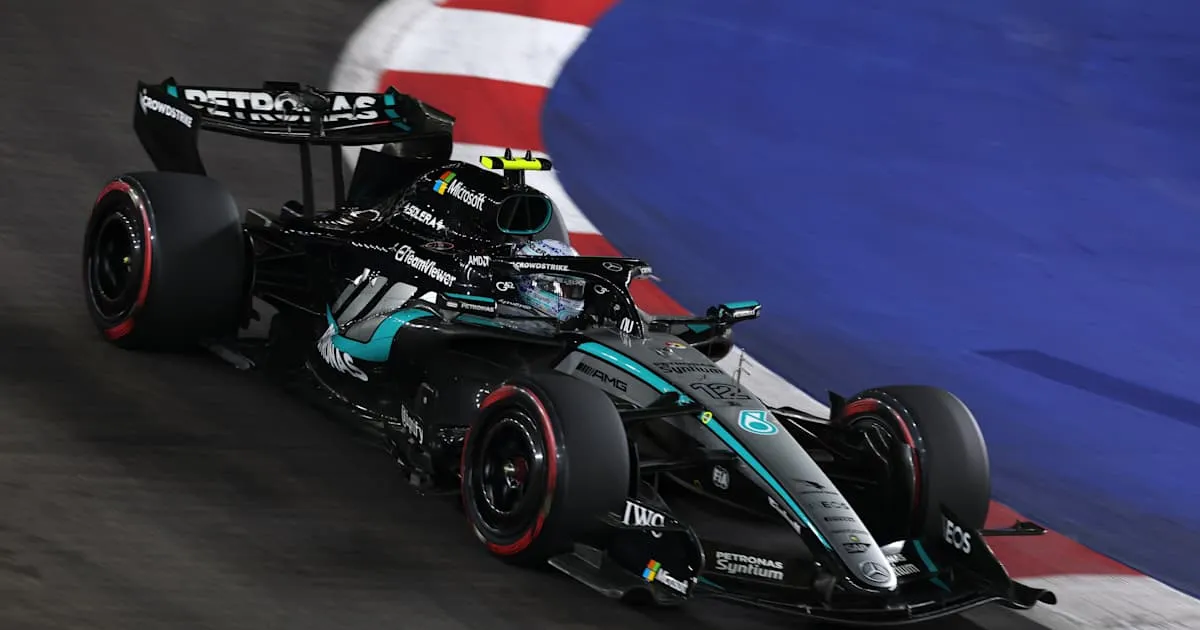
Simak analisis lengkap perjuangan Kimi Antonelli bersama paket Evo Mercedes di F1 GP Singapura 2026. Baca ulasan mendalam dan strategi balap di sini.
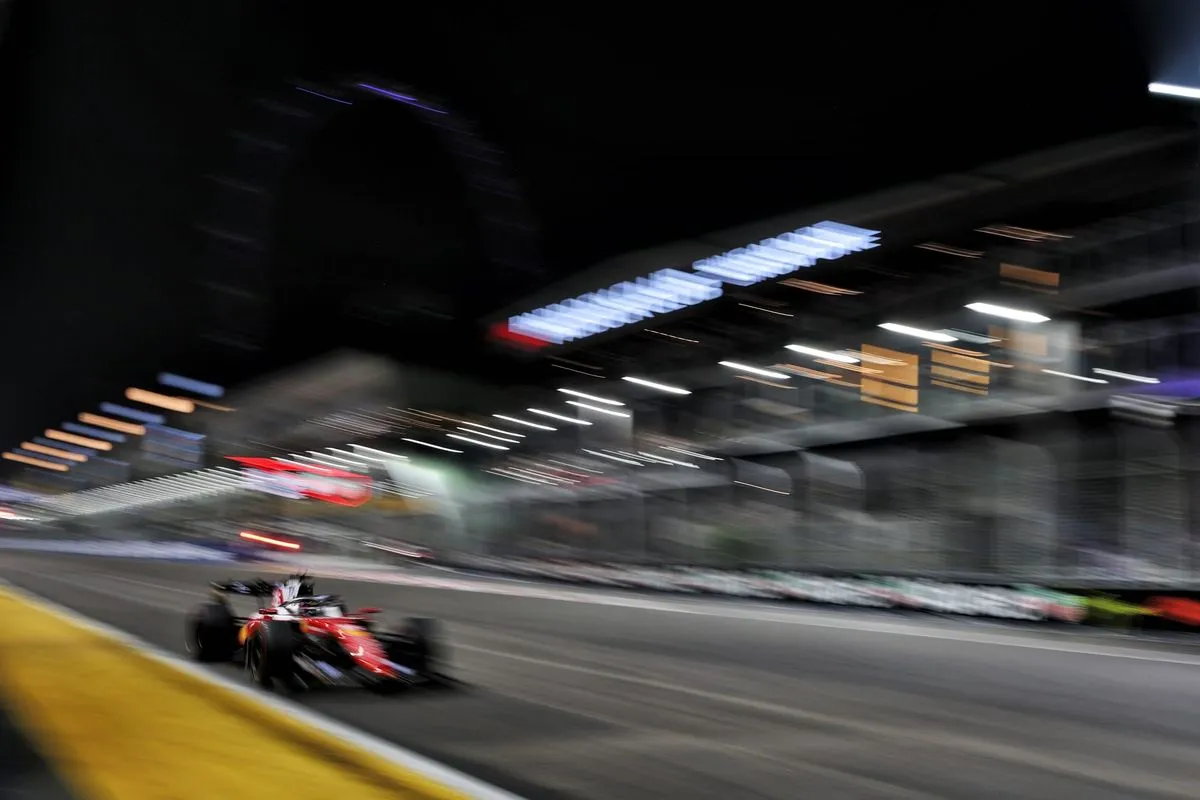
Simak analisis lengkap F1 GP Singapura 2026 bagaimana Ferrari melepas pole position ke tangan Max Verstappen. Baca ulasan mendalam di sini!
 Lanjutkan dengan Google
Diskusi & Komentar (0)
Mari Bergabung dalam Diskusi!
Masuk dengan mudah untuk mulai memberikan komentar, membalas, dan berinteraksi dengan pembaca lainnya.
Komentar Terbaru
Belum ada komentar. Jadilah yang pertama!