







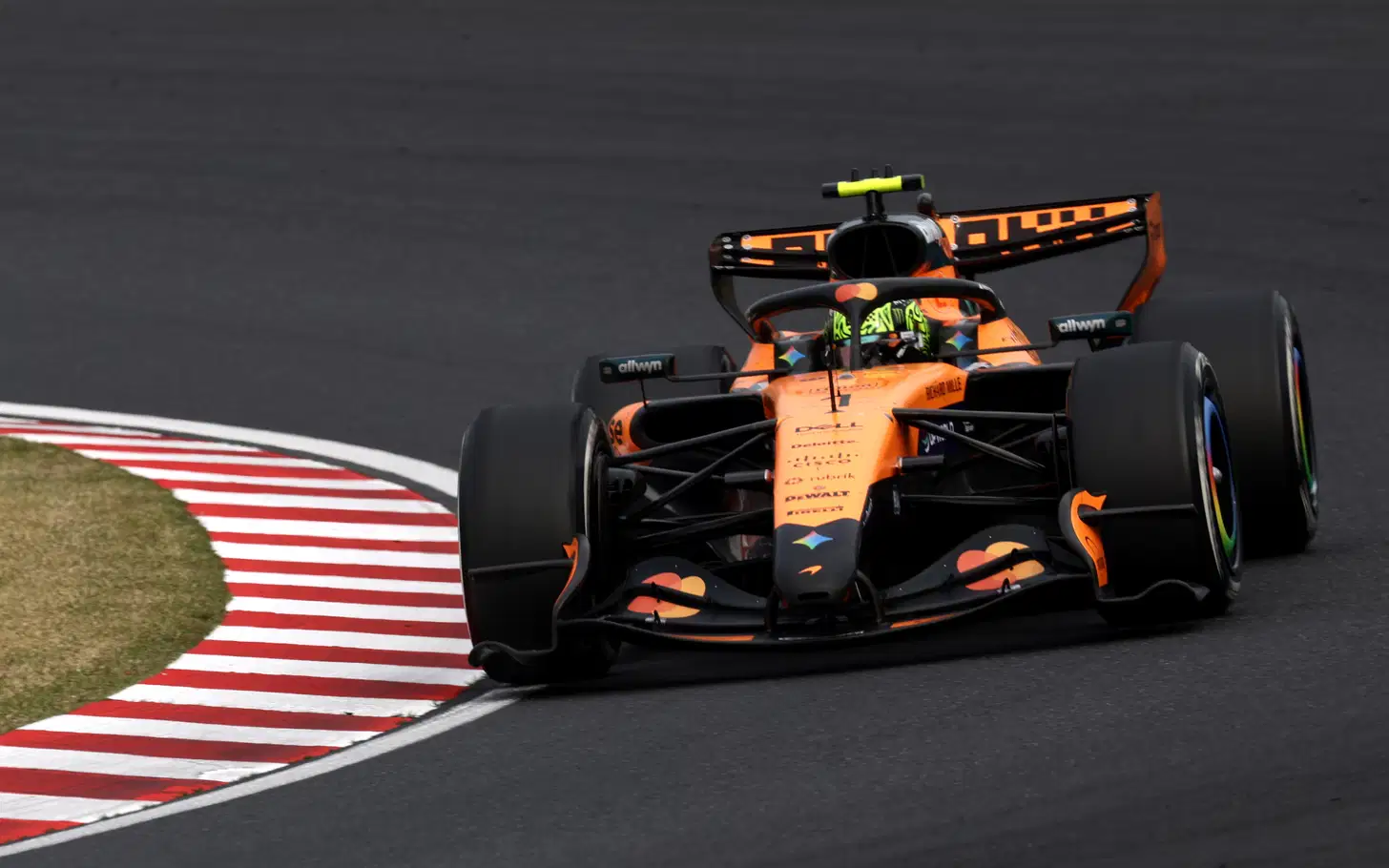

Formula 1, Sportrik Media - McLaren chief designer Rob Marshall has outlined the team’s approach to analysing and, where relevant, “copying” rival developments amid the early phase of the 2026 Formula 1 chassis regulations.
With the new regulatory cycle still evolving, teams have scope to unlock significant performance gains through upgrades. McLaren is preparing a major development package for the MCL40 across the Miami and Canadian Grands Prix, while closely monitoring innovations from competitors such as Ferrari, Audi, and Aston Martin, including distinctive aerodynamic concepts that have attracted attention.
Marshall explained that evaluating rival solutions is a fundamental part of the engineering process in Formula 1. Each concept is assessed against regulatory constraints and then analysed using simulation tools such as CFD and wind tunnel testing where appropriate.
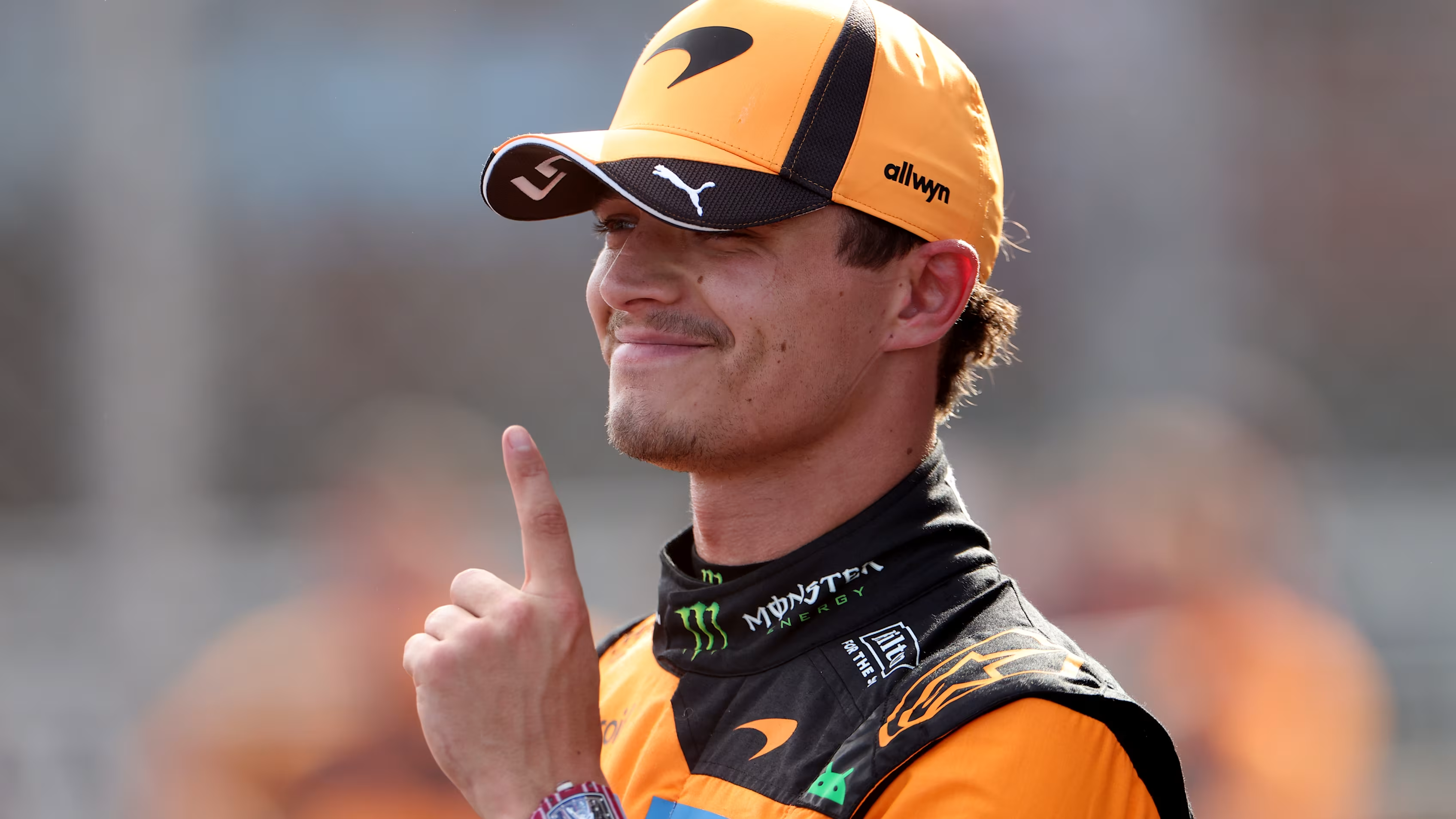
"We look at everything; some ideas are quickly ruled out when you consider the regulations, but others remain open," Marshall said.
"Some go as far as wind tunnel or CFD testing, while others are more theoretical exercises to determine whether they would benefit our car."
He also addressed the long-standing perception that copying rival designs is ineffective due to differences in car architecture. Marshall argued that history demonstrates otherwise, citing the widespread adoption of the double diffuser concept in 2009 as a key example.
"There is a common phrase in Formula 1 that copying doesn’t work, that what works on one car won’t work on another, but that’s not necessarily true."
"The double diffuser worked on one car, and everyone copied it, so copying is just part of Formula 1."
Marshall emphasised that the critical factor lies not in replicating a visible concept, but in understanding the underlying engineering intent. Without that depth of analysis, implementation risks being superficial and ineffective.
"The real challenge is understanding what the other team is trying to achieve. You can copy something, but without that understanding, it won’t deliver the same result."
Through this approach, McLaren aims to build internal technical knowledge while combining external inspiration with original development. The balance between innovation and adaptation reflects the competitive engineering landscape of modern Formula 1, where marginal gains can define performance hierarchy.
As the 2026 season progresses, the effectiveness of McLaren’s upgrade strategy will become clearer, particularly as its major development packages are introduced in upcoming races, shaping its position within the competitive order.
Baca Juga
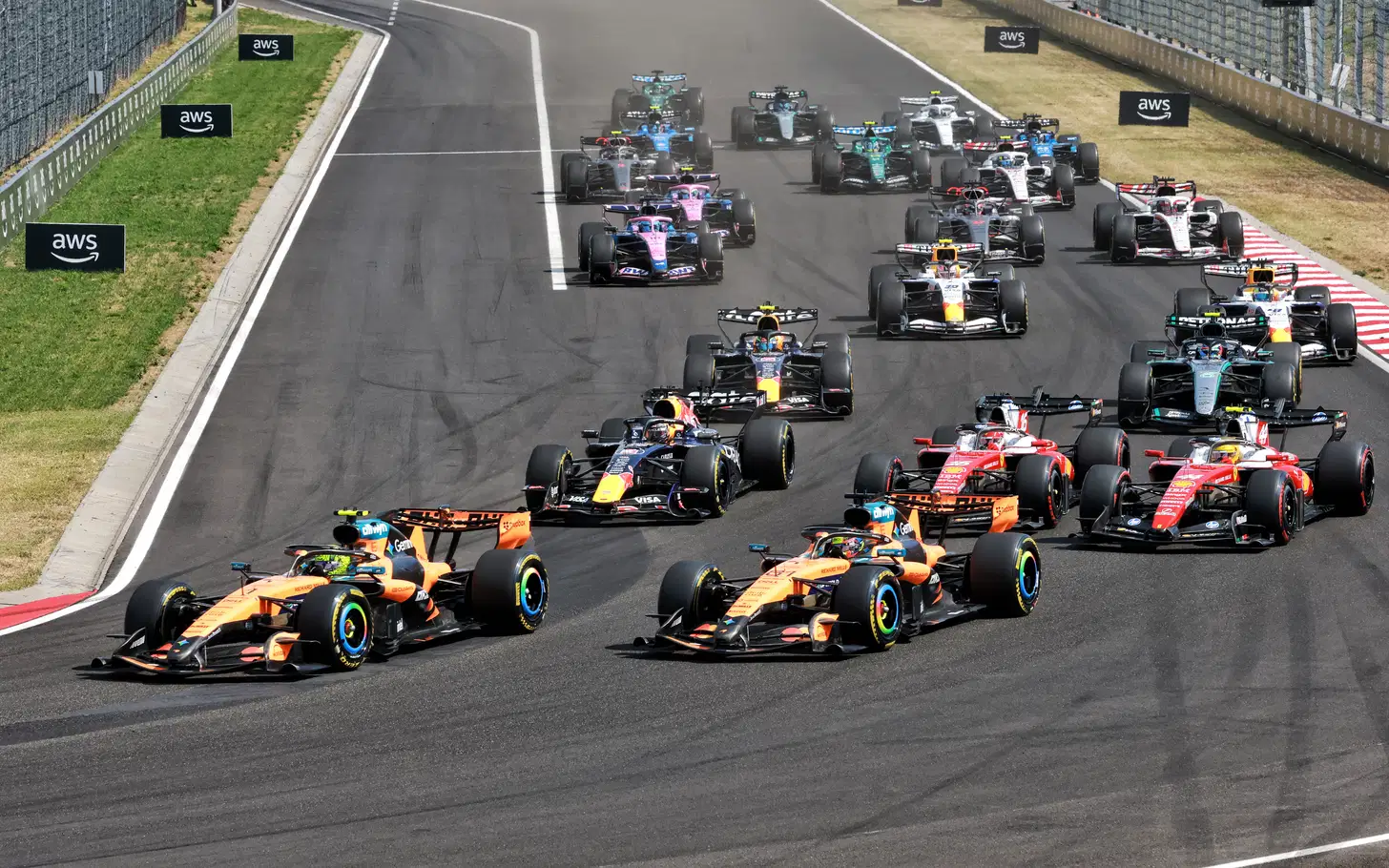
Kimi Antonelli memimpin klasemen F1 2026 dengan keunggulan 50 poin atas Lewis Hamilton setelah finis ketiga di Grand Prix Hungaria.
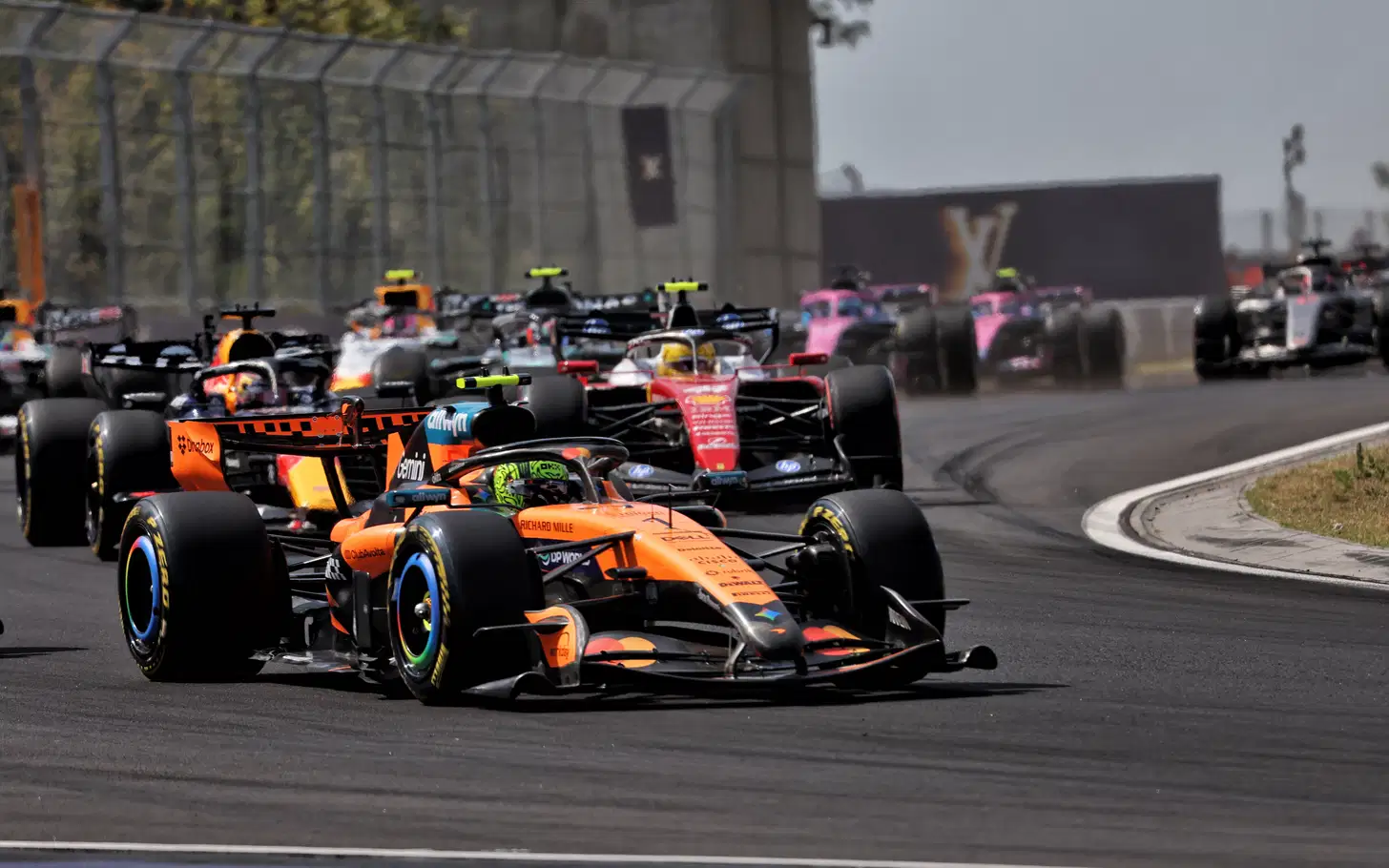
Lando Norris meraih kemenangan pertama musim ini di F1 Hungaria 2026 setelah Oscar Piastri kehilangan posisi akibat insiden dengan backmarker.
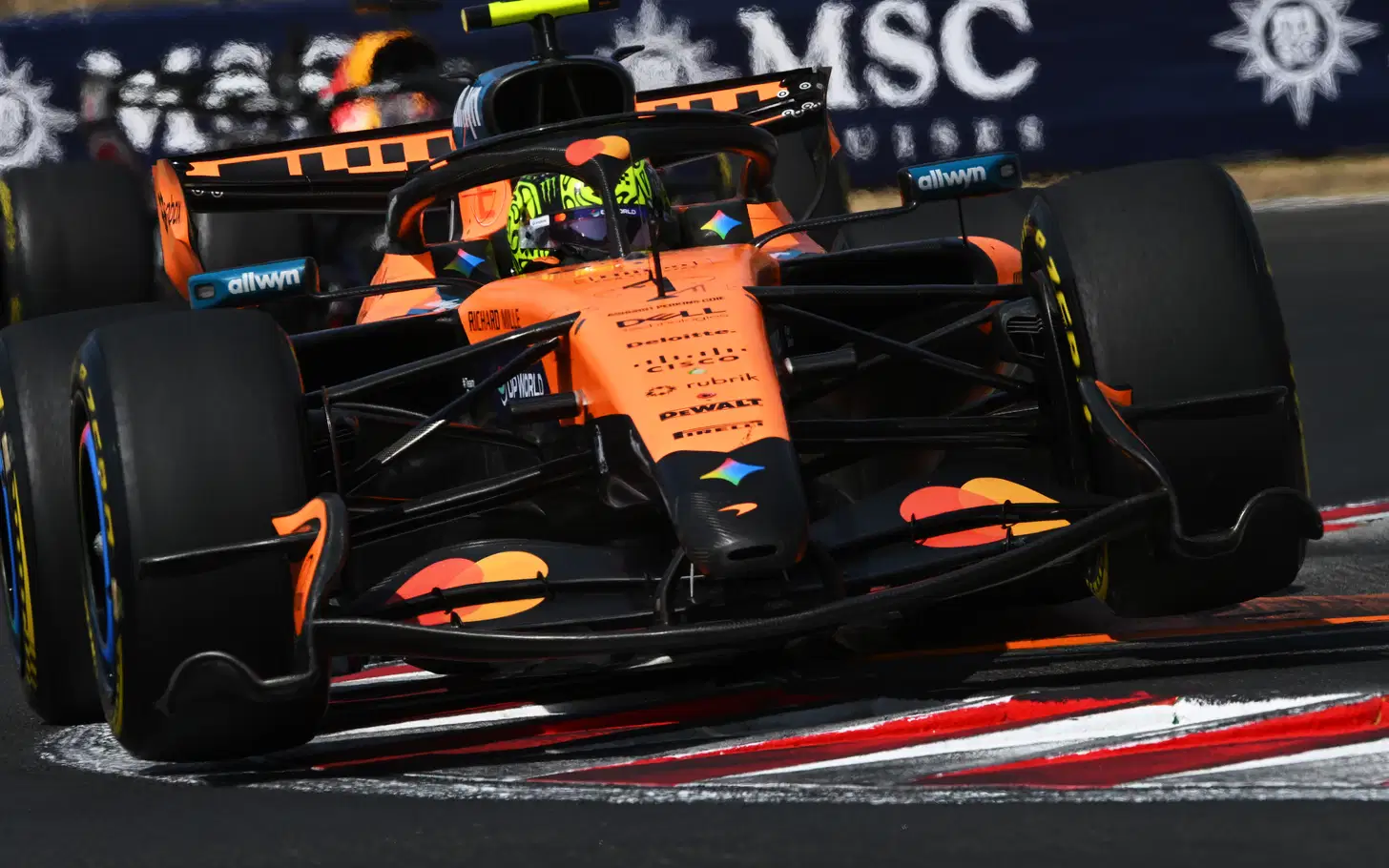
Lando Norris memenangi F1 Hungaria 2026 setelah Oscar Piastri gagal finis, dengan Max Verstappen dan Kimi Antonelli melengkapi podium.
 Lanjutkan dengan Google
Diskusi & Komentar (0)
Mari Bergabung dalam Diskusi!
Masuk dengan mudah untuk mulai memberikan komentar, membalas, dan berinteraksi dengan pembaca lainnya.
Komentar Terbaru
Belum ada komentar. Jadilah yang pertama!