








Wet weather tyre performance has once again become a hot topic in the Formula 1 paddock, following persistent criticisms from drivers in recent seasons regarding severe spray issues and extreme difficulties in bringing the rubber up to optimal operating temperatures. Addressing this ongoing challenge, the renowned supplier is actively working on a brand-new wet tyre specification tailored to meet upcoming technical demands.
The core issue revolves around massive water displacement that heavily compromises visibility for following cars, compounded by the struggle to keep the tread within its narrow operational window. Recognizing the urgency of these technical complaints, the Milan-based manufacturer initiated deep development work to satisfy both the governing body FIA and the competing grid.
Pirelli motorsport boss Dario Marrafuschi shed light on the rigorous engineering efforts currently underway inside the factory, emphasizing that the primary engineering focus targets the warm-up phase of intermediate compounds following extensive feedback from the drivers.
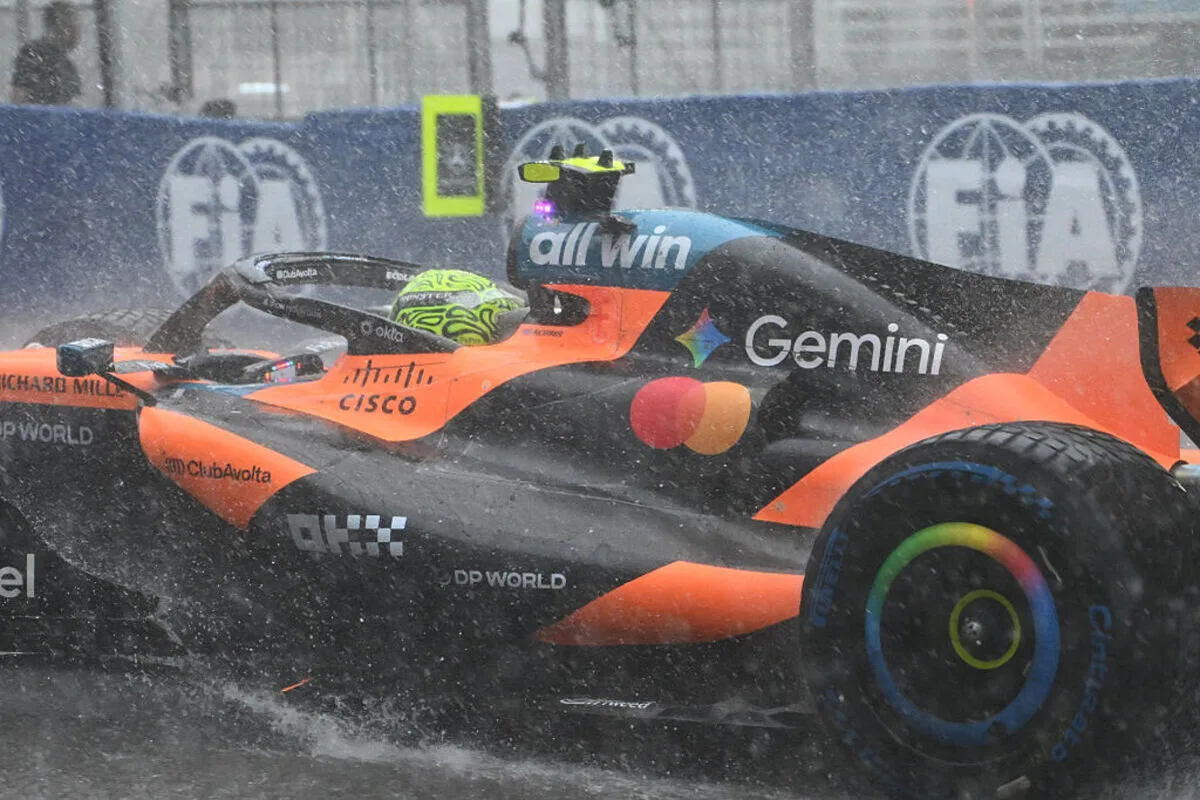
"Tyre development is ongoing and for next year we have a different specification," Marrafuschi told The-Race. "We are working specifically on the warm-up phase, particularly on intermediate tyres, following drivers' complaints. This does not mean we are not satisfied with this year's specs, because we had great races in Malaysia, Singapore, and also Brazil. But it is possible to optimize them."
Marrafuschi also pointed out that individual car setups and distinct driving styles heavily influence how quickly a machine generates thermal energy in wet conditions, creating noticeable variations across the pit lane.
"Clearly there are some cars or drivers, certain setups or whatever, that are more comfortable in one condition rather than another," Marrafuschi added. "We saw Lewis Hamilton start in a surprising way, without any warm-up issues. We know other drivers, right from the formation laps, were complaining about front-end warm-up. So, it also depends on the teams' setups."
The definitive specification for both full wet and intermediate compounds is scheduled to undergo formal homologation by the FIA in December, at which point comprehensive technical details regarding the structural interventions will be fully unveiled.
Baca Juga
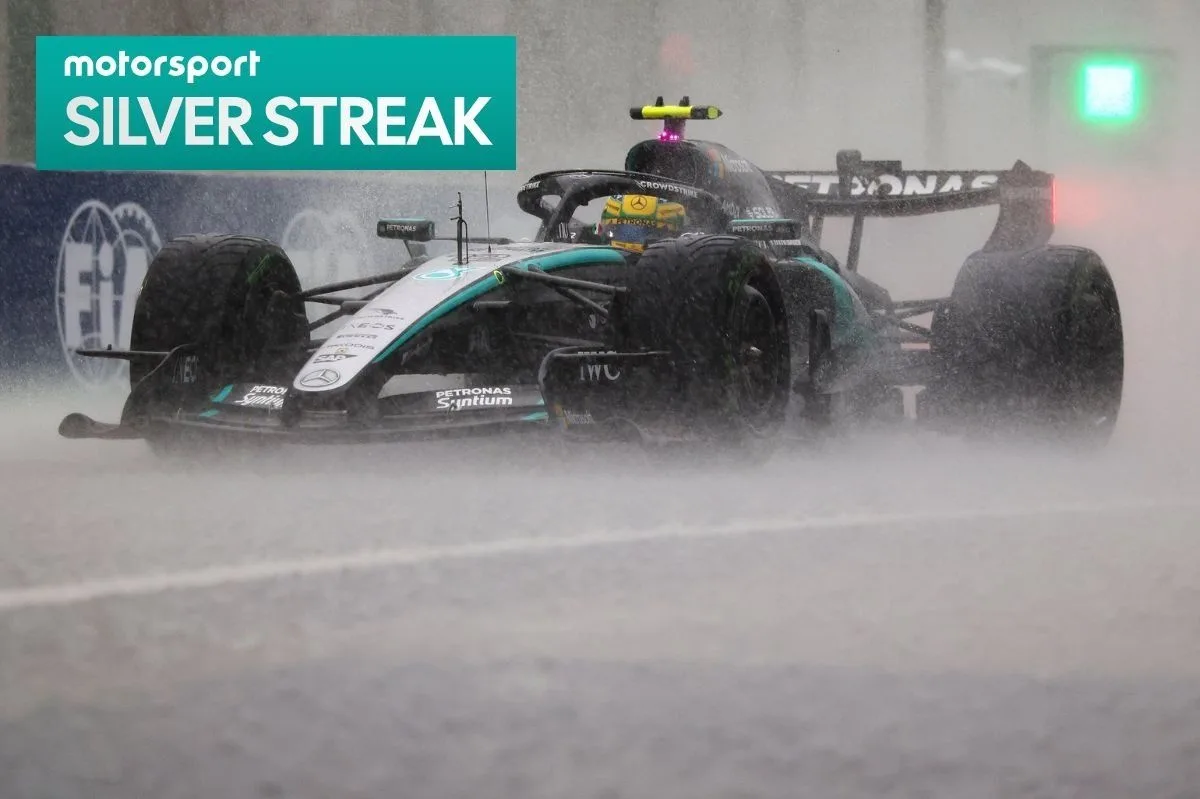
Mercedes kunci gelar konstruktor setelah Ferrari gagal tampil kompetitif di Interlagos. Baca analisis mendalam mengenai dinamika strategi tim di sini.
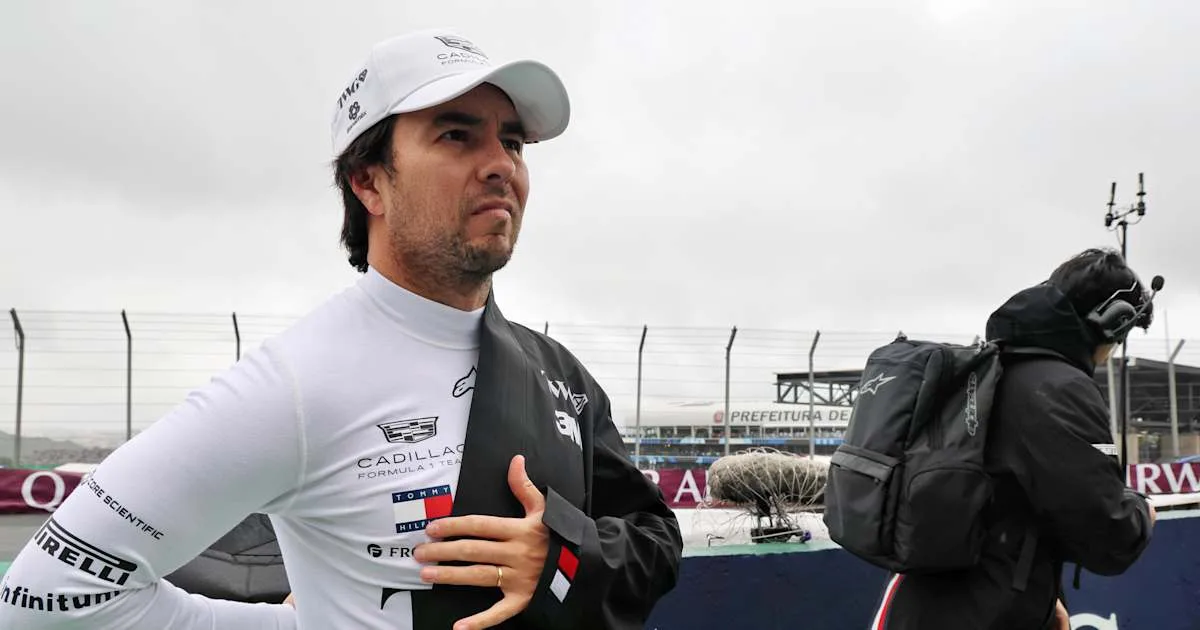
Simak alasan di balik keputusan Cadillac memperpanjang kontrak Sergio Perez hingga 2029. Baca analisis mendalam dan ulasan eksklusif di sini.
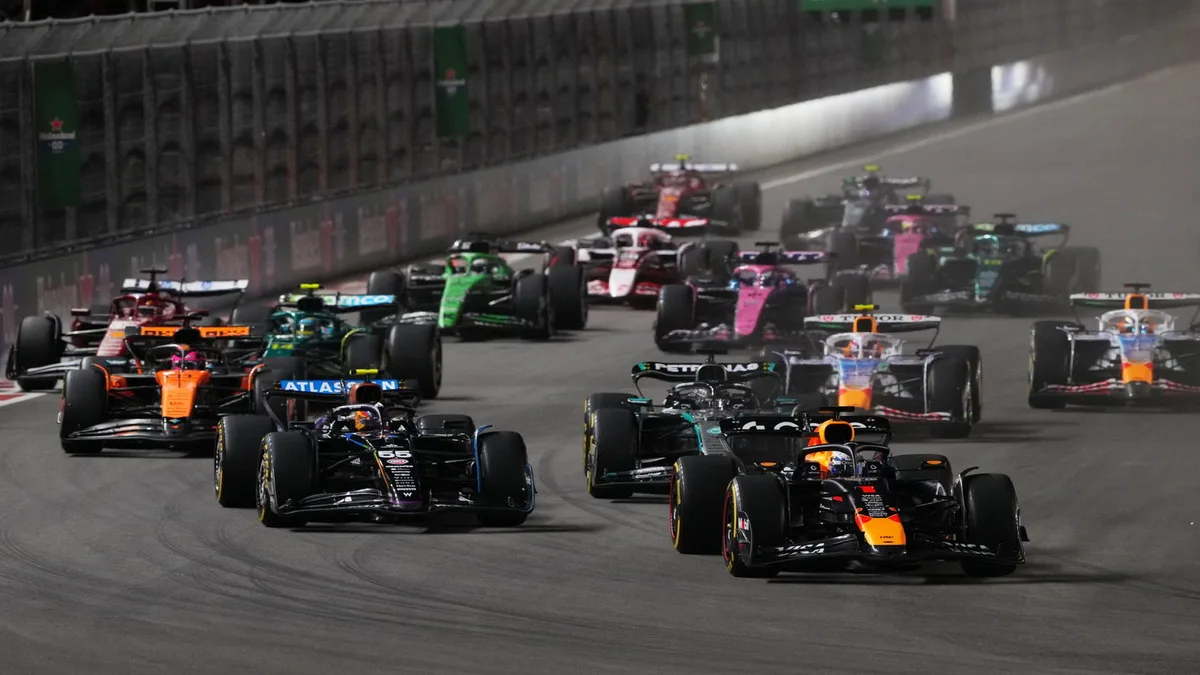
Simak jadwal lengkap F1 Las Vegas GP 2026, waktu sesi latihan hingga balapan, serta sisa kalender penutup musim ini. Baca analisis selengkapnya di sini!
 Lanjutkan dengan Google
Diskusi & Komentar (0)
Mari Bergabung dalam Diskusi!
Masuk dengan mudah untuk mulai memberikan komentar, membalas, dan berinteraksi dengan pembaca lainnya.
Komentar Terbaru
Belum ada komentar. Jadilah yang pertama!