







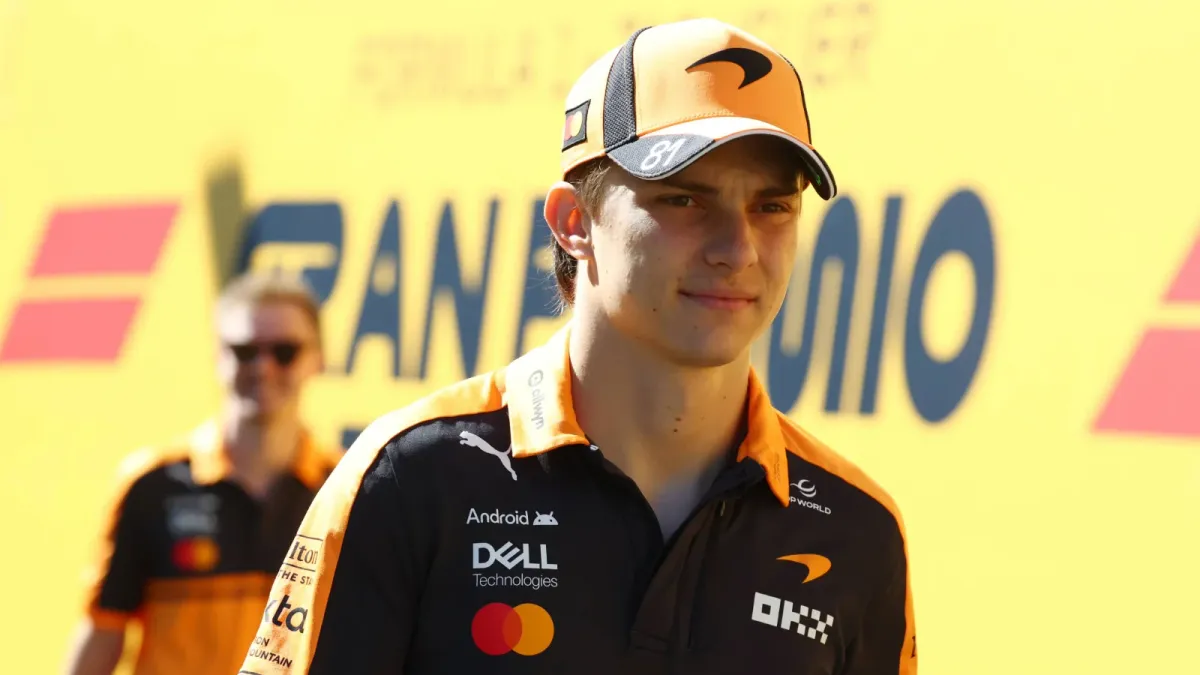

Oscar Piastri rarely minces words. But when asked about his experience driving the 2026 Formula 1 cars, the McLaren driver opened up. He admitted that the onboard AI systems managing the power split between electric and combustion engines sometimes make him feel like a passenger rather than a driver.
The 2026 season is only a few rounds old, but Piastri is already grappling with the complexity of a car that delivers nearly 50:50 power from electric and internal combustion sources. He has yet to win a race, and the pressure to adapt is mounting. Yet what bothers him more is not just performance, but how the software learns the circuit and automatically deploys battery power.
“Sometimes, yes,” Piastri said succinctly when asked if he felt like a passenger of the AI systems, speaking to media including Motorsport Week. He then explained that the issue is more pronounced at tracks with long straights like Spa-Francorchamps or Silverstone. “At the Hungaroring or Zandvoort, I really don’t expect there to be many problems at all, because the straights are so much shorter. So even if there are differences, they should be a lot less.”
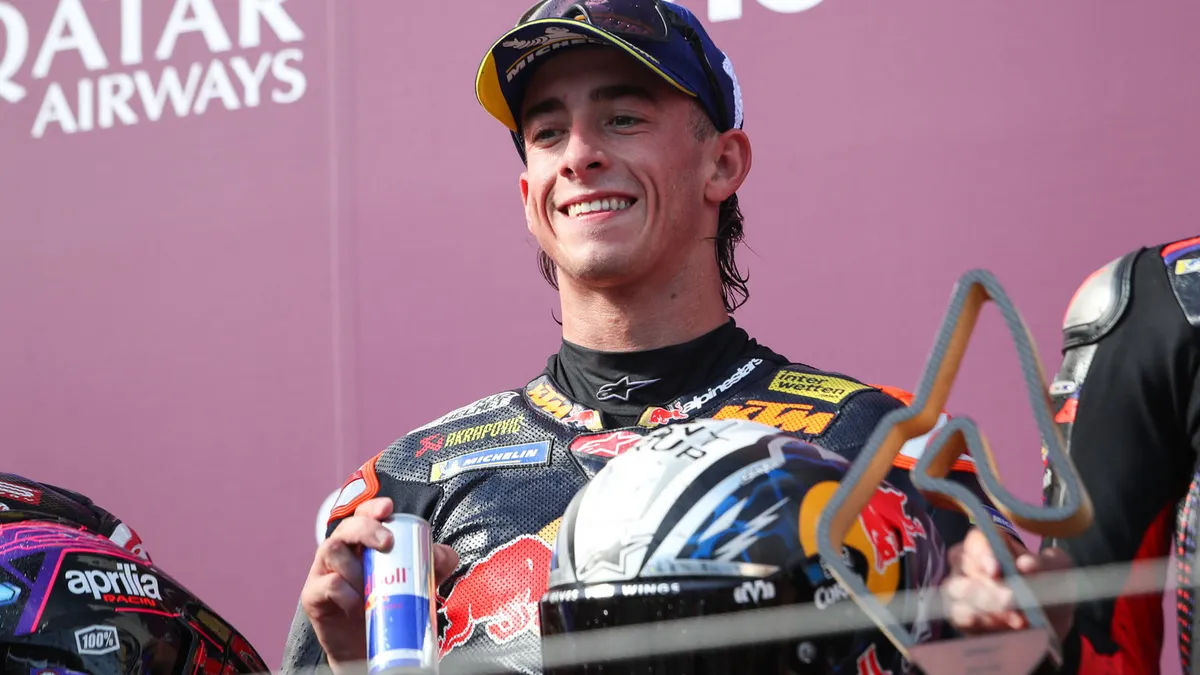
Piastri highlighted the fundamental principle that is hard to grasp: driving a race car that effectively loses half its power before the end of the straight. “It’s hard to get your head around sometimes,” he said. He then gave a concrete example at Spa, where the middle sector often relies solely on the combustion engine with no battery assistance. “It’s a weird feeling in itself, having some corners with a certain amount of power and others with full power.”
What’s frustrating, Piastri continued, is that small differences in code and engine behaviour can have a big impact on lap time. “At Spa, I think there were still only nine hundredths or something separating four positions. Yet, quite a few drivers lost more than nine hundredths from things they could not control,” he revealed. His comment underscores how sensitive competition is in this new era, where non-human factors can be decisive.
Piastri’s feedback mirrors the challenge Formula 1 faces with the 2026 regulations. The cars are more advanced, but also more autonomous in decision-making. For a driver to feel like a passenger is a sentiment many will not want to experience. They want full control, not just to monitor algorithms.
McLaren itself is working to optimise its package. Piastri and the team must quickly find a balance between leveraging AI technology and preserving the pure driving sensation. If not, the championship may slip further away. Meanwhile, rivals like Max Verstappen and Charles Leclerc are also expected to face similar dilemmas. This season’s competition is not just about speed, but about who can best make peace with artificial intelligence.
Baca Juga
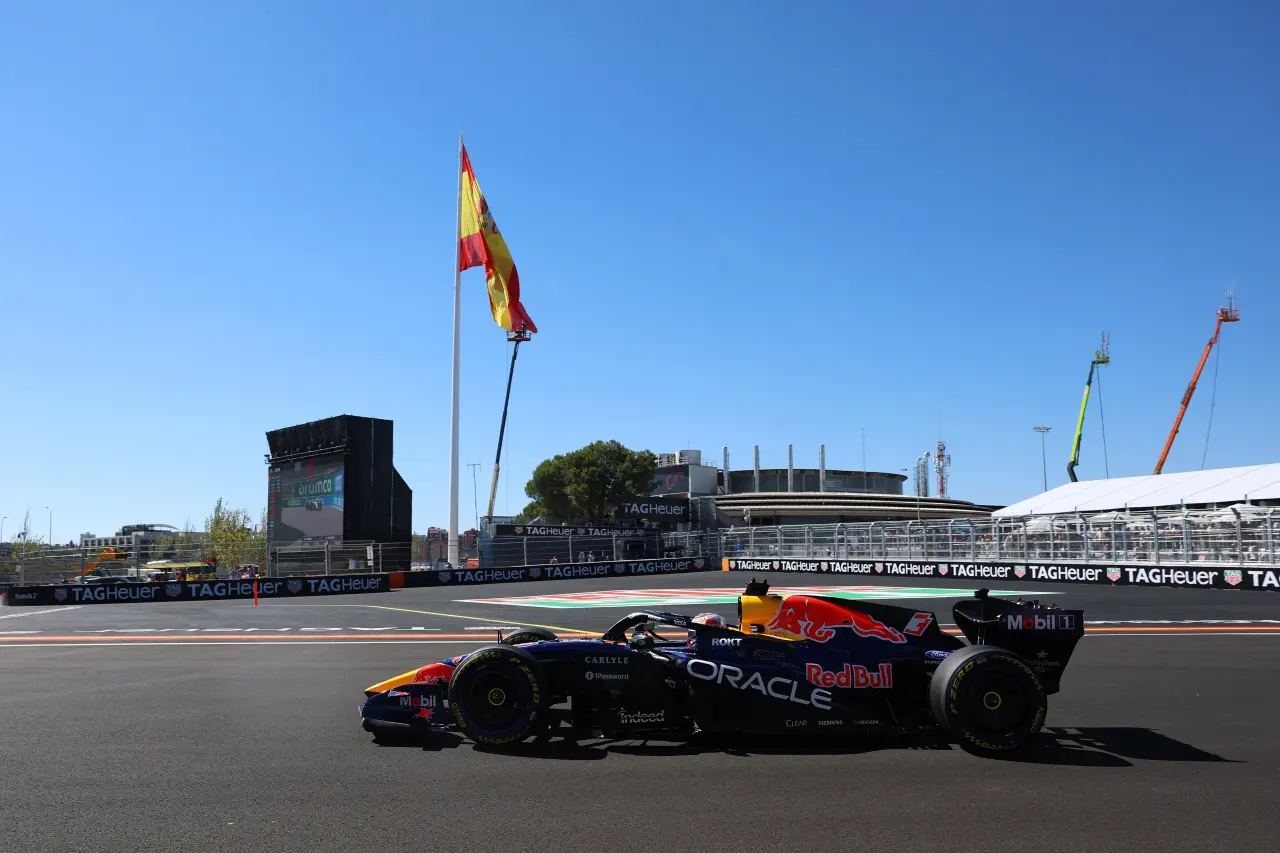
Jadwal F1 2027 menghadirkan 24 seri mulai Bahrain hingga Abu Dhabi, dengan Portugal dan Türkiye kembali masuk kalender balap Formula 1.
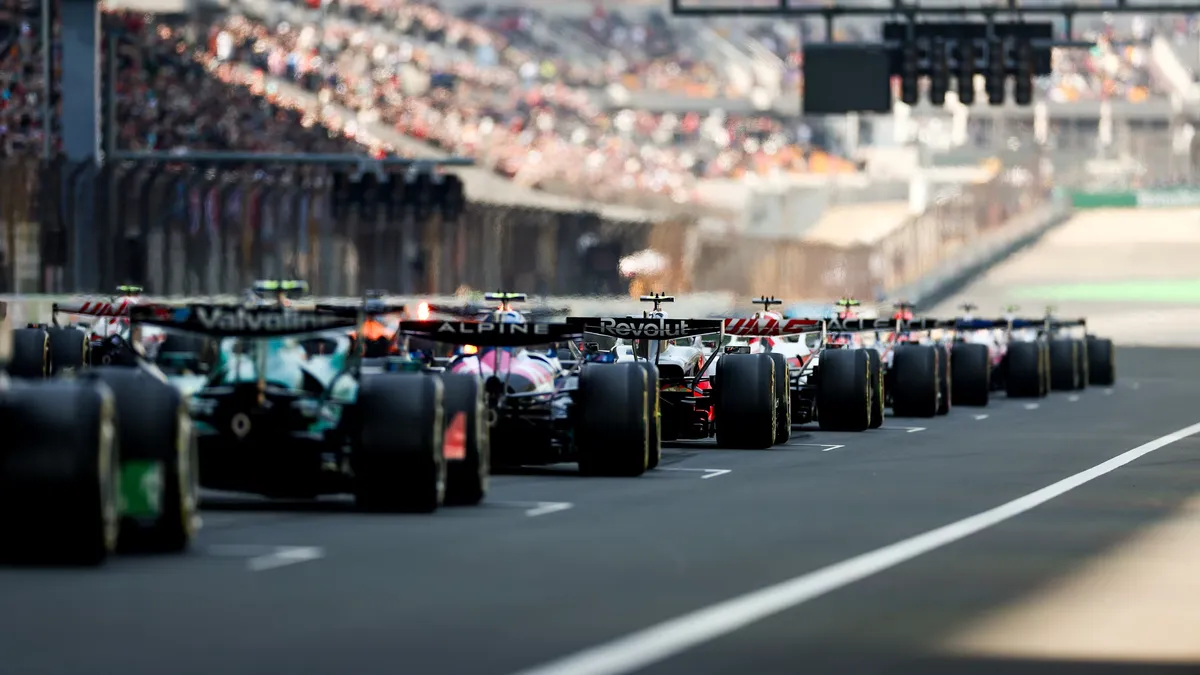
Jadwal lengkap F1 Azerbaijan 2026 di Baku: sesi latihan, kualifikasi, dan balapan 51 lap. Simak waktu tayang dan aksi para pembalap top.
Jadwal lengkap F1 GP Azerbaijan 2026 di Baku. Balapan digelar Sabtu 26 September, simak waktu sesi latihan, kualifikasi, dan race dalam WIB.
 Lanjutkan dengan Google
Diskusi & Komentar (0)
Mari Bergabung dalam Diskusi!
Masuk dengan mudah untuk mulai memberikan komentar, membalas, dan berinteraksi dengan pembaca lainnya.
Komentar Terbaru
Belum ada komentar. Jadilah yang pertama!