






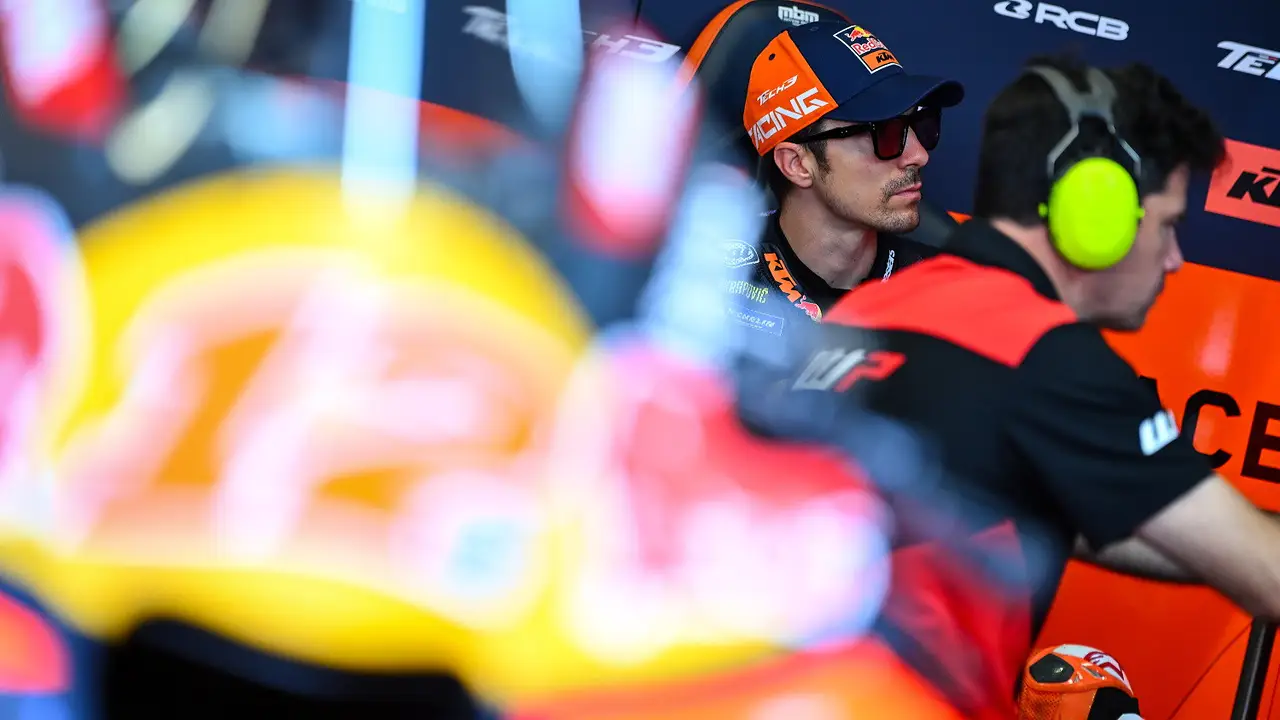

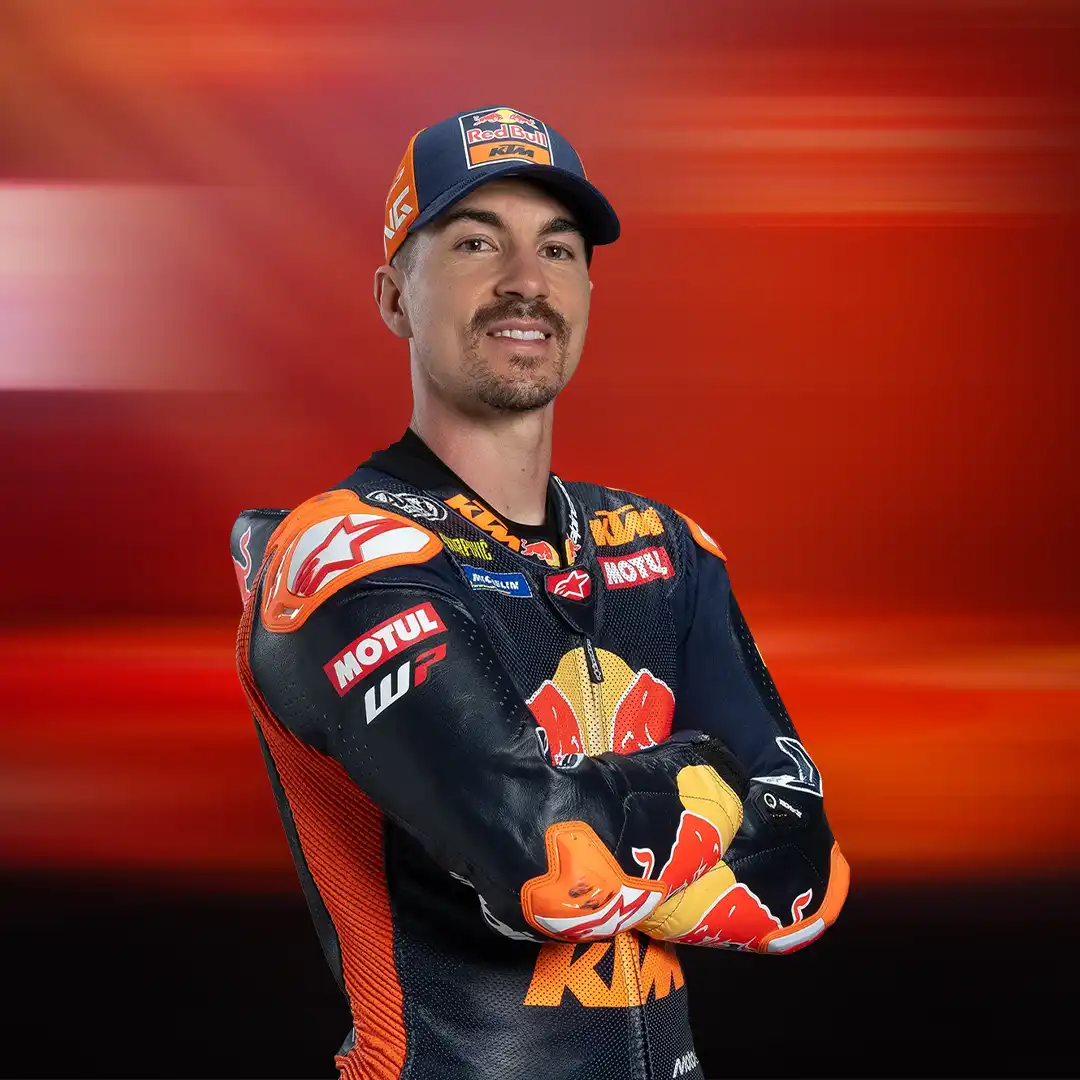
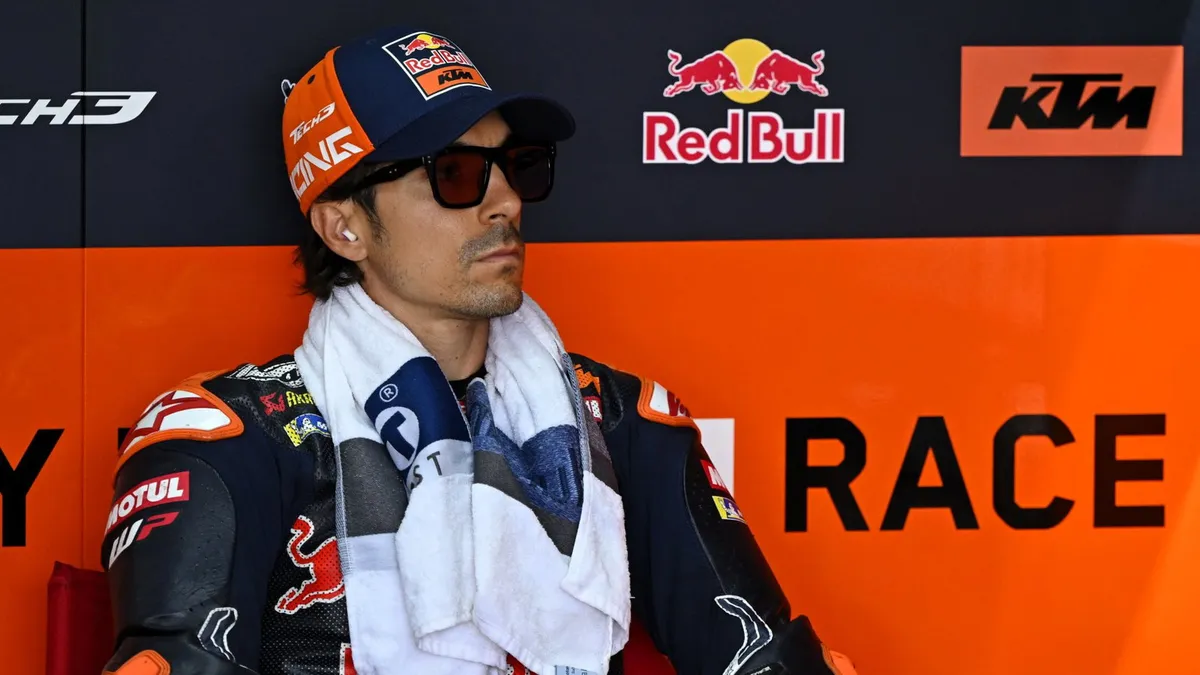
Maverick Vinales was forced to swallow a bitter pill after crossing the finish line in a deeply frustrating fifteenth position during the MotoGP Sprint at the demanding Mugello circuit, crossing the line just behind Fabio Quartararo. While this classification is far below the expectations of a championship-caliber rider, the Spaniard openly admitted that he fully anticipated this weekend's immense physical suffering. Interestingly, Vinales clarified that from a strict medical standpoint, the structural integrity of his left shoulder—severely injured since last July—is actually in a good state. The fundamental issue lies in severe muscle atrophy and a critical lack of absolute strength on his left side, a debilitating physical deficit that forces him to aggressively overcompensate by transferring the entire burden of controlling the violent prototype machine onto his right shoulder.
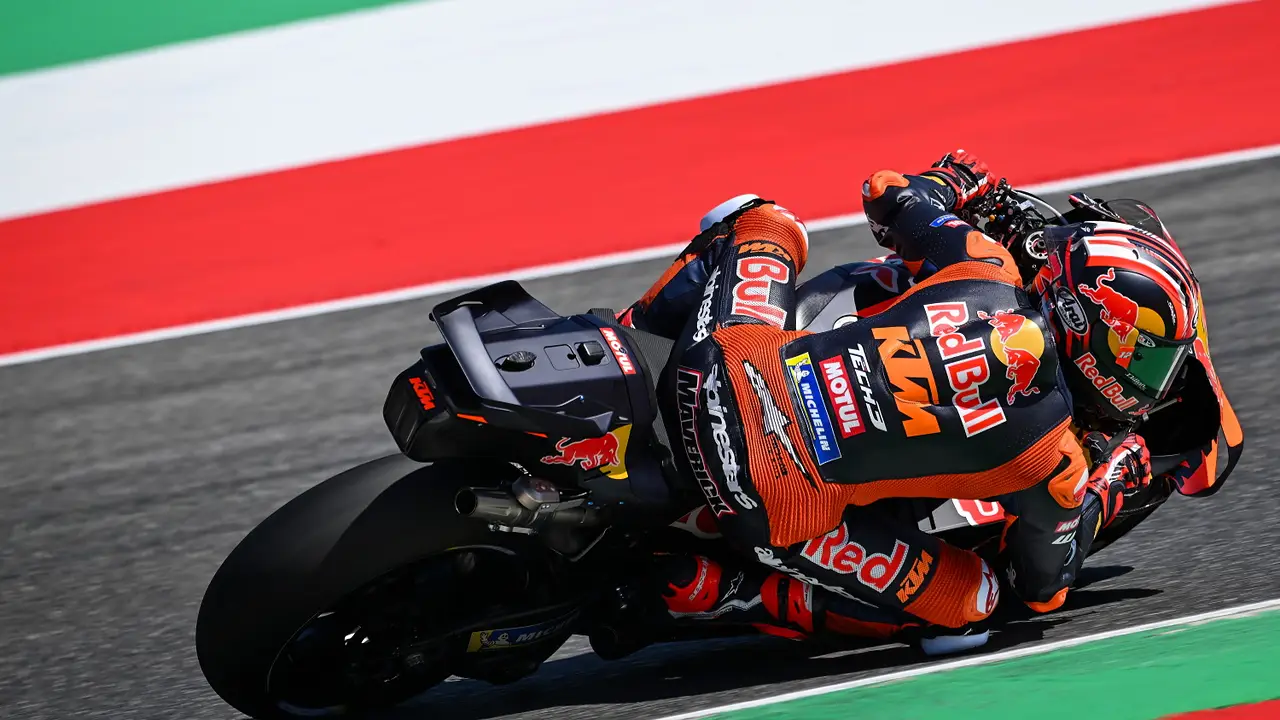
The majestic Mugello circuit, characterized by its ultra-high-speed chicanes and brutal directional changes through iconic sectors like Casanova-Savelli and Biondetti, inflicts relentless biomechanical torture on any rider lacking absolute peak fitness. The extreme G-forces generated by flipping a 300-horsepower motorcycle from full left lean to full right lean at speeds exceeding 200 km/h demand phenomenal upper body endurance. Conscious of his limitations, Vinales treated the punishing Sprint race as the ultimate, high-stakes physical training session. He expressed genuine satisfaction in his ability to maintain a remarkably consistent rhythm despite the immense pain, successfully gathering crucial telemetry data for both his ongoing physiological rehabilitation and the complex technical evolution of his KTM RC16 machinery.
Technical Analysis: Track Grip Anomalies and the Rear-End Crisis
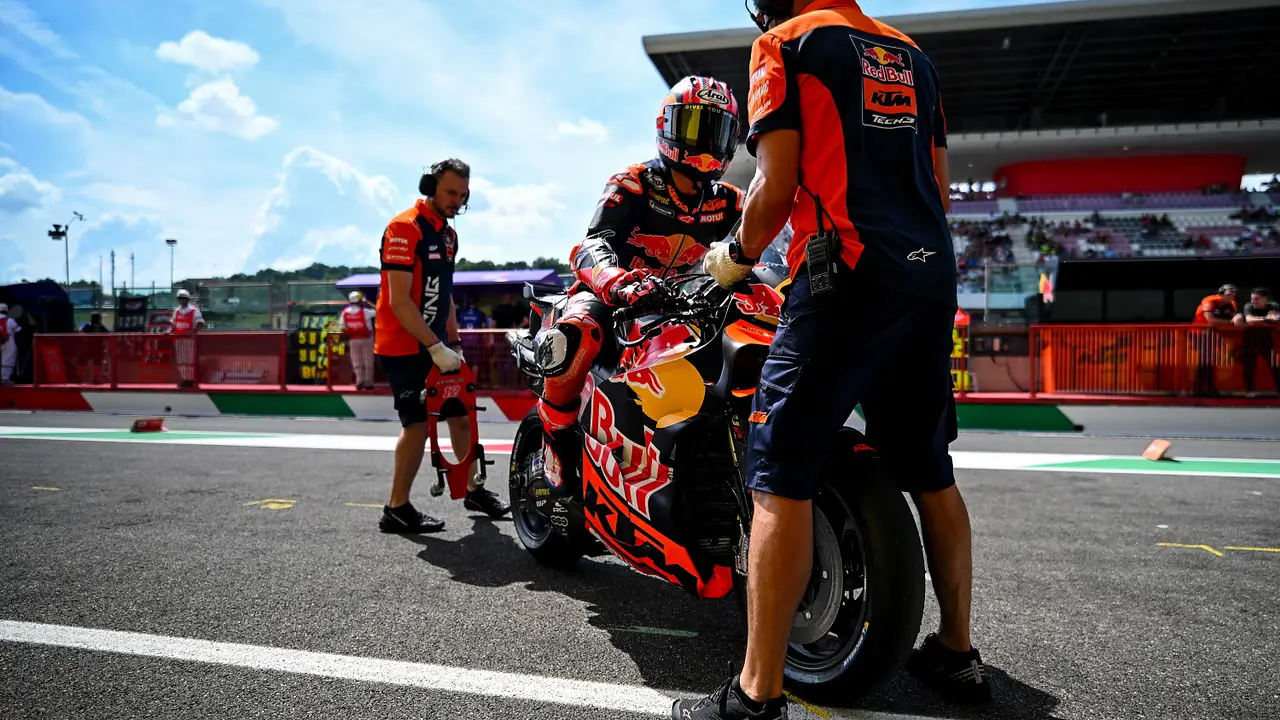
Beyond the exhausting physical toll, Vinales cast a highly critical eye on the deeply concerning technical deficiencies plaguing his motorcycle. He detailed a bizarre and highly counterintuitive performance anomaly: the bike's overall stability and pace actually decreased as the track's grip levels increased from the rubber laid down during previous sessions. In standard racing theory, high-grip asphalt should allow a rider to brake much deeper and accelerate significantly harder. However, the current chassis geometry and suspension kinematics of the RC16 completely failed to absorb and utilize this extra traction, triggering a severe weight distribution imbalance that made the motorcycle incredibly nervous and unpredictable upon corner entry.
Vinales' deep technical debrief revealed that the absolute core of the crisis revolves around the rear of the bike during the critical trail-braking transition phase. Whenever he attempted to brake hard while aggressively leaning the motorcycle into the apex, the rear tyre suddenly snapped loose, losing traction and sliding uncontrollably. This unstable dynamic completely destroys his cornering momentum. When the rear end steps out, the entire transition of the bike becomes sluggish and delayed. The cascading effect is fatal for lap times; Vinales subsequently loses the ideal mid-corner positioning. Missing the precise apex forces him to wait significantly longer before he can crack open the throttle, a fractional delay in every corner that accumulates into a massive time deficit by the end of the race.
Analyzing Tech3 Garage Data and Feature Race Prospects
This fundamental technical struggle was not isolated to Vinales, as the chaos spilled over to the other side of the Tech3 garage. His teammate, Enea Bastianini, suffered a premature exit from the Sprint following a dramatic crash caused by a poor maneuver while desperately attempting to override the exact same mechanical limitations. In contrast, Vinales adopted a highly analytical and measured approach. Rather than pushing the motorcycle beyond the strict laws of physics and risking a catastrophic crash that could ruin his healing shoulder, he utilized the laps to meticulously dissect the rear braking weakness, delivering highly precise, data-driven feedback to his engineering crew.
Looking ahead to the grueling full-length feature race, the challenges facing Vinales will increase exponentially. Not only must he battle through the severe asymmetrical fatigue ravaging his shoulder muscles, but his mechanical team faces an immense race against time to formulate a radical rear suspension and engine braking setup capable of stabilizing the RC16 under increasingly hot and grippy asphalt conditions. Vinales remains stubbornly optimistic that the painful data gathered during his Sprint struggles will provide the master key to unlocking the required mechanical balance, allowing him to transition from mere survival mode into launching a genuine counter-attack against his rivals in the Italian Grand Prix.
Baca Juga
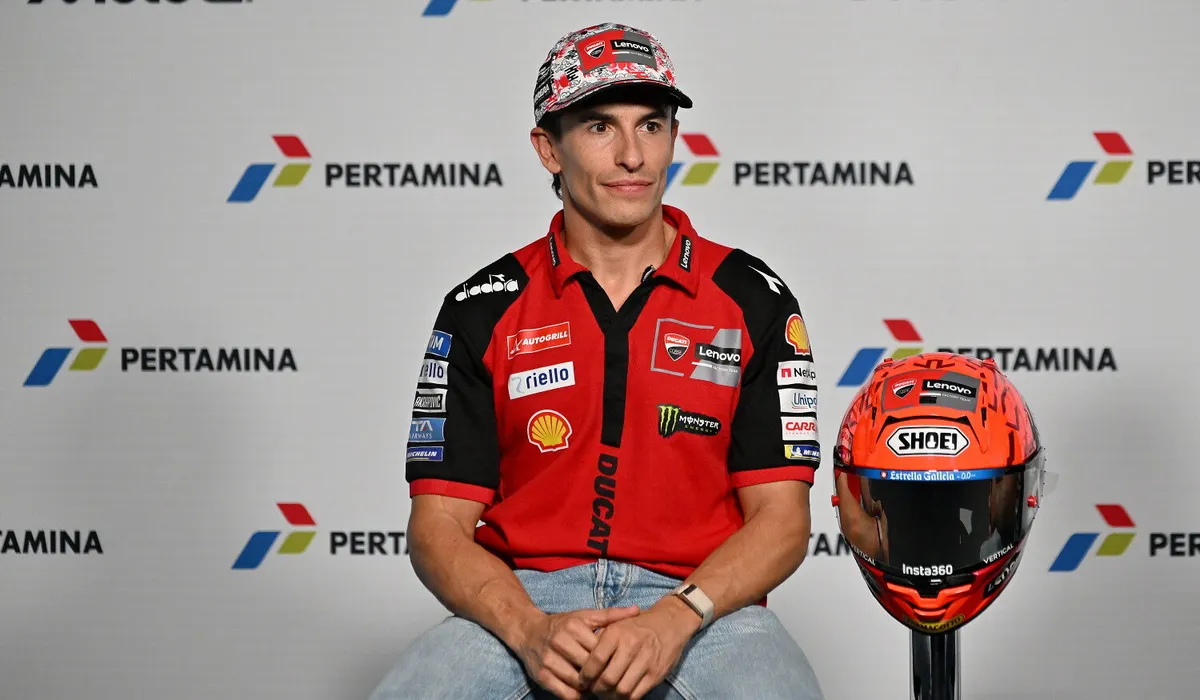
Simak analisis lengkap Andrea Dovizioso mengenai performa Aprilia, kendala teknis Ducati, dan strategi MotoGP 2026. Baca ulasan mendalam di sini!
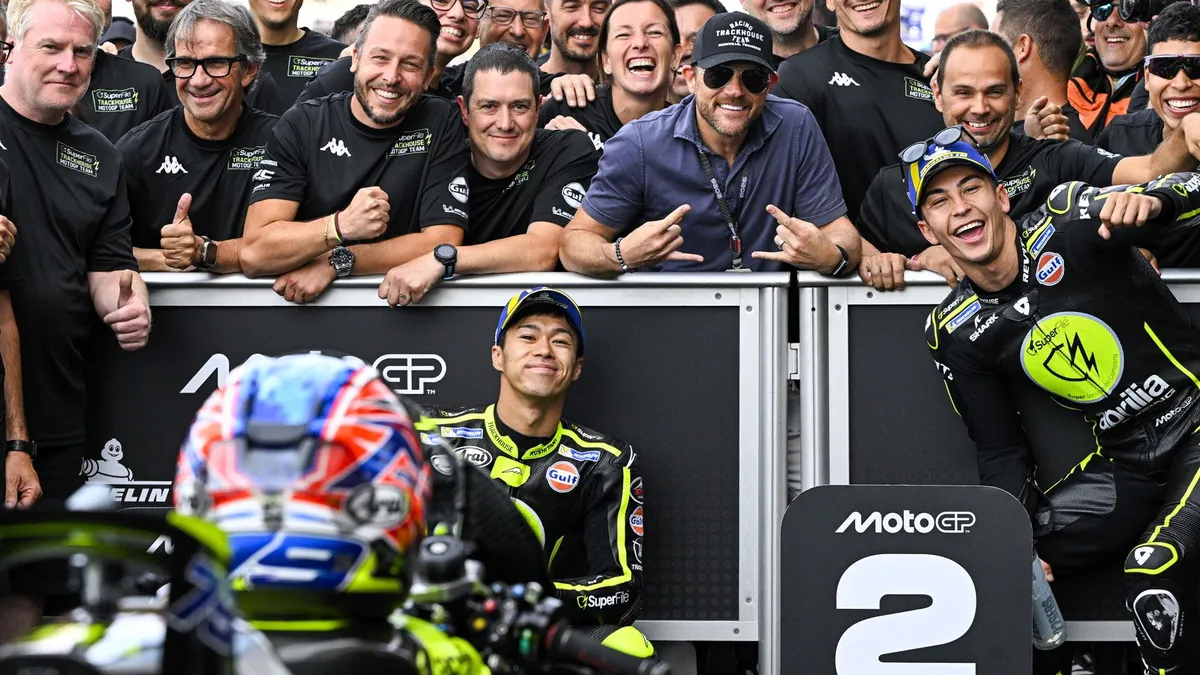
Tim Trackhouse MotoGP resmi mendapatkan investasi minoritas signifikan dari 1936. Simak analisis lengkap dan perkembangan terbaru di sini!
Simak analisis lengkap keterpurukan Maverick Vinales di MotoGP Mandalika 2026. Baca ulasan mendalam dan rencana pemulihannya di sini sekarang!
 Lanjutkan dengan Google
Diskusi & Komentar (0)
Mari Bergabung dalam Diskusi!
Masuk dengan mudah untuk mulai memberikan komentar, membalas, dan berinteraksi dengan pembaca lainnya.
Komentar Terbaru
Belum ada komentar. Jadilah yang pertama!