







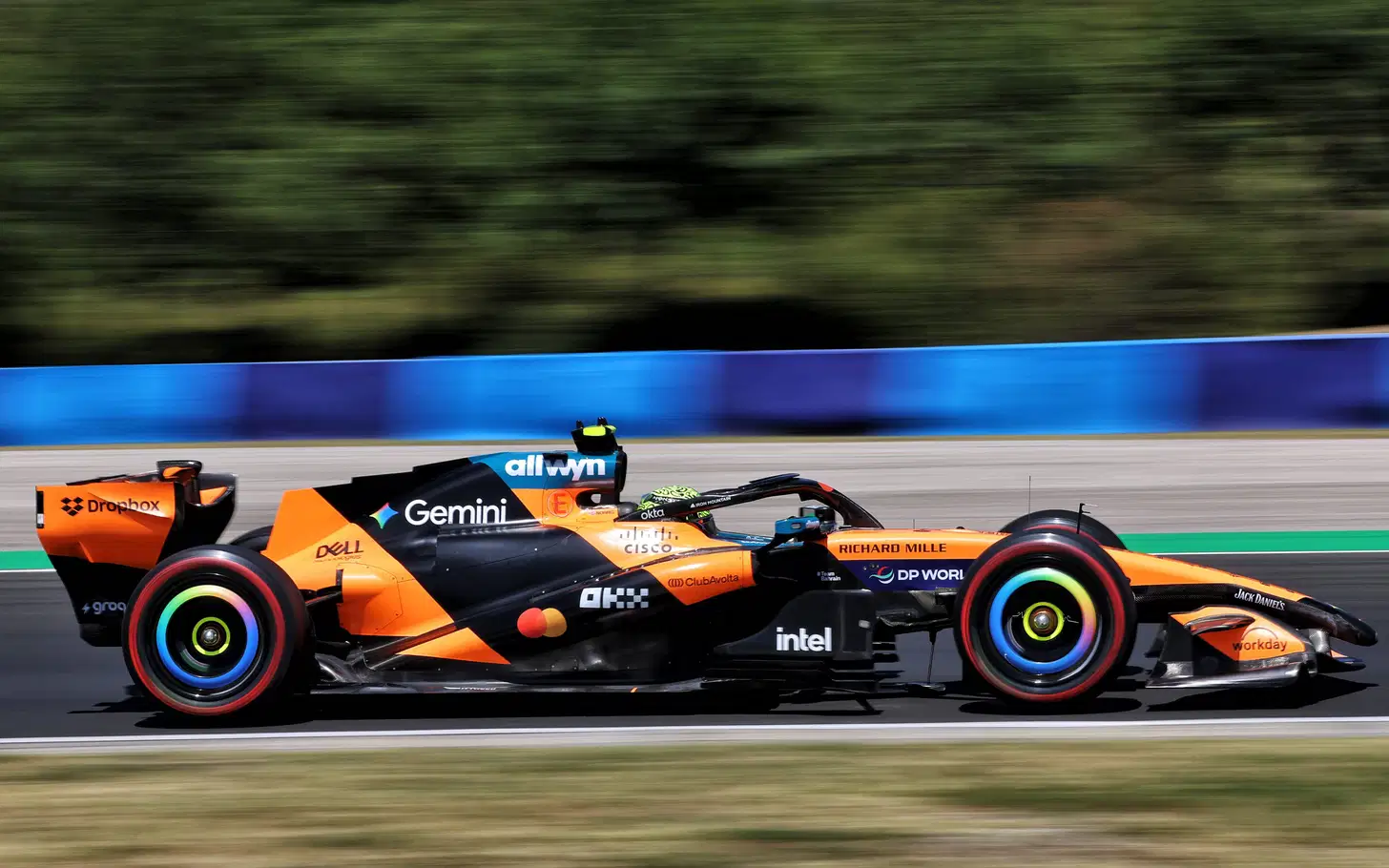

Formula 1 drivers face a major strategic decision before the 2026 Hungarian Grand Prix after Pirelli indicated that both one-stop and two-stop approaches are realistic at the Hungaroring.
Most of the grid is expected to begin the race on the medium compound. From that starting point, teams can extend the opening stint for a one-stop strategy or stop earlier to pursue greater pace through two tyre changes.
For a one-stop race, the estimated window for switching from medium to hard tyres falls between laps 26 and 32. The approach reduces time lost in the pit lane but demands disciplined degradation management across two long stints.
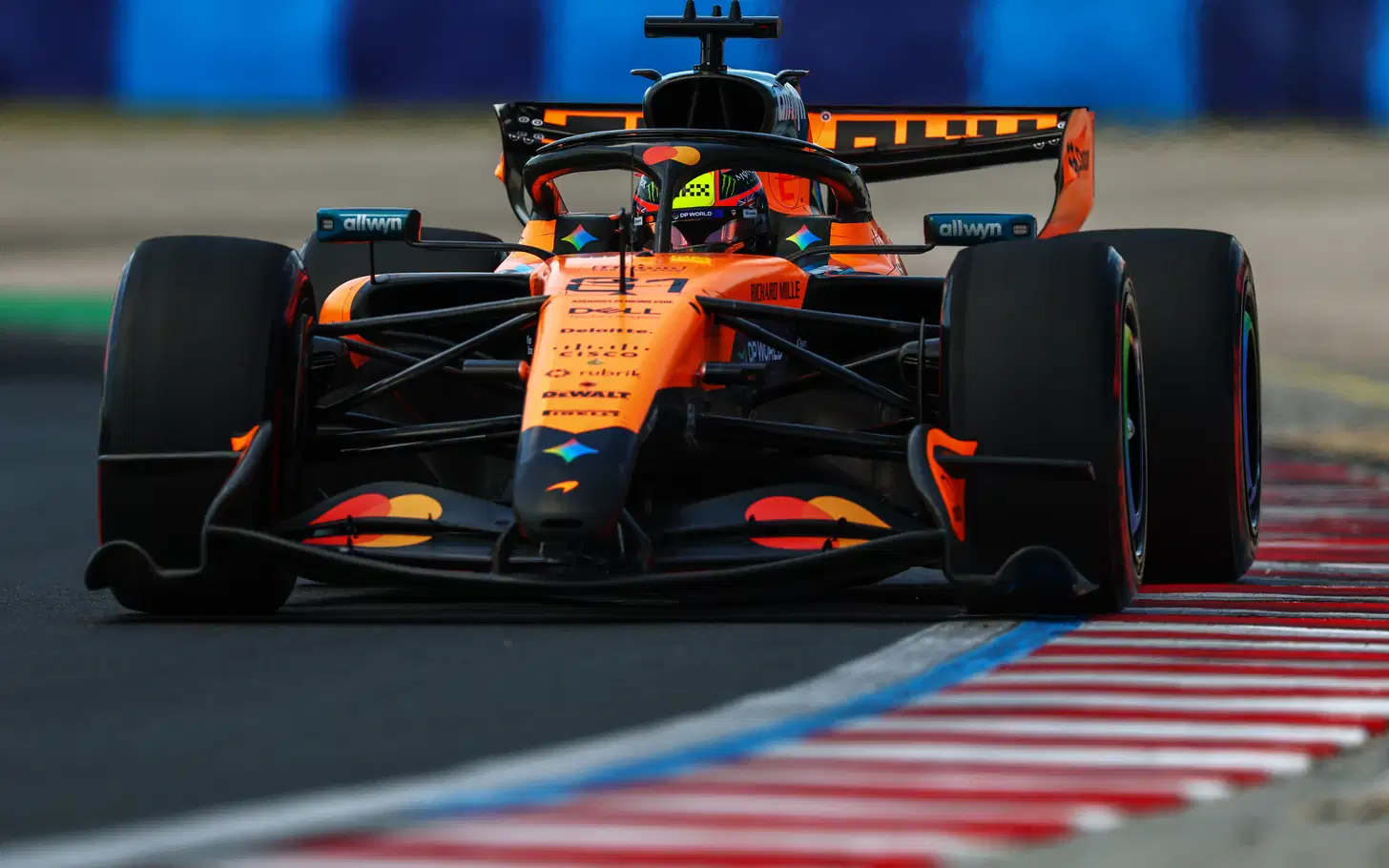
Drivers choosing a two-stop strategy are expected to make their first visit to the pits between laps 16 and 22. A second stop for another set of medium tyres would then most likely take place between laps 45 and 51.
The two-stop option provides fresher tyres and greater attacking potential, but the Hungaroring’s limited overtaking opportunities make the additional pit stop a significant risk. Track position remains valuable if a driver returns to the circuit behind a train of slower cars.
The soft compound is also available as an aggressive opening-stint option within a two-stop strategy. Drivers starting on the red-walled tyre would be expected to stop between laps 13 and 19 after attempting to gain positions during the opening phase.
Lewis Hamilton, starting fifth, could be one of the drivers considering an alternative approach. An aggressive strategy may offer a route to recovering the positions lost through his grid penalty.
Max Verstappen could consider a similar gamble from fourth. However, any decision must account for the difficulty of overtaking and the time that could be lost if he becomes trapped behind cars running longer opening stints.
The initial calculations do not include possible safety cars, virtual safety cars or red flags. A neutralisation period could reduce the cost of a pit stop and transform a previously weaker strategy into the most effective option.
The 2026 Hungarian Formula 1 Grand Prix will therefore depend not only on outright car performance but also on how accurately teams read tyre degradation, traffic and pit windows. The difference between one and two stops could decide the leading positions at the Hungaroring.
Baca Juga
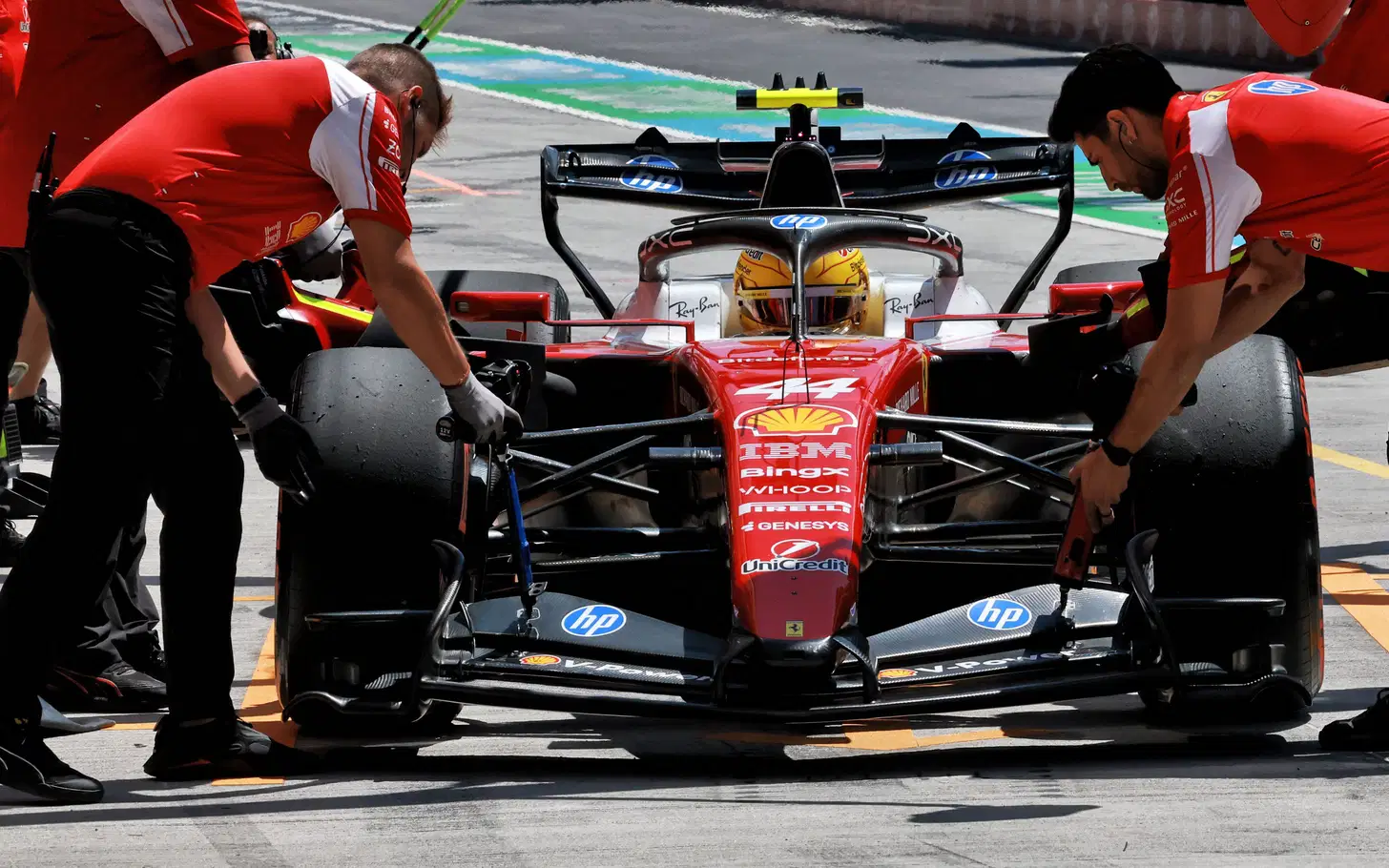
Lewis Hamilton menjadi favorit penggemar untuk menang F1 Hungaria 2026 meski harus memulai balapan dari posisi kelima akibat penalti grid.
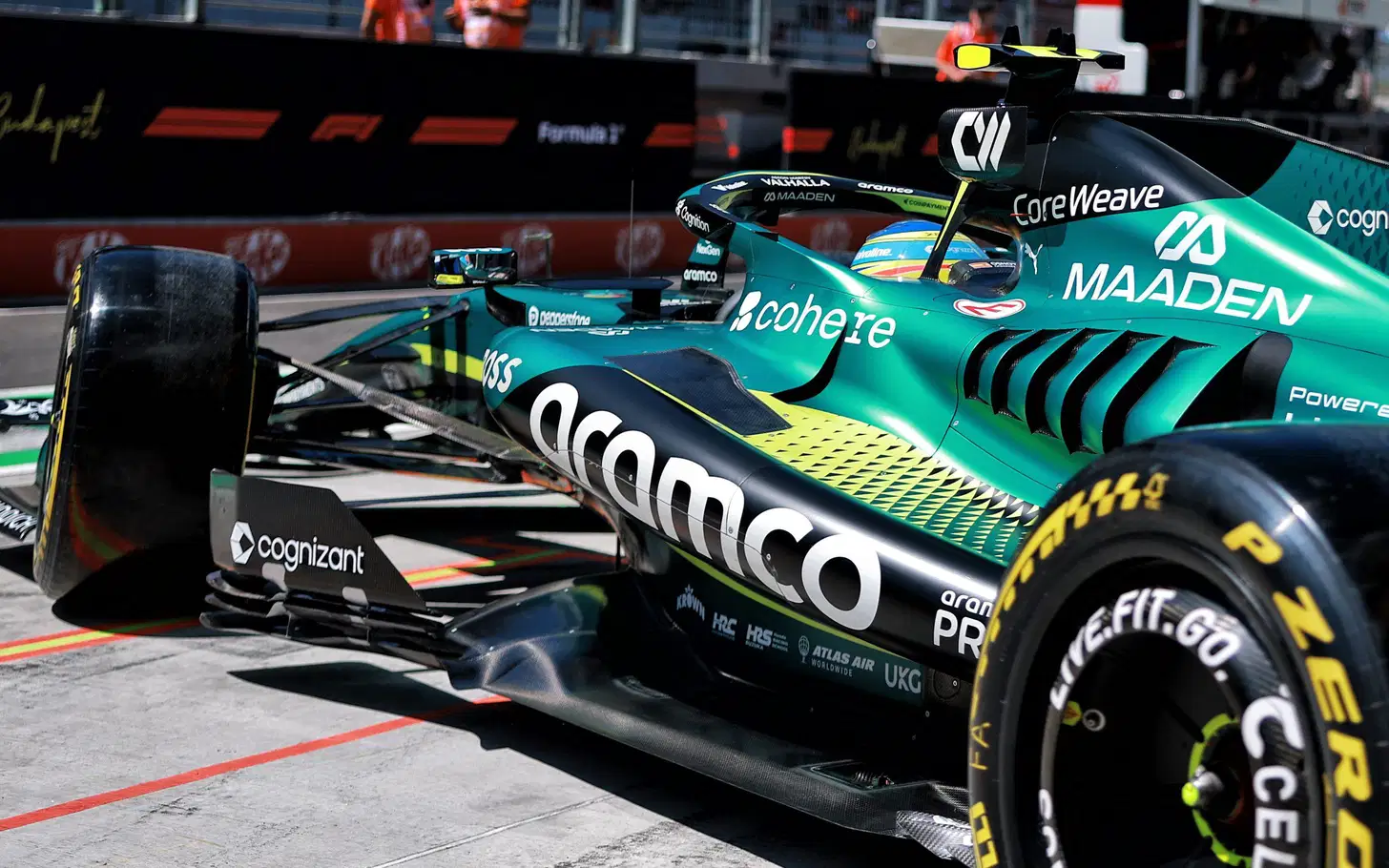
Fernando Alonso lega upgrade besar Aston Martin bekerja sesuai harapan setelah membawanya lolos dari Q1 untuk pertama kali pada F1 2026.
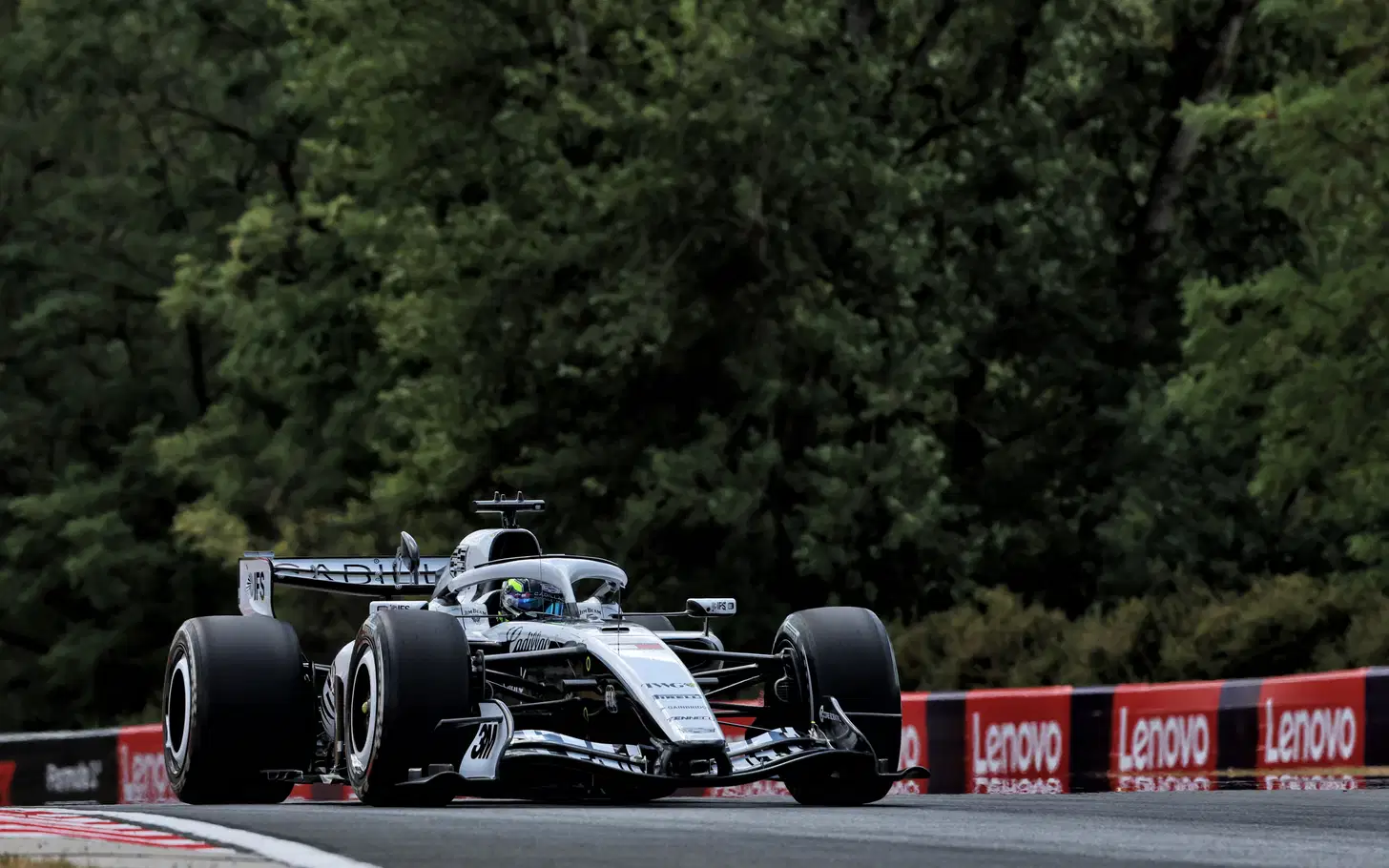
Sergio Perez akan memulai F1 Hungaria 2026 dari pit lane setelah Cadillac mengubah set-up suspensi mobilnya dalam kondisi parc ferme.
 Lanjutkan dengan Google
Diskusi & Komentar (0)
Mari Bergabung dalam Diskusi!
Masuk dengan mudah untuk mulai memberikan komentar, membalas, dan berinteraksi dengan pembaca lainnya.
Komentar Terbaru
Belum ada komentar. Jadilah yang pertama!