







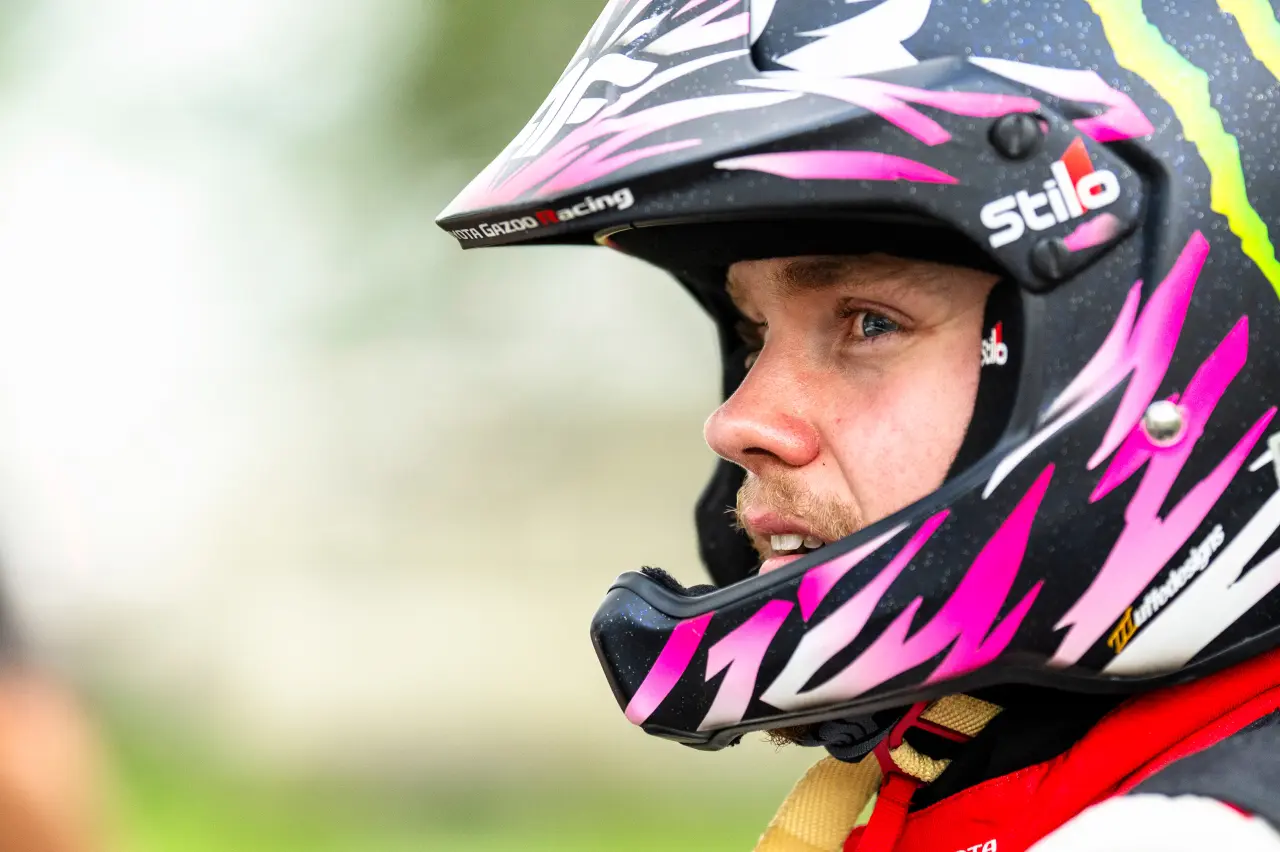

WRC, Sportrik Media - Oliver Solberg has strongly criticised organisers of the Safari Rally Kenya 2026 after late changes were made to the Elmenteita stage route near the end of SS12. The Toyota Gazoo Racing driver described the decision as dangerous, arguing it created unexpected hazards for crews running the stage at full speed.
According to the organisers, the route modification was introduced to limit the possibility of drivers cutting corners at the end of the stage. The changes were implemented after reconnaissance had already been completed and were communicated to crews and teams via a video showing the revised section of the route.
Solberg, who was leading the rally at the time, argued that the decision compromised safety because drivers had no opportunity to inspect the altered section in person before tackling it competitively. The situation was further complicated when some of the markers reportedly disappeared, leaving loose rocks scattered across the road.
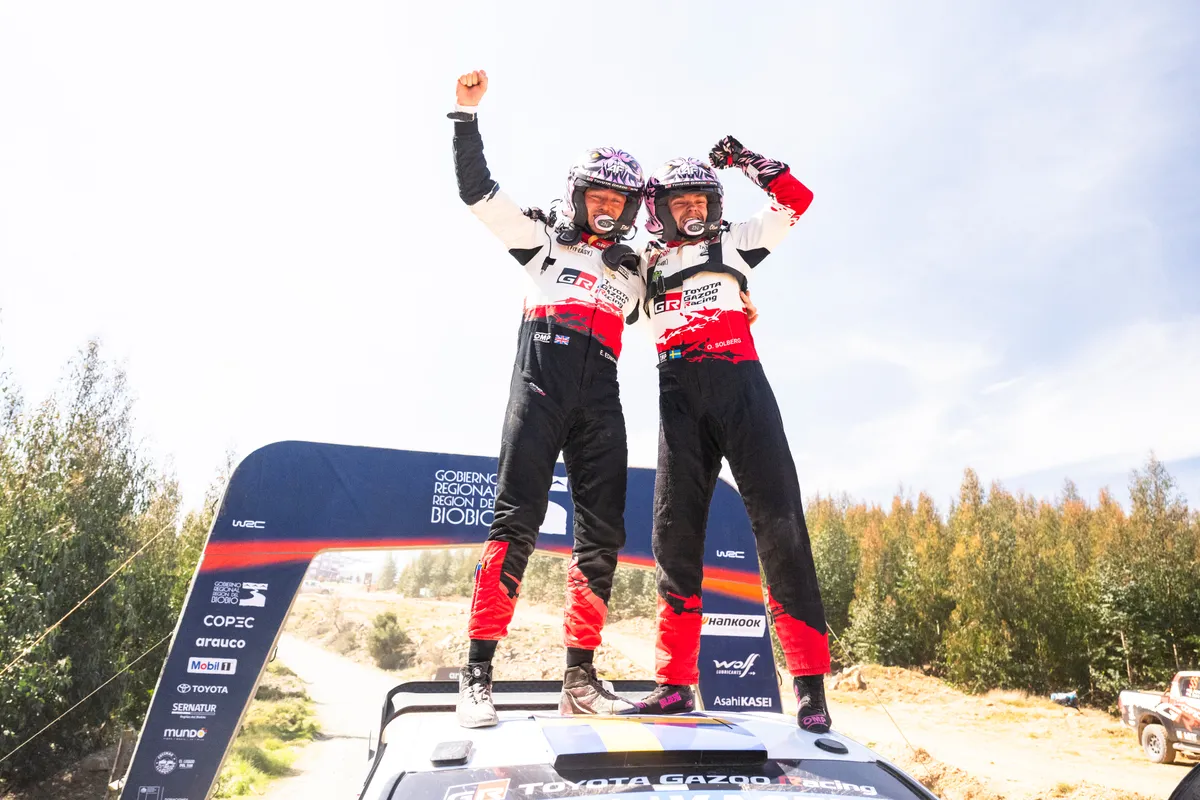
“Seriously, organiser and FIA, what they’ve done here at the end is unacceptable,” Solberg said.
“Putting the sticks after recce, sending us a phone video. And now all the sticks are gone, there’s rocks everywhere, it’s dangerous. And they talk about safety, this is dangerous.”
His Toyota Gazoo Racing team-mate Elfyn Evans also criticised the decision, suggesting the revised route may have contributed to the two punctures he suffered on the stage.
“It’s an absolute joke. They put all these things in the finish to stop us cutting, after the recce, and now the stones are everywhere,” Evans said.
“I just went for the line and double puncture. It’s ridiculous. Completely out of order.”
In the FIA World Rally Championship, alterations to a stage after crews have completed their two-pass reconnaissance are rare. Such changes can leave drivers relying only on notes and briefings without the opportunity to physically assess the new section of road before competing.
Responding to the criticism, an FIA spokesperson explained that competitors had been significantly deviating from the defined route during reconnaissance. Under Article 19.2 of the FIA WRC Sporting Regulations, organisers were therefore permitted to install barriers and additional taping over the final 1.13km of SS12/15 and the final 0.9km of SS13/16 to enforce the official route.
The governing body added that the Clerk of the Course issued Communication No.8 on March 13 to inform competitors of the changes, followed by the distribution of video footage showing the modified sections. According to the FIA, crews were given sufficient time to review the adjustments and update their pace notes before tackling the stage.
The controversy has added tension to the demanding Safari Rally Kenya, traditionally one of the most challenging rounds of the WRC calendar. With several stages still remaining, attention now turns to how organisers and teams manage safety concerns while maintaining competitive fairness throughout the remainder of the event.
Baca Juga
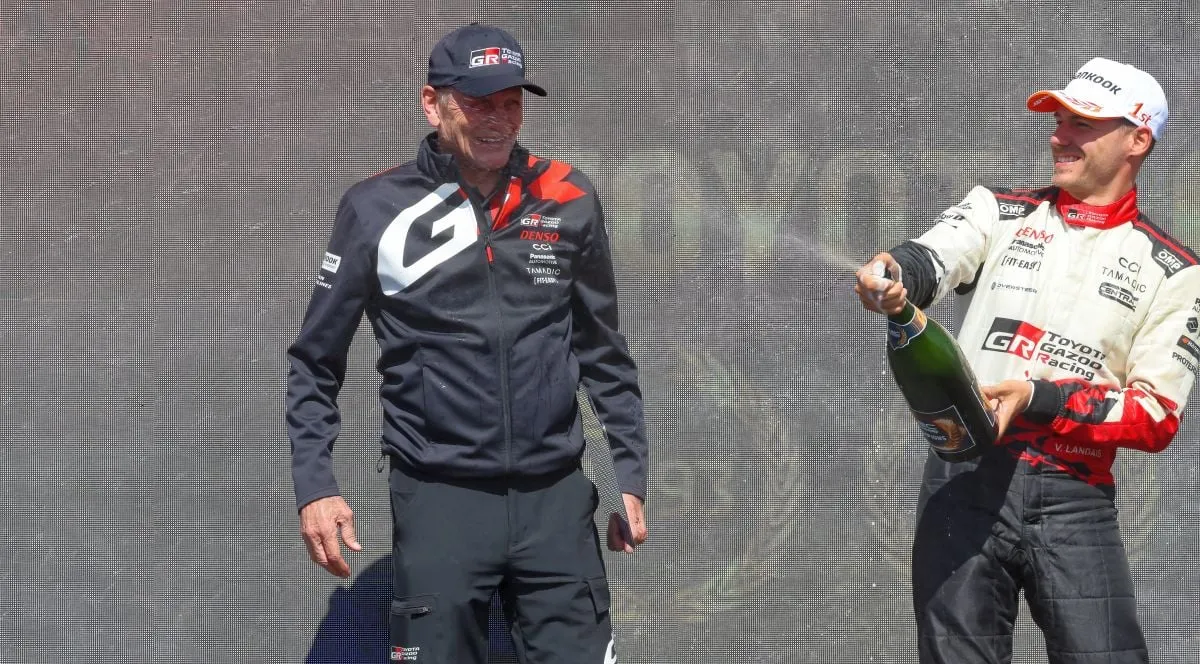
Juha Kankkunen rayakan gelar konstruktor WRC keenam Toyota di Chile, janji tak ada team order untuk dua reli terakhir.
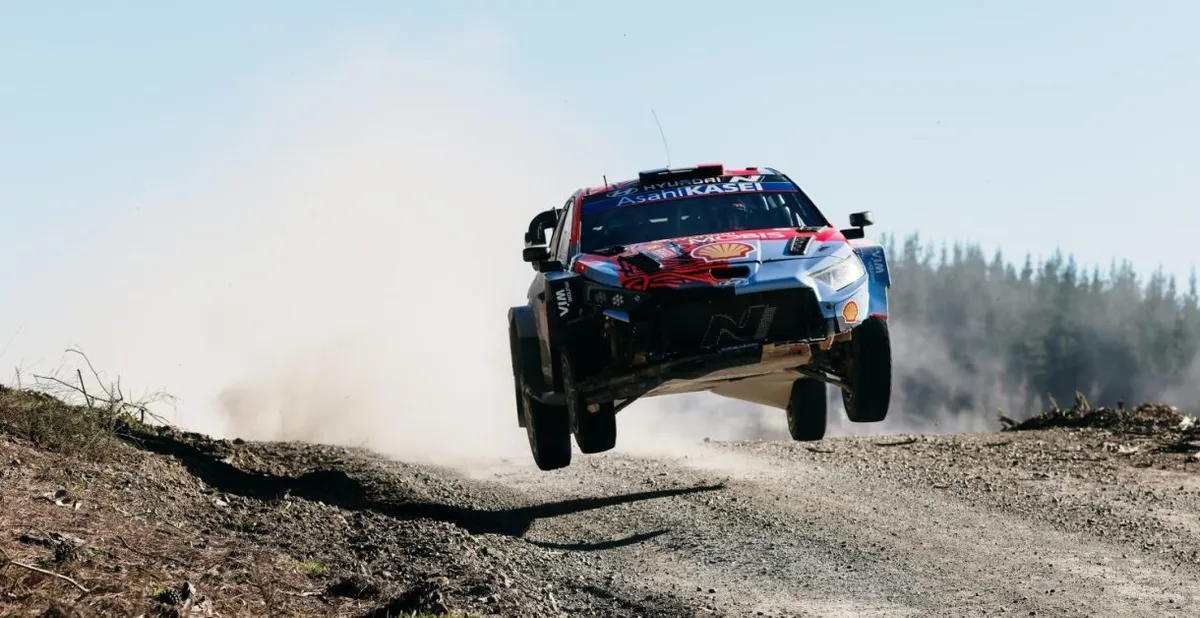
Rally Chile 2026 mengubah peta gelar WRC: Solberg mendekat, Evans tertekan, Neuville kesulitan. Simak analisis lengkap dan klasemen terkini.
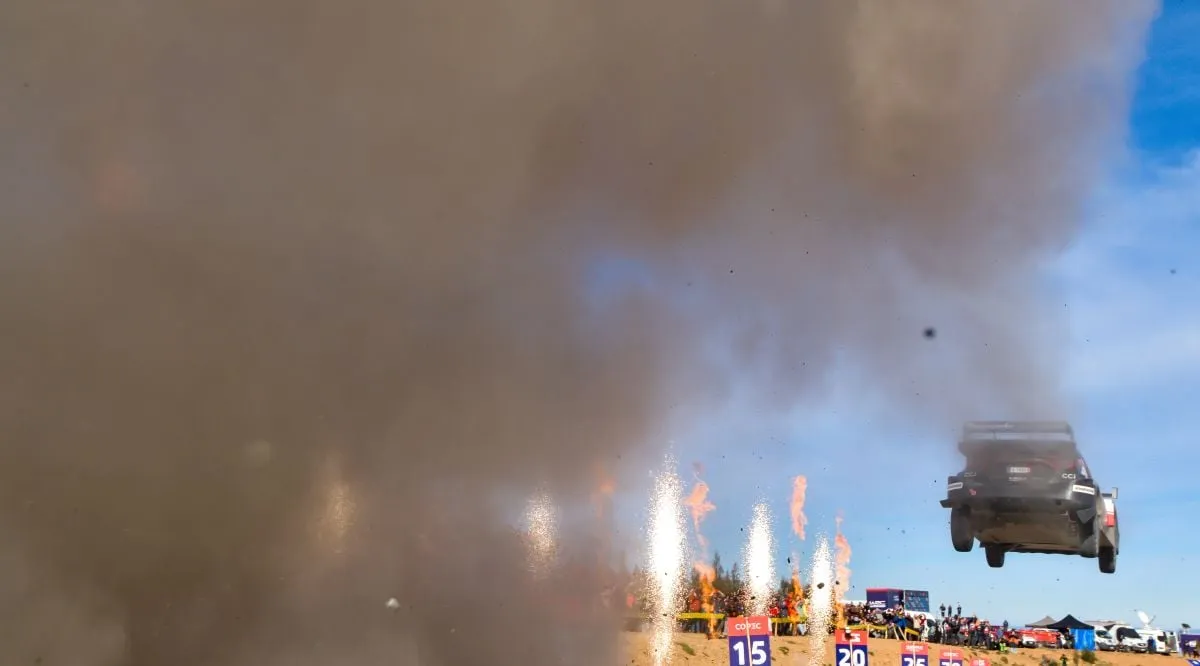
Elfyn Evans gagal finis di posisi teratas Reli Chile setelah puncture di stage penultimate. Insiden ini memperketat persaingan juara WRC.
 Lanjutkan dengan Google
Diskusi & Komentar (0)
Mari Bergabung dalam Diskusi!
Masuk dengan mudah untuk mulai memberikan komentar, membalas, dan berinteraksi dengan pembaca lainnya.
Komentar Terbaru
Belum ada komentar. Jadilah yang pertama!