








Lando Norris was on the verge of winning the Spanish Grand Prix. But fortune had other ideas. A Virtual Safety Car (VSC) that appeared at an 'insanely unlucky' time wiped out his advantage. Even Kimi Antonelli, who eventually won, admitted that without the incident, Norris would have stood on the top step.
The race was on lap 14 when Aston Martin's Lance Stroll stopped in the run-off at Turn 20. Norris was leading comfortably, about five seconds ahead. The problem was, he had already passed the pit entry when race control decided on the VSC. Meanwhile, Antonelli, 6.5 seconds behind, was perfectly positioned to dive into the pits.
The VSC remained out as Norris toured slowly, committed to pitting at the end of the next lap. But just before he entered Turn 21, the VSC ended. As a result, when Norris pitted, he lost the maximum time of around 25 seconds. A slow pit stop made it worse. He dropped to fifth behind George Russell.
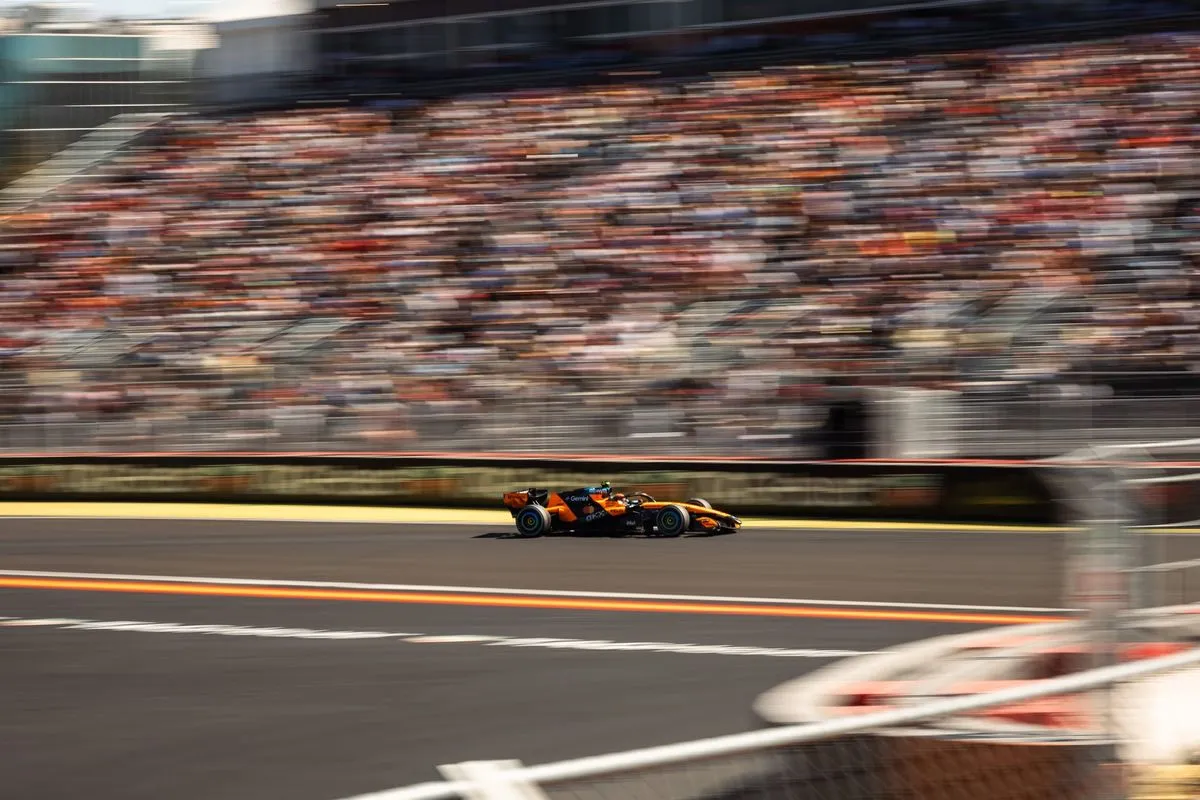
Despite a clear pace advantage, Norris's fate was sealed by two factors: negligible tyre degradation on the hard compound and overtaking being nearly impossible without a big tyre offset. McLaren team principal Andrea Stella believed that if overtaking had been possible, Norris would have been back in the lead. "I think if overtaking was possible today, we would have had Lando again in the lead because the pace advantage was significant," he said.
In the end, Norris finished third, behind Antonelli (who acknowledged his luck) and Max Verstappen. The VSC timing could not have been crueller: too late for Norris to react, and too early for him to benefit. McLaren will analyse whether there was a way to anticipate such a situation in the future.
Two key questions will be the focus for McLaren in the coming days. First, should they have pre-empted the VSC? With hindsight, the best way to save Norris's win would have been to pit as soon as Stroll's situation developed. While nothing could have been done to react faster to the VSC, McLaren wants to understand if there was enough information from the state and location of Stroll's car to predict that the situation would switch from a double yellow to VSC.
Second, could they have made a faster decision? This will be a valuable lesson for the Woking-based team. The Spanish GP serves as a harsh reminder that in F1, luck and strategy often go hand in hand.
Baca Juga
Ulasan podcast Supercars The Bend dan F1 Madrid: drama paritas, kemenangan Toyota, dan kritik debut Madring. Simak analisis lengkapnya di Sportrik.
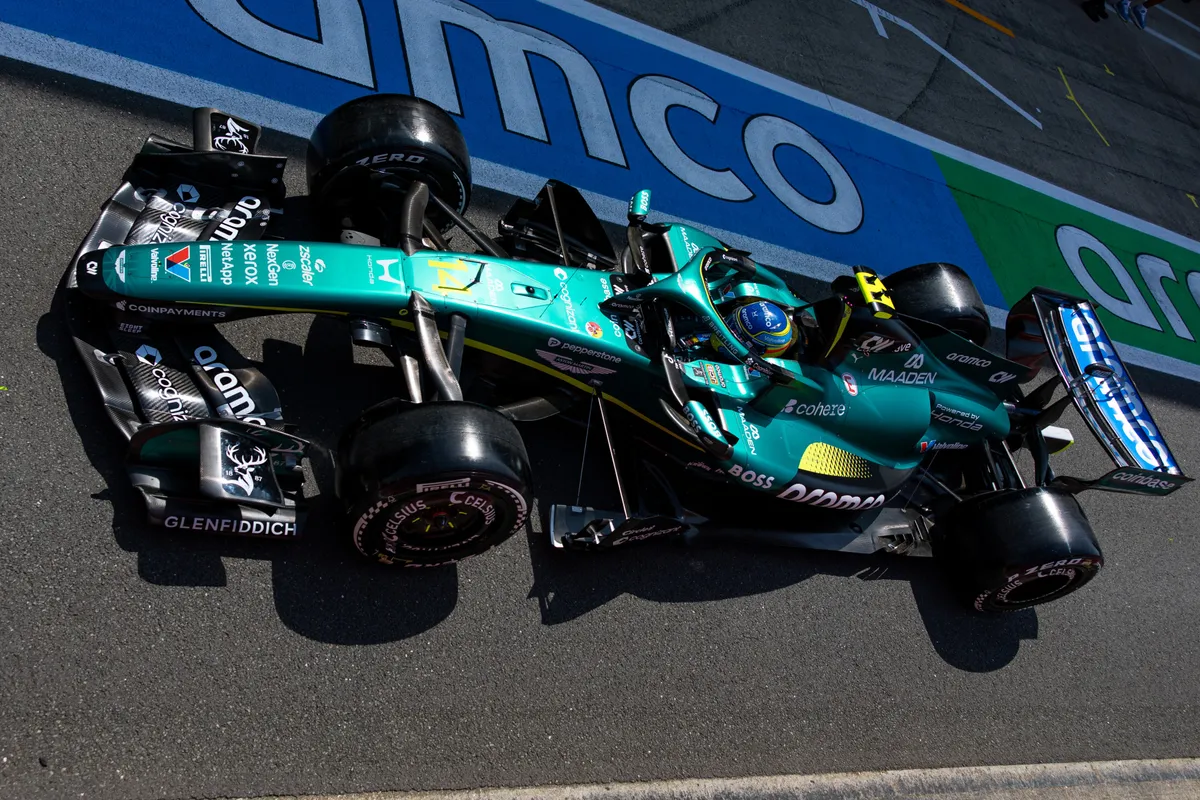
Honda mengganti kepemimpinan mesin F1, Yoichiro Fukao naik jadi Large Project Leader gantikan Tetsushi Kakuda mulai 1 Oktober 2026.
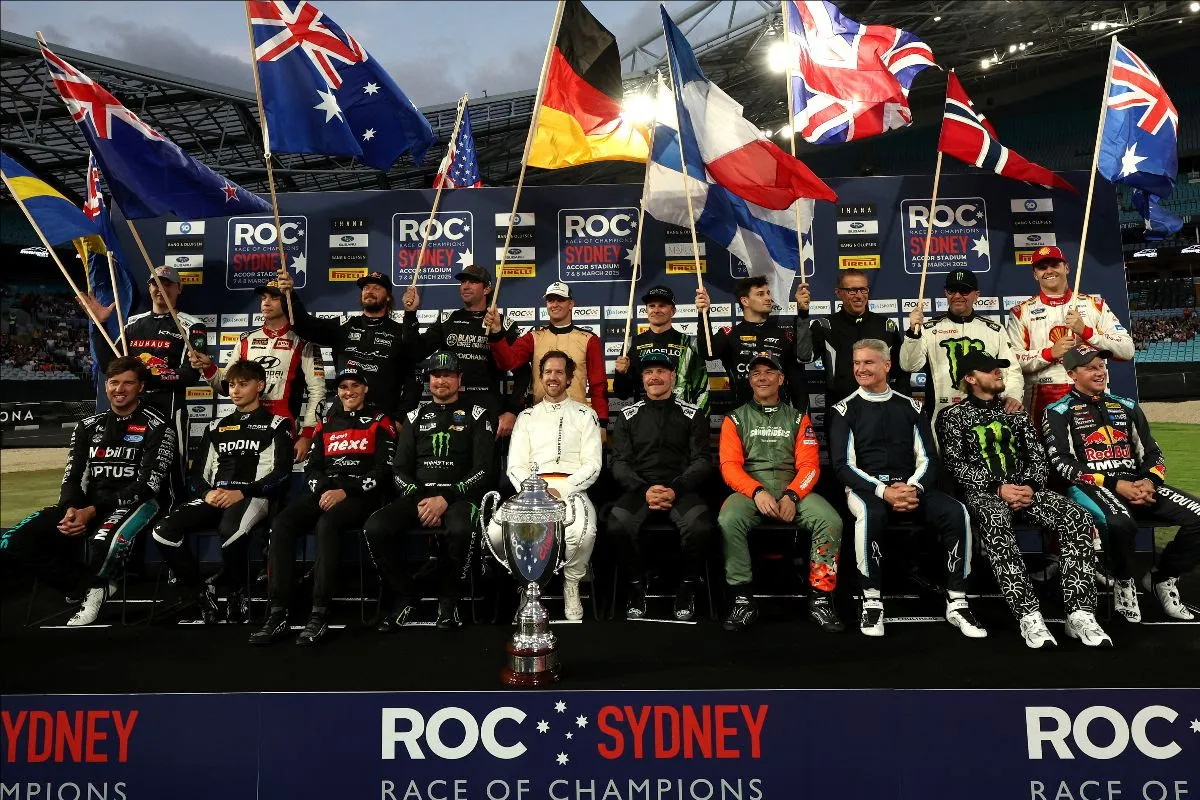
Race of Champions akan debut di Selandia Baru pada 9-10 Januari di Hnry Stadium, Wellington. Sebastian Vettel dan Valtteri Bottas dipastikan tampil.
 Lanjutkan dengan Google
Diskusi & Komentar (0)
Mari Bergabung dalam Diskusi!
Masuk dengan mudah untuk mulai memberikan komentar, membalas, dan berinteraksi dengan pembaca lainnya.
Komentar Terbaru
Belum ada komentar. Jadilah yang pertama!