






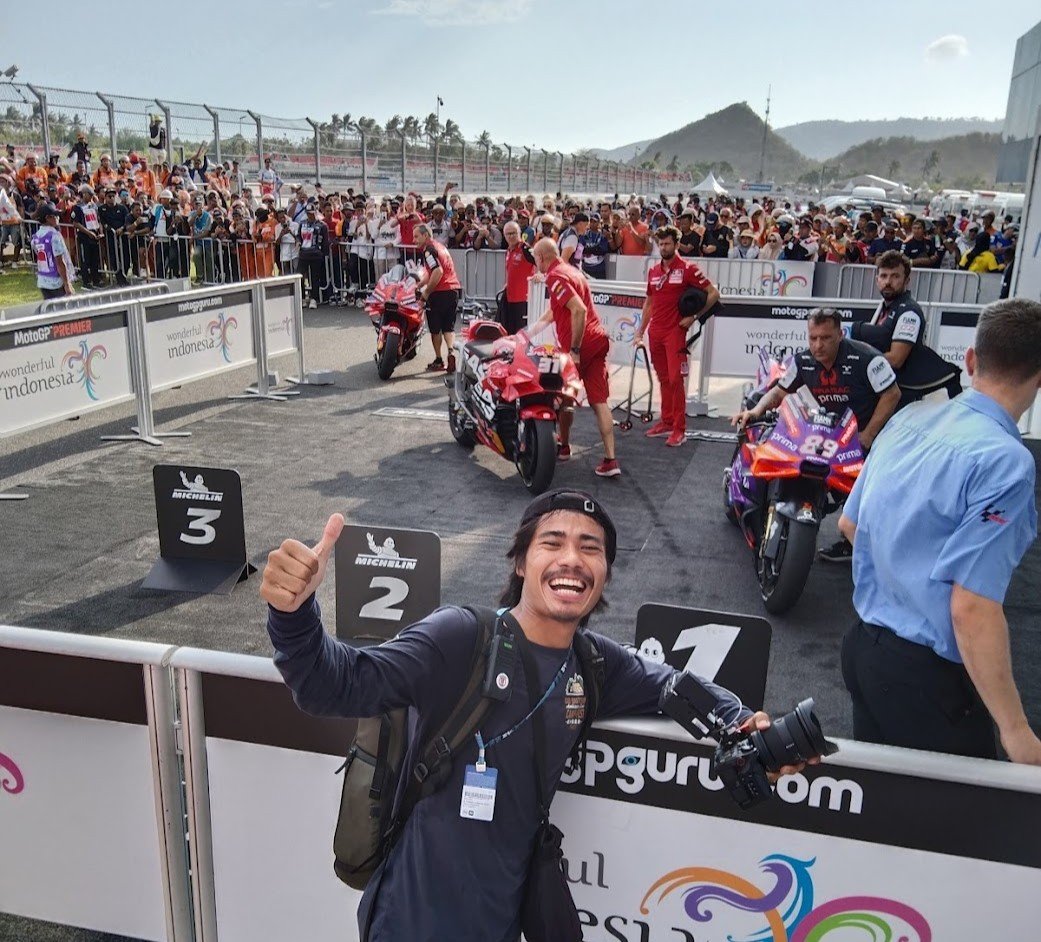

Ahead of the race weekend at the stunning Mandalika Circuit in Lombok, championship promoter MotoGP Sports Entertainment Group officially announced major structural changes to the MotoGP event format starting from the 2027 season. The most notable updates include the elimination of Friday afternoon practice sessions, which will now be replaced by a second free practice followed by a dedicated qualifying session specifically for the Saturday sprint race. Meanwhile, starting grid positions for the main Grand Prix race will be contested through a fresh qualifying format on Saturday morning, exclusively applied to the premier class.
Another controversial decision that immediately sparked intense debate throughout the paddock is the complete abolition of Sunday morning warm-up sessions, which are set to be replaced by several standard introduction laps before the main event. This modification drew immediate, sharp criticism from numerous riders on the grid. Pecco Bagnaia openly labeled the removal of the warm-up session as a major step in the wrong direction, while several competitors also voiced strong concerns over a potentially higher risk of injuries resulting from a more intense schedule.
Addressing the wave of negative feedback during media briefings in Indonesia, Carlos Ezpeleta stepped up to clarify the sporting rationale behind the alterations. The sporting director explained that the modifications did not originate from nowhere, but rather stemmed directly from formal requests brought forward by the competing manufacturers and teams during the race weekend in Misano. The key objectives were to slightly reduce overall track time as requested by factories while simultaneously boosting on-track tension and excitement for fans without compromising rider safety.
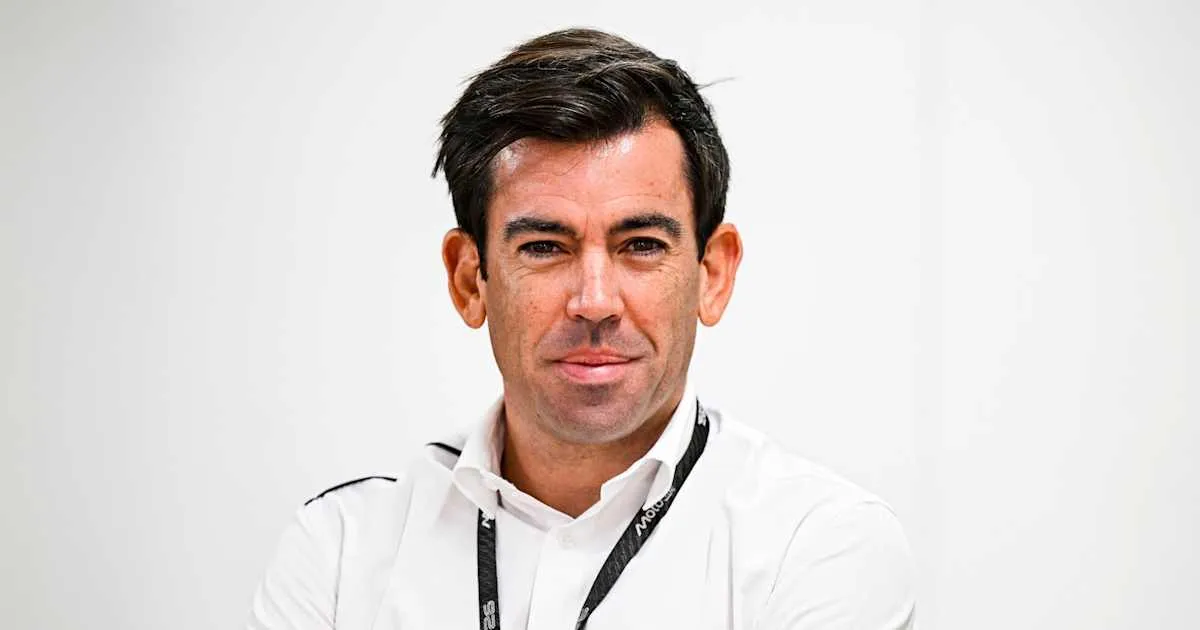
Ezpeleta further emphasized that teams previously used a large portion of Friday sessions purely as extra free practice before executing brief time attacks in the final moments, a pattern also acknowledged by tyre supplier Michelin. By restructuring the schedule, the championship aims to deliver clearer sporting narratives while giving riders who miss out on direct Q2 entry a fresh pathway to fight back. Despite friction regarding communication channels with athletes, management maintains that commercial agreements exist strictly between the promoter and the independent teams.
Baca Juga
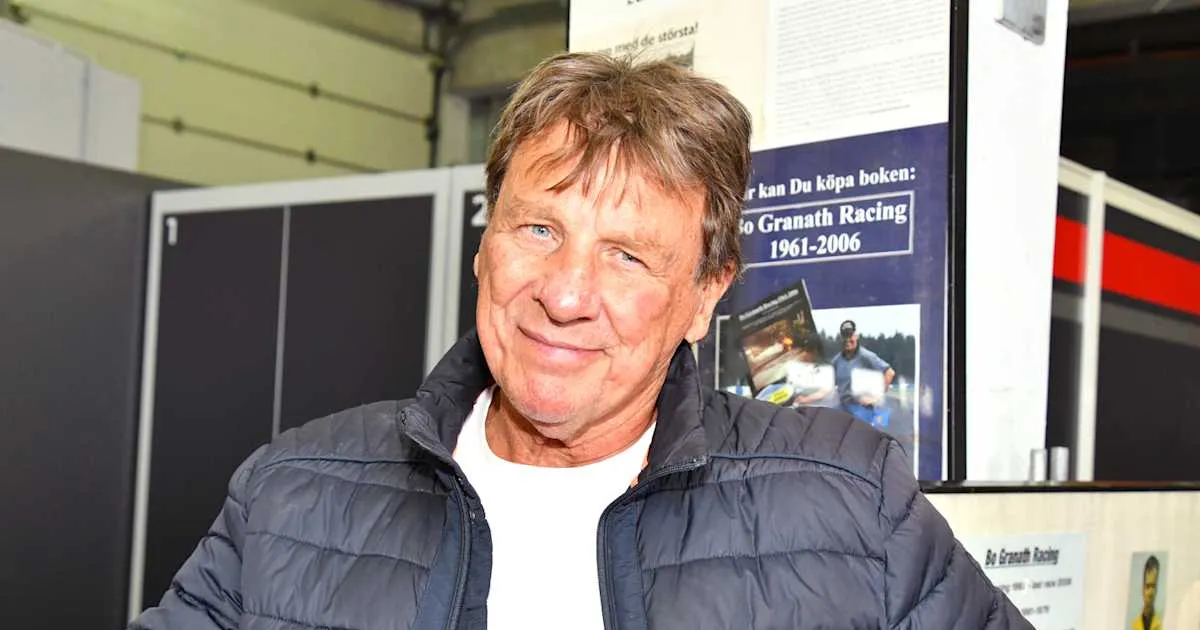
Legenda balap motor Jon Ekerold merayakan ulang tahun ke-80. Kisah perjuangan pebalap privat juara dunia kelas 350cc.
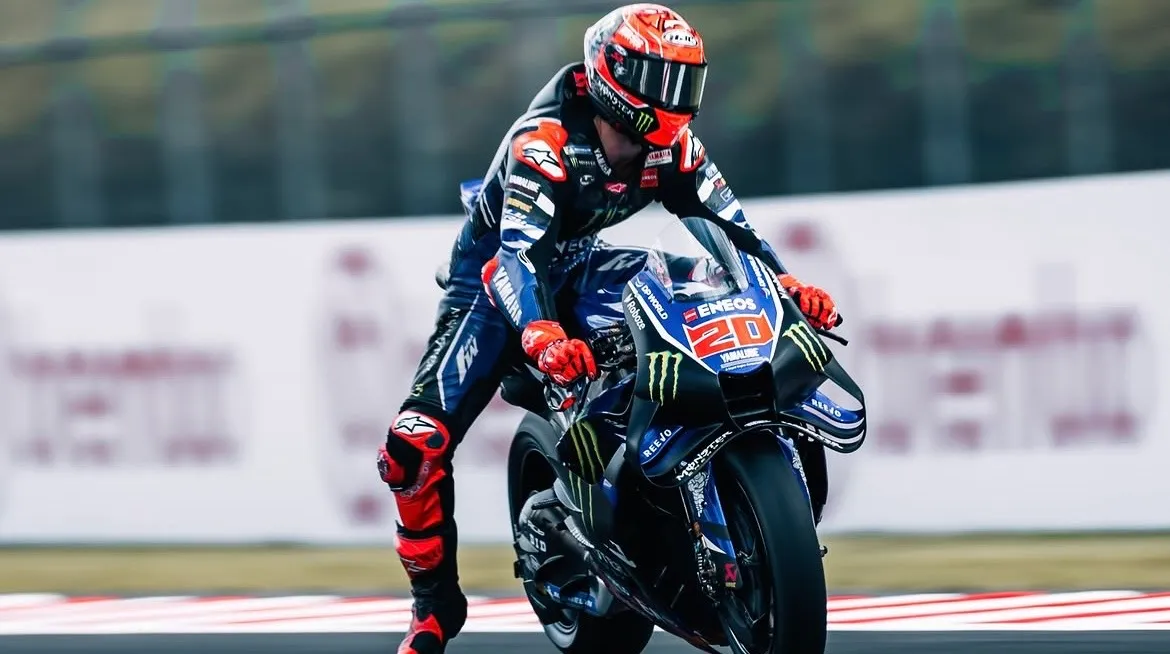
Fabio Quartararo kritisi keamanan gravel Sirkuit Mandalika setelah alami kecelakaan keras di sesi latihan Jumat GP Indonesia MotoGP.
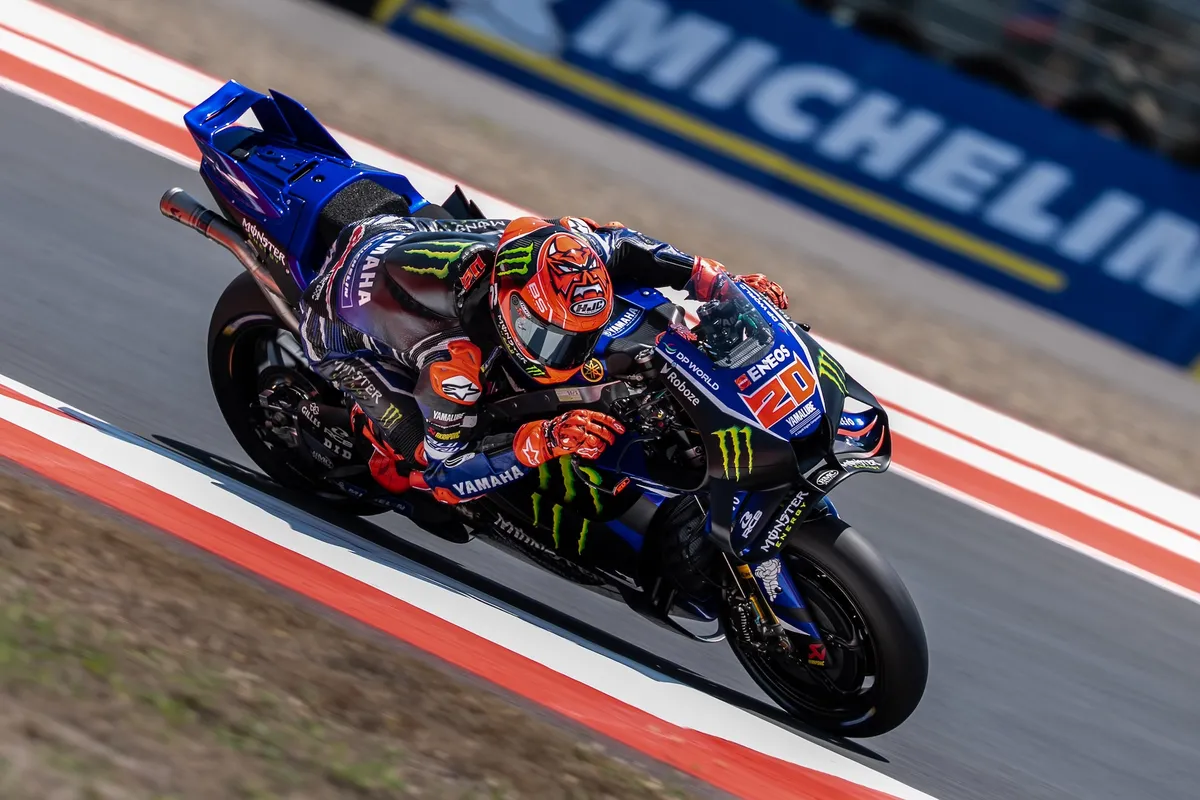
Fabio Quartararo mengkritik keras bahaya grindbak Pertamina Mandalika International Circuit usai mengalami kecelakaan kecepatan tinggi pada FP1 Grand Prix Indonesia.
 Lanjutkan dengan Google
Diskusi & Komentar (0)
Mari Bergabung dalam Diskusi!
Masuk dengan mudah untuk mulai memberikan komentar, membalas, dan berinteraksi dengan pembaca lainnya.
Komentar Terbaru
Belum ada komentar. Jadilah yang pertama!