







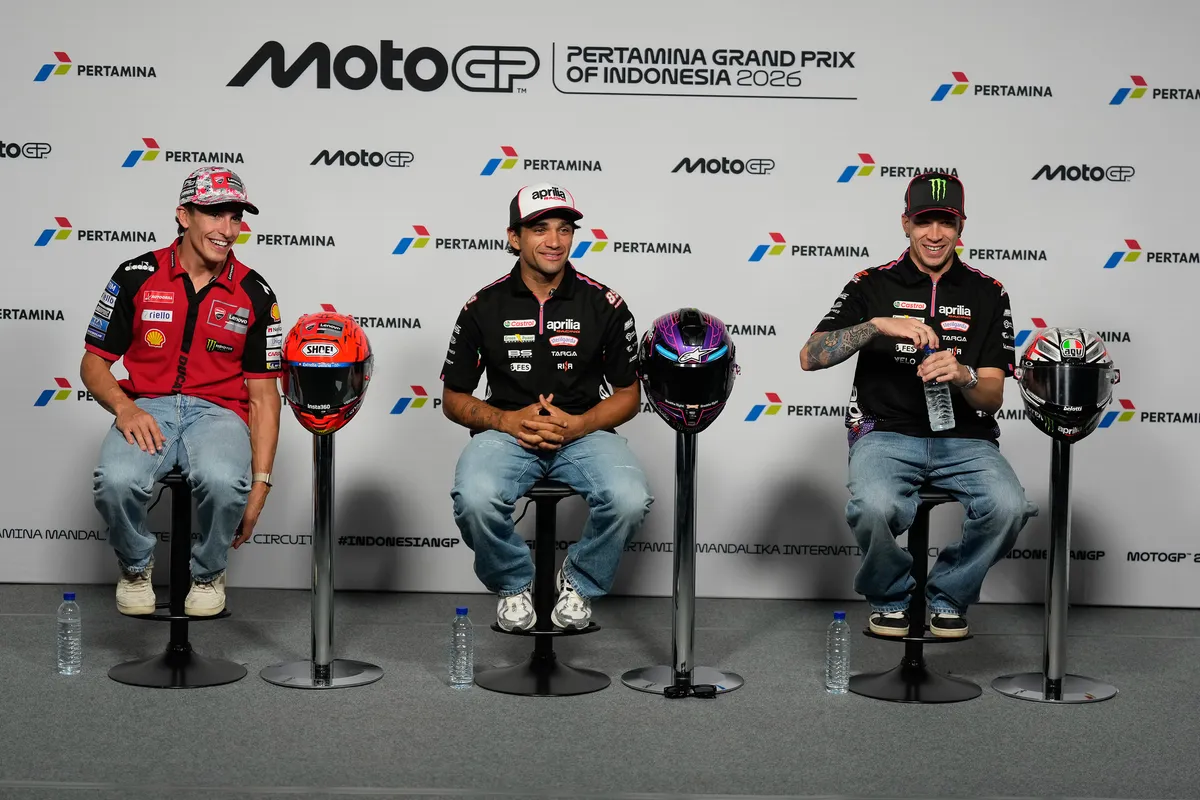

The atmosphere inside the MotoGP paddock has reached a boiling point following the official announcement of the radical weekend format changes slated to take effect in the 2027 season. The sweeping modifications immediately sparked sharp divisions among the grid, centering around the introduction of a separate qualifying session for Friday's Sprint races and the controversial elimination of Sunday morning's traditional warm-up. While several riders praised the commercial appeal, major names have openly challenged the soaring physical and mental toll.
Leading the opposition, Marc Marquez openly questioned the ultimate objective behind the organizing body's aggressive scheduling overhaul. The multi-time world champion stressed that the relentless intensity leaves very little room for rider input, leaving them with no practical alternative but to comply. "It would be interesting to know what the exact purpose of these changes is. For us as riders, it means more intensity and a greater burden, while the current format is already demanding enough. But we didn't make this decision. The teams and the organization decide. You accept it or you leave. That's just how it works," the Ducati star stated firmly during the media day sessions.
Echoing these serious concerns, Pedro Acosta voiced his frustration over what he perceives as a top-down mandate imposed without genuine consultation. With a punishing calendar featuring 22 Grands Prix alongside matching Sprint events, the young sensation warned that pushing competitors to the absolute limit risks shortening professional careers through an alarming rise in injuries. "It doesn't really matter what we think about it, because we weren't given a choice. It is simply imposed on us. Look at the current starting grid and try to find four riders who haven't been injured this season. There are very few," Acosta remarked regarding the unsustainable physical strain.
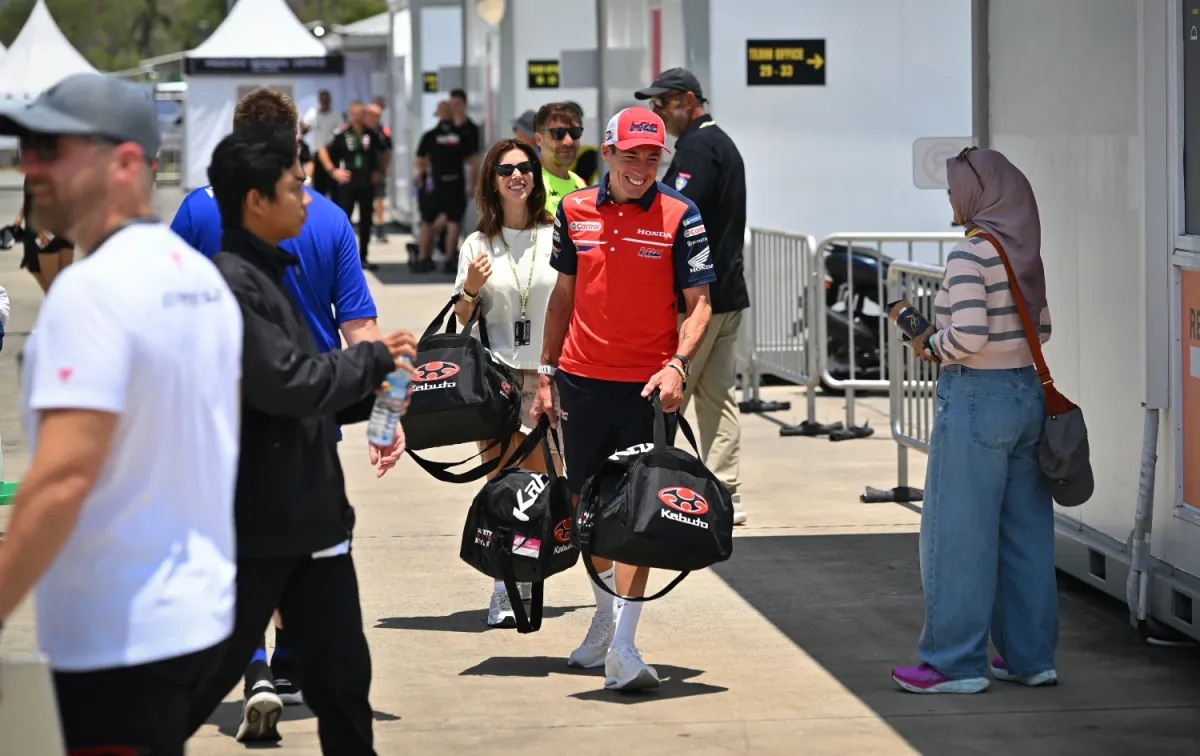
Conversely, a contrasting viewpoint emerged from within the paddock as other competitors embraced the technical adjustments. Francesco Bagnaia argued that having two distinct qualifying sessions actually provides a fairer strategic opportunity during race weekends. Furthermore, the Italian factory rider pointed out that the core proposals were previously brought up during the Safety Commission meetings in Motegi, where the few attendees raised no major objections aside from keeping Sunday's warm-up. This sentiment was similarly supported by Luca Marini, who emphasized the entertainment value for fans.
Ultimately, the simmering controversy highlights a deeper structural issue regarding rider representation and communication channels with championship organizers. The lack of unified bargaining power and poor attendance at safety meetings continue to leave competitors divided over their own future. As discussions persist, the paddock realizes that creating a cohesive collective voice remains an urgent necessity to balance sporting spectacle with athlete longevity in the premier class.
Baca Juga
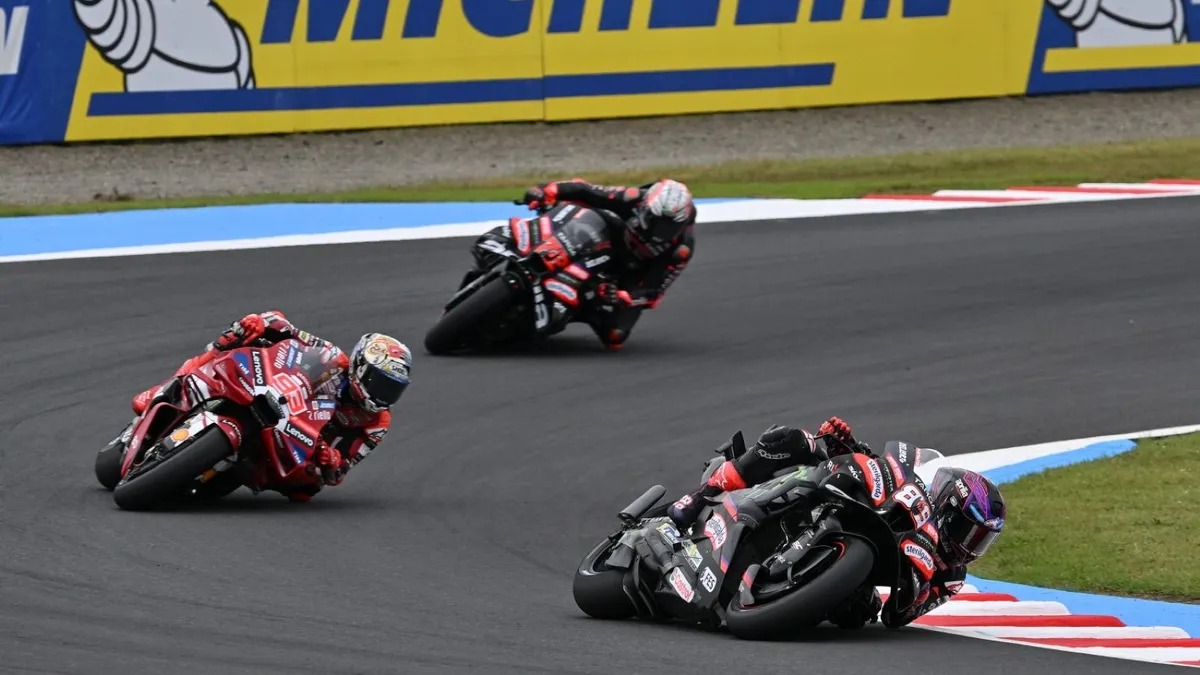
Perebutan gelar MotoGP memanas di Mandalika dengan Jorge Martin dan Marc Marquez hanya terpaut dua poin di puncak klasemen sementara.
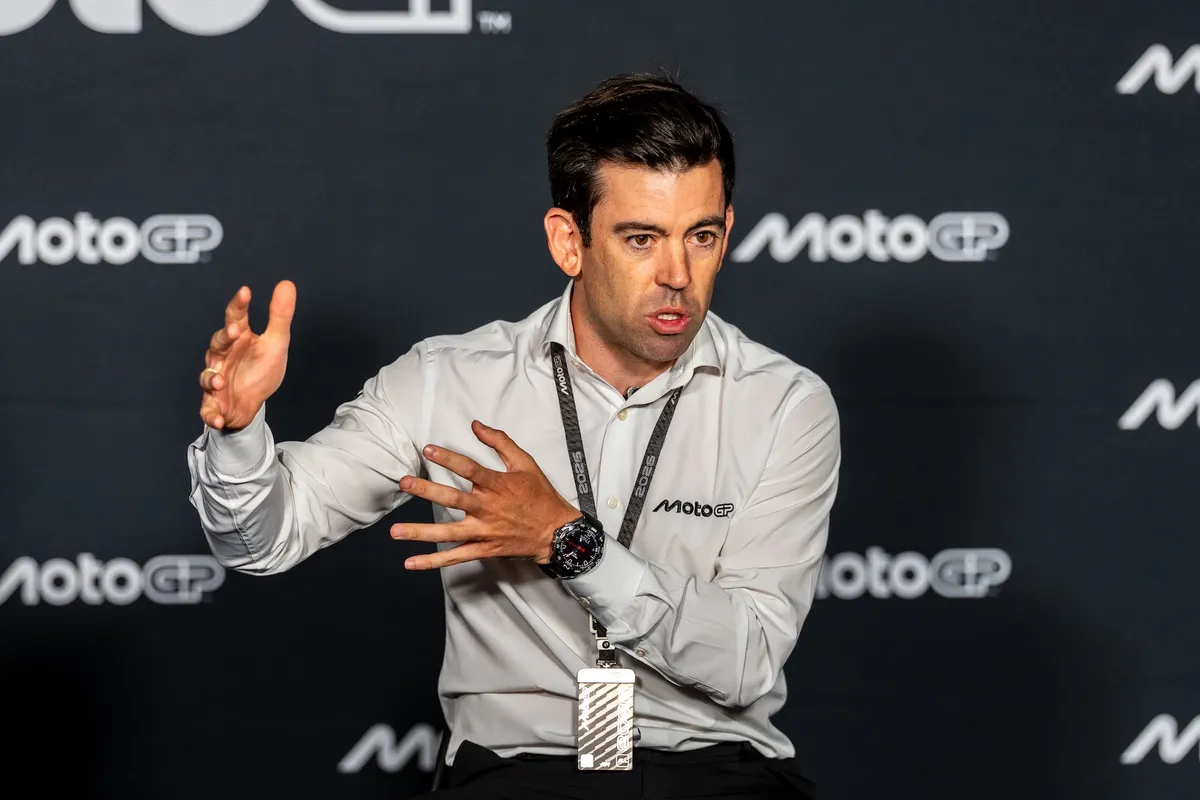
Carlos Ezpeleta membela format baru MotoGP 2027 dan menegaskan usul perubahan datang dari tim dan pabrikan sendiri demi keselamatan.
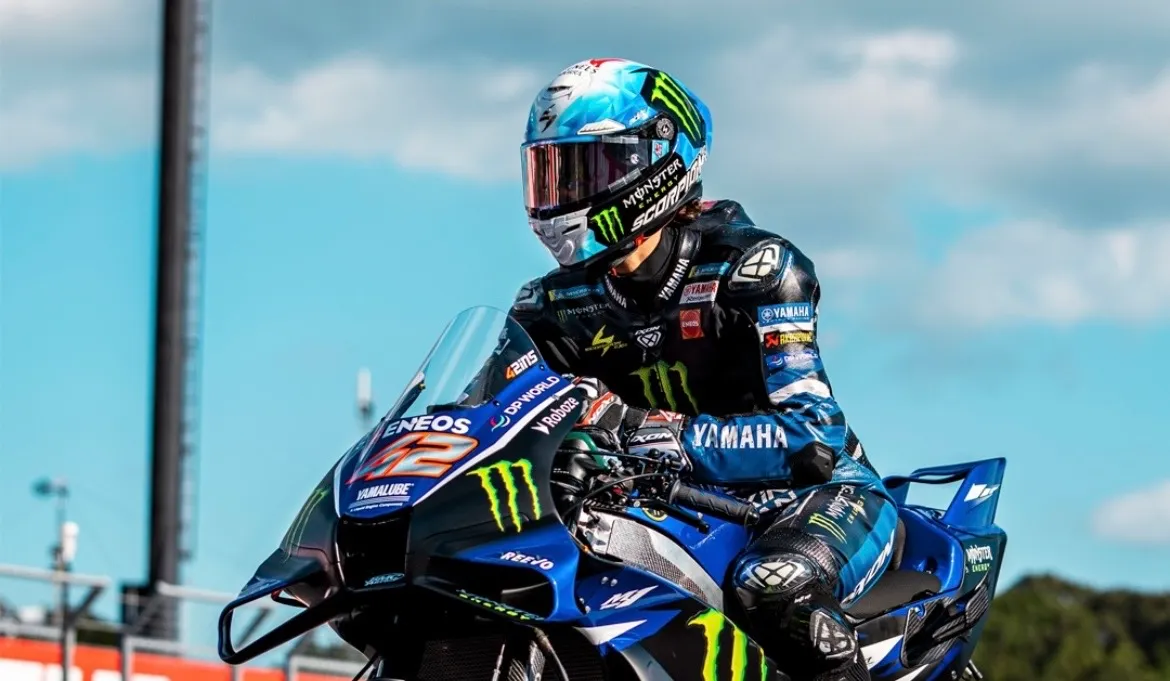
Alex Rins komentari format baru MotoGP, sebut sesi warm-up tidak berguna, dan bahas tantangan adaptasi bersama Yamaha di paddock.
 Lanjutkan dengan Google
Diskusi & Komentar (0)
Mari Bergabung dalam Diskusi!
Masuk dengan mudah untuk mulai memberikan komentar, membalas, dan berinteraksi dengan pembaca lainnya.
Komentar Terbaru
Belum ada komentar. Jadilah yang pertama!