







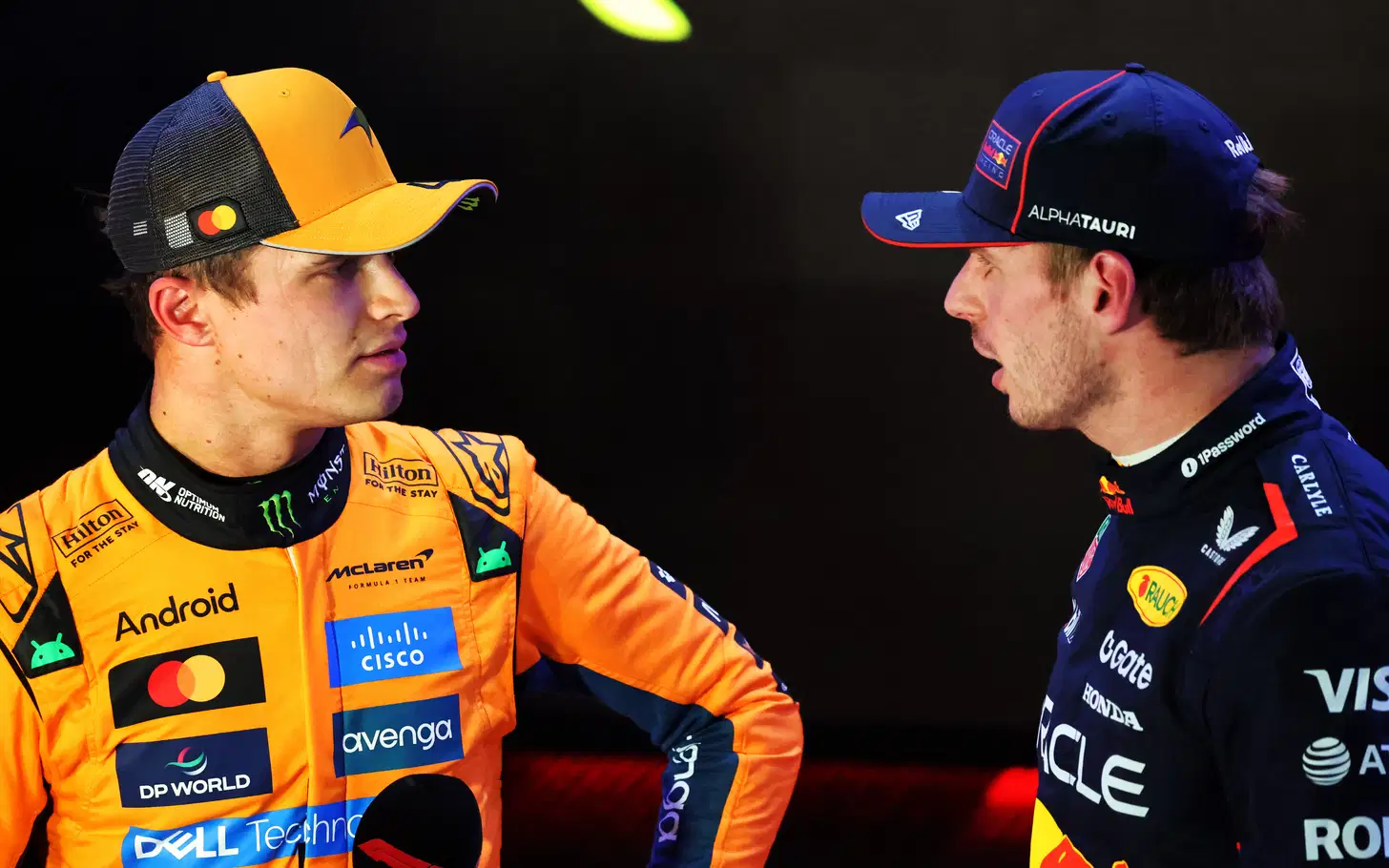

Formula 1, Sportrik Media - Former Formula 1 driver Juan Pablo Montoya has strongly criticised the remarks made by Max Verstappen and Lando Norris regarding the new Formula 1 regulations introduced for the 2026 season, arguing that their comments crossed the line from criticism into disrespect toward the sport.
Since the introduction of the new technical regulations in 2026, several drivers have raised concerns about the direction of Formula 1’s technological development. The most significant change is the new power unit architecture, which now relies on a 50–50 split between internal combustion engine output and electrical energy deployment.
This major shift toward electrification has significantly increased the importance of energy management throughout a race weekend. Drivers must now carefully control energy deployment not only during a grand prix but also during qualifying laps, where efficiency and battery management can influence overall performance.
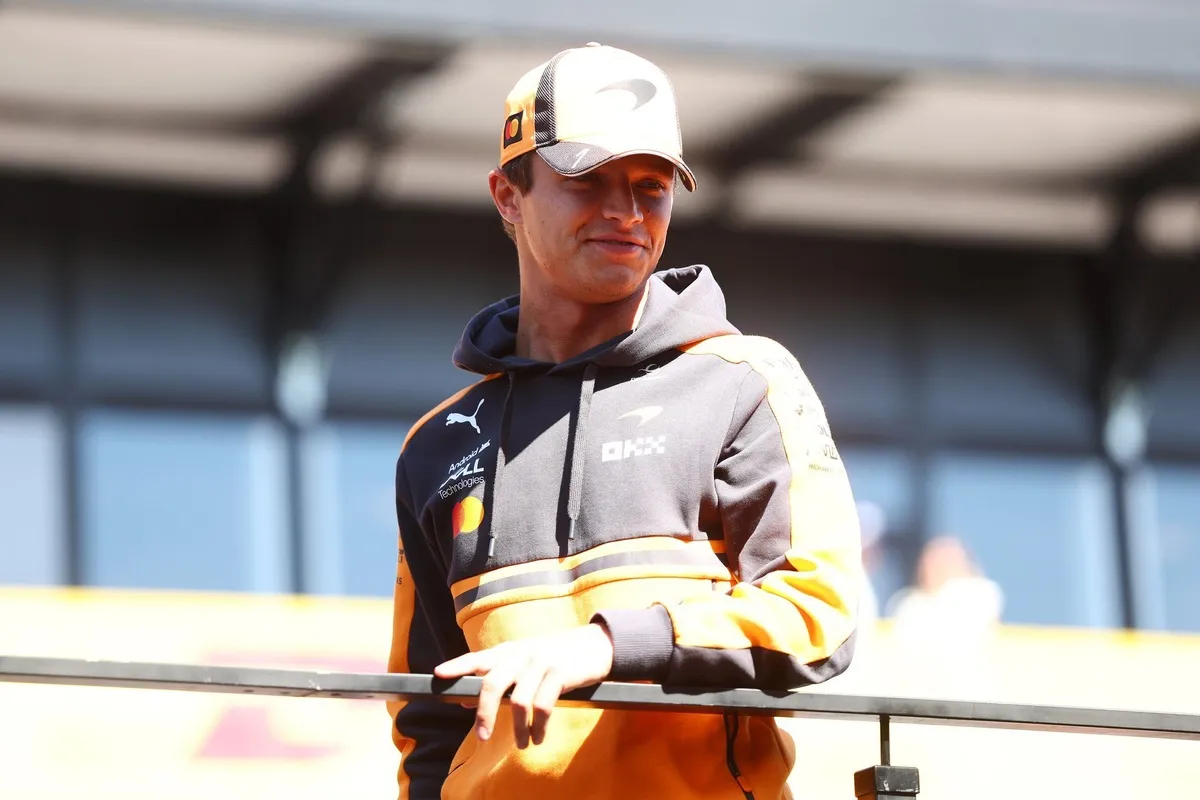
For some drivers, this increased emphasis on energy management has altered the traditional driving style associated with Formula 1. Instead of focusing purely on mechanical grip and aerodynamic performance, drivers must now integrate complex hybrid strategies into their racecraft.
Among the most outspoken critics of these changes has been Verstappen. The four-time world champion from Red Bull Racing first expressed frustration during pre-season testing in Bahrain.
His criticism intensified during the Chinese Grand Prix weekend, where Verstappen described the racing under the new rules as resembling “Mario Kart” and even suggested that Formula 1 had become “a joke”.
Those remarks quickly attracted widespread attention across the paddock and the motorsport community, given Verstappen’s status as one of the most influential drivers on the current grid.
Meanwhile, McLaren driver Norris also expressed concerns about the direction of the sport. According to Norris, the current generation of drivers has effectively been forced to rethink many of the fundamental lessons learned throughout their single-seater careers.
Norris suggested that the current format of Formula 1 may no longer resemble the type of racing that many drivers dreamed of competing in when they first entered motorsport.
These comments prompted a strong response from Montoya, a seven-time Formula 1 grand prix winner during his own career. The Colombian believes the remarks from Verstappen and Norris have gone beyond reasonable criticism.
According to Montoya, Formula 1 should take a firm stance when drivers publicly mock the sport.
“At some point, Formula 1 needs to do what the sports world in the United States does: for people who don’t respect the sport, there’s the door,” said Juan Pablo Montoya when speaking to AS Colombia.
Montoya suggested that the governing bodies of the sport could consider disciplinary measures if comments are perceived as undermining Formula 1’s reputation.
“They can leave or get a fine, so they truly learn to respect what they’re doing,” he added.
Despite his strong criticism, Montoya acknowledged that drivers have the right to express their opinions about the regulations and the direction of the sport.
However, he believes there is a difference between constructive feedback and comments that openly ridicule Formula 1.
“It’s fine for people to have an opinion. I’m not saying they have to like it,” Montoya explained.
“But mocking Formula 1 and comparing it to Mario Kart should not be accepted by the sport.”
The debate highlights the broader challenges facing Formula 1 as it enters a new technological era. The 2026 regulations were designed to increase energy efficiency and align the sport more closely with future automotive technologies.
However, such significant changes inevitably require adaptation from both teams and drivers. As the hybrid systems become more complex, drivers must adjust their racing strategies and driving styles to remain competitive.
Some competitors argue that the increased focus on energy management adds a new strategic dimension to racing. Others believe it risks reducing the emphasis on pure driving performance that has traditionally defined Formula 1.
Throughout its history, Formula 1 has experienced numerous technological revolutions, from ground-effect aerodynamics to the introduction of hybrid power units. Each transition has generated debate and resistance before eventually becoming an accepted part of the sport’s evolution.
In this context, the criticism voiced by Verstappen and Norris reflects the tension between Formula 1’s heritage and its push toward future technologies.
As the 2026 season continues, the effectiveness of the new regulations will likely become clearer as teams gain more experience with the advanced hybrid systems. At the same time, discussions about the balance between innovation and the core identity of Formula 1 are expected to remain a central topic throughout the championship.
Baca Juga
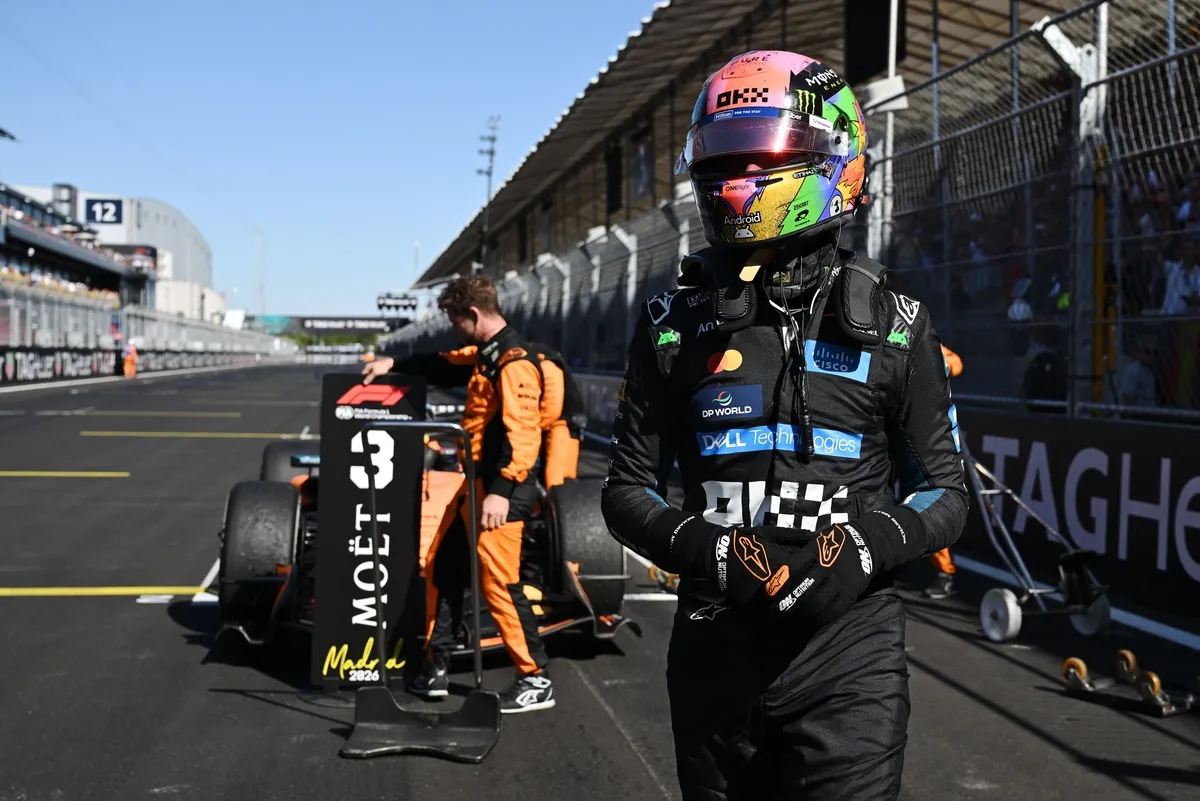
Analisis mengapa F1 tak perlu ubah aturan usai Lando Norris kehilangan kemenangan di GP Spanyol karena Virtual Safety Car. Simak ulasan lengkapnya.
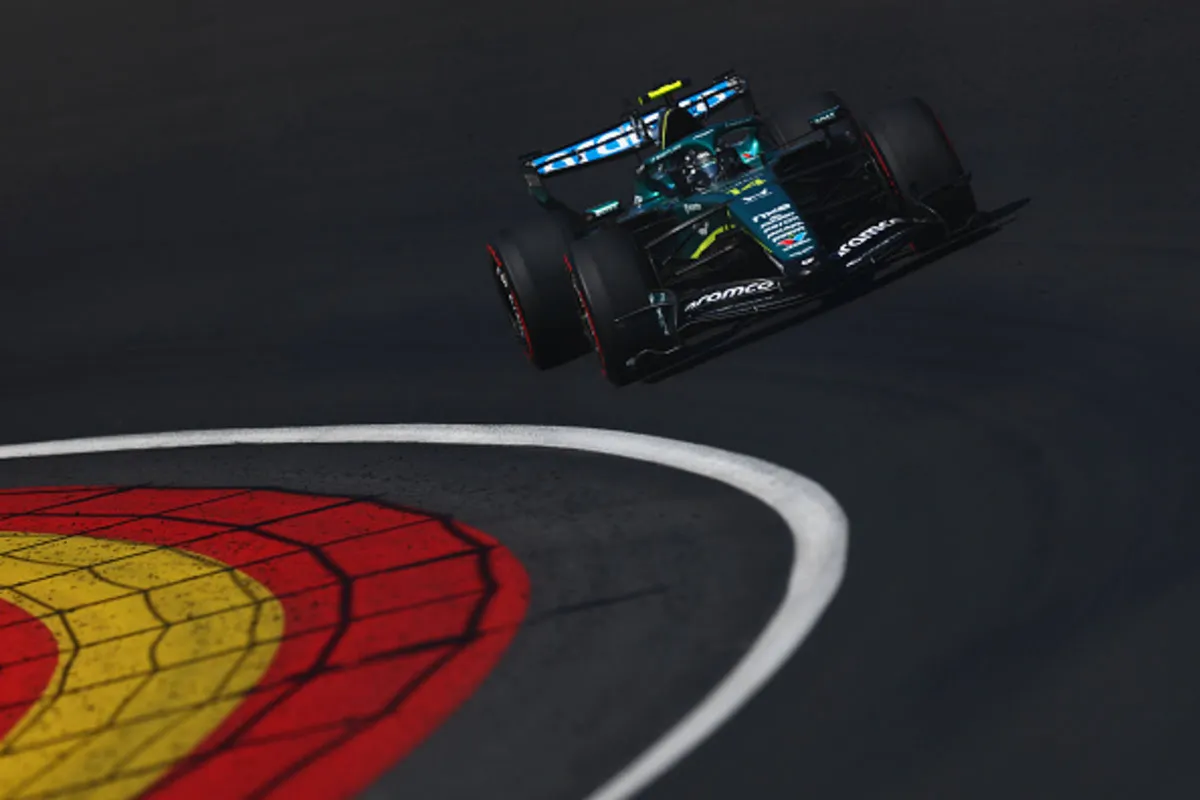
Fernando Alonso sebut penalti Carlos Sainz sudah tepat setelah insiden yang membuatnya finis ke-17 di GP Spanyol. Aston Martin terpuruk, Stroll juga DNF.
Rating pembalap F1 GP Spanyol 2026: Norris tertinggi meski finis ketiga, Antonelli juara. Simak analisis lengkap dan rating pembalap di sini.
 Lanjutkan dengan Google
Diskusi & Komentar (0)
Mari Bergabung dalam Diskusi!
Masuk dengan mudah untuk mulai memberikan komentar, membalas, dan berinteraksi dengan pembaca lainnya.
Komentar Terbaru
Belum ada komentar. Jadilah yang pertama!