








Transitioning from the pinnacle of European single-seaters to the ultra-competitive American racing scene brought a refreshing change of perspective for Mick Schumacher. Following his debut campaign in the American single-seater series with Rahal Letterman Lannigan Racing—which concluded with 23rd in the standings and a season-best eighth place finish in Nashville—the German driver is now gearing up for his next chapter with Meyer Shank Racing. Having contested 43 Grands Prix in Formula 1, his journey provides a unique vantage point to evaluate the contrasting cultures of the two major racing worlds.
Reflecting on the appeal of his new racing home across the Atlantic, Mick Schumacher highlighted the championship's exceptional accessibility for fans and families alike. "IndyCar is super. I can actually only recommend checking out a race or the weekend as a whole. It is genuinely a lovely experience for everyone, especially for families. IndyCar places a huge emphasis on letting people get close to the drivers, as well as to the track and the cars themselves," he noted regarding the fan-first philosophy embedded within the paddock culture.
The most striking difference observed by the former Mercedes-AMG Petronas reserve driver lies in the daily rhythm and social camaraderie among competitors, which stands in stark contrast to the high-pressure environment of Grand Prix racing. Weekend schedules allow for a more relaxed atmosphere where social interactions extend far beyond technical debriefs. "The work itself is already different. There is a lot going on, but it is not really comparable to Formula 1. It is genuinely a nice feeling. You can meet up with other drivers in the evening and just chat where it is not necessarily about racing, you just talk about life, which actually happens relatively rarely in Formula 1. And that is very pleasant," he explained.
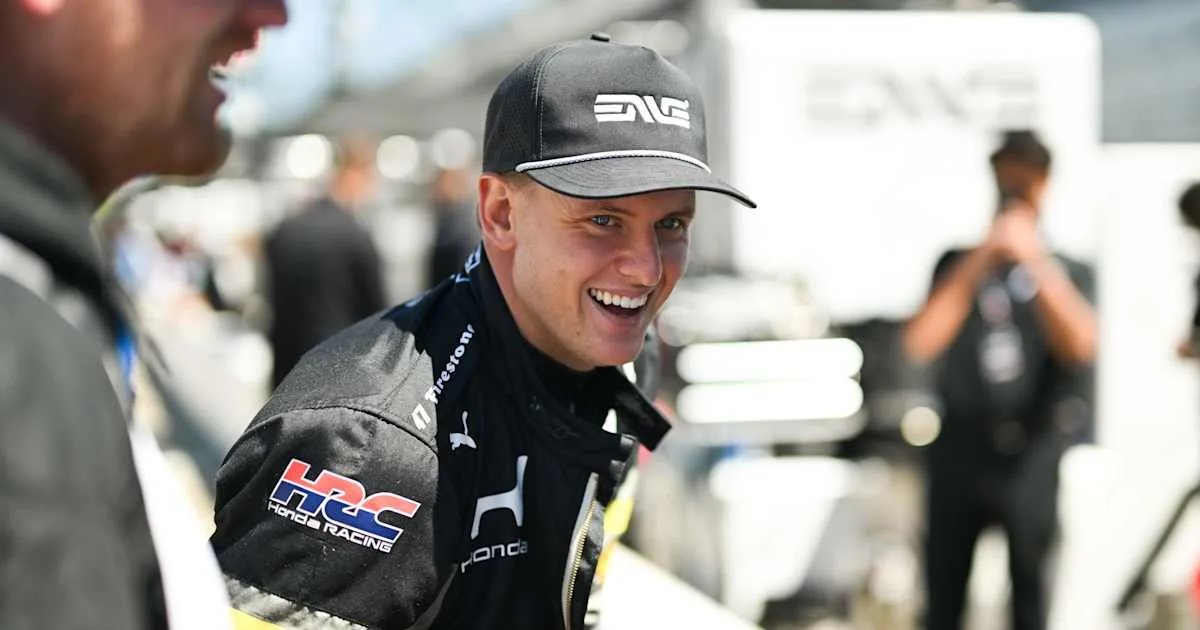
This tight-knit, community-driven spirit even translates into post-race gatherings following major endurance spectacles. The relaxed environment after marquee events creates a communal campground vibe where competitors unwind together. "At the Indy 500, that is obviously the biggest thing where I believe almost every driver has a motorhome. After the race, on that Sunday and also on Monday, it is like a campsite where everyone sits outside and shares a barbecue and eats and drinks together. So it is very different from what I am used to," he added.
Crucially, the reigning narrative centers on how developmental pathways differ in terms of driver confidence and risk assessment. Drawing from his formative years and early career hurdles, he perceives a distinct philosophy regarding driver development in North America. "I believe that young drivers in IndyCar can show and are allowed to show more potential. I felt more that they are in favor of pushing beyond the limit so that you know where it is, rather than saying: do not even go that far because we cannot afford it. And accordingly, I find that as a young driver there is already the opportunity to drive more freely and accordingly to be allowed to try things out," he concluded.
Baca Juga
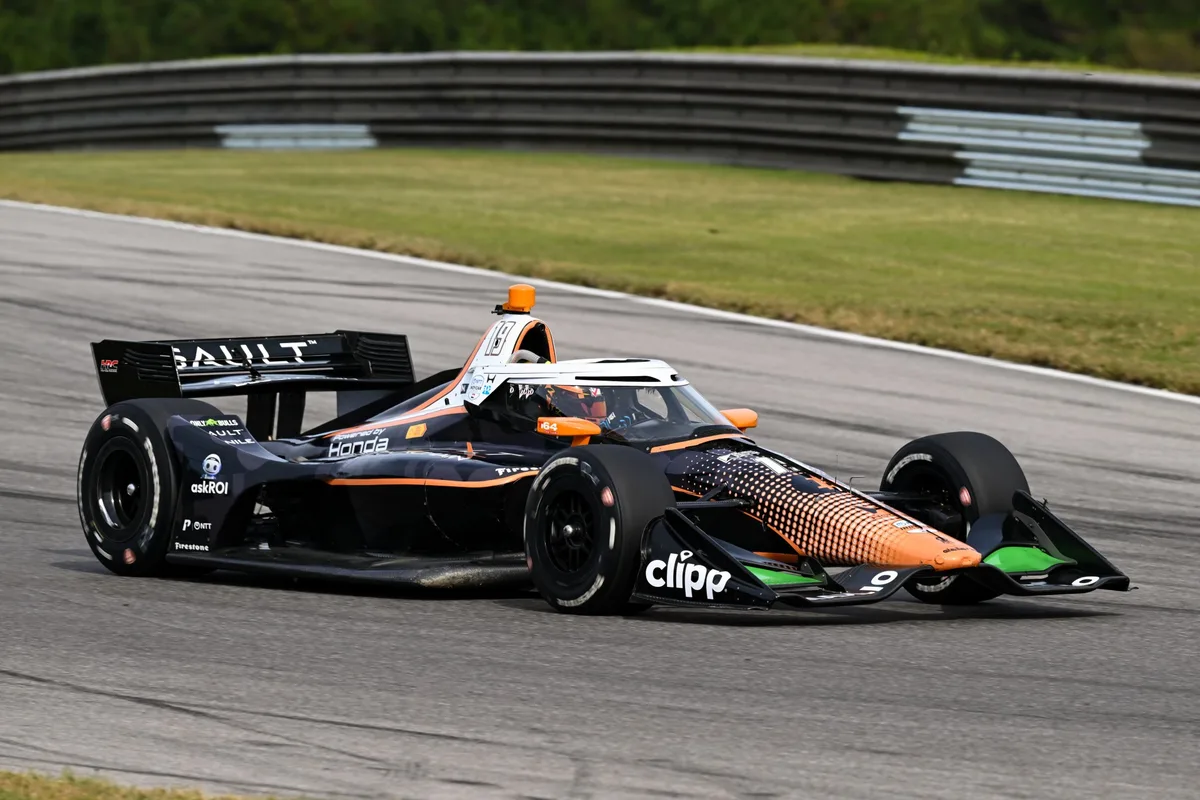
Nikita Johnson siap debut di IndyCar bersama Dale Coyne Racing usai jadi juara Indy NXT termuda. Baca analisis mendalam dan target musim perdananya di sini!
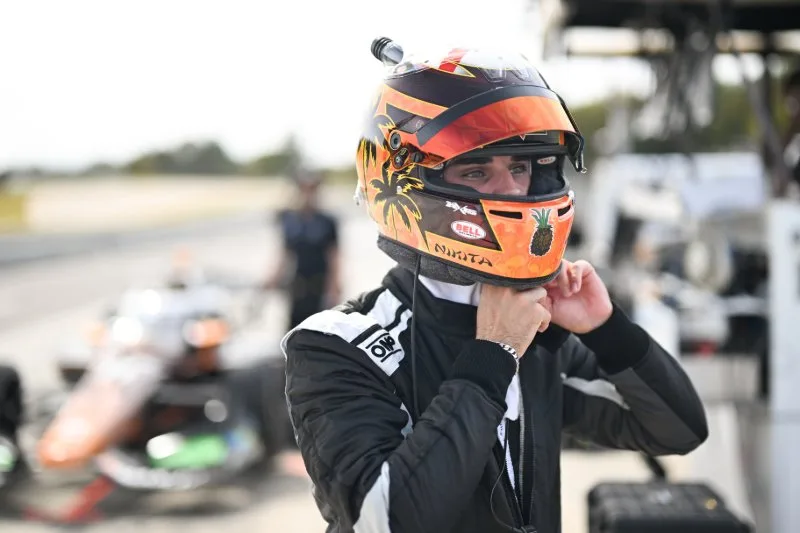
Nikita Johnson resmi promosi ke IndyCar bersama Dale Coyne Racing untuk musim 2027. Simak analisis perjalanan karier sang juara IndyNXT ini di sini.
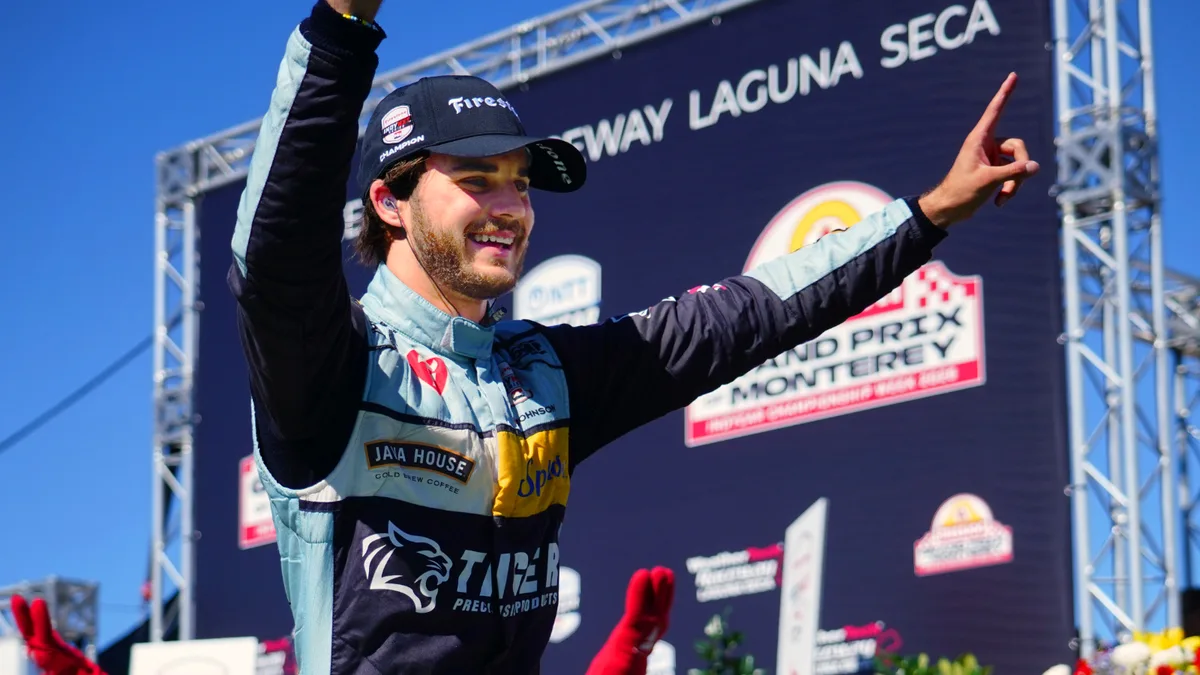
Jawara IndyNXT Nikita Johnson resmi amankan kursi Dale Coyne Racing. Baca analisis persaingan rookie dan ulasan lengkap transfer paddock di sini!
 Lanjutkan dengan Google
Diskusi & Komentar (0)
Mari Bergabung dalam Diskusi!
Masuk dengan mudah untuk mulai memberikan komentar, membalas, dan berinteraksi dengan pembaca lainnya.
Komentar Terbaru
Belum ada komentar. Jadilah yang pertama!