






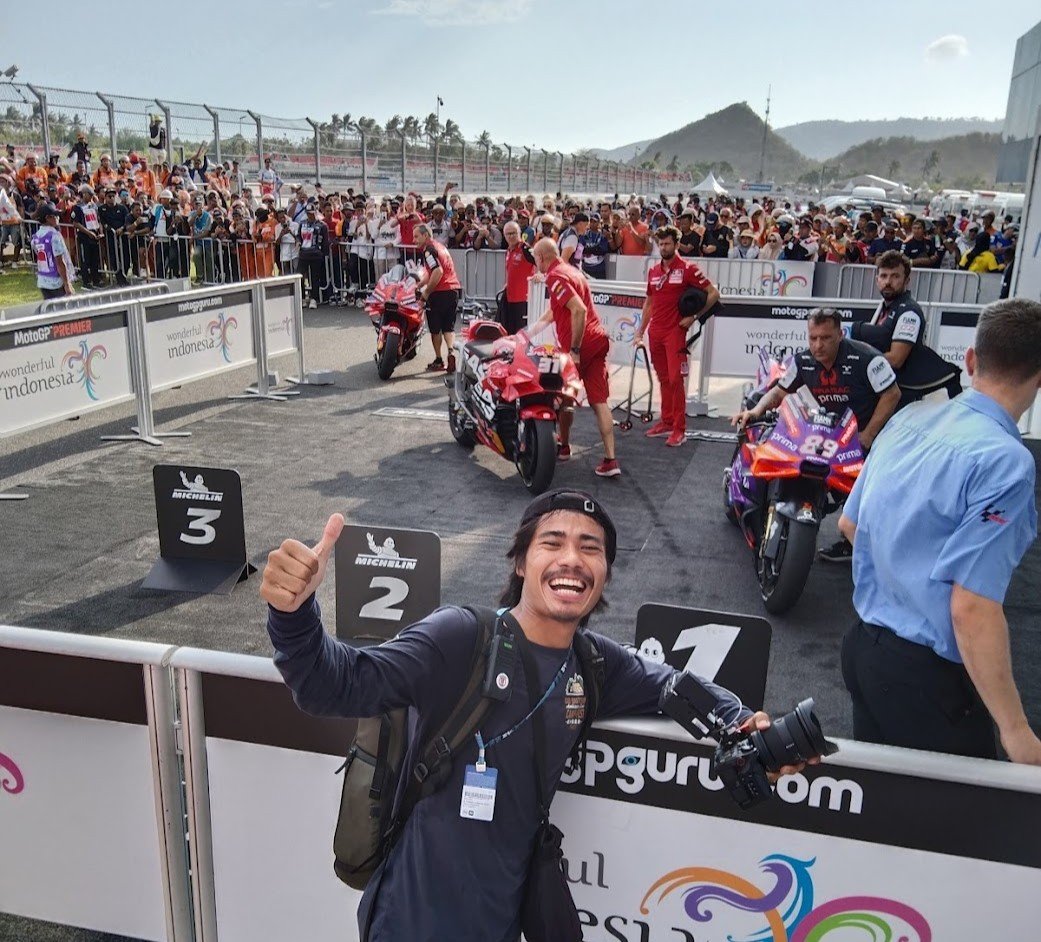


McLaren is accelerating development of its “circular” Formula 1 car concept as part of the team’s long-term sustainability strategy. McLaren CEO Zak Brown confirmed the initiative has become one of the organisation’s key priorities in reducing manufacturing waste and environmental impact without compromising on-track competitiveness.
In this context, the circular concept refers to a production system designed to minimise waste while maximising the reuse of materials throughout the entire race car development cycle. Working alongside technology partners Google and Deloitte, McLaren has developed a roadmap aimed at transforming how Formula 1 cars are designed, manufactured, and reused in the modern era.
According to McLaren, the roadmap is intended to create a production process capable of reducing environmental impact at every stage of car development. The programme also forms a major part of Formula 1’s broader sustainability objectives as global scrutiny surrounding motorsport’s carbon footprint continues to increase.

In its 2025 sustainability report, McLaren revealed that total production waste had fallen by 14 percent compared to the previous year. The Woking-based organisation also achieved a 40 percent reduction in hazardous waste disposal from composites manufacturing versus 2024.
McLaren further confirmed it maintained a 22 percent circularity rate in the production of its Formula 1 chassis. That process includes the use of recycled metals, bio-derived materials, general waste recycling, and hazardous liquid recycling throughout manufacturing operations.
The team has also started reassessing the volume and type of materials traditionally used in Formula 1 car production. The move is considered important because modern F1 remains heavily dependent on high-performance composite materials that are typically energy intensive to manufacture and difficult to recycle.
Beyond race car development, McLaren’s Accelerator programme has continued expanding through its collaboration with the Great Barrier Reef Foundation. Since 2023, McLaren has been developing a technology project called OSCAR (Operational System for Coral Assembly and Restoration) to support coral reef restoration efforts.
The robotic system significantly reduces production time for coral cradles from 90 seconds manually to just 10 seconds per unit. Production capacity has also increased from approximately 100,000 to more than one million cradles annually. The technology is currently being tested in Australia before potentially being introduced to reef restoration projects globally.
“As our sport continues to grow around the world, it is increasingly important that we work hard to reduce our impact on the planet and pressure on global resources,” Brown said.
“It’s fantastic to see the McLaren Accelerator team applying motorsport expertise to other industries, with our engineers working alongside marine biologists to develop coral restoration solutions. I’m also excited by the work we’re doing with Deloitte and Google to continue building a fully circular Formula 1 car.”
McLaren’s initiative highlights how Formula 1 is increasingly evolving into a broader sustainable technology platform beyond pure motorsport competition. With environmental regulations becoming stricter and global pressure growing around manufacturing efficiency, the circular F1 car project could represent a significant future direction for the motorsport industry in the coming years.
Baca Juga

Christian Horner desak F1 tinjau ulang regulasi budget cap karena tim tetap belanja hingga 600 juta dolar. Baca analisis mendalam di sini.
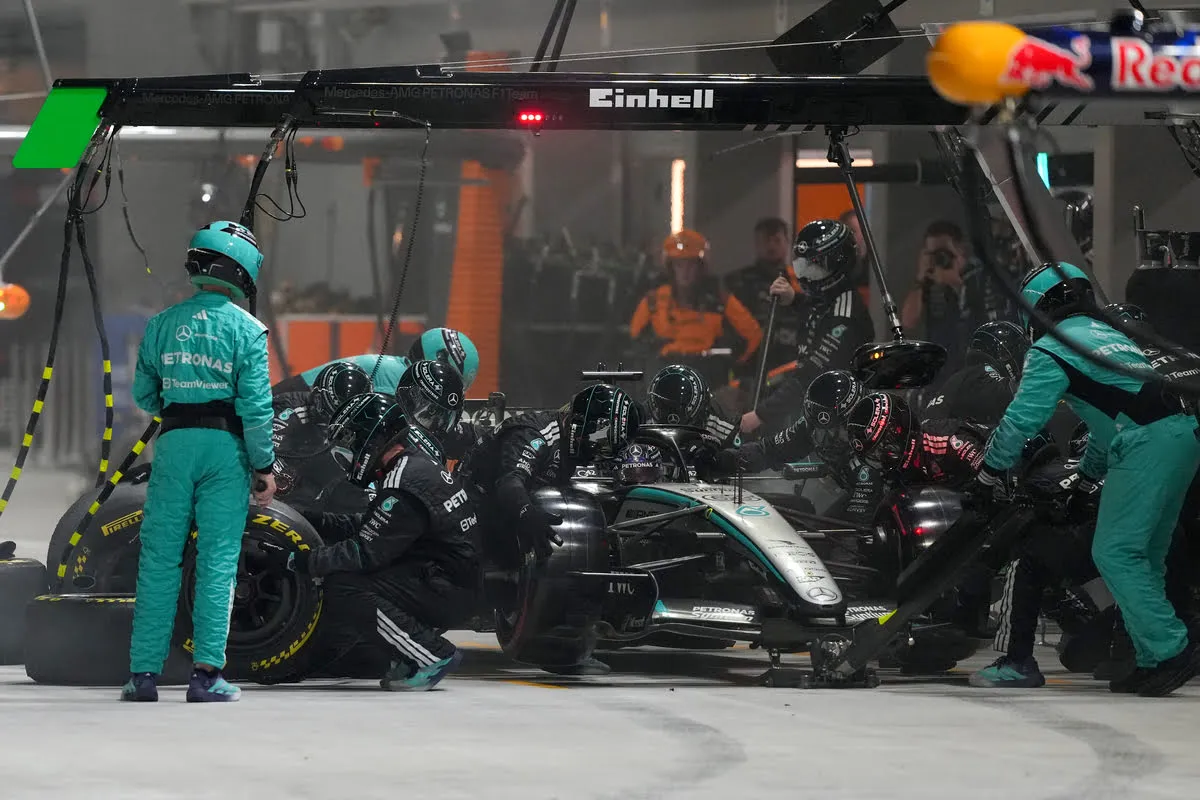
Simak kisah rahasia di balik pit stop kilat Mercedes F1 GP Singapura 2026 dengan mekanik yang vakum 15 tahun. Baca analisis mendalam di sini!
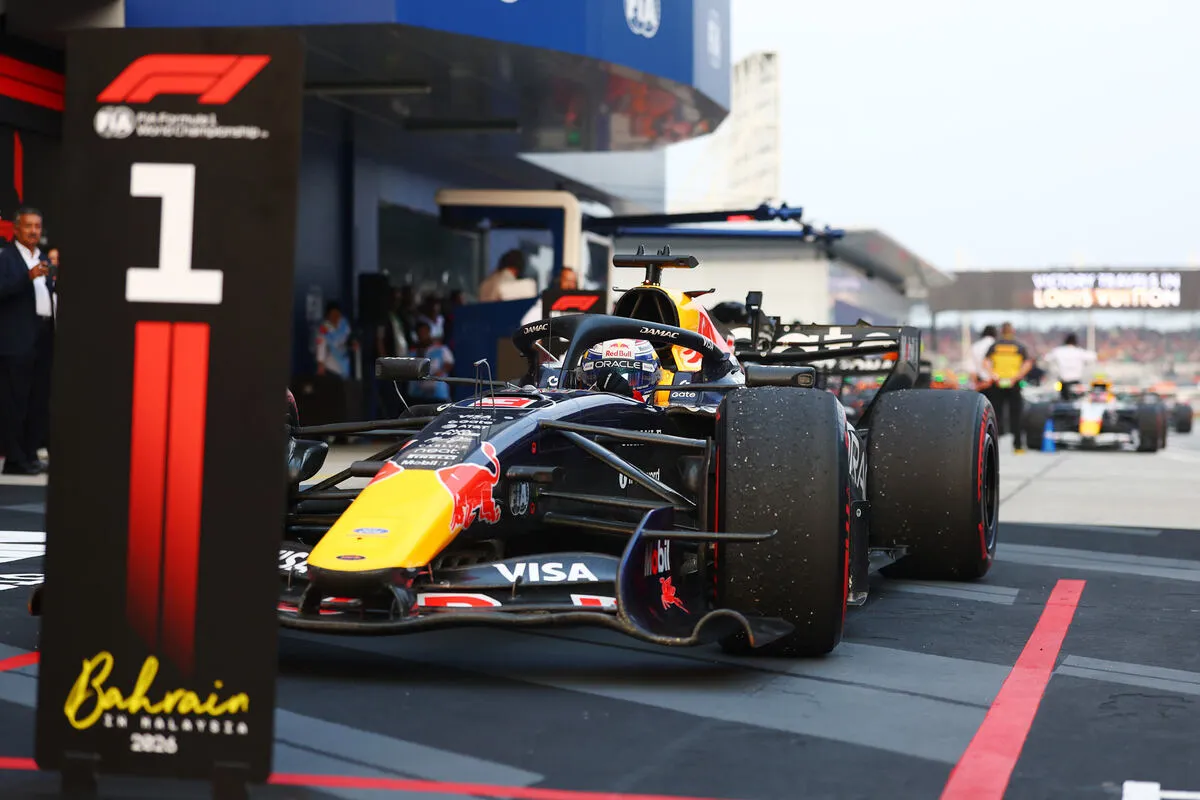
Emerson Fittipaldi sebut Mercedes beruntung Red Bull terlambat panas di F1 2026. Simak analisis mendalam performa Max Verstappen di sini!
 Lanjutkan dengan Google
Diskusi & Komentar (0)
Mari Bergabung dalam Diskusi!
Masuk dengan mudah untuk mulai memberikan komentar, membalas, dan berinteraksi dengan pembaca lainnya.
Komentar Terbaru
Belum ada komentar. Jadilah yang pertama!