







The internal dynamics of modern Formula 1 garages have once again sparked intense debate after Max Verstappen openly criticized the contemporary trend of pairing two star drivers within the same team, a setup that frequently triggers high-voltage tensions on the track. The leading Red Bull Racing stalwart firmly stated that if he were in the shoes of a team principal, he would never recruit or retain two drivers holding equal number-one status.
The traditional approach in the pinnacle of motorsport historically favored a clear hierarchy, designating a primary team leader backed by a supportive teammate acting as a tactical lieutenant. The golden era of Scuderia Ferrari alongside Michael Schumacher remains the quintessential example of this old-school philosophy, where names like Eddie Irvine, Rubens Barrichello, and Felipe Massa consistently dedicated their performances to the German maestro's championship campaigns.
However, in the contemporary competitive landscape, such absolute hierarchical structures have begun to fade across the grid. The primary driver behind this strategic shift is the immense financial significance attached to the constructors' standings, compelling outfits to secure two balanced, high-performing drivers to maximize their points haul at every single Grand Prix weekend.
Despite this modern shift, costly internal friction often proves to be the price paid when two fiercely ambitious drivers share the exact same garage. The most recent and glaring example unfolded within the Ferrari camp, where the fierce intra-team rivalry between Lewis Hamilton and Charles Leclerc demonstrably cost the Maranello-based manufacturer crucial points and at least one potential race victory.
Addressing the recurring on-track clashes born from dual aspirations, the Dutch world champion offered a sharp perspective. He asserted that such clashes of ego are the inevitable consequence when management allows two superior drivers to race each other without definitive team orders or designated roles.
Had he been at the helm of a squad, the reigning champion made it clear that he would immediately overhaul the operational structure to ensure racing dynamics favored the collective good. In his view, decisive management regarding driver status is far more vital for securing stable results than allowing unrestricted intra-team battles that ultimately jeopardize the team's championship standing.
Baca Juga
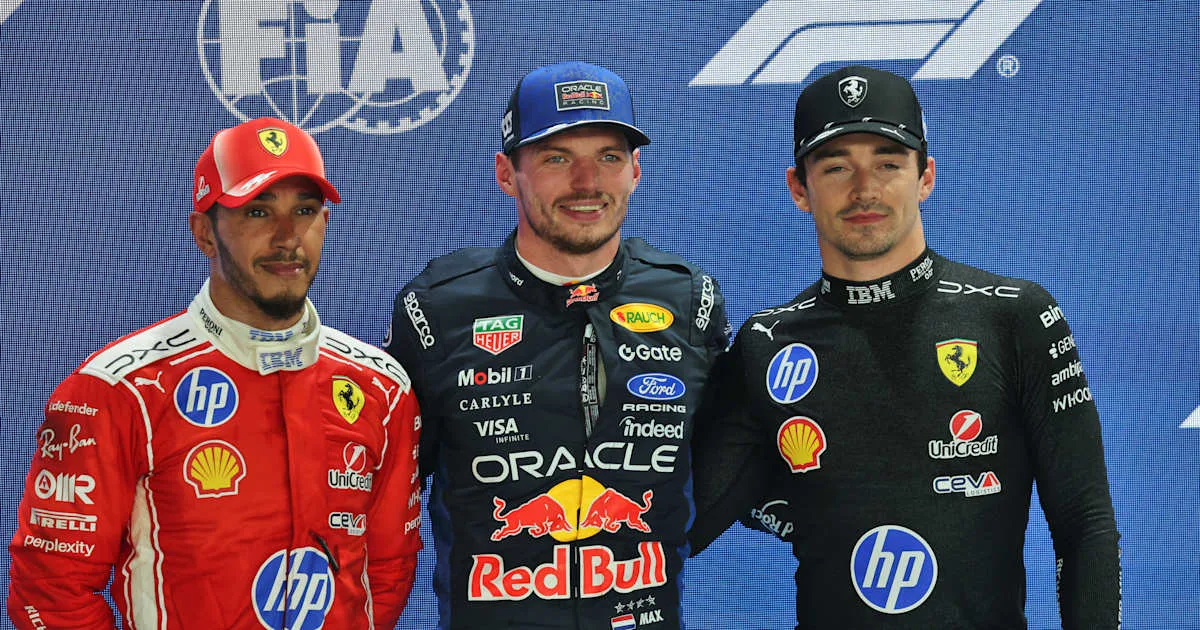
Max Verstappen kritik tajam Ferrari yang duetkan Hamilton dan Leclerc. Simak analisis mendalam strategi tim F1 di sini.
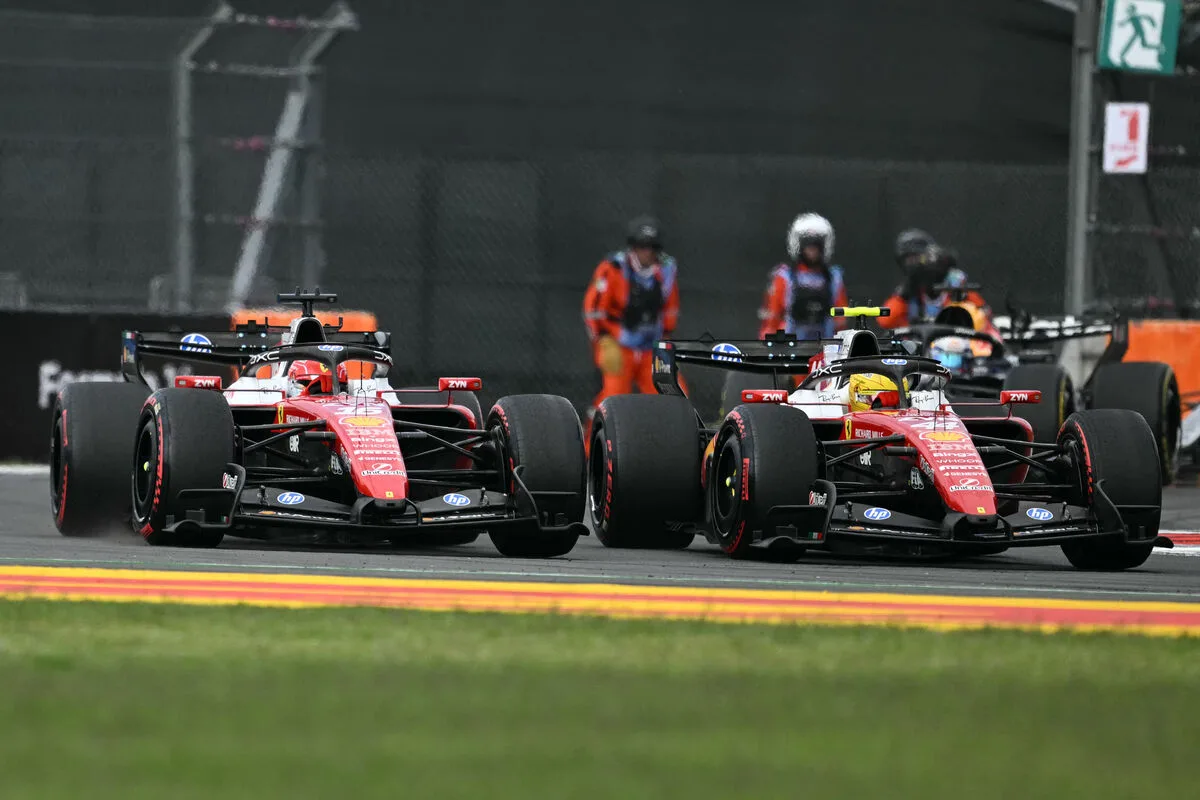
Max Verstappen kritik keras kebijakan tim F1 yang pasang dua pembalap utama. Baca analisis mendalam soal strategi garasi dan dinamika tim di sini.
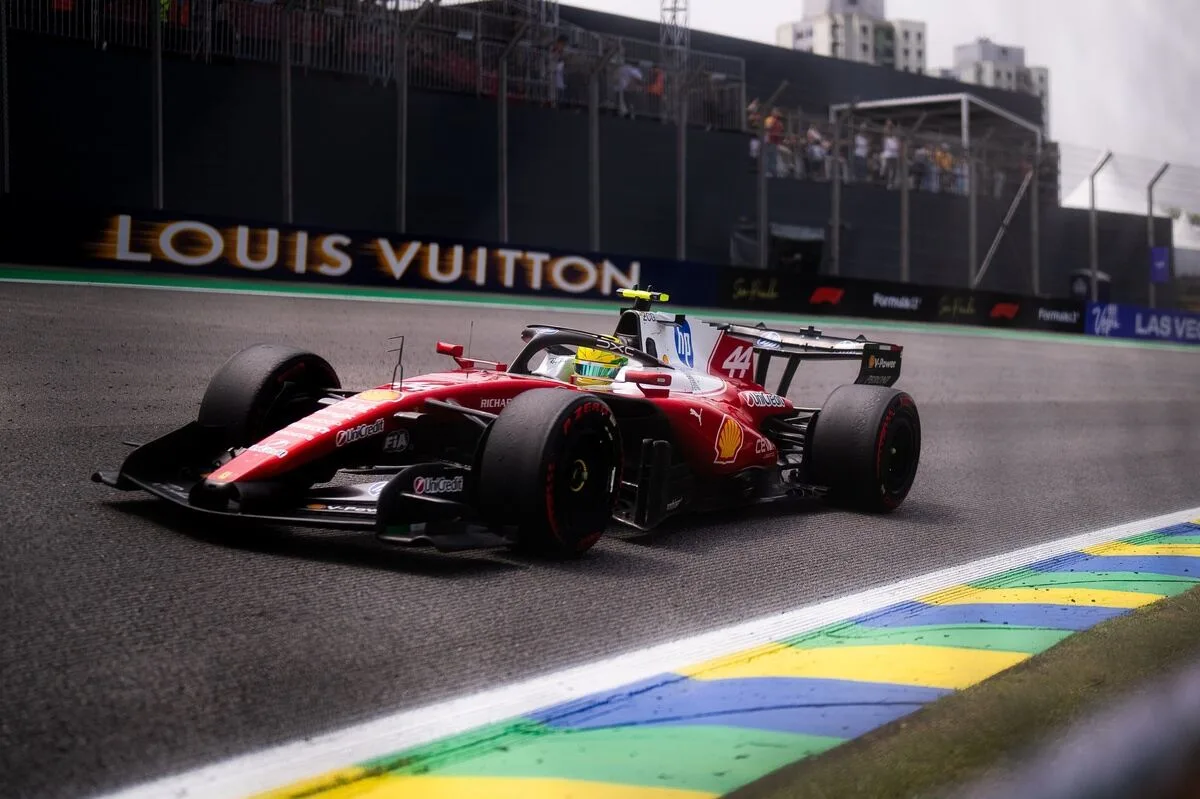
Simak analisis mendalam mengapa Ferrari hancurkan balapan di Interlagos lewat tiga masalah utama. Baca selengkapnya analisis teknis F1 di sini.
 Lanjutkan dengan Google
Diskusi & Komentar (0)
Mari Bergabung dalam Diskusi!
Masuk dengan mudah untuk mulai memberikan komentar, membalas, dan berinteraksi dengan pembaca lainnya.
Komentar Terbaru
Belum ada komentar. Jadilah yang pertama!