







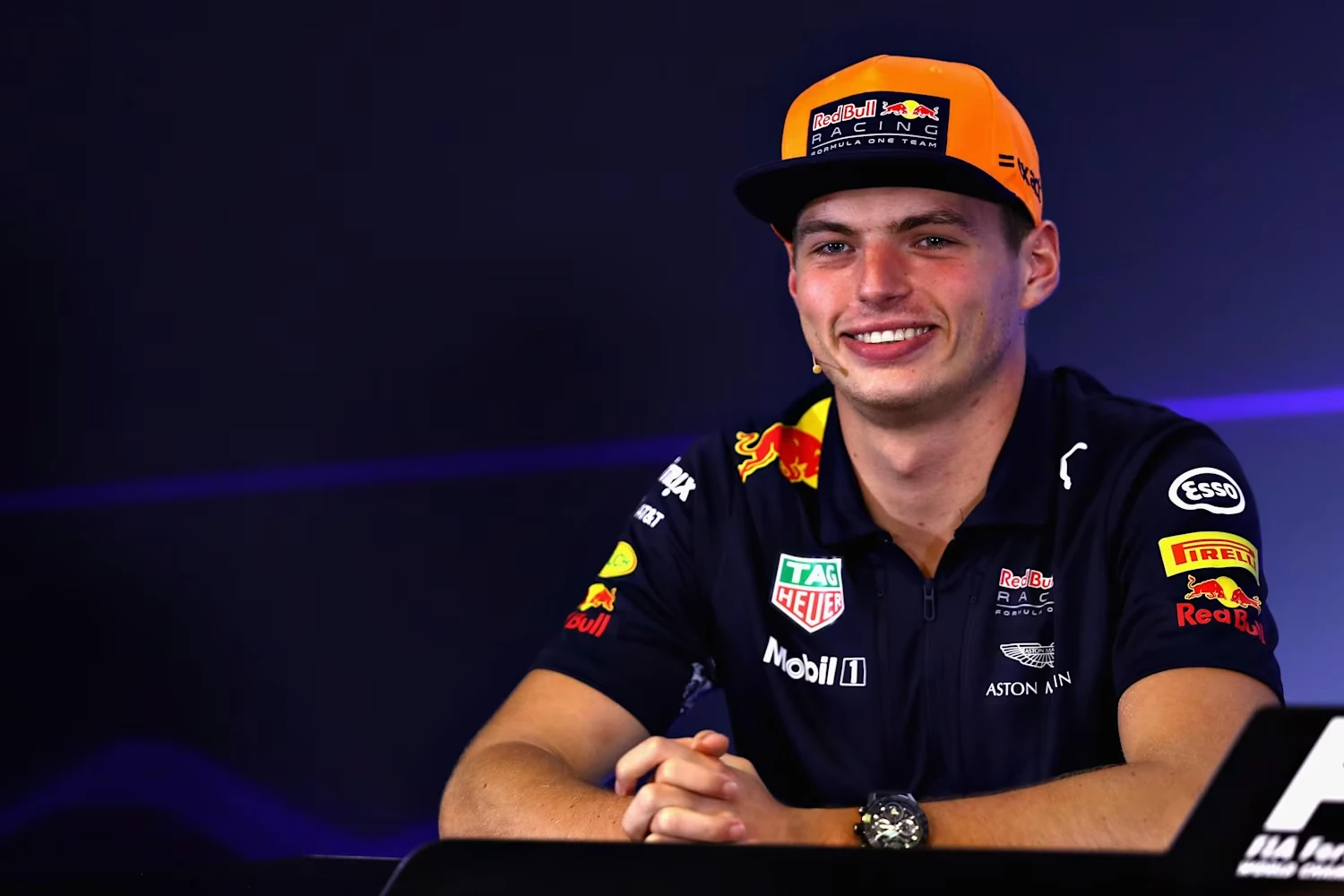
When Max Verstappen was promoted to the senior seat at Red Bull Racing midway through the 2016 season, the decision represented far more than a driver change. Promoting an 18-year-old into one of Formula 1’s most prestigious seats was a major gamble on a talent that was still raw. Yet Verstappen answered almost immediately, winning the Spanish Grand Prix on his Red Bull debut. From that moment, a defining journey began: from a teenager frequently criticised for excessive aggression to the central figure of Red Bull’s Formula 1 project and one of the sport’s most influential drivers.
The Bold Decision That Changed Verstappen’s Career
Verstappen’s early years with Red Bull revealed a far more turbulent side of his development. His speed was already unmistakable, but his decision-making did not always match his natural ability. Throughout 2017 and into the opening races of 2018, the "Mad Max" label became firmly attached to him as a series of incidents reinforced the perception that his driving style was excessively aggressive. He had the confidence to attack gaps others would avoid, but on several occasions that confidence resulted in costly decisions for himself and his rivals.
From Mad Max to His Lowest Point
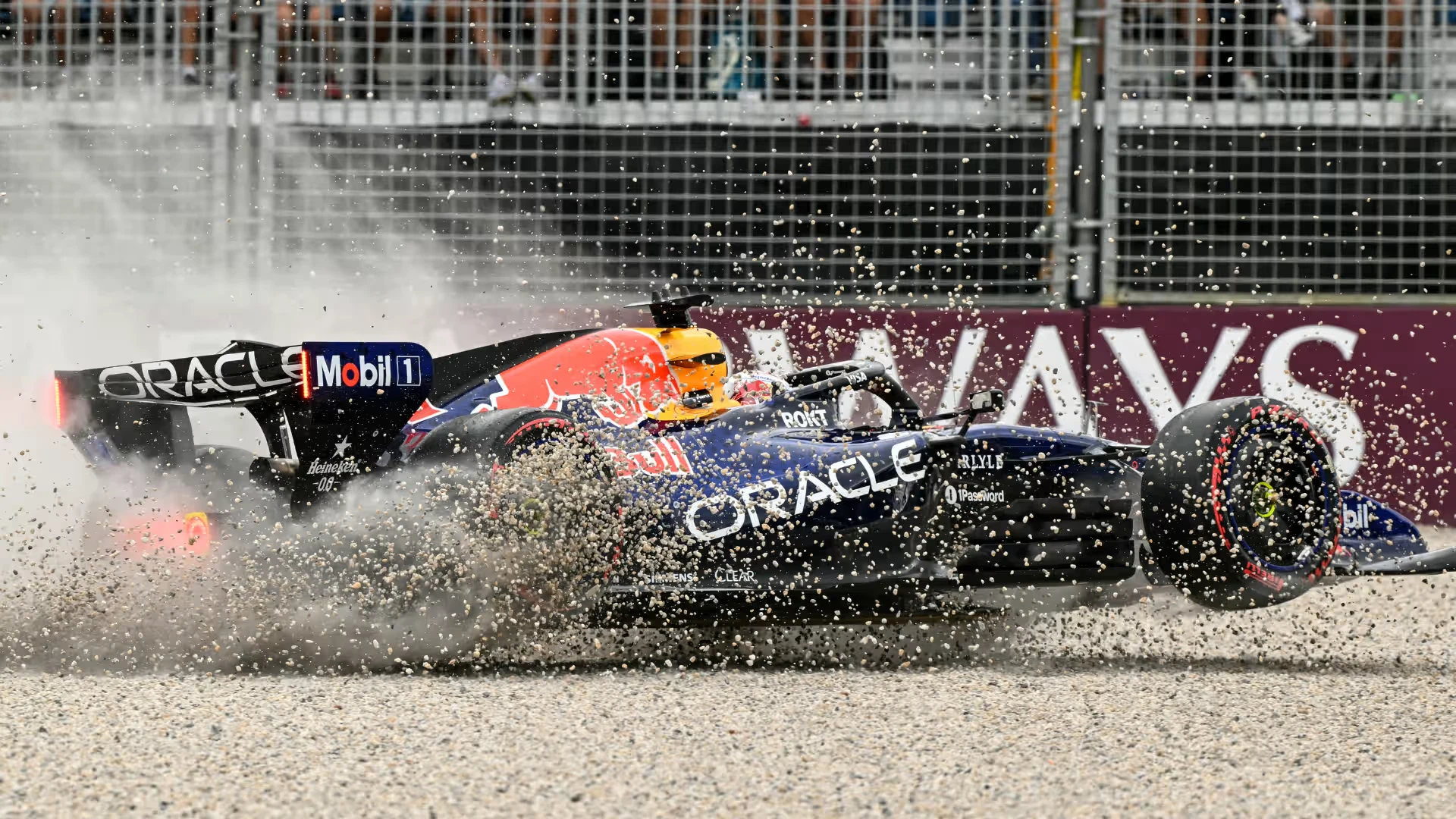
The opening races of 2018 provided the clearest illustration of those weaknesses. In Australia, Verstappen spun while attempting to extract maximum performance from the car. In Bahrain, his battle with Lewis Hamilton ended with damage to his own car. In China, an ambitious move on Sebastian Vettel resulted in contact. Then came Azerbaijan, where Verstappen and team-mate Daniel Ricciardo collided at high speed. The sequence exposed the central contradiction in Verstappen’s early Red Bull career: he possessed exceptional raw pace, but had yet to consistently place risk within the right boundaries.
At that stage, the criticism surrounding Verstappen was not simply about individual incidents. It questioned whether his aggressive approach could ever be transformed into the discipline required to win a world championship. His ability was rarely the subject of serious doubt; the uncertainty concerned whether he could control that ability when the pressure and stakes were at their highest. For a driver whose instinct was to attack, learning when not to fight became just as important as learning how to overtake.
Monaco 2018 and the Beginning of Maturity
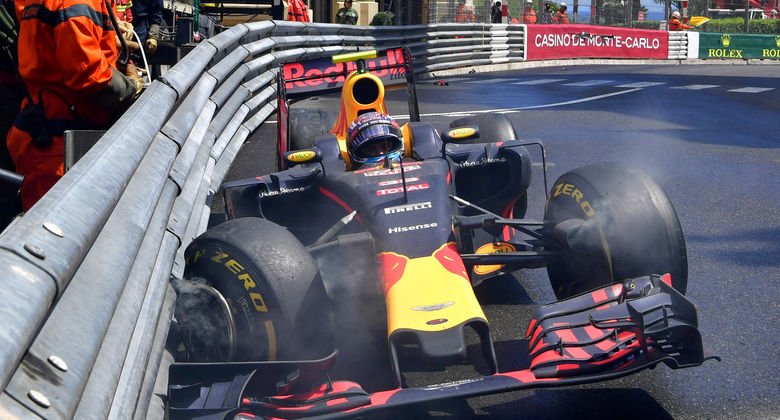
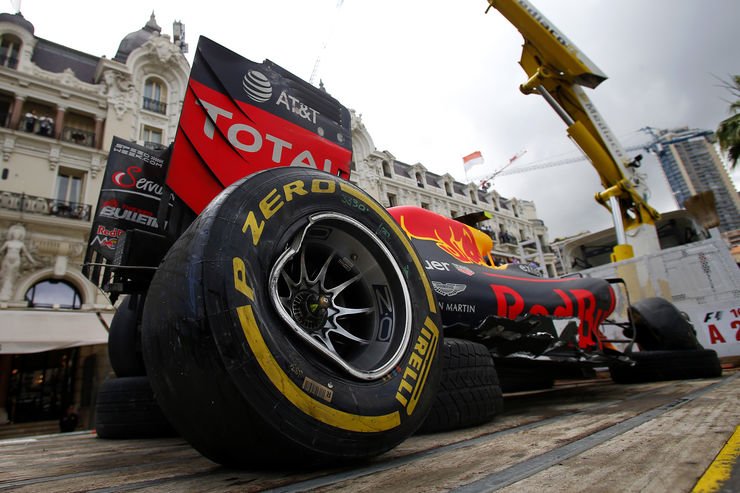
Monaco 2018 became one of the moments that reinforced the need for change. Verstappen crashed into the barriers during final practice and was consequently unable to take part in qualifying, while Ricciardo went on to win the race. Starting from the back after such an avoidable mistake provided a direct lesson in the cost of errors. From that period onward, a shift became increasingly visible in Verstappen’s approach. He began developing a stronger ability to manage risk, read race situations with greater composure and understand that raw speed did not have to be expressed through an aggressive move at every opportunity.
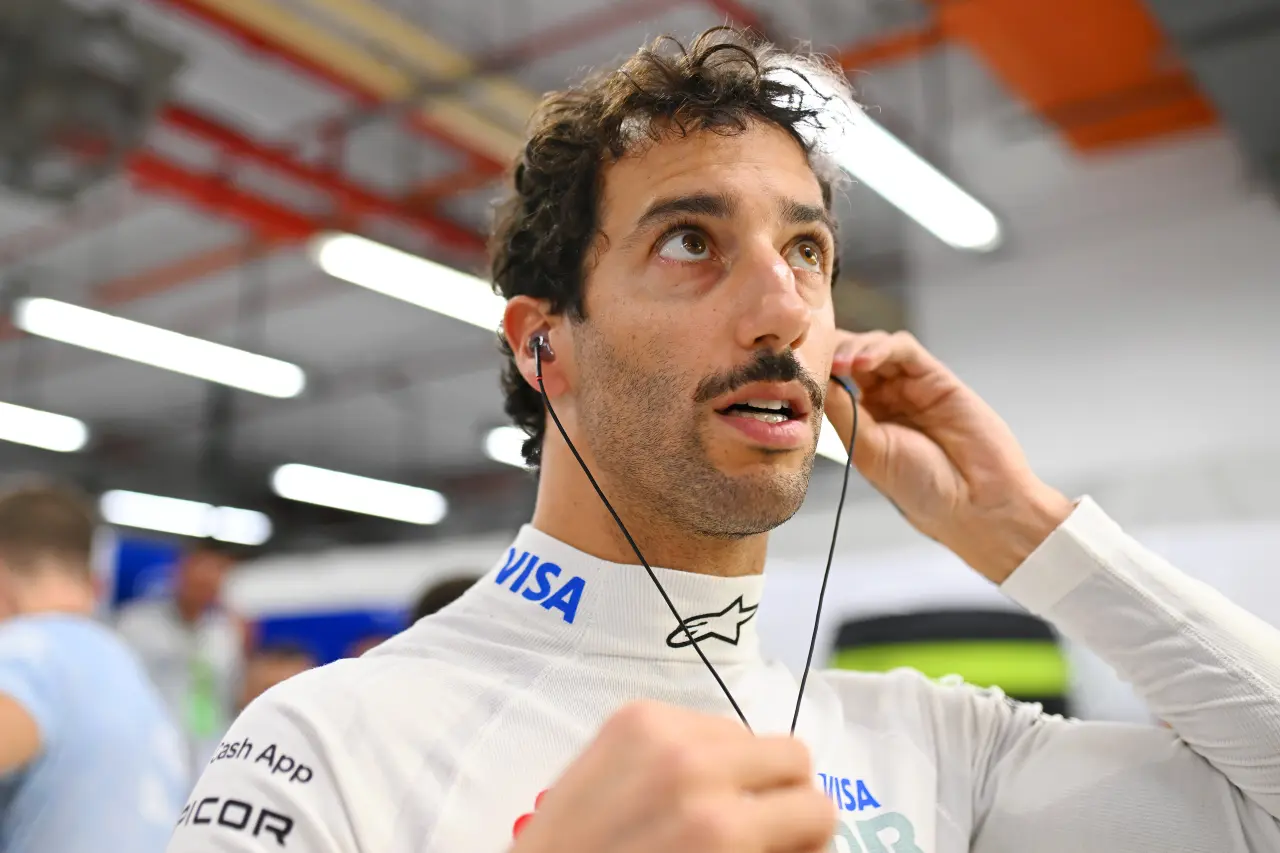
Ricciardo’s departure at the end of 2018 further changed the internal dynamic at Red Bull. Verstappen increasingly became the team’s central reference point as responsibility for performance and development grew around him. The change was not simply about his position inside the garage. It also represented a transition from promising young driver to the figure expected to carry the team’s competitive ambitions. His victories in Austria and Germany in 2019 demonstrated that the transformation was gathering momentum. Verstappen was no longer simply producing flashes of exceptional speed; he was increasingly turning opportunities into results.
2021: When Verstappen Claimed the F1 Throne
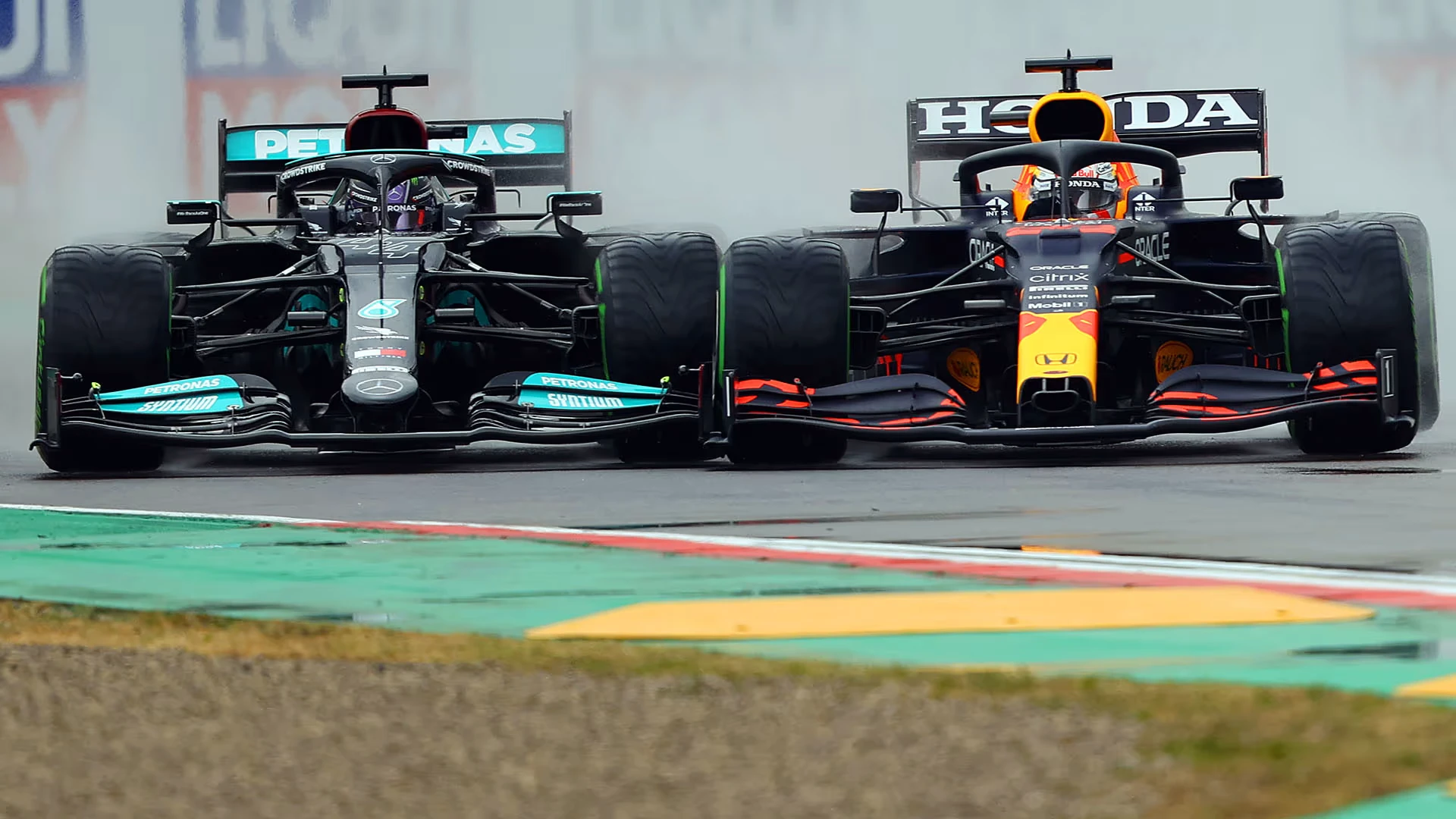
Then came 2021, the season that transformed the entire dimension of Verstappen’s career. Facing seven-time world champion Hamilton and Mercedes, Verstappen was no longer fighting merely for individual victories. He was engaged in a direct championship battle that demanded speed, consistency and psychological resilience. The season unfolded under extraordinary intensity, with several incidents becoming defining moments of the rivalry.
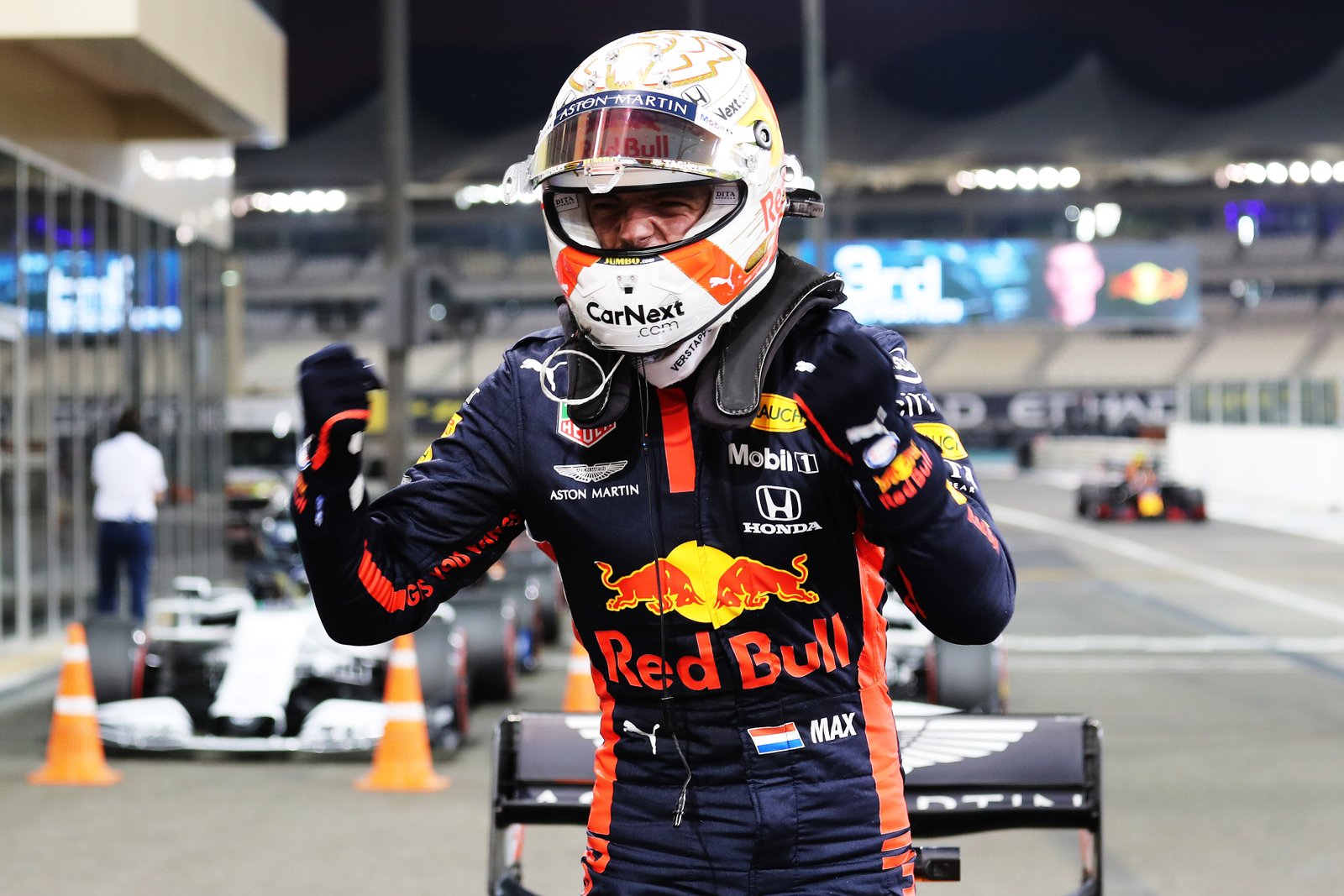
At Silverstone, Verstappen was involved in a 51G crash with Hamilton and was subsequently taken to hospital for checks. At Monza, the two drivers collided again, with Verstappen’s Red Bull ending up above Hamilton’s car and its halo. Those incidents reflected how little margin for error existed between the championship protagonists. Every confrontation carried consequences not only for the individual race but also for the wider title fight.
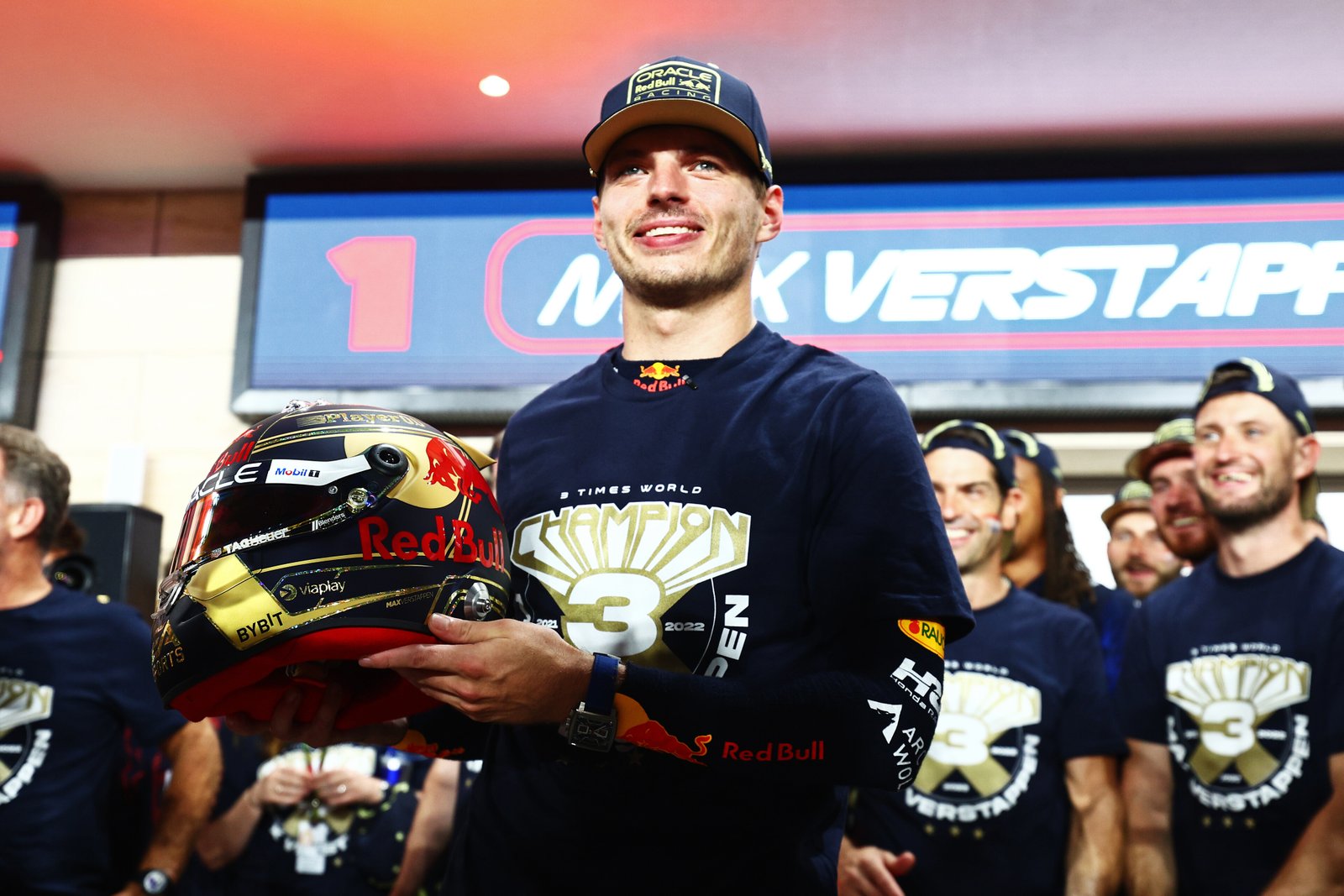
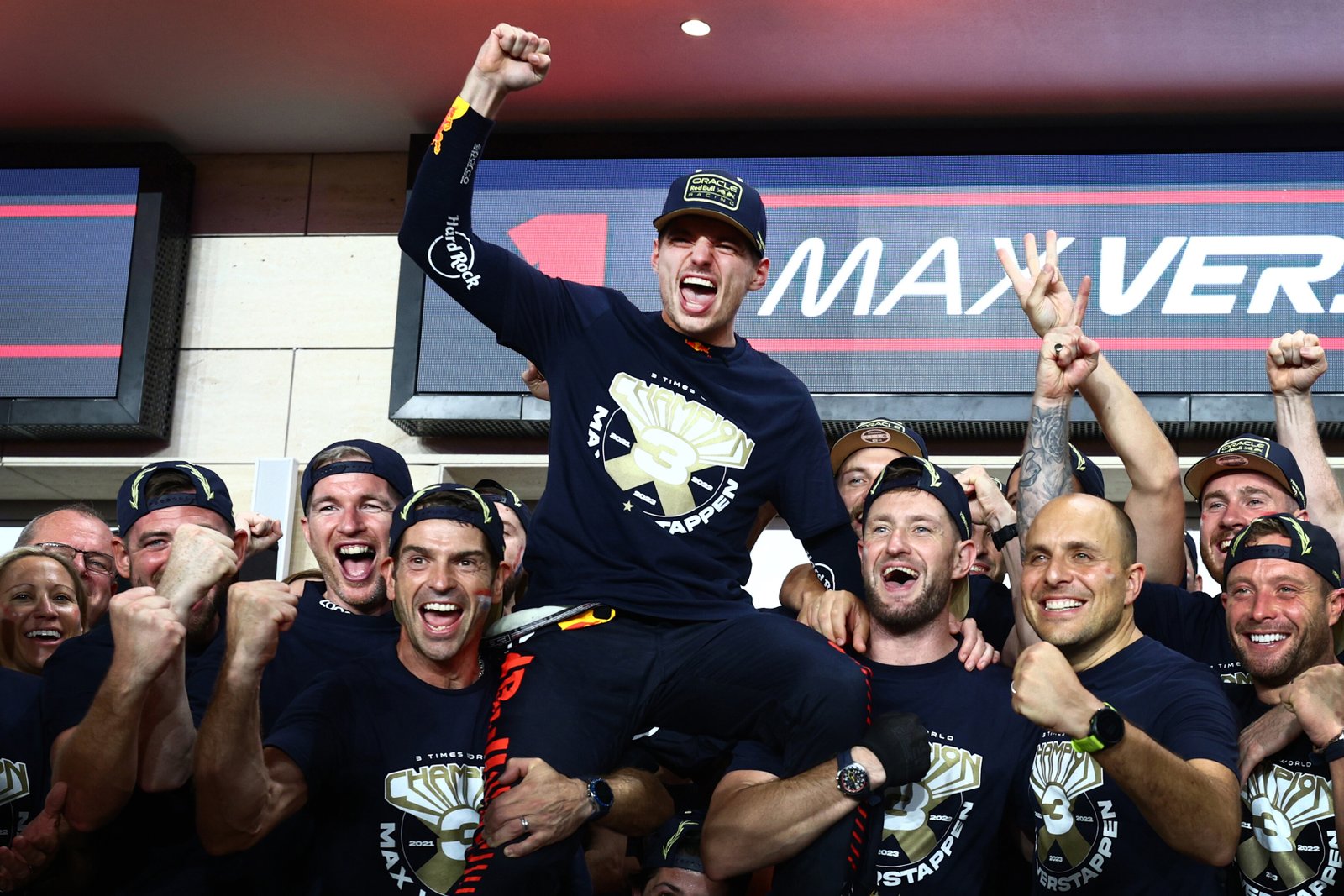
The season reached its dramatic conclusion in Abu Dhabi. Verstappen won the race after the late Safety Car procedure produced a heavily debated final sequence. Whatever the wider controversy surrounding the ending, his first world championship fundamentally changed his standing in Formula 1. Verstappen was no longer simply regarded as an exceptional young talent. He had become a world champion capable of surviving the most intense championship pressure the sport could provide.
From World Champion to Red Bull’s Dominant Force
After winning his first world title, Verstappen entered a different phase of his career. The burden of proving that he could become champion had been removed, and his driving developed into an increasingly precise form of control. The ground-effect regulations introduced in 2022 created a new technical environment for Red Bull, while the combination of the team’s engineering direction and Verstappen’s driving characteristics produced an exceptionally competitive package.
One of the most distinctive elements of Verstappen’s development has been his ability to exploit a car characteristic that can be difficult for other drivers to manage. The material provided describes his preference for a very sharp front end combined with a relatively unstable rear. For some drivers, such a balance can become a significant limitation because it demands enormous confidence in the car’s response during corner entry and rotation. Verstappen has instead been able to use that behaviour to his advantage through braking, rotation and traction management on corner exit.
That relationship between driver and car became increasingly important as Verstappen accumulated success. His ability to extract performance from a demanding balance created a competitive advantage beyond simple straight-line speed. The car could be operated close to its performance limit, while Verstappen’s confidence allowed him to exploit characteristics that might otherwise become liabilities.
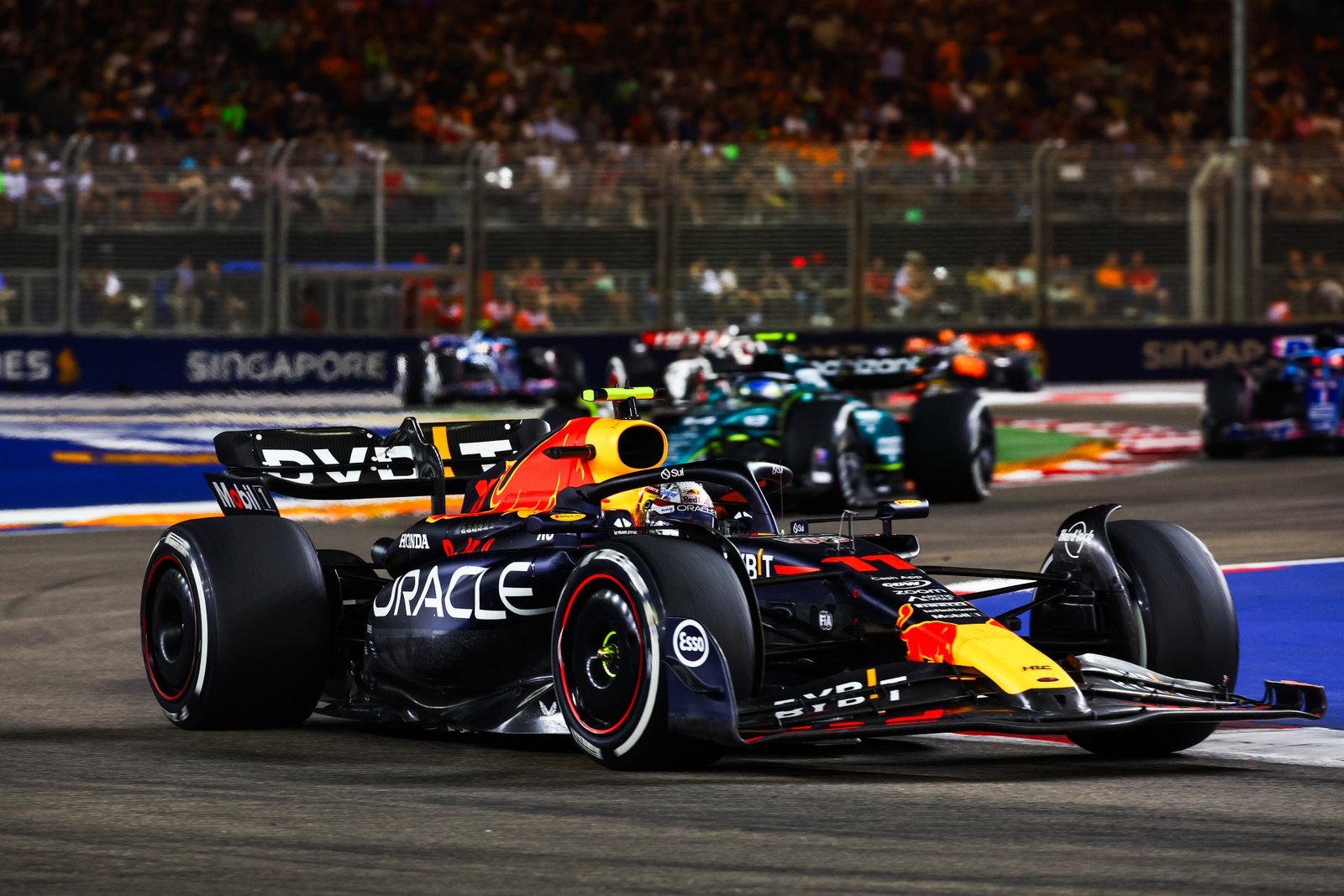
The 2023 season represented one of the clearest peaks of that development. Verstappen recorded 10 consecutive victories and 19 wins across the season. Those numbers reflected not only Red Bull’s technical strength but also the consistency Verstappen had built after the mistakes of his early career. The driver once known for an all-or-nothing approach had evolved into someone capable of recognising when to attack and when to control the situation.
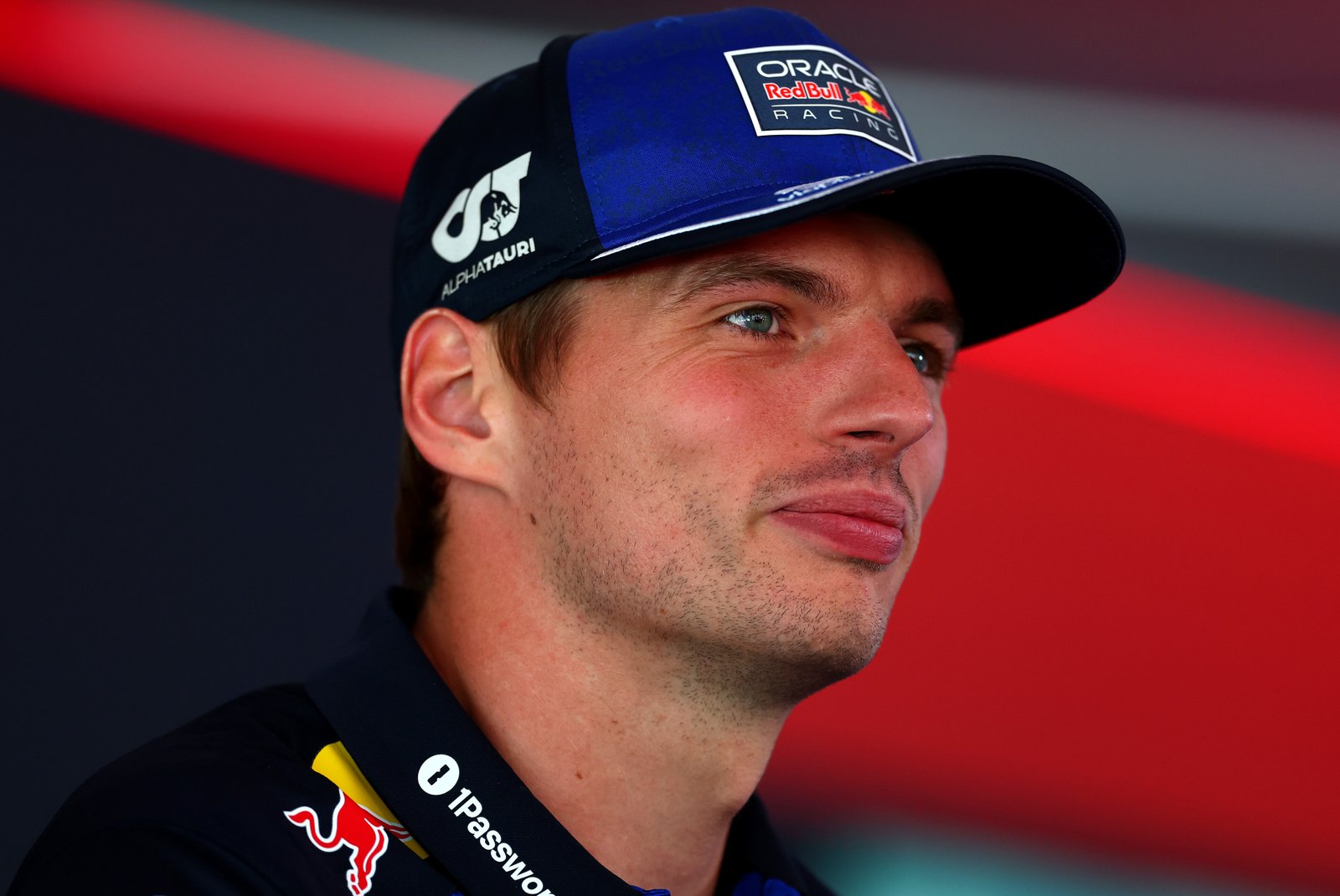
Ultimately, Verstappen’s journey with Red Bull is not simply a story about victories. It is the story of a driver learning to control the consequences of his own talent. The raw speed that once came with excessive aggression developed into precision. The fearlessness that occasionally produced costly mistakes became a more measured form of competitive intensity. From the 18-year-old given an opportunity through one of the boldest decisions of 2016, Verstappen evolved into a world champion and the defining figure of a Red Bull project that shaped a distinct era of Formula 1.
Baca Juga
George Russell menang tipis di GP Azerbaijan 2026. Kimi Antonelli selamat dari crash, Lando Norris desak ban Franco Colapinto. Simak analisis lengkapnya.
Colton Herta masih berjuang mengejar kursi F1 meski musim debutnya di Formula 2 bersama Hitech berjalan sulit. Ia berdiskusi dengan Cadillac untuk peran musim depan.
McLaren Racing diproyeksikan jadi tim F1 pertama dengan pendapatan $1 miliar. Simak analisis lonjakan finansial dan komentar CEO Zak Brown.
 Lanjutkan dengan Google
Diskusi & Komentar (0)
Mari Bergabung dalam Diskusi!
Masuk dengan mudah untuk mulai memberikan komentar, membalas, dan berinteraksi dengan pembaca lainnya.
Komentar Terbaru
Belum ada komentar. Jadilah yang pertama!