







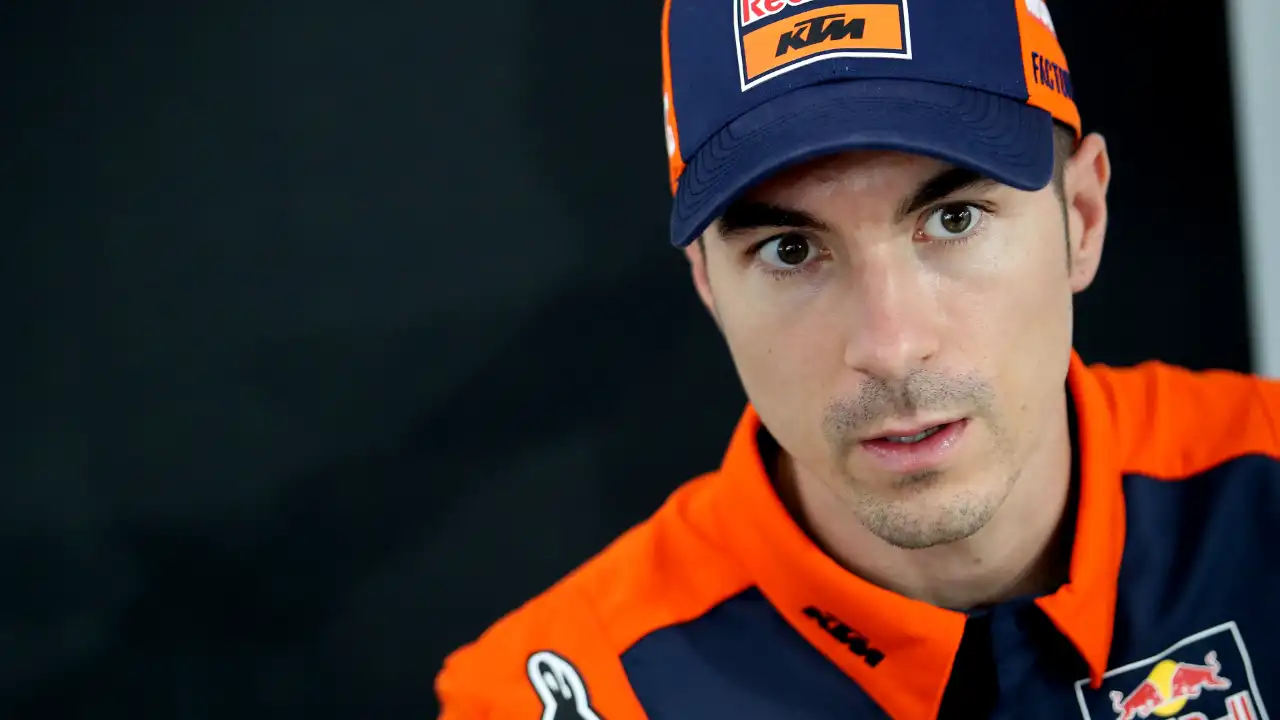

MotoGP, Sportrik Media - Maverick Vinales is facing a difficult start to the 2026 MotoGP season with Red Bull KTM Tech3, amid growing uncertainty over his working relationship with performance coach Jorge Lorenzo.
The collaboration between Vinales and Lorenzo was one of the most unconventional developments in MotoGP when it was announced at the end of 2025. The three-time MotoGP world champion joined to help unlock Vinales’ potential, particularly in areas such as consistency, race management, and mental approach — long identified as limiting factors despite his undeniable speed.
Initially, the partnership appeared promising, but after just two rounds of the 2026 campaign, its effectiveness is already under scrutiny, with both on-track performance and off-track dynamics raising questions.
Difficult Start to the Season
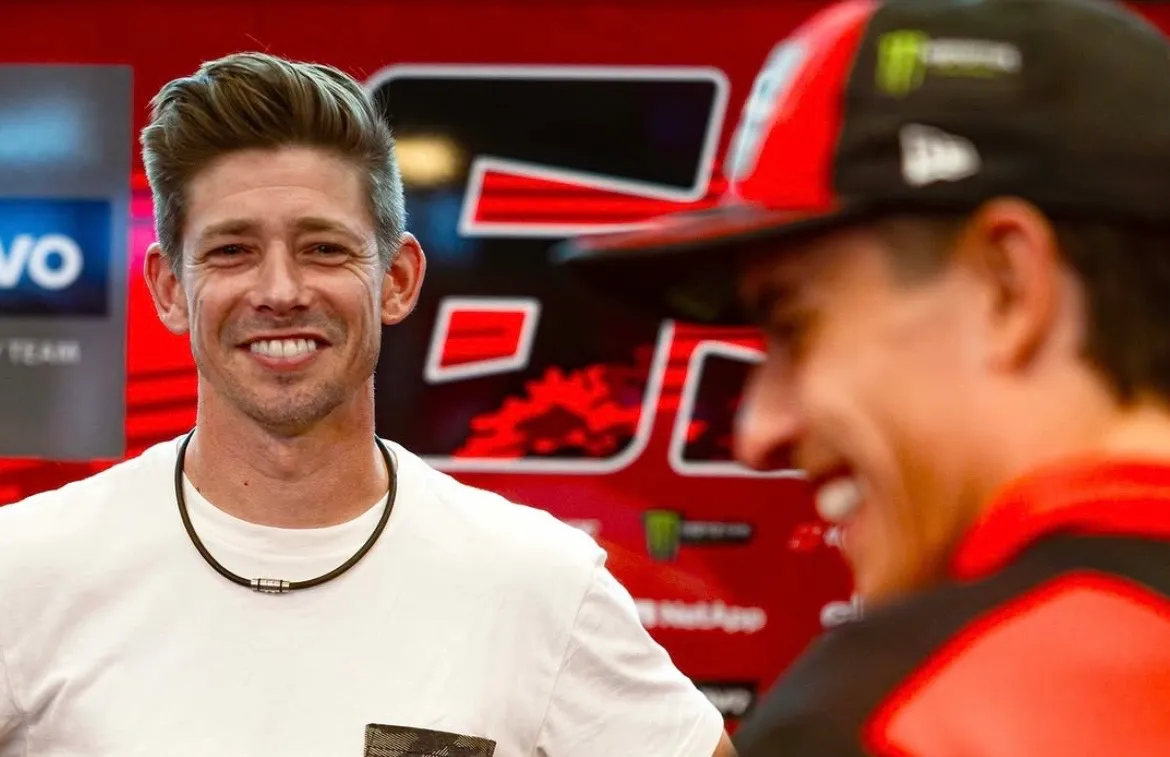
Maverick Vinales has struggled to deliver competitive results in the opening races. In Thailand, he finished well outside contention, trailing approximately 30 seconds behind leading Pedro Acosta, who has emerged as KTM’s primary benchmark.
The situation worsened in Brazil. Starting from 20th on the grid, Vinales again failed to score points, finishing more than 35 seconds behind the race winner. These results highlight ongoing difficulties in adapting to the KTM package, particularly compared to other riders extracting stronger performance from the same manufacturer.
In response, Vinales confirmed a significant technical reset ahead of the next round, opting to switch to the full 2026 bike specification after previously using a hybrid configuration incorporating 2025 components.
“In Austin, I’ll be riding the full 2026 bike and starting from scratch with the one everyone else is using,” Vinales stated.
This move reflects a clear attempt to address performance limitations through a fresh baseline setup.
Lorenzo’s Absence Raises Questions
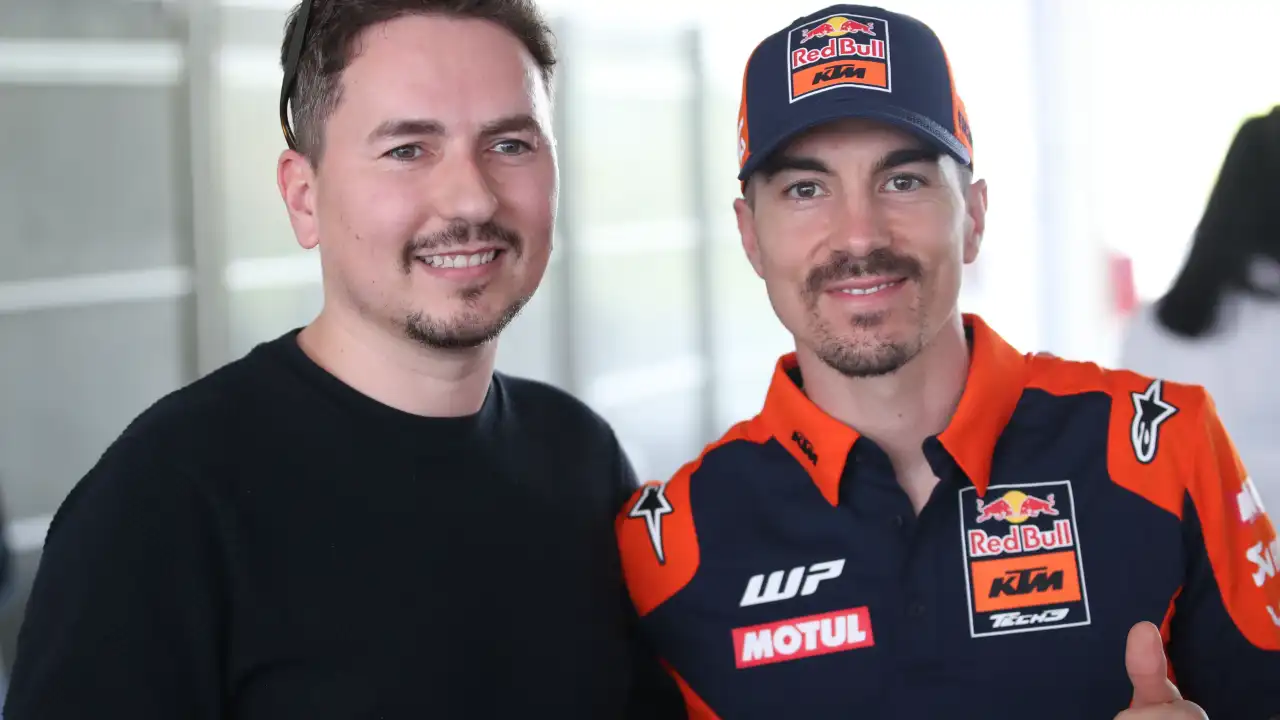
At the same time, attention has shifted to the absence of Jorge Lorenzo from the paddock, including his non-attendance at the Brazilian Grand Prix and expected absence in Austin. Lorenzo is scheduled to return at Jerez, but in his role as a broadcaster for DAZN rather than as an active performance coach.
This absence has intensified speculation that the working relationship between the two may have already come to an end, although no official confirmation has been issued.
When asked about the situation, Vinales offered a guarded response, neither confirming nor denying the reports.
“At the moment, I’m not interested in rumours. I have other problems to focus on,” he said.
The lack of a clear denial has contributed to ongoing uncertainty, particularly as the initial purpose of the partnership was to provide continuous support throughout the season.
Meanwhile, team manager Nico Goyon declined to elaborate on the matter, stating that it falls outside the team’s technical focus.
Technical Challenges and Competitive Pressure
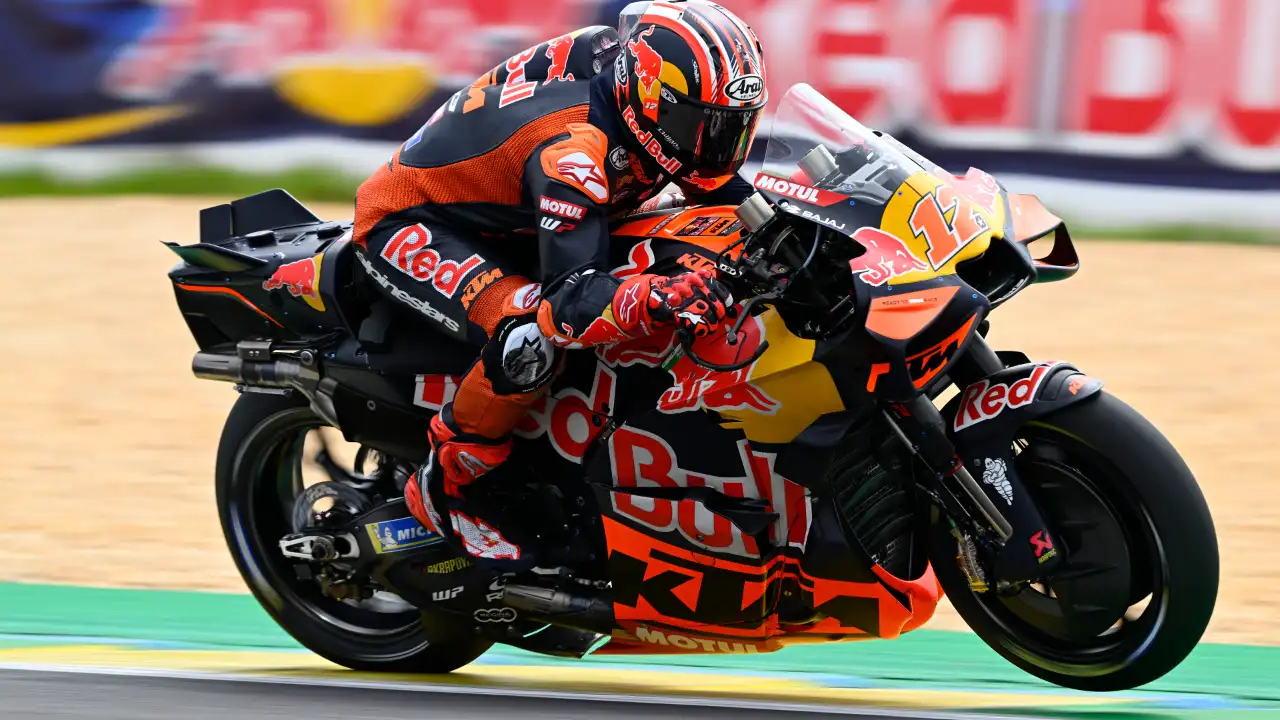
Beyond the off-track situation, Vinales’ primary challenge remains technical adaptation to the KTM machinery. Compared to Acosta, who has demonstrated consistent competitiveness, Vinales has struggled to find a stable setup and maintain race pace.
This contrast underscores the importance of rider-machine synergy in modern MotoGP, where even marginal differences in setup understanding can translate into significant performance gaps.
The decision to switch to a full 2026 specification represents a critical step in attempting to resolve these issues. The upcoming round in Austin will serve as an important reference point for evaluating whether this change delivers the expected improvement.
At the same time, Lorenzo’s absence potentially removes a layer of strategic and psychological support that was intended to complement Vinales’ technical development.
Implications for Future Prospects
The current situation also has implications for Vinales’ long-term position in MotoGP. Prior to the season, he was strongly linked with a potential move to the KTM factory team for 2027, potentially alongside Alex Marquez.
However, his underwhelming start to 2026 appears to have weakened that prospect, particularly as the rider market begins to take shape. With significant movement expected among manufacturers, performance in the early phase of the season carries increased weight.
Additionally, ongoing developments involving key figures such as Acosta further complicate the competitive landscape, potentially limiting available opportunities for Vinales if results do not improve.
Critical Phase Ahead
With multiple factors converging, Maverick Vinales now enters a critical phase in his 2026 campaign. Performance pressure, technical uncertainty, and questions surrounding his collaboration with Lorenzo all contribute to a complex scenario.
The Austin round is set to be a decisive moment, both in terms of performance and internal stability. The effectiveness of the technical reset, combined with Vinales’ ability to regain competitiveness, will be key in shaping the trajectory of his season.
At present, the status of his relationship with Jorge Lorenzo remains unresolved. Without official clarification, the situation continues to fuel speculation, but it is clear that on-track results will ultimately dictate the direction of both his season and his broader MotoGP future.
Baca Juga
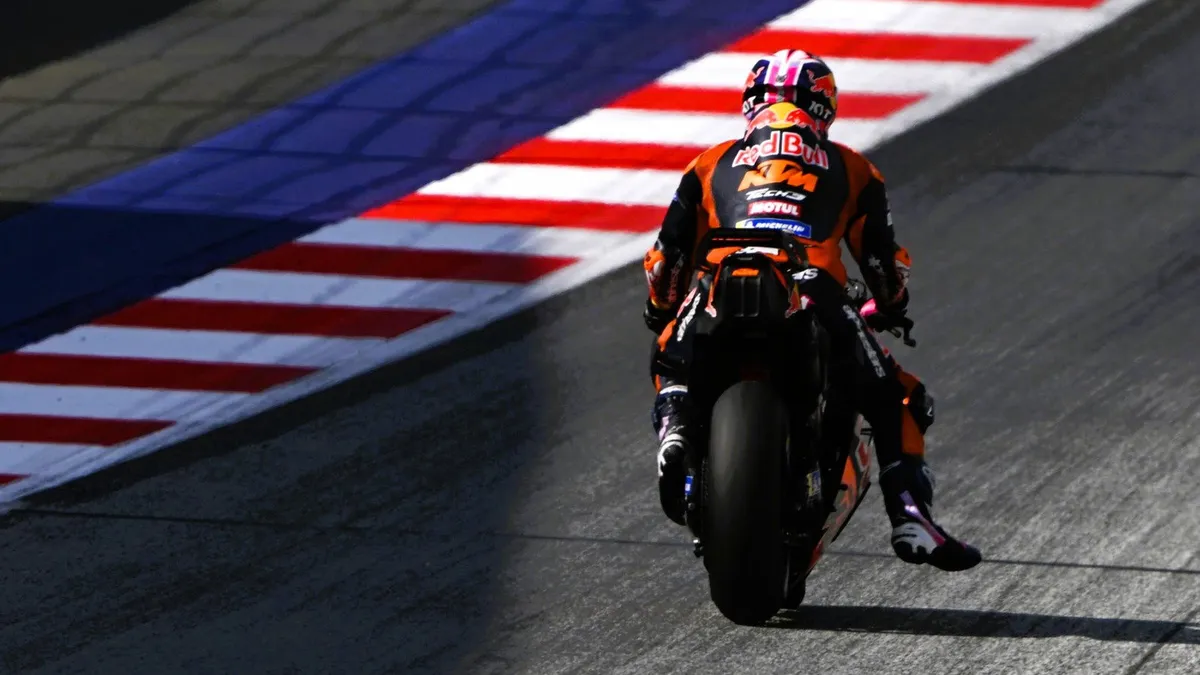
Enea Bastianini menilai uji coba ban Pirelli di MotoGP seharusnya diwajibkan untuk semua pembalap, bukan hanya segelintir. Simak alasannya.
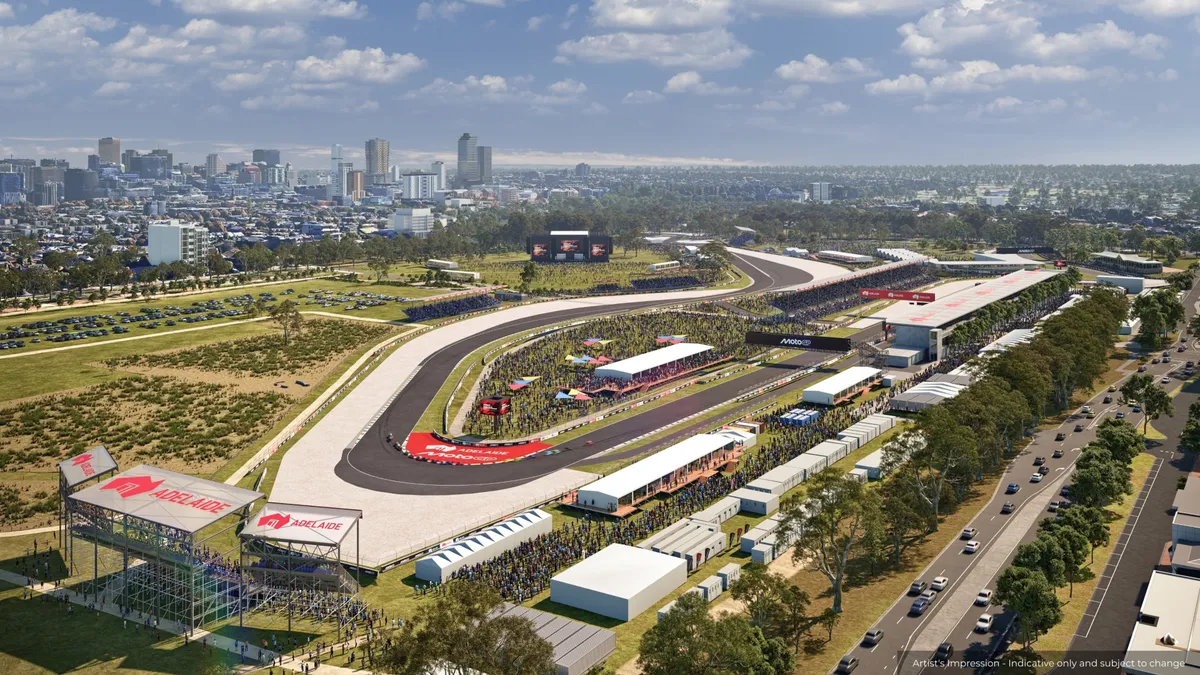
MotoGP resmi merilis kalender 2027 dengan 22 seri, termasuk kembalinya Adelaide sebagai balapan jalanan setelah 28 tahun absen dan debut Buenos Aires.
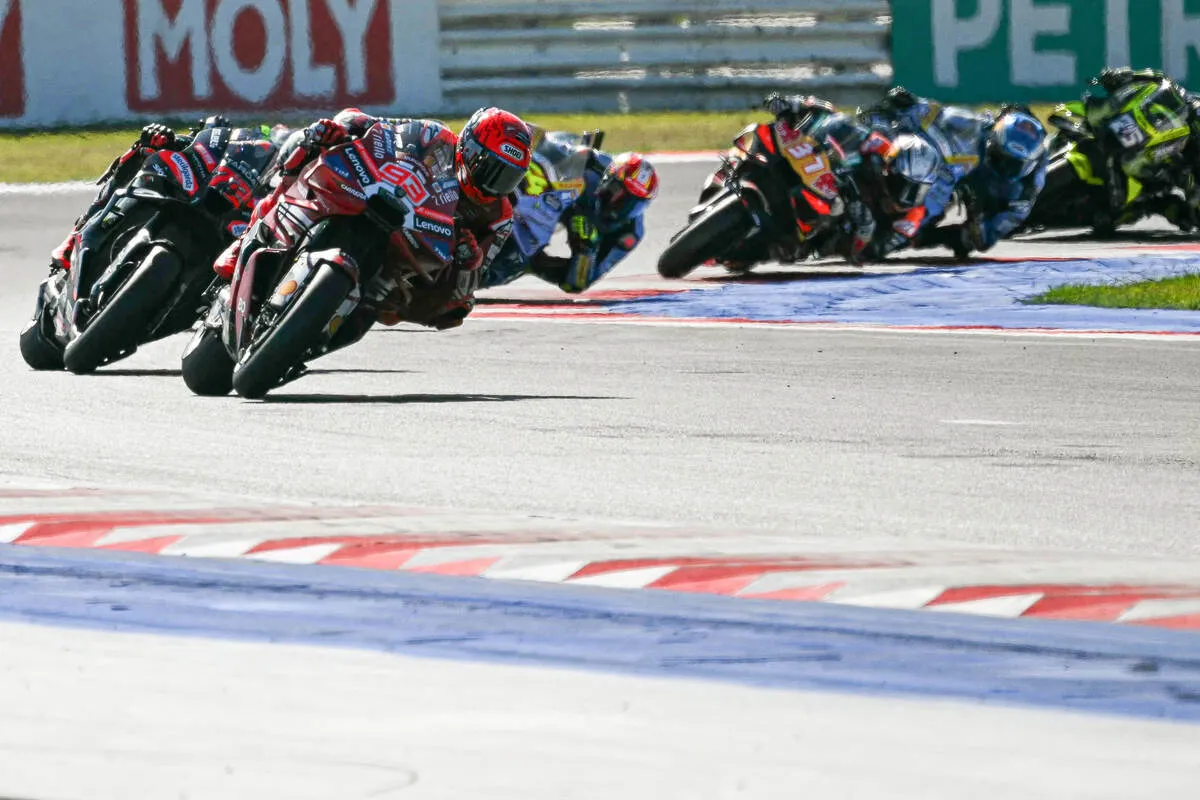
MotoGP resmi merilis kalender 2027: 22 Grand Prix, Argentina kembali di Buenos Aires, Hungaria hilang, dan era motor 850cc dengan ban Pirelli dimulai.
 Lanjutkan dengan Google
Diskusi & Komentar (0)
Mari Bergabung dalam Diskusi!
Masuk dengan mudah untuk mulai memberikan komentar, membalas, dan berinteraksi dengan pembaca lainnya.
Komentar Terbaru
Belum ada komentar. Jadilah yang pertama!