







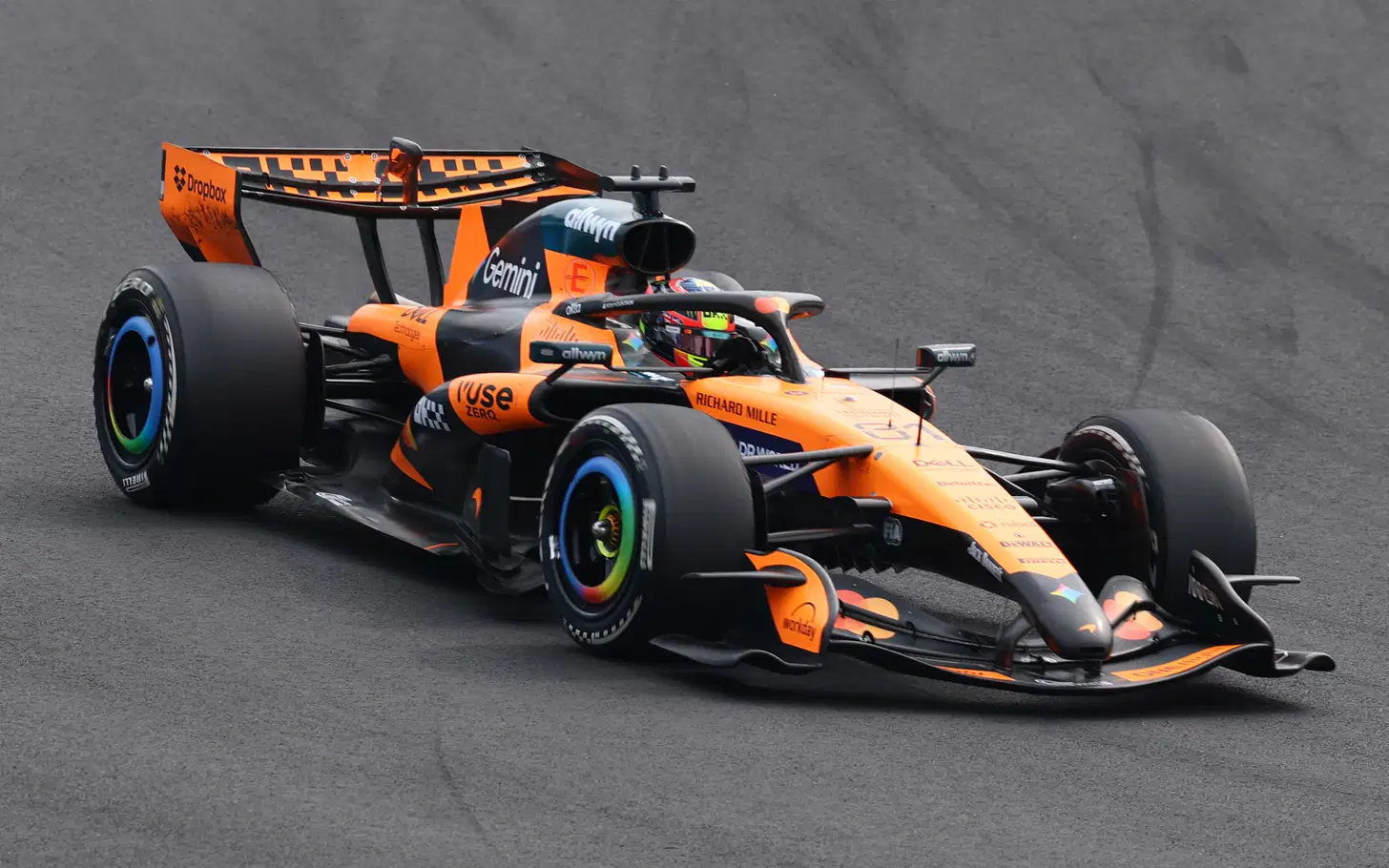

Formula 1, Sportrik Media - Mark Temple of McLaren has outlined the fundamental changes behind the 2026 Formula 1 regulations, with a particular focus on power unit energy management and aerodynamic revisions that are already influencing driver behaviour.
Speaking in a technical briefing alongside Andrea Stella and Rob Marshall, Temple emphasized the transition to a 50/50 power split between internal combustion and electrical components. This balance defines the next regulatory cycle and introduces a significantly different operational framework for teams and drivers.
Aerodynamic Changes and Performance Effects
Temple supported his explanation with telemetry comparisons from Australian Grand Prix qualifying simulations, contrasting 2025 data with projected 2026 energy deployment profiles. A key observation was the reduction in aerodynamic downforce, which directly affects performance in high-speed corner sequences such as the sections following Turns 6 and 7 at Albert Park and the Turns 9 and 10 chicane.
The reduction in downforce, rather than energy management alone, was identified as the primary factor behind performance differences. This shift alters car balance and requires drivers to adapt braking points, corner entry speeds, and overall vehicle control.
Energy Management Reform
The first regulatory strand focuses on restoring more authentic qualifying sessions. With superclipping power output increased to 350 kW from the Miami event, traditional “lift and coast” techniques are effectively removed from qualifying laps.
Previously, drivers would lift off the throttle before braking zones to conserve energy. Under the new system, the power unit manages energy recovery through shorter and more intense superclipping phases, allowing drivers to maintain full throttle while energy is harvested.
This change eliminates inertia phases in key areas such as Turn 1 and significantly reduces them in sections like Turns 6 and the 9-10 complex. As a result, driving patterns shift back towards continuous acceleration and heavy braking.
Overtaking Adjustments
The second regulatory strand addresses overtaking dynamics. Under previous conditions, maximum electrical output of 350 kW enabled relatively easy overtakes but left drivers vulnerable due to rapid energy depletion.
The updated regulations limit electrical power to 250 kW in non-straight sections, reducing speed advantages in areas not suited for overtaking. Temple highlighted the opening sector of Miami as an example, where boost activation previously generated excessive straight-line speed.
Boost deployment logic has also been revised. Instead of delivering full 350 kW regardless of timing, the system now adjusts output based on available energy, with a lower threshold of approximately 150 kW. This reduces sudden speed gains and creates more progressive overtaking opportunities.
Impact on Racing Dynamics
Temple concluded that these combined changes are designed to reduce opportunistic overtakes in unsuitable areas while maintaining effectiveness on straights. The adjustments also serve as a balance between performance and safety.
He expects the evolution of these regulations to reshape how races unfold, with less reliance on short bursts of electrical advantage and more emphasis on sustained performance. According to Temple, this will lead to more genuine on-track battles throughout the 2026 season under the framework set by the FIA.
Baca Juga
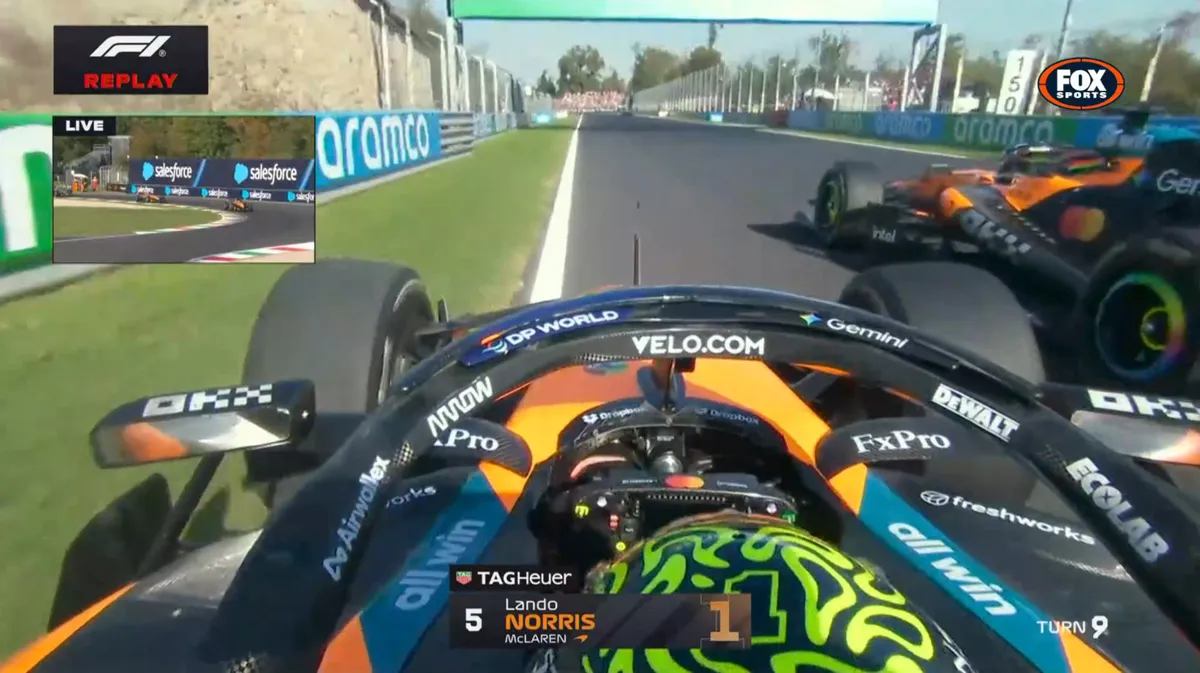
McLaren melalui Andrea Stella membela keputusan membiarkan Norris dan Piastri bertarung di Monza, meski duel internal itu berpotensi menghambat serangan ke Verstappen.
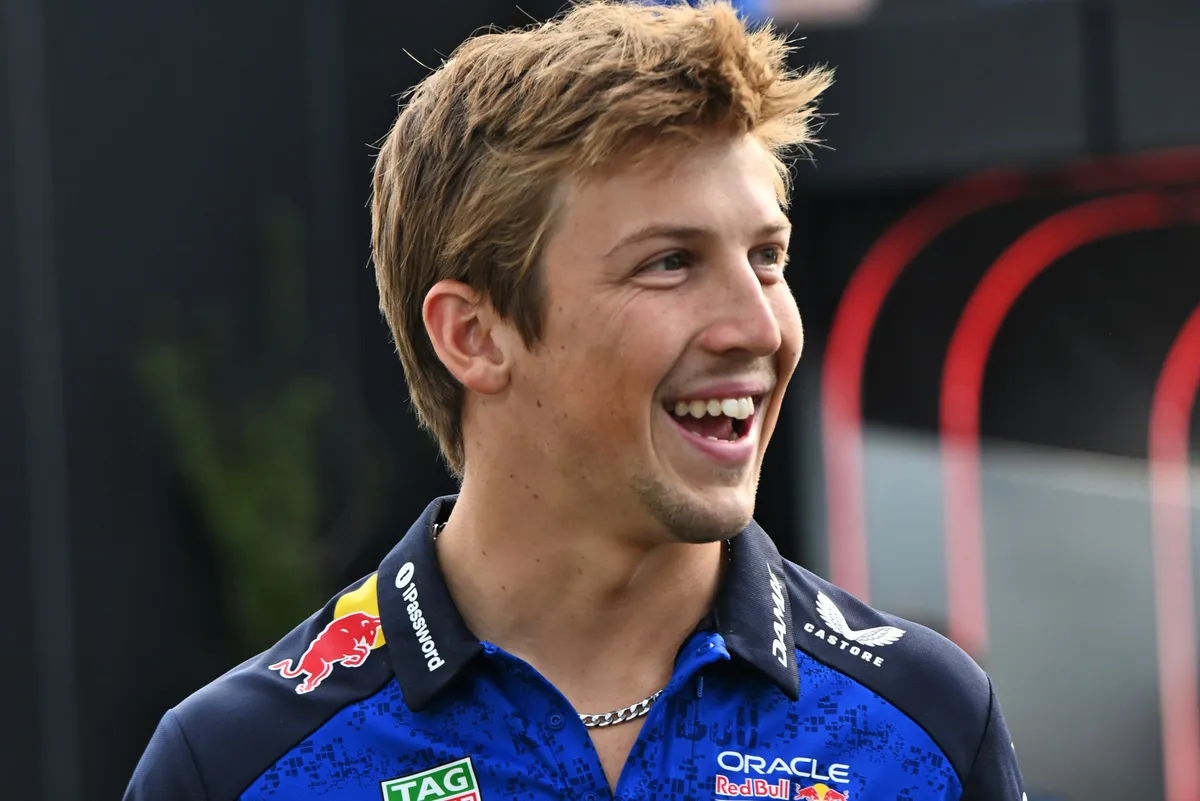
Red Bull Racing mengonfirmasi Liam Lawson kembali membalap untuk GP Spanyol di Madrid, menggantikan Isack Hadjar yang masih cedera. Yuki Tsunoda juga kembali di Racing Bulls.
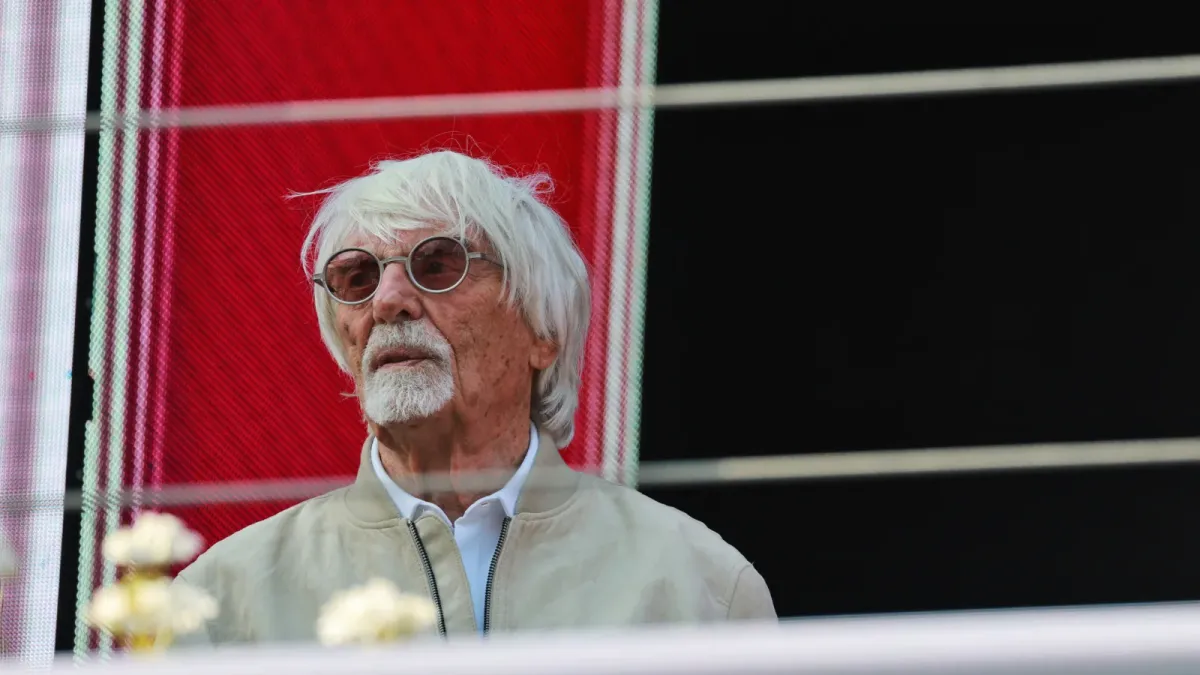
Bernie Ecclestone ditahan di Lisbon karena membawa senapan tanpa izin. Mantan bos F1 itu mengaku masalahnya hampir selesai.
 Lanjutkan dengan Google
Diskusi & Komentar (0)
Mari Bergabung dalam Diskusi!
Masuk dengan mudah untuk mulai memberikan komentar, membalas, dan berinteraksi dengan pembaca lainnya.
Komentar Terbaru
Belum ada komentar. Jadilah yang pertama!