








Fernando Alonso might not have expected that the debut of the Madrid circuit—known as Madring—would present such a strategic challenge. The six-kilometre-long pitlane, which has been a talking point since the start, has major implications for the race. Add to that the high grip levels of the asphalt and extreme tyre degradation, and the engineers are scratching their heads.
In first practice (FP1), Toto Wolff, the Mercedes team boss, joked that the race strategy could end up being a six-stop. "Based on how it looked after the first session, our strategy director said, ‘Six stops!’ because there was actually eight-tenths of degradation per lap. We've never seen that before," he said. However, Wolff added that in the end, it will likely be a one-stop race.
Why is tyre degradation so high in Madrid? Tyre supplier Pirelli also admitted surprise. Simone Berra, Pirelli's chief engineer, stated that the degradation values are outside their expectations. "They are outside our range of expectations," he said. According to Pirelli, the high degradation has two main causes: graining and thermal degradation at the rear axle. The smooth, high-grip tarmac triggers graining, where the tyre starts to tear and lose performance. Additionally, high temperatures cause a drop in rear grip.
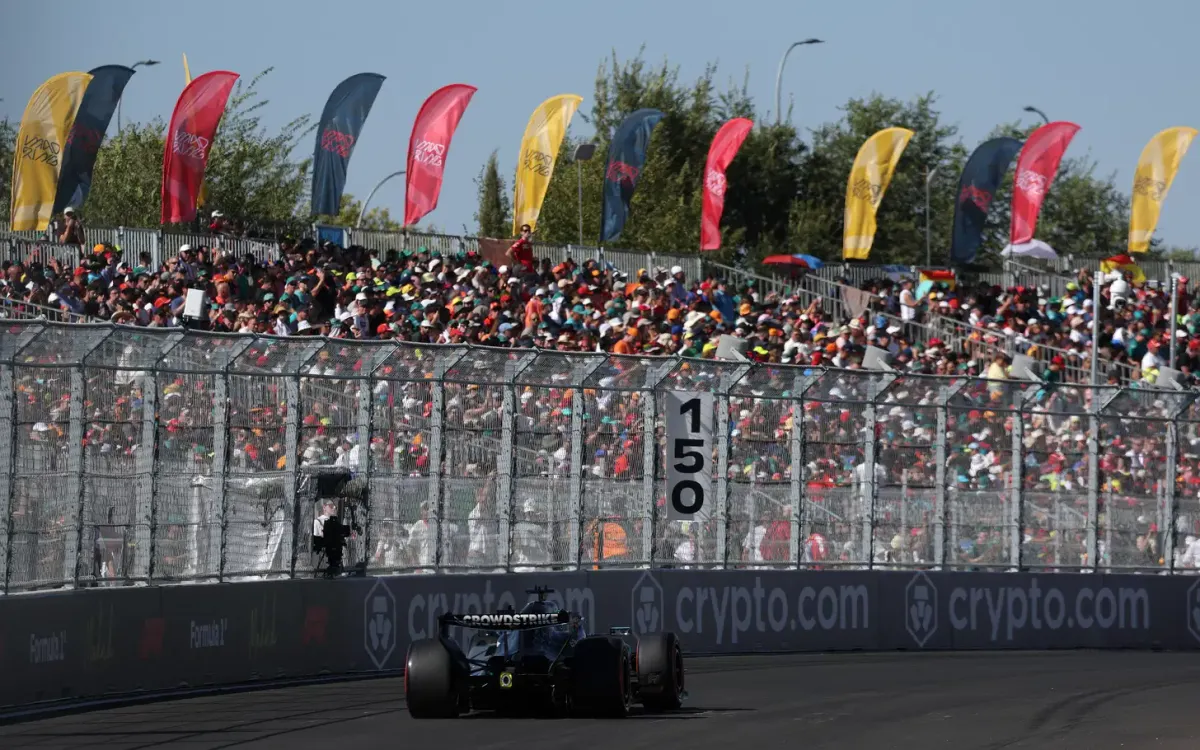
However, the very long pitlane actually makes a one-stop strategy more appealing. With the time lost travelling through the pitlane, teams will think twice about making an extra stop. This could be an advantage for drivers who manage their tyres well, such as Fernando Alonso, who is known for his tyre-saving skills. Nevertheless, the challenge remains huge as high degradation could still force a two-stop.
Aston Martin team principal Mike Krack acknowledged that his team is analysing data to determine the best strategy. "We need to understand whether the tyres can last for a one-stop or if we have to compromise with a two-stop," he said. Meanwhile, drivers like Yuki Tsunoda from Racing Bulls also felt the impact. "The rear tyres are very difficult to control, especially in fast corners," Tsunoda said.
In the context of the championship, the Madrid race could be a crucial moment for drivers looking to improve their position. With the right strategy, a driver could finish on the podium or at least score valuable points. However, a mistake in strategy could be costly, especially with the long pitlane. Top teams like Mercedes and Aston Martin must be precise in calculating pit stop times and tyre degradation.
Interestingly, despite the high degradation, some drivers still impressed. Arvid Lindblad, the young Racing Bulls driver, set competitive times in FP2. "I feel comfortable with the car, but the tyres do wear quickly," he said. This shows that the driver factor also plays a key role in managing tyres.
With all these factors, the Spanish Grand Prix in Madrid is predicted to be a race full of intrigue. The one-stop versus two-stop strategy will be a hot topic in the paddock. Fans can look forward to a thrilling tactical battle, where every decision could determine the outcome.
Baca Juga
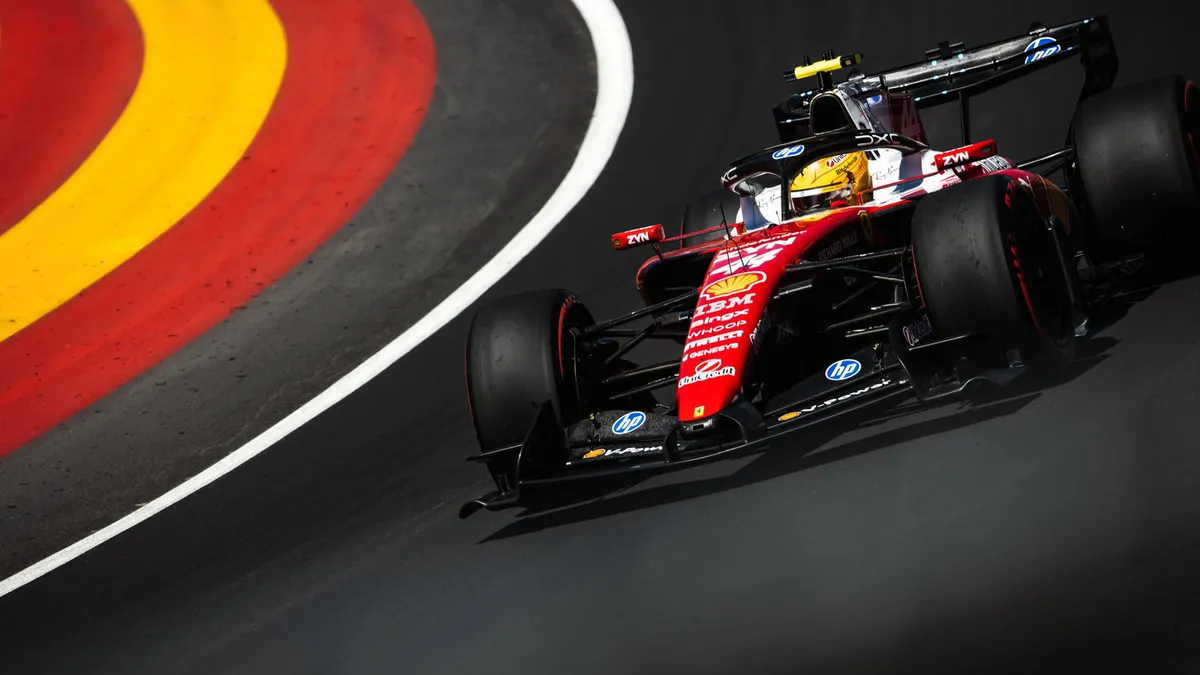
Ferrari mengubah strategi power unit di GP Spanyol: Hamilton kembali ke mesin lama, menyamakan spesifikasi dengan Leclerc. Dampak pada performa dan persaingan internal.
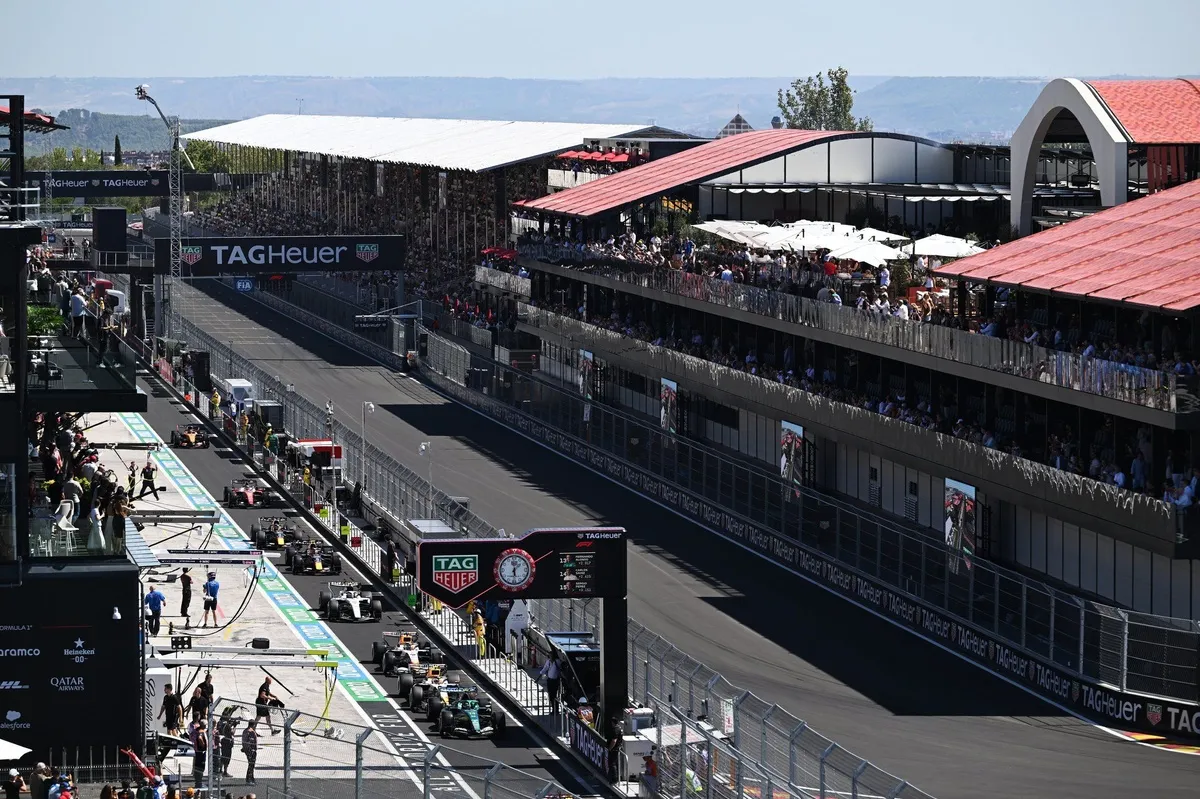
Pitlane 6 km Sirkuit Madrid ubah strategi F1 GP Spanyol. Degradasi ban tinggi, satu-stop atau dua-stop? Simak analisis lengkapnya.
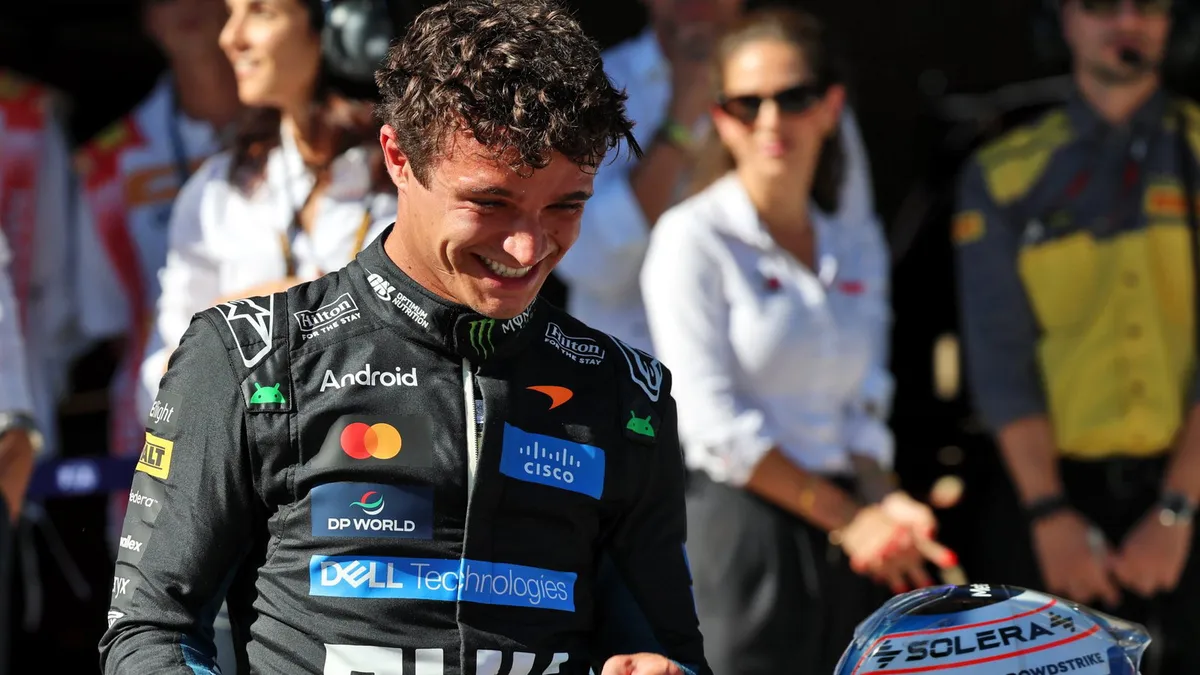
Lando Norris raih pole F1 Madrid dengan lap masterpiece, kalahkan Antonelli 0,011 detik. Simak analisis dan dampaknya untuk balapan.
 Lanjutkan dengan Google
Diskusi & Komentar (0)
Mari Bergabung dalam Diskusi!
Masuk dengan mudah untuk mulai memberikan komentar, membalas, dan berinteraksi dengan pembaca lainnya.
Komentar Terbaru
Belum ada komentar. Jadilah yang pertama!