







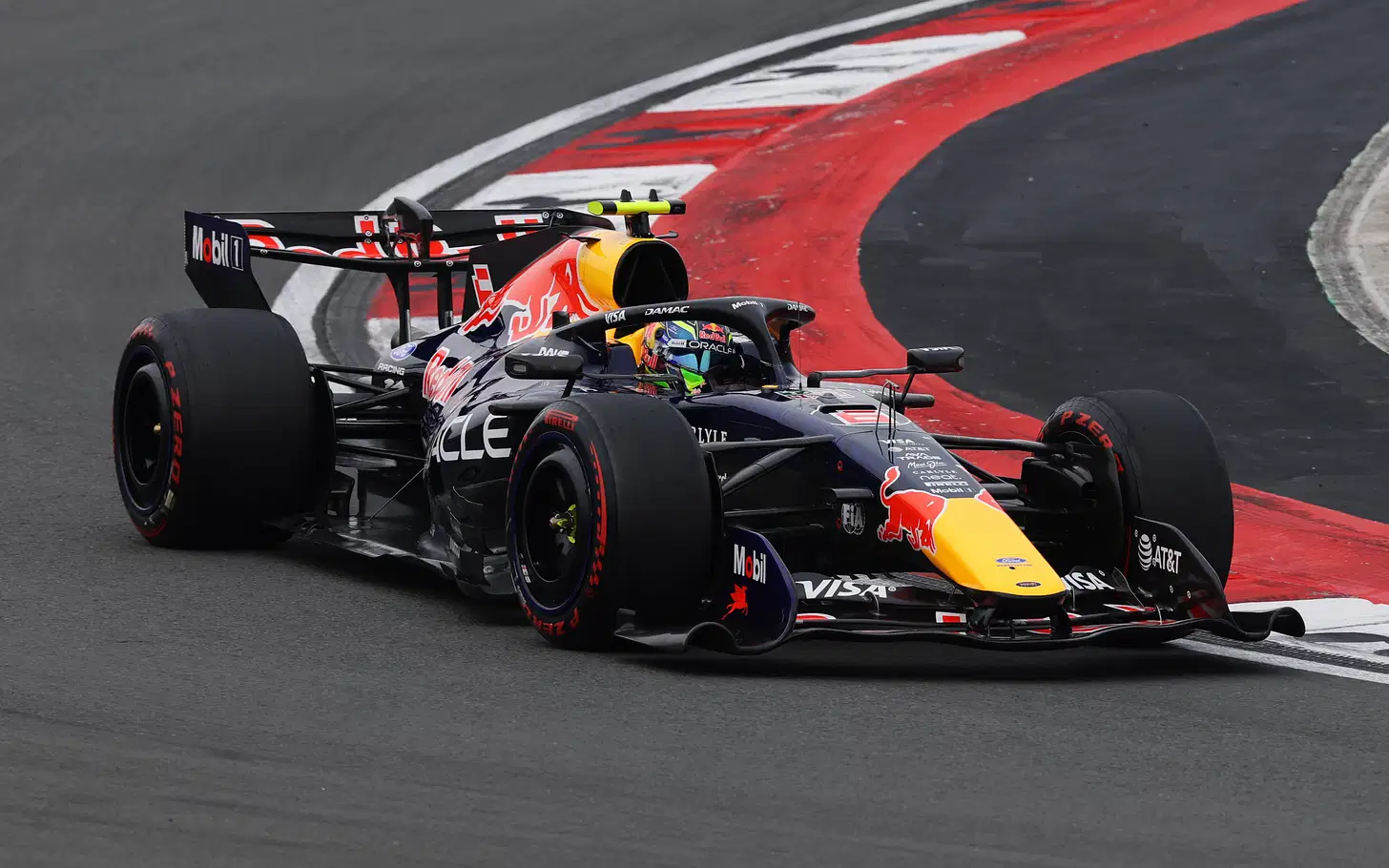

Formula 1, Sportrik Media - Isack Hadjar of Red Bull Racing has outlined a competitive drawback for the team following the cancellation of the Bahrain and Saudi Arabian Grands Prix in April 2026, citing reduced track time as a key limitation in developing its new power unit.
The absence of the two Middle Eastern rounds, confirmed due to ongoing regional conflict, creates an unusual early-season hiatus in the Formula 1 calendar. From a technical perspective, this interruption disrupts Red Bull’s ability to accelerate understanding of its in-house power unit project, developed in partnership with Ford.
Entering 2026 as a newly established original equipment manufacturer (OEM), Red Bull Racing anticipated a progressive learning curve. The objective is to close the performance gap to established power unit suppliers such as Mercedes and Ferrari, particularly under real race conditions.
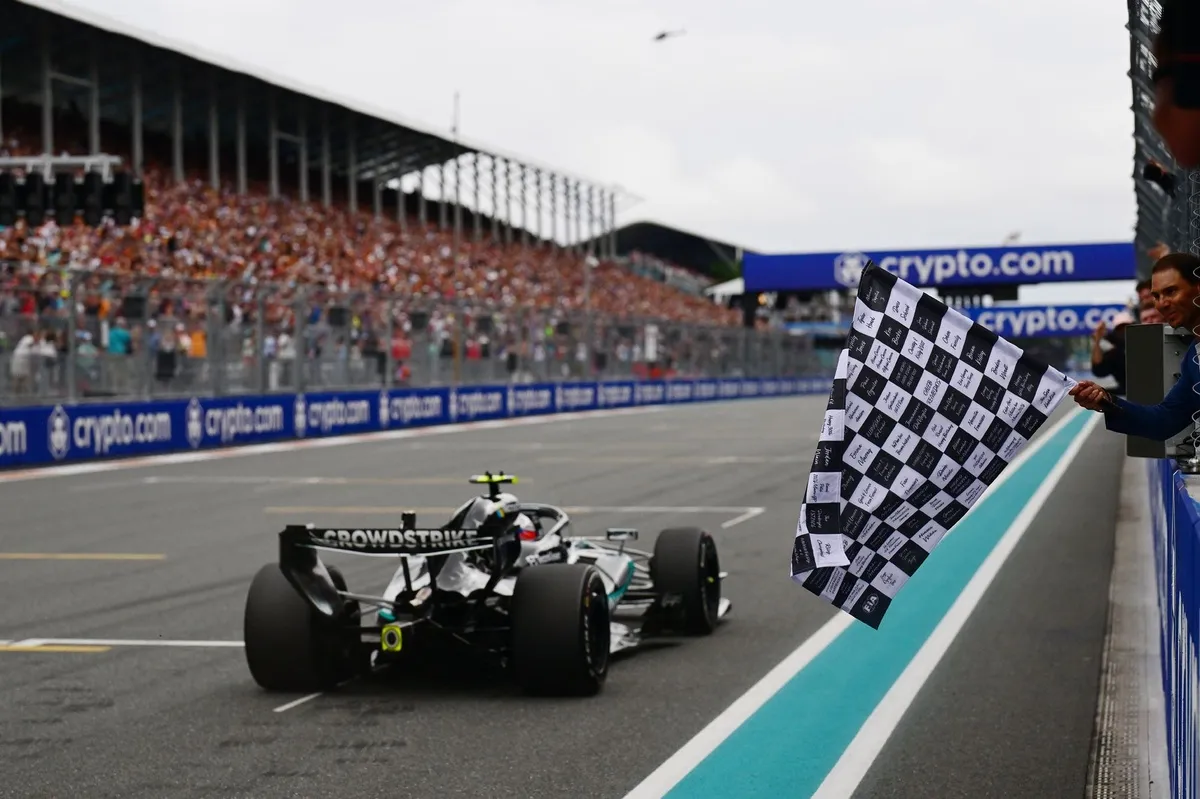
“The more racing we do, the more we understand, and the closer we get to the best engines on the grid,” Hadjar explained.
“So from that side, it is definitely a bit of a disadvantage for us, but it’s fine.”
Red Bull’s start to the 2026 campaign has been inconsistent despite encouraging signs during pre-season testing in Bahrain. Early reliability concerns, particularly affecting Isack Hadjar, have highlighted the challenges inherent in a new power unit programme.
The RB22 showed reasonable competitiveness in Melbourne, positioning itself as the third-fastest package. However, performance issues became more pronounced in Shanghai, where both Hadjar and Max Verstappen struggled against midfield rivals including Oliver Bearman and Pierre Gasly.
Reliability has also impacted race outcomes. Hadjar retired from the Australian Grand Prix due to a power unit issue, while Verstappen encountered similar difficulties in China, reinforcing the developmental nature of Red Bull’s current package.
In contrast, several drivers across the grid — including Oscar Piastri, Alexander Albon, and Liam Lawson — have pointed to a potential advantage from the enforced break, namely additional time for upgrades and development work.
However, Hadjar emphasised that for Red Bull’s specific situation, fewer races translate directly into fewer opportunities to gather critical performance data under competitive conditions.
“Yes, there is more time to work on upgrades, but also fewer points lost to everyone else, for sure,” he added.
With the early phase of the season disrupted, Red Bull now enters a crucial development window. The team’s ability to optimise its power unit performance during this hiatus will be pivotal ahead of the next scheduled rounds, as it seeks to stabilise reliability and improve competitiveness in the evolving 2026 championship landscape.
Baca Juga
FIA mengumumkan perubahan regulasi F1 2027: jarak balapan dipangkas, aturan waktu diperbarui, dan homologasi gearbox dihapus. Simak dampaknya bagi tim dan penggemar.
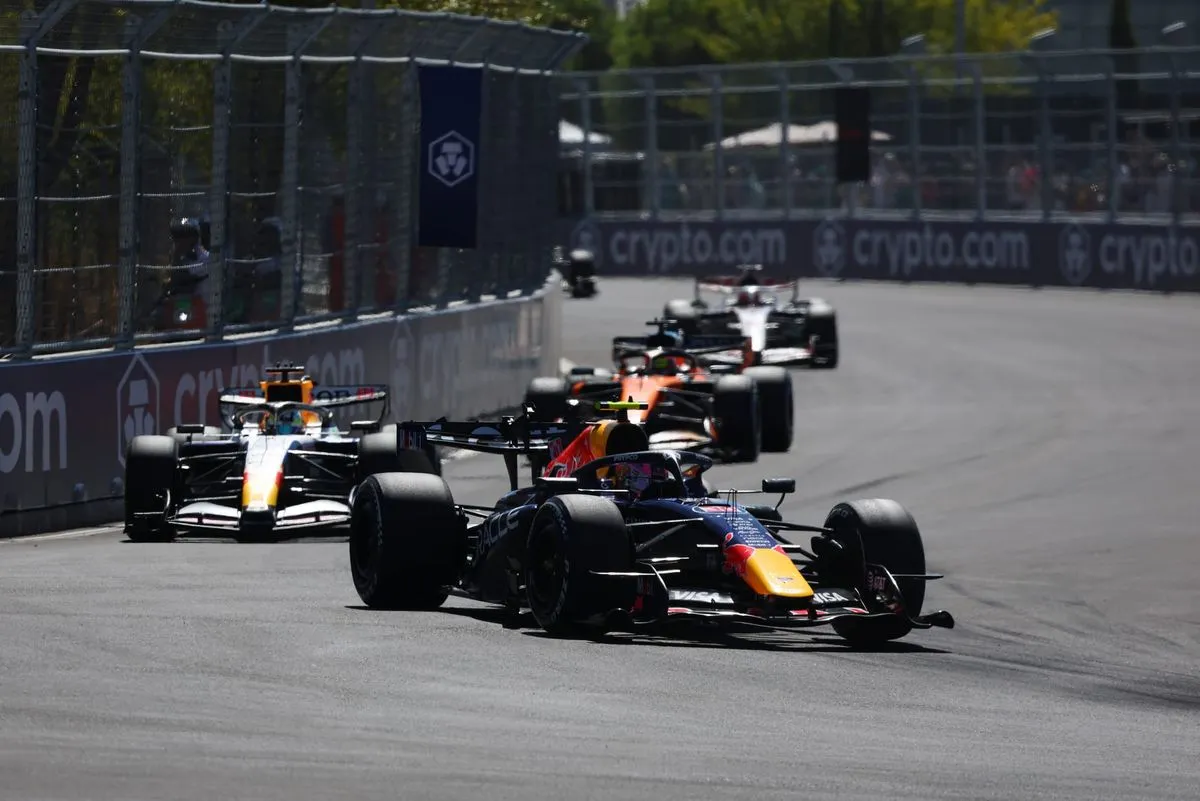
F1 resmi menyetujui balapan lebih pendek mulai 2027 untuk mengakomodasi perubahan teknis power unit. Jarak balapan dipangkas dari 305 km menjadi 290 km.

Jamie Chadwick mengungkap beban psikologis sebagai pembalap wanita di motorsport. Simak cerita lengkapnya di sini.
 Lanjutkan dengan Google
Diskusi & Komentar (0)
Mari Bergabung dalam Diskusi!
Masuk dengan mudah untuk mulai memberikan komentar, membalas, dan berinteraksi dengan pembaca lainnya.
Komentar Terbaru
Belum ada komentar. Jadilah yang pertama!