








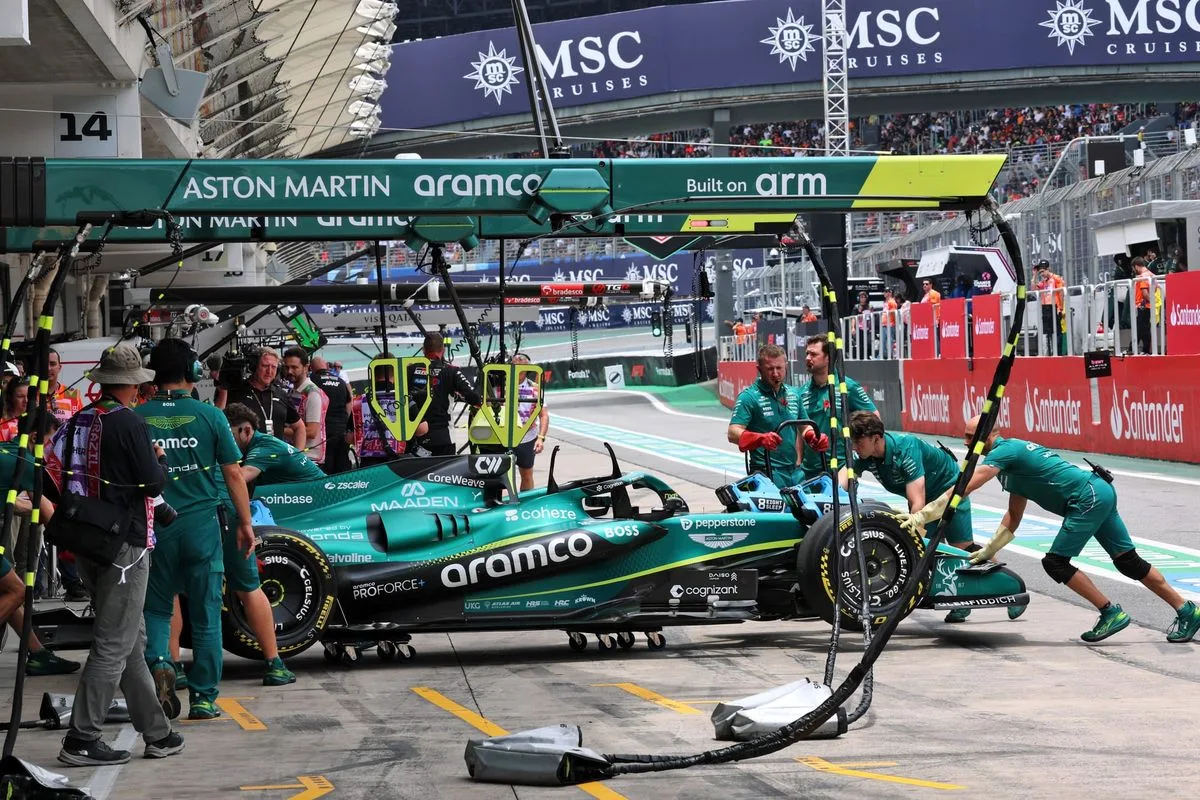
The technical partnership between Aston Martin and its power unit supplier is facing a severe test in the final stretch of the championship, as a concerning wave of reliability setbacks reemerges. This fragile phase was underlined during the recent Brazilian Grand Prix at Interlagos, where Lance Stroll suffered his second consecutive retirement within a demanding triple-header sequence.
The recurring battery issues plagued the Canadian driver throughout the entire weekend, ultimately forcing a premature retirement before the race reached its halfway point on Sunday. This latest blow compounds a difficult campaign for Stroll, who has managed to finish a mere six races out of the 20 grands prix contested so far this season.
Meanwhile, veteran teammate Fernando Alonso has endured a similarly frustrating run with seven retirements to his name. Despite occasional flashes of brilliance—such as breaking into Q3 for the first time and qualifying eighth in the treacherous wet conditions in Brazil—the underlying fragility of the machinery has continuously undermined their race-day execution.

Trackside engineering leader Shintaro Orihara candidly admitted that while the team understands the physical manifestation of the failure, tracking down the exact root cause remains an elusive puzzle. This energy storage system dilemma follows a cooling-related failure that derailed Alonso's competitive points charge at the Mexico City Grand Prix a week prior.
With only three rounds remaining on the calendar before the final checkered flag in Abu Dhabi, the priority shifts toward implementing emergency countermeasures for the upcoming Las Vegas Grand Prix. Engineers face a race against time to diagnose the telemetry anomalies completely and ensure a robust solution is engineered ahead of the 2027 season.
Baca Juga
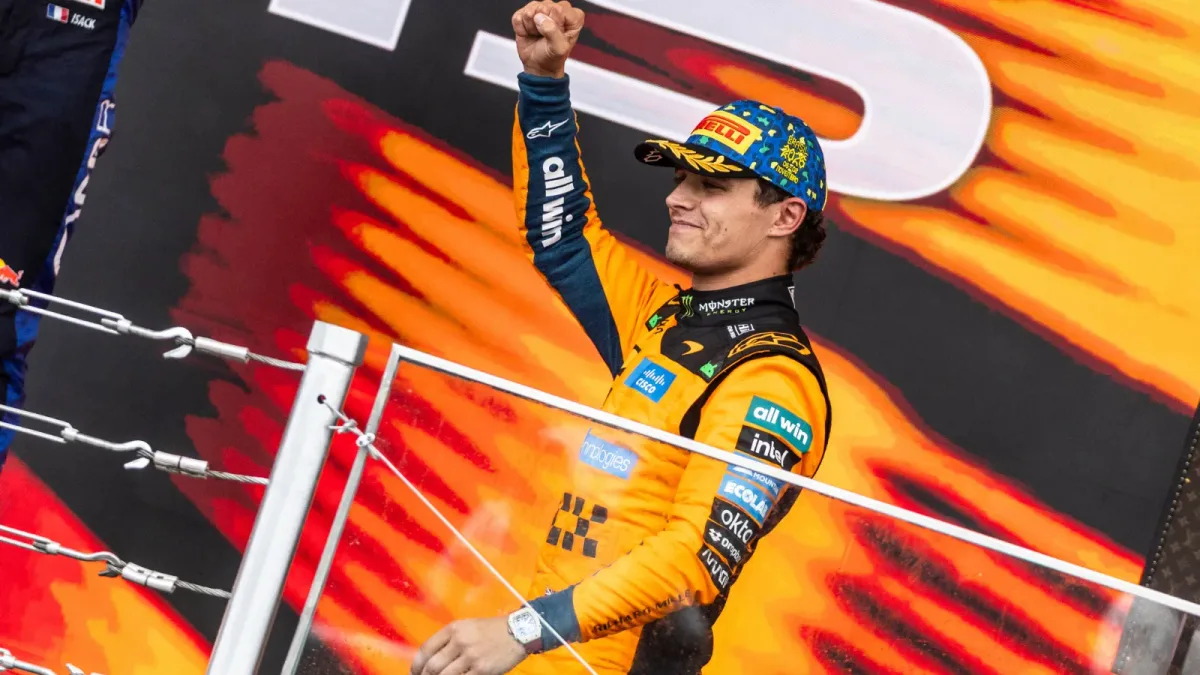
Lando Norris nyaris cedera saat selebrasi podium GP Brasil. Simak peringatan keras David Coulthard dan analisis performa balapnya di sini.
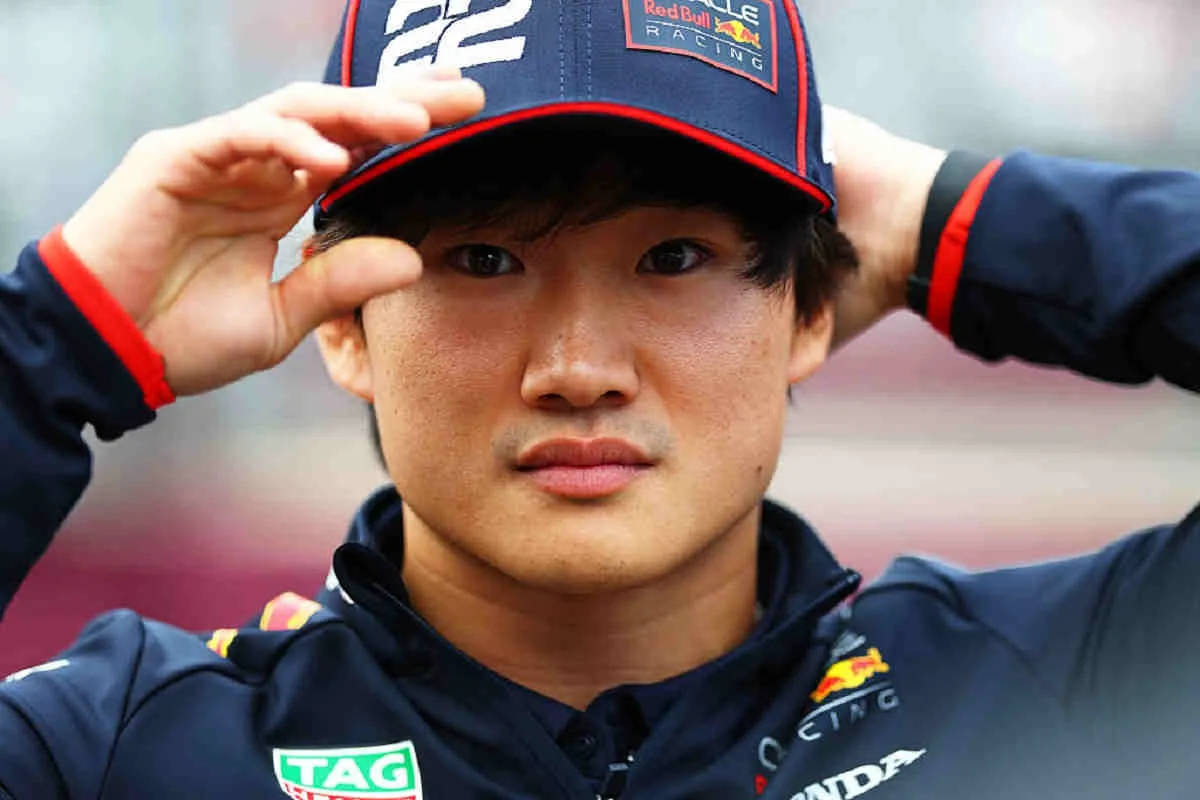
Uji coba IndyCar Yuki Tsunoda resmi dibatalkan Presiden Honda. Simak analisis lengkap bursa kursi F1 dan masa depan sang pembalap di sini.
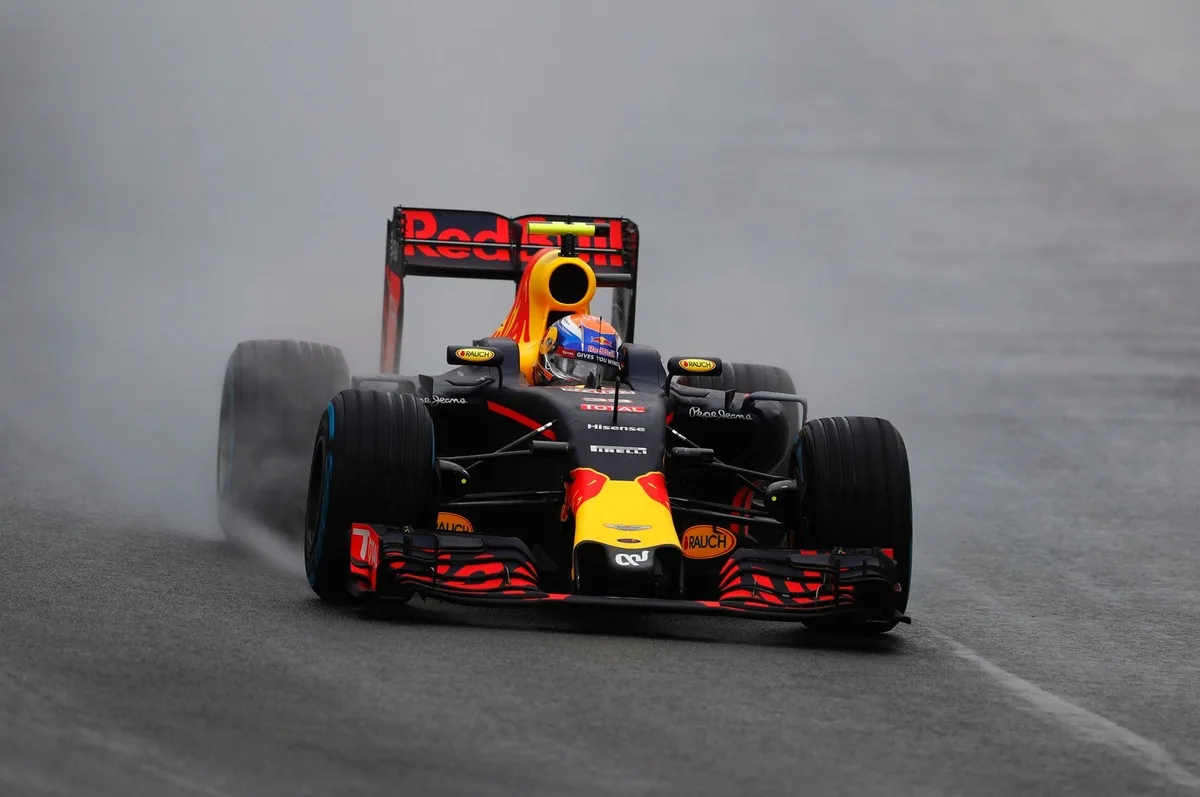
Simak analisis teknik di balik performa dominan Max Verstappen saat balapan hujan di Interlagos. Baca ulasan mendalam tentang manajemen grip dan performa mobil.
 Lanjutkan dengan Google
Diskusi & Komentar (0)
Mari Bergabung dalam Diskusi!
Masuk dengan mudah untuk mulai memberikan komentar, membalas, dan berinteraksi dengan pembaca lainnya.
Komentar Terbaru
Belum ada komentar. Jadilah yang pertama!