






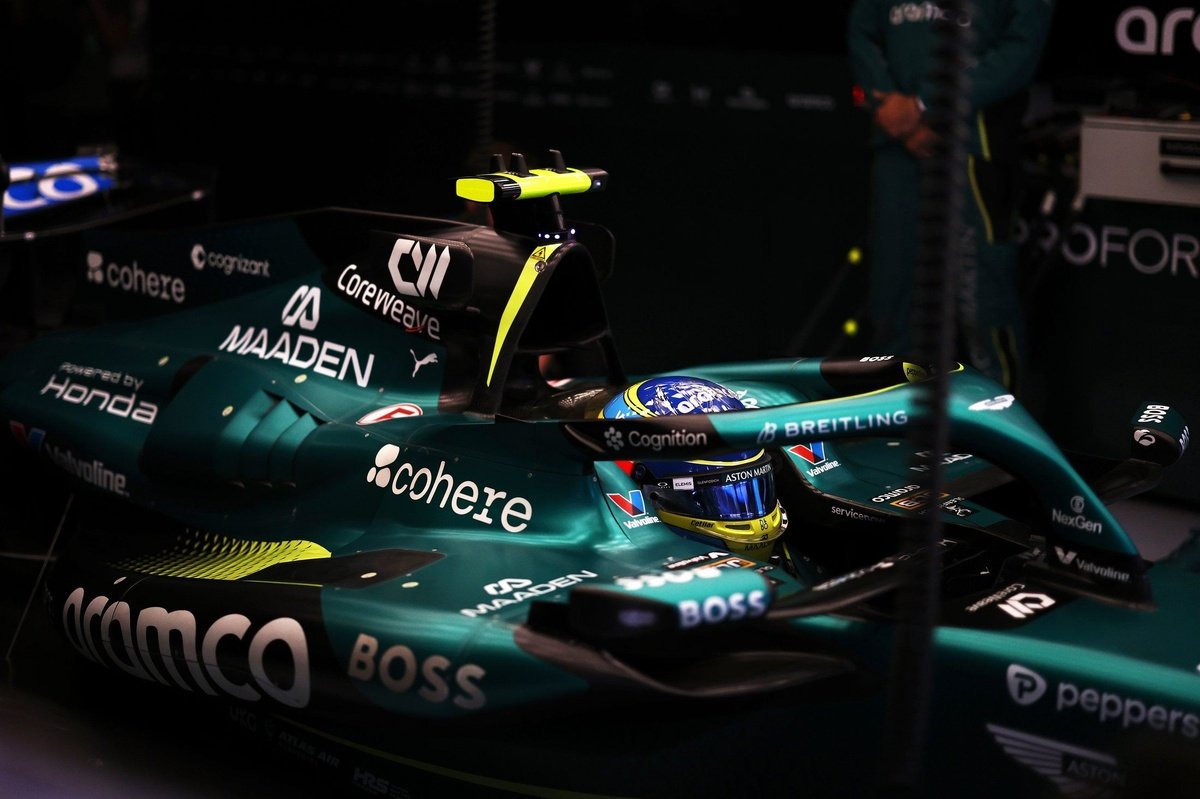

Shintaro Orihara, Honda's trackside manager and chief engineer, has revealed that the Japanese manufacturer only fully grasped the scale of its problems in January, when the performance and reliability of its power unit proved uncompetitive for the 2026 season. This admission came after the Barcelona shakedown, where Honda and Aston Martin were found wanting compared to rivals.
Despite having a state-of-the-art factory at Silverstone, legendary designer Adrian Newey, and a works partnership with Honda, the start of F1's new regulatory era has been far more challenging than anticipated. Mike Krack, Aston Martin's team principal, previously admitted the team was barely racing before the summer break due to a deficit of around one second to newcomer Cadillac.
In an exclusive interview with Autosport, Orihara explained that at the end of last year, Honda's position was not too bad. However, in January, they began to see performance fluctuations, and during the Barcelona test, they realized their performance was clearly below other manufacturers, compounded by battery issues.
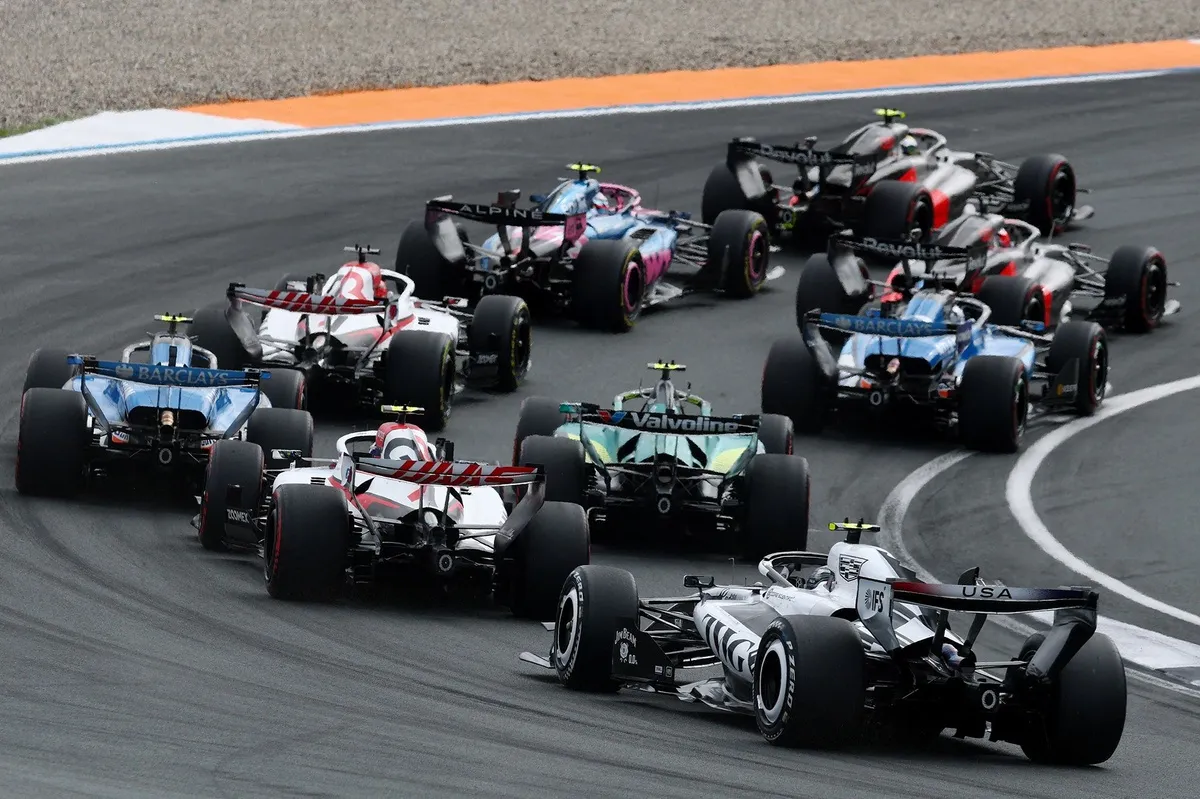
“We realized that our performance and reliability would not be competitive,” Orihara said. These battery issues complicated development and cost valuable track time during winter testing, which was critical for Aston Martin and Honda to recover.
Orihara stressed that there was no single stumbling block ahead of 2026, but rather a combination of all the regulation changes happening at once. Major changes to the MGU-K (from 120 kW to 350 kW) and fuel flow rate on the ICE side made development highly complex. “The challenging point for Honda is the combination of a lot of changes happening at the same time,” he said.
As a result, Honda is lacking outright power from its internal combustion engine, which the long-awaited Zandvoort upgrade is designed to address. This upgrade is the first step toward reducing the significant performance deficit. On the electrical side, the focus is on efficiency, but the removal of the MGU-H has also had a major impact on drivability, a recurring topic in the opening months.
“Removing the MGU-H has been quite challenging on the power unit side,” Orihara explained. “That is probably the most exciting point for power unit manufacturers. I have always mentioned drivability; the majority of that comes from removing the MGU-H. It's difficult to pick one component, but it has been the combination of all changes.”
Honda knows that returning to a competitive level will take time, but it hopes the Zandvoort upgrade will be a first step. This upgrade focuses purely on improving the ICE and was already tested during a filming day at the Hungaroring.
Reported by Autosport, this admission shows that the technical challenges of 2026 are greater than initially expected, and Honda's road back to the top remains long.
Baca Juga
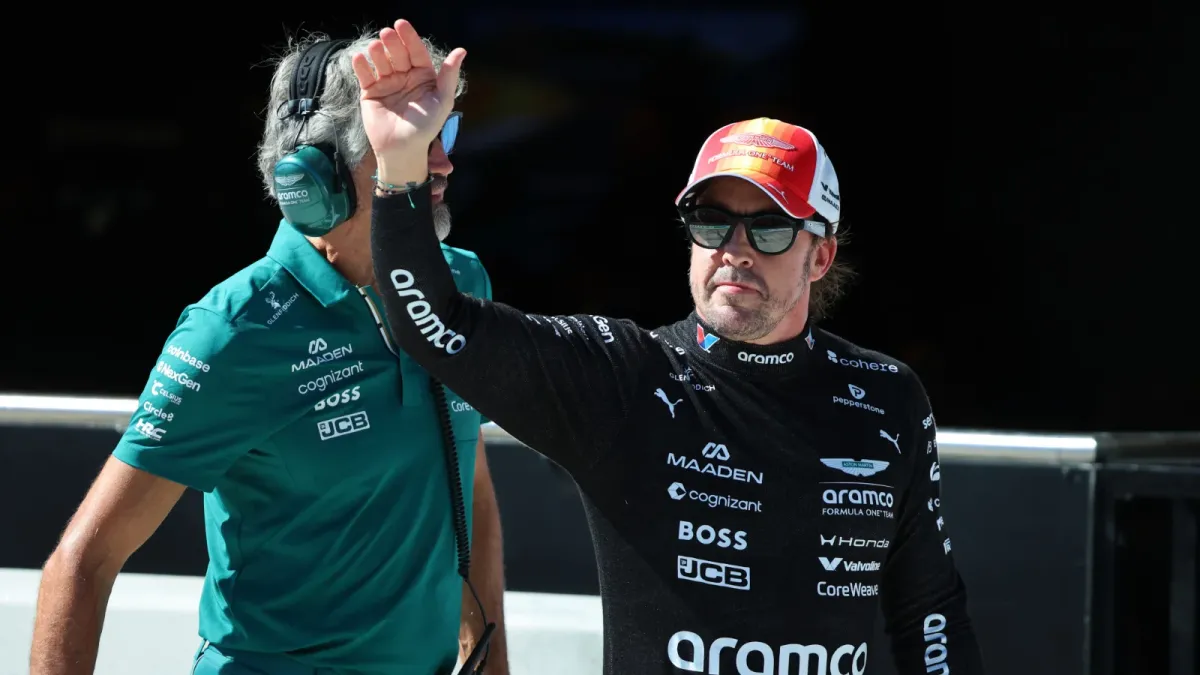
Pedro de la Rosa memberi update terbaru soal masa depan Fernando Alonso di F1. Duta besar Aston Martin itu menyerahkan keputusan penuh kepada Alonso.
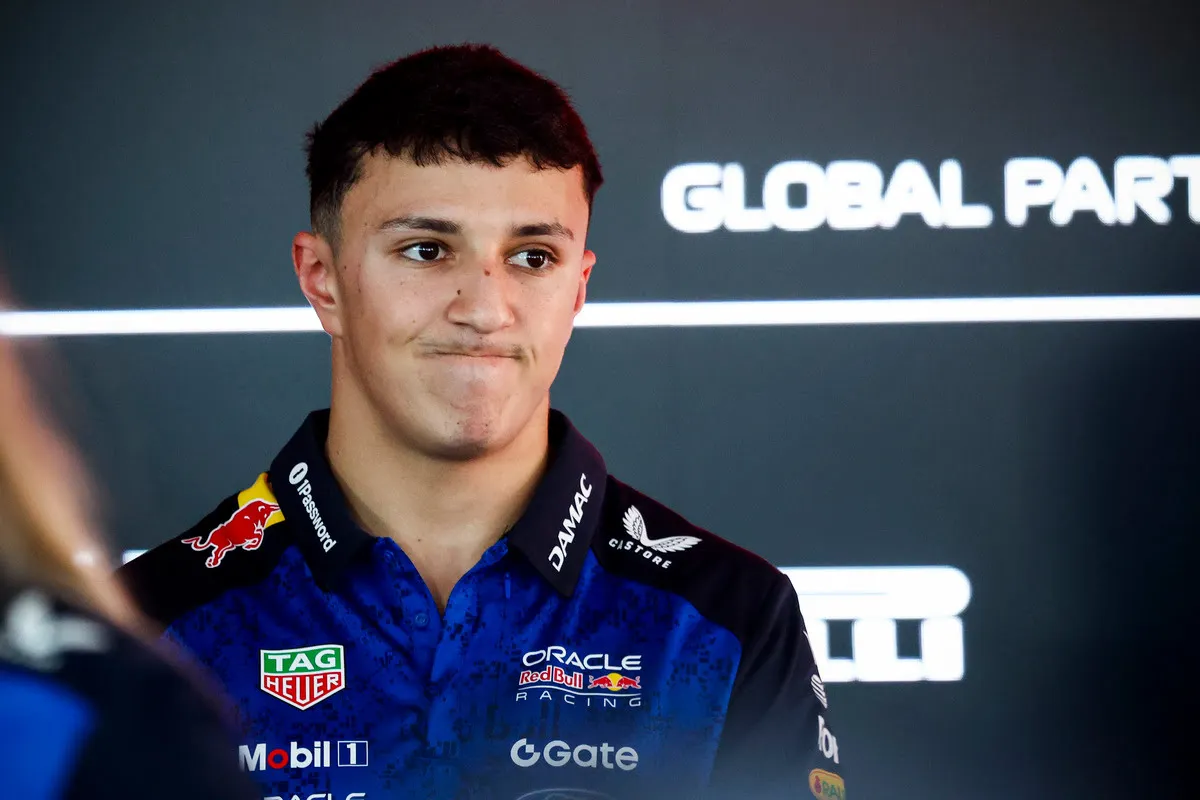
Isack Hadjar dipastikan kembali ke Red Bull untuk GP Azerbaijan di Baku setelah pulih dari cedera pergelangan tangan. Liam Lawson kembali ke Racing Bulls.
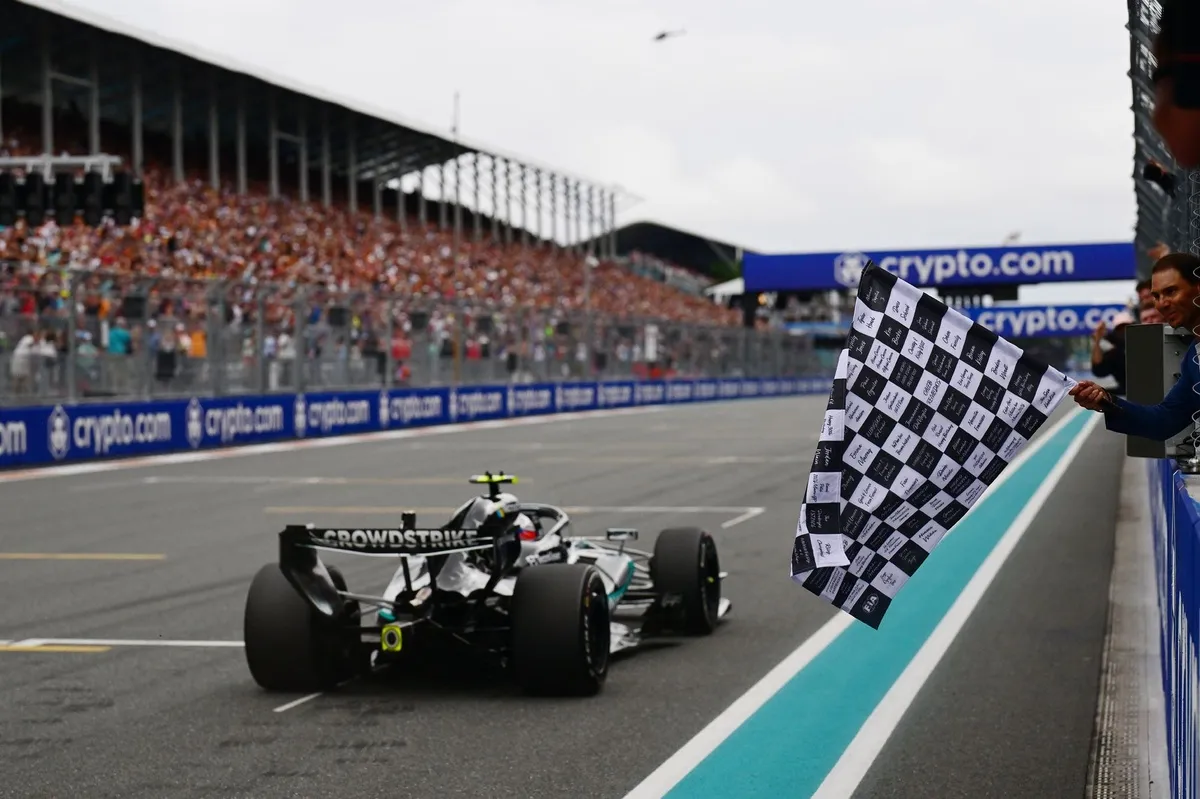
F1 Commission setujui pemangkasan jarak balapan menjadi 290 km mulai 2027 untuk mengakomodasi perubahan power unit. Simak alasan dan dampaknya bagi tim dan pembalap.
 Lanjutkan dengan Google
Diskusi & Komentar (0)
Mari Bergabung dalam Diskusi!
Masuk dengan mudah untuk mulai memberikan komentar, membalas, dan berinteraksi dengan pembaca lainnya.
Komentar Terbaru
Belum ada komentar. Jadilah yang pertama!