







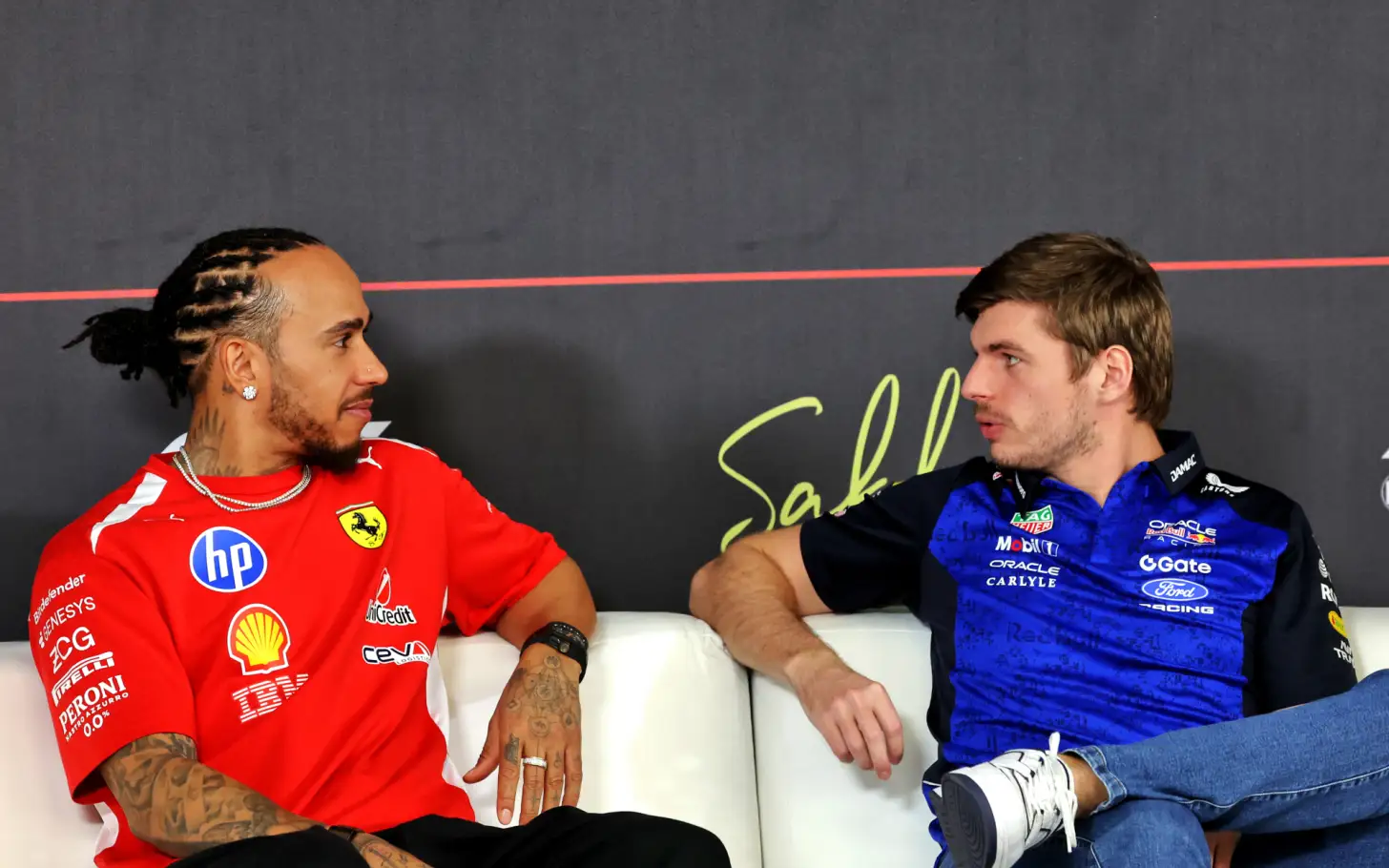

Formula 1, Sportrik Media - Lewis Hamilton and Max Verstappen have dismissed concerns that the new Formula 1 start procedure for 2026 is dangerous, following major changes to the sport’s power unit regulations.
With the removal of the MGU-H from the new generation engines, drivers must now build turbo pressure manually before the start to eliminate lag. The process takes longer than the standard start sequence used in previous seasons, leading to fears that cars—particularly those at the back of the grid—could stall and create potential collision risks.
Drivers must also be careful not to over-rev the engine or push too much energy through the system. During practice starts in pre-season testing at the Bahrain International Circuit, anti-stall activations were a frequent occurrence, highlighting the need for further adaptation.
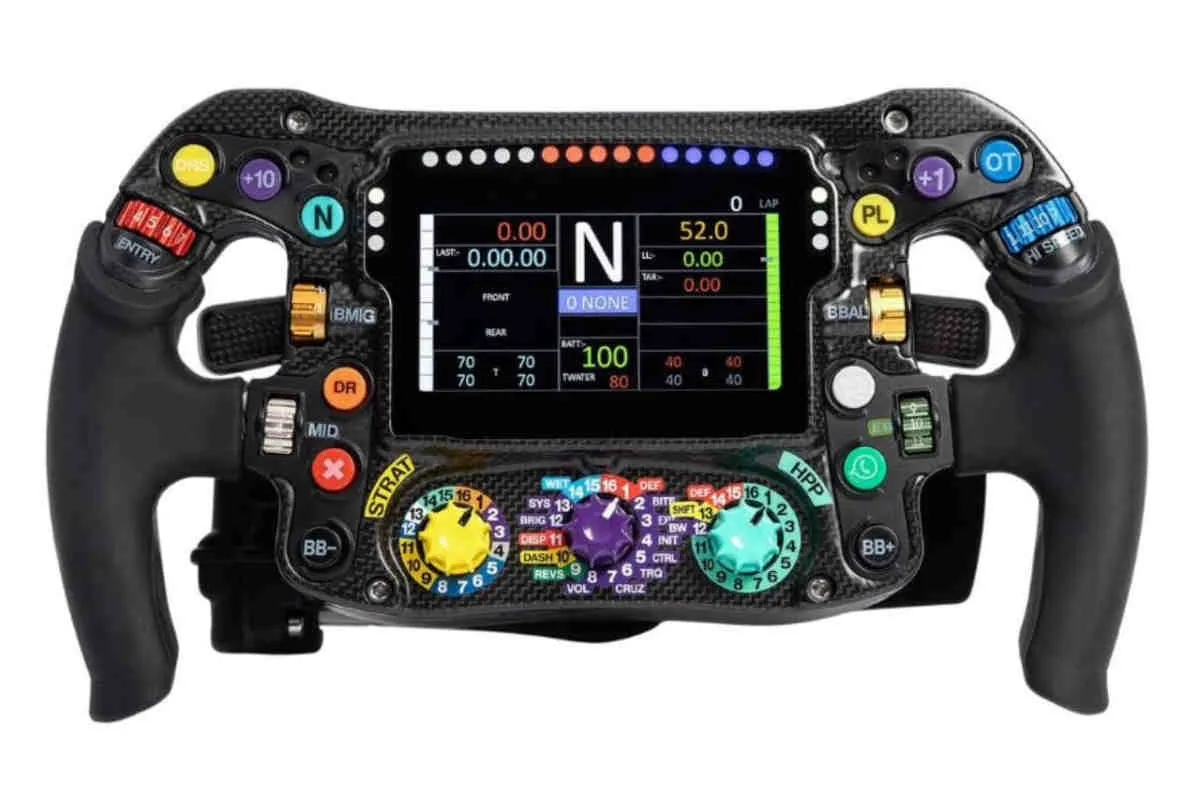
The situation prompted concerns that in early races, stalled cars on the grid could be struck by following drivers with limited visibility. However, seven-time world champion Hamilton rejected the notion that the procedure is dangerous.
“It is definitely not dangerous, and I think we should probably take that connotation away from it, just because it is a different procedure,” Hamilton said.
“It is just a longer procedure than it has been in the past. Right now, if you put the five lights up, we would still be standing there when the lights went out for a little bit longer, but you can still pull away without the turbo going.
“You will probably go into anti-stall a couple of times, so perhaps that is something to look at, but I don’t think it is dangerous.”
A similar view was expressed by four-time world champion Verstappen. Despite his earlier criticism of the new regulations, the Red Bull Racing driver does not see the start procedure as a major safety concern.
“You should start in the pit lane if you feel unsafe. You’ll catch up by Turn 4 anyway to the back of the pack,” Verstappen remarked.
The same stance was echoed by Cadillac driver Valtteri Bottas, who believes the main difference is simply the longer period of holding engine revs before the start.
“Honestly, I don’t think it is more dangerous than before. The only main difference is the longer holding of the revs,” Bottas explained.
“My only concern is that if you are at the back of the grid, once you start holding your revs, the lights might already begin, and you won’t have enough time to get the turbo spinning.
“But that is only an issue for drivers at the back, and we will find solutions. I don’t see any element of danger in just having longer rev holds.”
A few hours after the drivers’ comments, the FIA tested a revised start procedure during the second Bahrain pre-season test. The updated sequence included an additional formation lap and a pre-start warning, with all grid panels flashing blue for five seconds before the normal start light sequence began.
The move forms part of the FIA’s evaluation of start procedures under the new regulations, aiming to ensure all drivers have enough time to prepare the turbo before the race begins.
The 2026 power unit changes have significantly altered start characteristics. Without the MGU-H, the system no longer provides electrical assistance to spin the turbo before full engine load, forcing drivers to rely on higher engine revs for several seconds prior to the start—something not required in the previous turbo-hybrid era.
The new approach is part of Formula 1’s broader strategy to simplify engine architecture while increasing the role of electrification. The new power units split output evenly between combustion and electrical energy, making energy management a critical performance factor.
This shift affects not only race starts but also overall race strategy. Drivers must carefully manage electrical deployment, while teams are tasked with optimising software and control systems to extract maximum performance.
Despite the initial challenges, the response from leading drivers such as Hamilton and Verstappen suggests the situation is viewed as a normal part of adapting to a major regulation change. With the FIA already testing revised procedures, the issue is expected to be refined further before the 2026 Formula 1 season officially begins.
Baca Juga
Mercedes ledek Kimi Antonelli yang kesulitan menyemprotkan air mawar pada selebrasi podium Formula 1 setelah mengamankan posisi kedua klasemen.

Charles Leclerc ungkap kekhawatiran mendalam pembalap F1 terhadap regulasi mesin 2026 usai kekacauan teknis di Grand Prix Bahrain.

Simak analisis lengkap kekacauan GP Bahrain 2026, kemenangan perdana Red Bull Powertrains, serta preview eksklusif Bathurst 1000 bersama David Reynolds.
 Lanjutkan dengan Google
Diskusi & Komentar (0)
Mari Bergabung dalam Diskusi!
Masuk dengan mudah untuk mulai memberikan komentar, membalas, dan berinteraksi dengan pembaca lainnya.
Komentar Terbaru
Belum ada komentar. Jadilah yang pertama!