







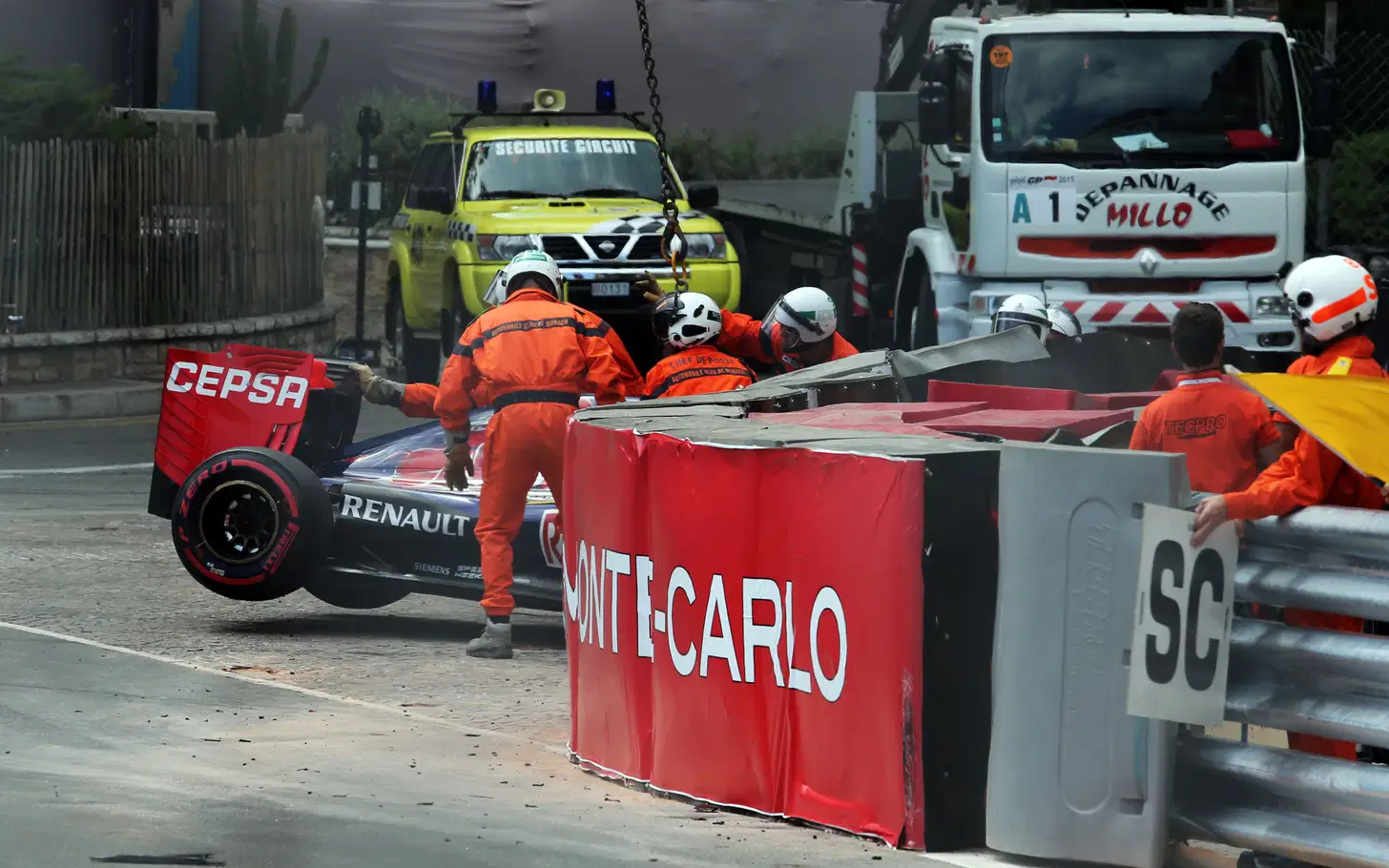

The first major high-speed accident of Max Verstappen during his rookie Formula 1 season has re-entered the spotlight as a pivotal moment that redefined modern race safety regulations. As reported by Racingnews365, this historic event unfolded at the 2015 Monaco Grand Prix while the then 17-year-old Dutchman was driving for Scuderia Toro Rosso. Locked in an aggressive pursuit for the final championship point, Verstappen's high-speed impact not only destroyed his chassis but triggered a tactical domino effect that stripped a dominant front-running team of a certain victory.
The operational timeline of the incident began when Verstappen suffered a critical delay during a lap 30 pit stop, stalling his engine for over 31 seconds. This setback forced him onto a recovery charge, exploiting the maximum grip parameters of a fresh set of supersoft tyres to close the deficit. Approaching the heavy braking zone of the opening Sainte Devote corner, his STR10 clipped the rear wheel of the Lotus driven by Romain Grosjean at immense speed. The violent mechanical contact launched Verstappen's chassis directly into the tecpro energy-absorbing barriers with a massive impact force measured at 30G.
Telemetry Disputes and Super Licence Penalties
Following the severe impact, Verstappen managed to climb out of the shattered monocoque unaided and without major physical injuries. However, assignment of blame immediately sparked intense technical arguments between both outfits. The young Dutchman adamantly claimed that Grosjean had executed a brake-test by intentionally anchors down significantly earlier than on the preceding lap. Conversely, the Lotus engineering team rejected the allegation outright using internal telemetry data, which verified that Grosjean had actually initiated braking five metres later than his reference lap.
After a thorough investigation utilizing multi-angle video analysis and chassis sensor logs, the FIA stewards ruled that Verstappen was entirely at fault due to a severe miscalculation of closing distance. The governing body handed down a five-place grid penalty for the subsequent Canadian Grand Prix, alongside a two-point deduction on his Super Licence. This strict sporting penalty was enforced to discourage over-aggressive driving profiles on narrow street circuits that leave zero margin for operational error.
The Birth of Virtual Safety Car and Mercedes' Blunder
The structural fallout of this heavy collision radically altered the landscape of global race management systems. The accident served as the primary catalyst for the deployment of the Virtual Safety Car (VSC) system for the first time in live Formula 1 race conditions to instantly control the lap delta of all machinery on track. Before this electronic speed-limitation protocol was fully integrated, the subsequent real Safety Car intervention completely disrupted the pit wall calculations of a leading Mercedes squad.
The track emergency triggered tactical panic inside the German manufacturer's garage, leading them to call Lewis Hamilton in for an entirely unnecessary late pit stop. This pit-window miscalculation proved fatal as Hamilton lost track position to his teammate, Nico Rosberg, who duly inherited the lead and secured maximum points on the top step of the podium. The internal team rivalry instantly intensified due to this strategy deviation, validating how a single misjudgment by a midfield rookie could completely reshape point distribution and title dynamics at the top of the constructors' standings.
Baca Juga

Simak perjalanan Simona de Silvestro dari nyaris tembus F1 bersama Sauber hingga banting setir ke Olimpiade. Baca analisis lengkap di sini!
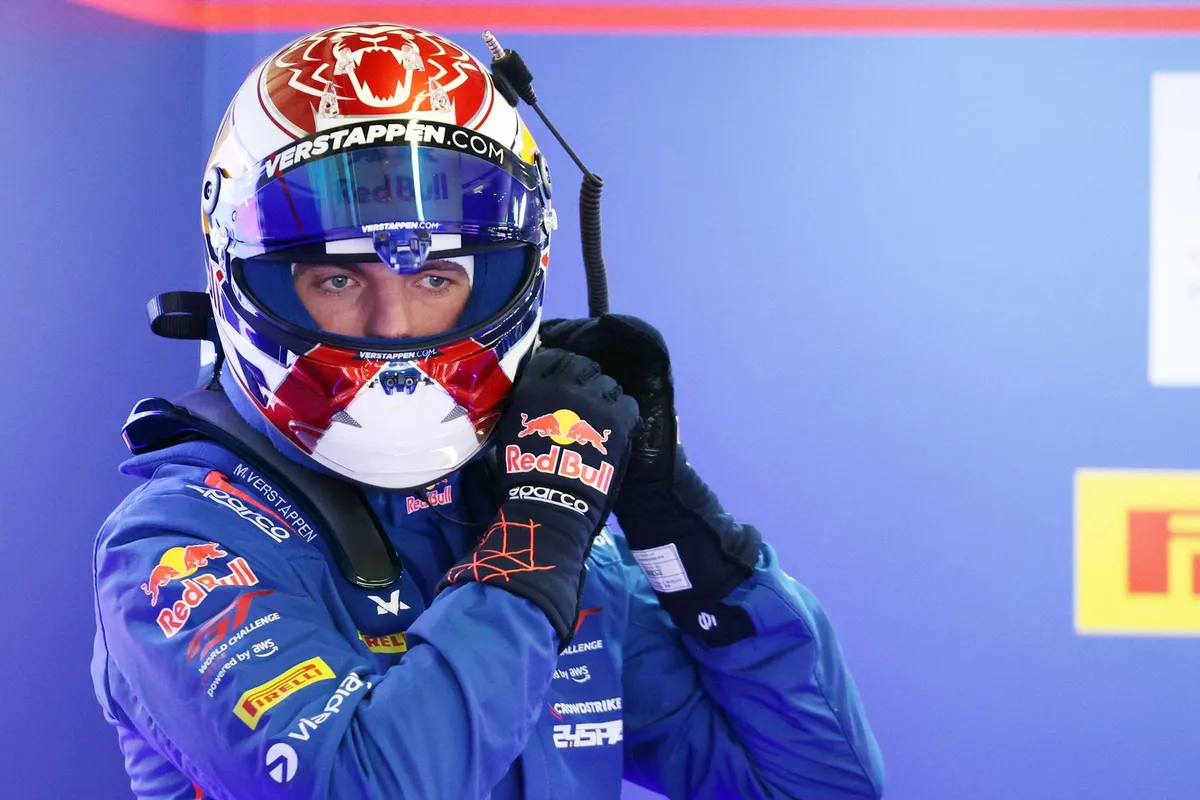
Simak analisis lengkap debut gemilang Max Verstappen di GT World Challenge Portimao, dari penalti hingga aksi comeback memukau ke sepuluh besar.
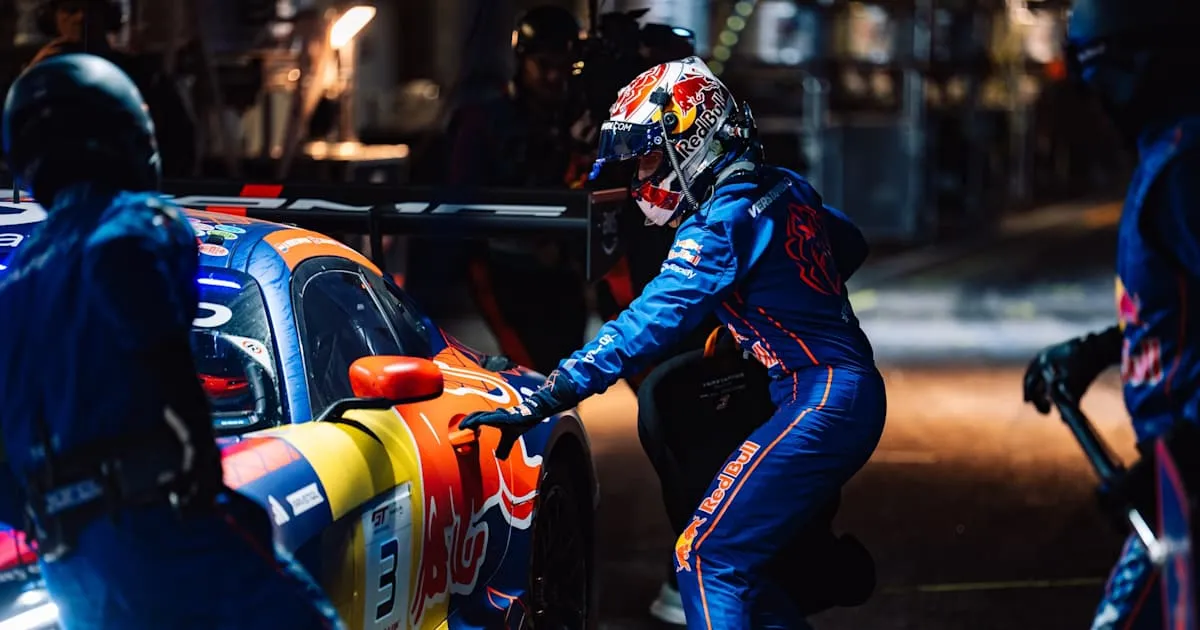
Simak ulasan lengkap debut fantastis Max Verstappen di GT World Challenge Europe Portimao. Baca analisis mendalam dan hasil balap selengkapnya di sini.
 Lanjutkan dengan Google
Diskusi & Komentar (0)
Mari Bergabung dalam Diskusi!
Masuk dengan mudah untuk mulai memberikan komentar, membalas, dan berinteraksi dengan pembaca lainnya.
Komentar Terbaru
Belum ada komentar. Jadilah yang pertama!