







The Grand Prix Commission has officially announced a series of regulatory changes that will reshape MotoGP and Moto2 in the coming years. The decision, made in a recent meeting, immediately caught the paddock's attention, especially as it touches on technical and sporting aspects that have long been debated.
The most striking point is the introduction of a maximum engine rev limit of 20,000 rpm for the premier class. This figure was already an open secret, embedded in the ECU software, but now it becomes an official written rule. The move anticipates the major technical shift in 2027, when engines will drop from 1,000cc to 850cc with a bore reduction from 81mm to 75mm. The goal is clear: prevent excessive rev increases due to the smaller capacity.
Currently, MotoGP bikes typically operate around 18,000-19,000 rpm, so the 20,000 rpm limit still leaves headroom. However, by making it part of the regulations, any violation will face stricter penalties. This also gives manufacturers certainty when designing the 2027 engines.
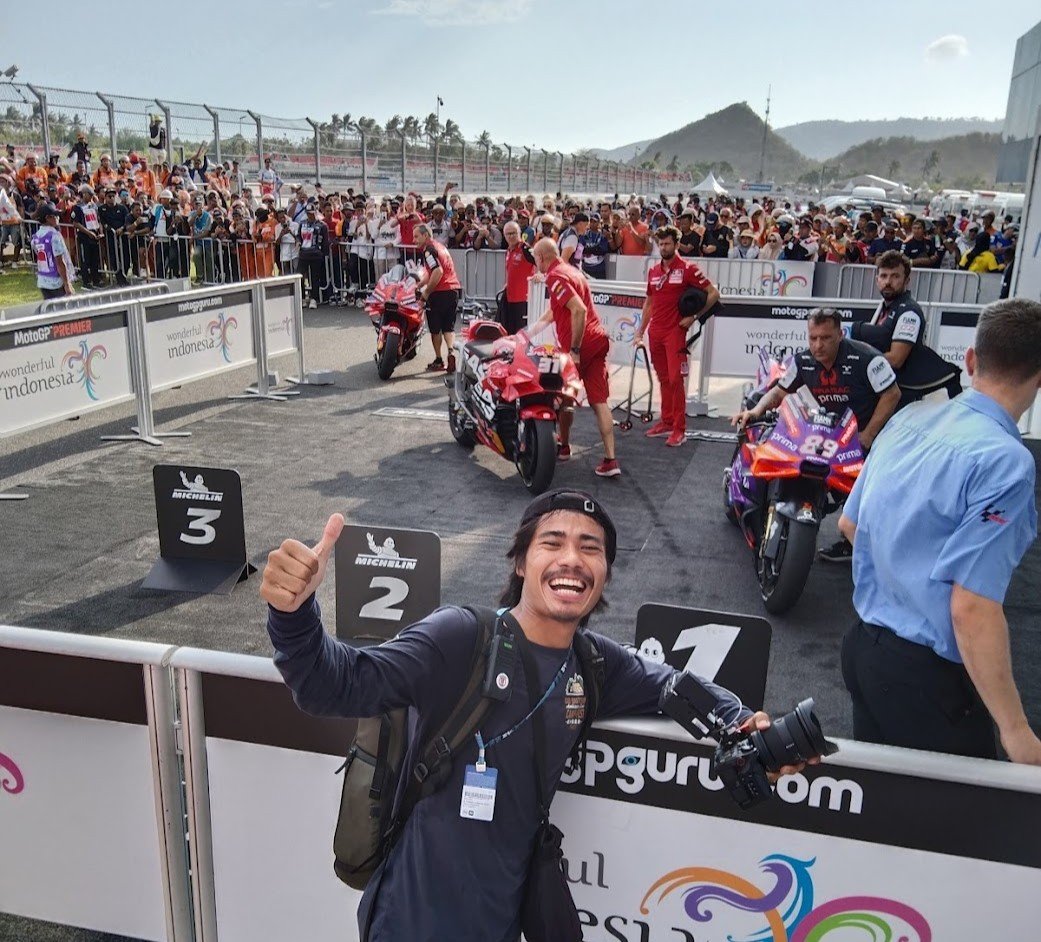
Additionally, there's a significant change regarding practice starts. From now on, practice starts from the pit lane are banned at all circuits. Previously, this practice was allowed at over 30% of tracks. The decision came after the championship introduced dedicated zones for such practice at every circuit, plus a specific start practice session during each Grand Prix. Riders will have to adapt to the new facilities.
Moto2 is also in for an overhaul. In 2027, the class will use a new-generation Triumph engine, forcing teams to develop new chassis. Therefore, the Commission decided that all teams will start the 2027 season without concessions, essentially from scratch. This aims to create more balanced competition at the start of a new technical era. The concession classification will be reviewed mid-season.
Development in Moto2 will also be limited. Each manufacturer may only introduce one update during the season, either on the chassis or swingarm. Meanwhile, aerodynamics will be frozen based on 2026 designs. The use of older versions will also be restricted to maintain performance balance. Triumph as the sole engine supplier must ensure a competitive engine supply for all teams.
These changes are expected to make competition in Moto2 and Moto3 healthier, especially with new teams joining. Moto2 will serve as a laboratory for young riders before they step up to MotoGP. With the new regulations, every team is required to manage resources more carefully.
Overall, the Grand Prix Commission's decision demonstrates a commitment to maintaining the sustainability and competitiveness of the championship. The impact will be felt over the next few seasons, and fans can look forward to tighter racing and more controlled technology.
Baca Juga
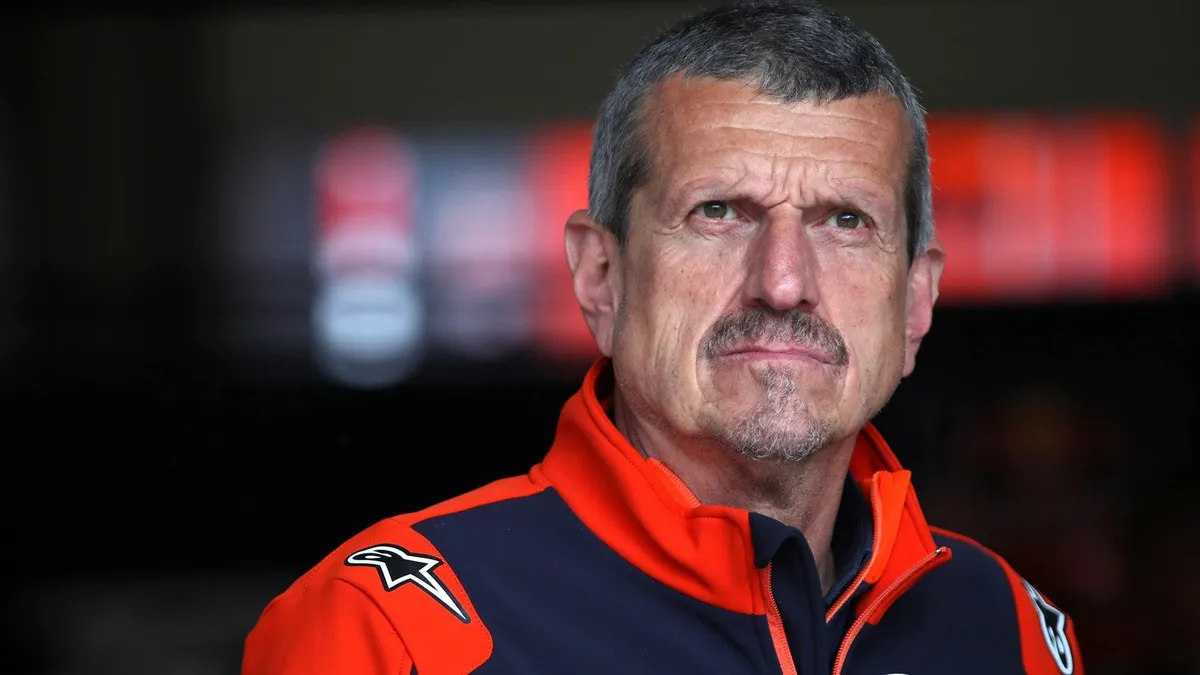
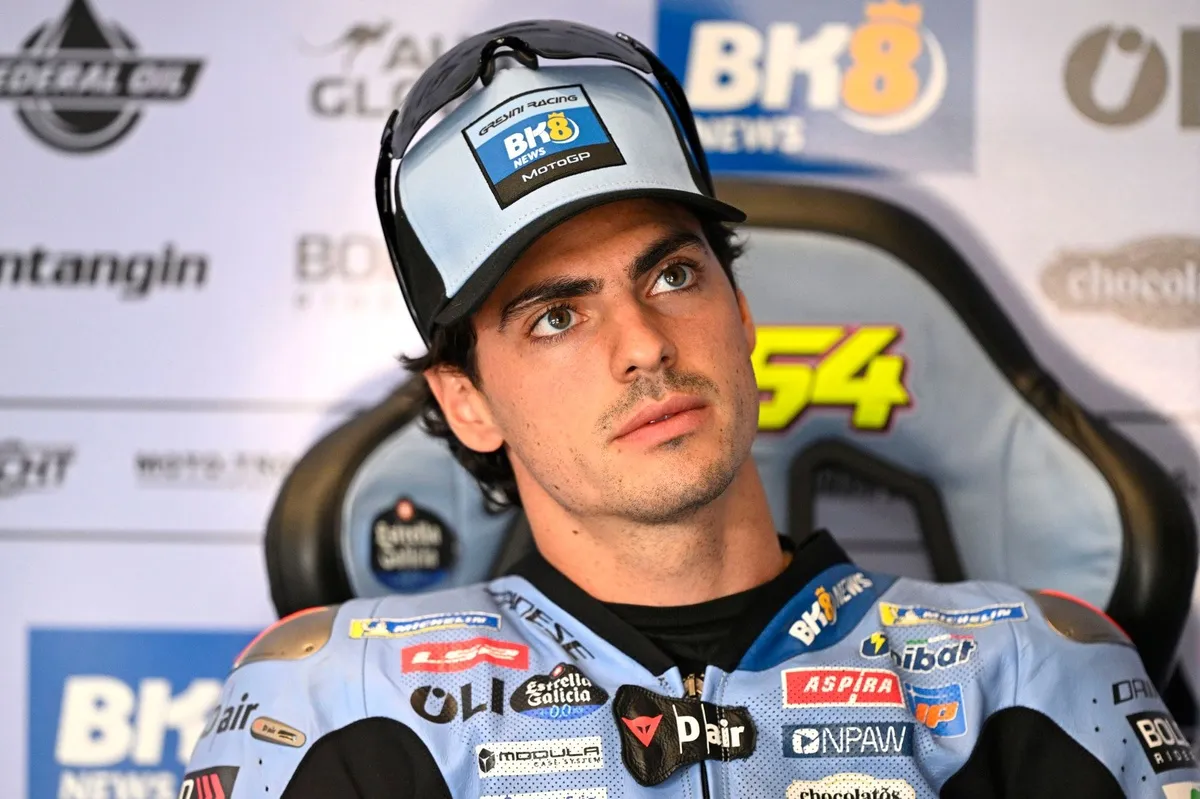
Guenther Steiner jelaskan alasan pilih Senna Agius untuk Tech3 MotoGP 2027, kalahkan Manuel Gonzalez. Faktor usia dan potensi jadi kunci keputusan.
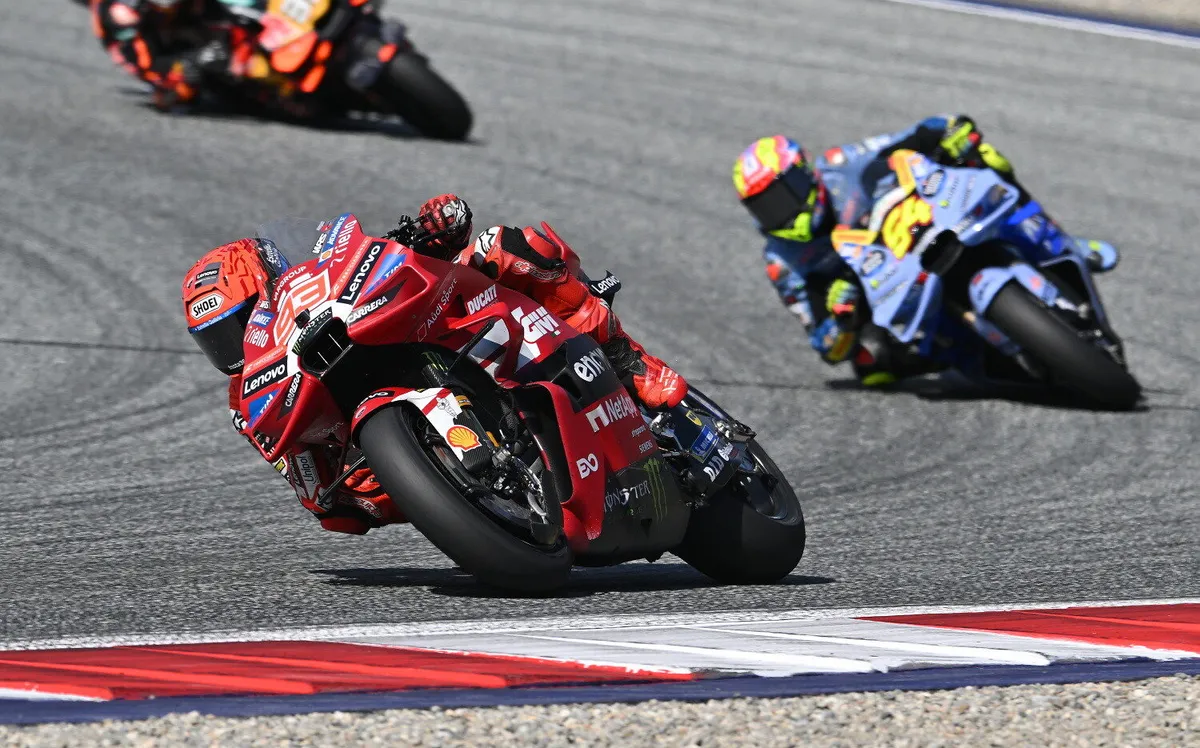
Komisi Grand Prix resmi mengesahkan batas 20.000 rpm di MotoGP, larangan latihan start dari pit lane, dan aturan baru Moto2 2027. Simak detailnya.
Gigi Dall'Igna prediksi juara MotoGP 2026 berakhir dramatis setelah Marc Marquez kesulitan di Austria. Jarak dengan Jorge Martin menyusut jadi 12 poin.
 Lanjutkan dengan Google
Diskusi & Komentar (0)
Mari Bergabung dalam Diskusi!
Masuk dengan mudah untuk mulai memberikan komentar, membalas, dan berinteraksi dengan pembaca lainnya.
Komentar Terbaru
Belum ada komentar. Jadilah yang pertama!