







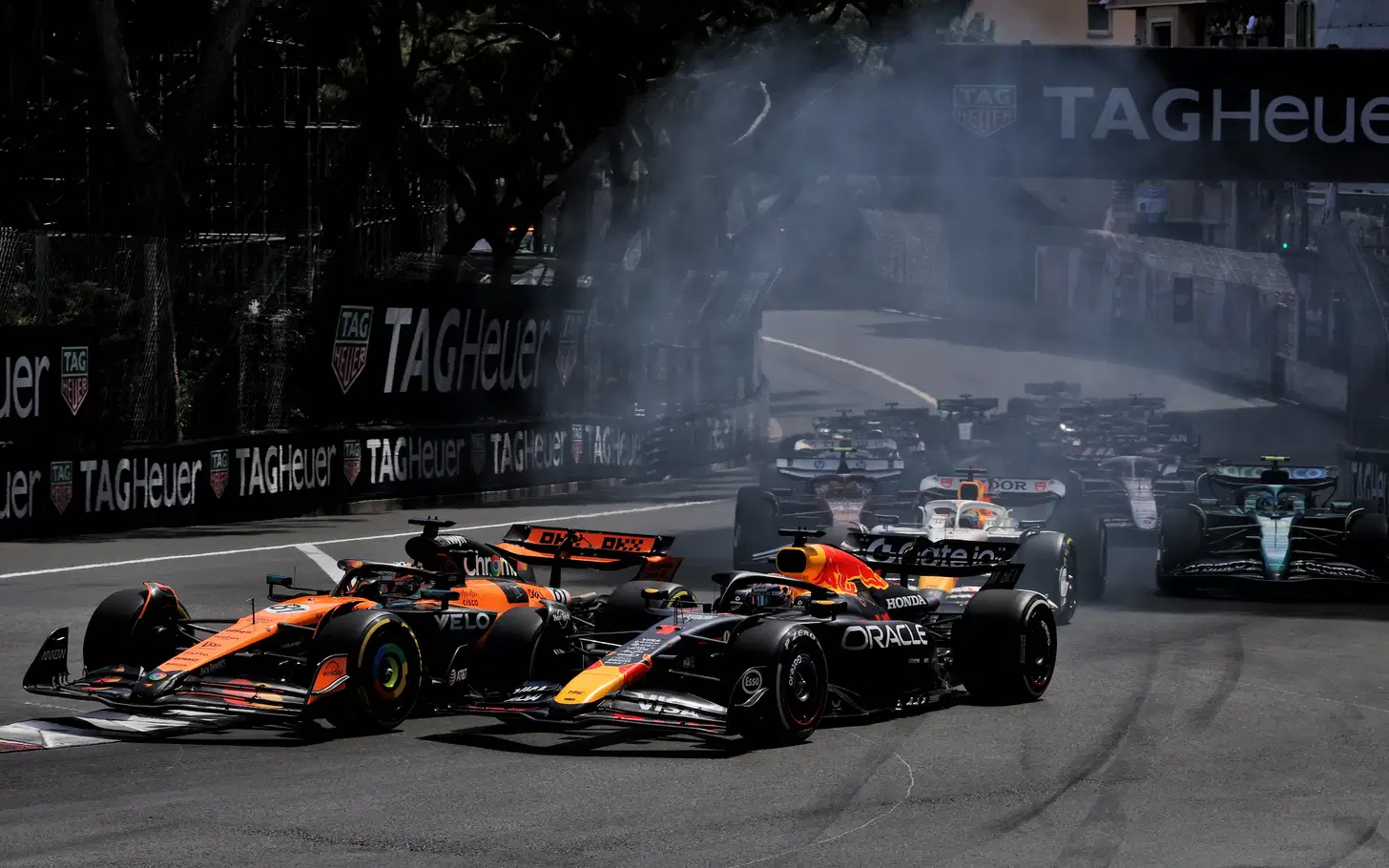

The FIA has mandated extreme regulatory interventions by artificially restricting the electrical deployment of Formula 1 power units exclusively for the upcoming Monaco Grand Prix. The unique Monte Carlo layout, featuring frequent heavy braking zones, naturally promotes massive energy harvesting for the 350 kW battery but offers zero safety run-off areas. To prevent uncontrollable top speeds in such a confined environment, the governing body has officially banned the deployment of active aerodynamic Straight Mode, meaning standard drag-reduction systems on both the front and rear wings will be completely disabled.
Beyond locking the wing flaps, this emergency safety measure drastically alters the hybrid mapping of the new 50:50 internal combustion and electrical power split. The FIA has imposed a strict linear reduction profile, forcing the electrical power delivery to drastically taper off starting at 200 kph until it reaches absolute zero at 300 kph. This artificial power drop-off point has been aggressively brought forward by 90 kph compared to the standard deployment profile used at conventional circuits, where electrical reduction typically begins at 290 kph.
The only exception to this aggressive power cut is the utilization of the Overtake Mode, left intact to facilitate passing on a track notoriously difficult for overtakes. When activated, the cars will retain 150 kW of electrical assist up to 300 kph, before facing an absolute power cutoff at 310 kph. Simulation data revealed that maintaining the standard power profile would have propelled the cars to a staggering 340 kph upon exiting the iconic tunnel, a velocity that would create a catastrophic safety hazard going into the heavy braking zone at the Nouvelle Chicane.
Baca Juga
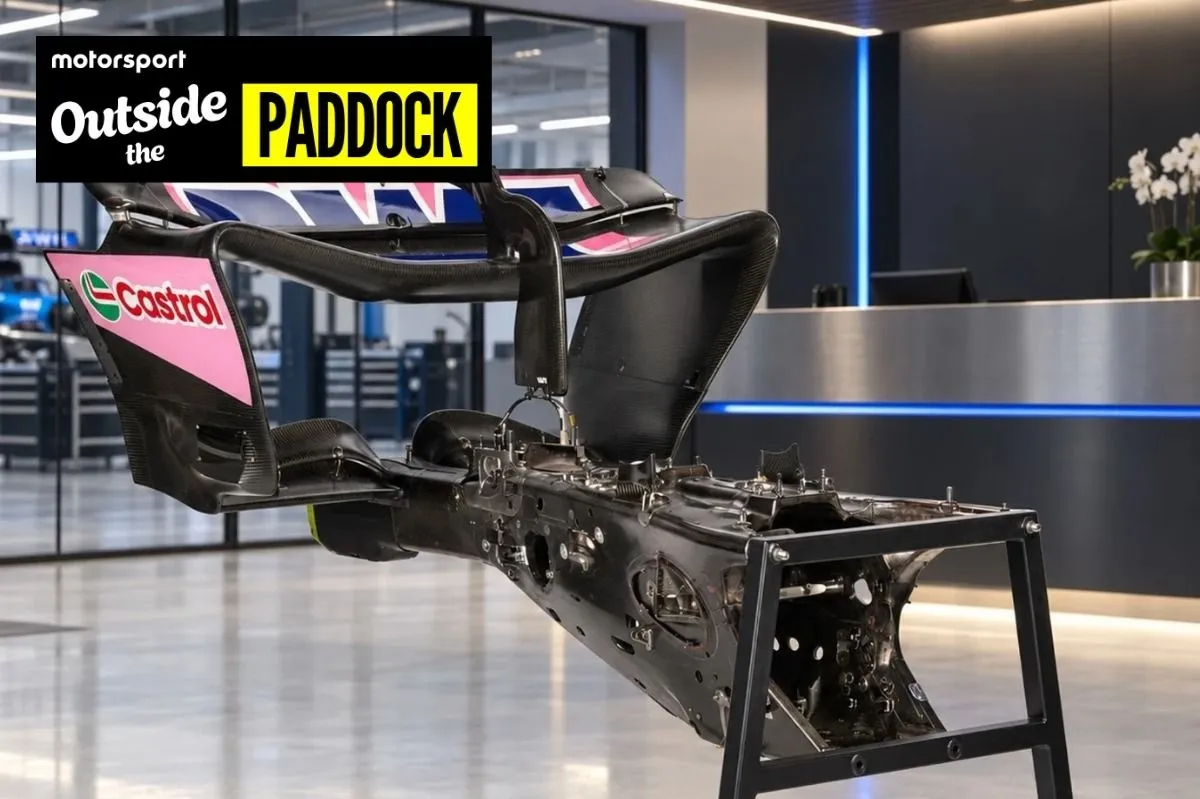
Komponen girboks dan sayap belakang Alpine F1 2024 resmi dilelang untuk kolektor. Cek detail lelang dan spesifikasi lengkapnya di sini!
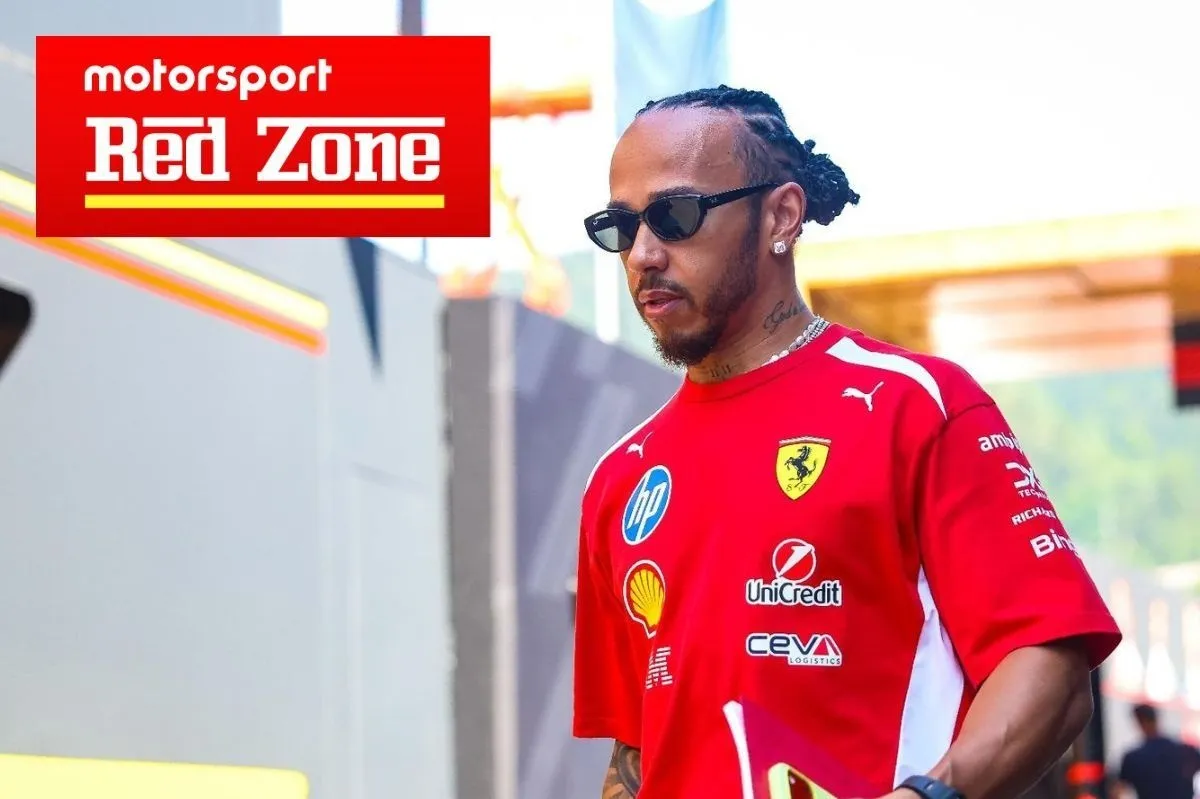
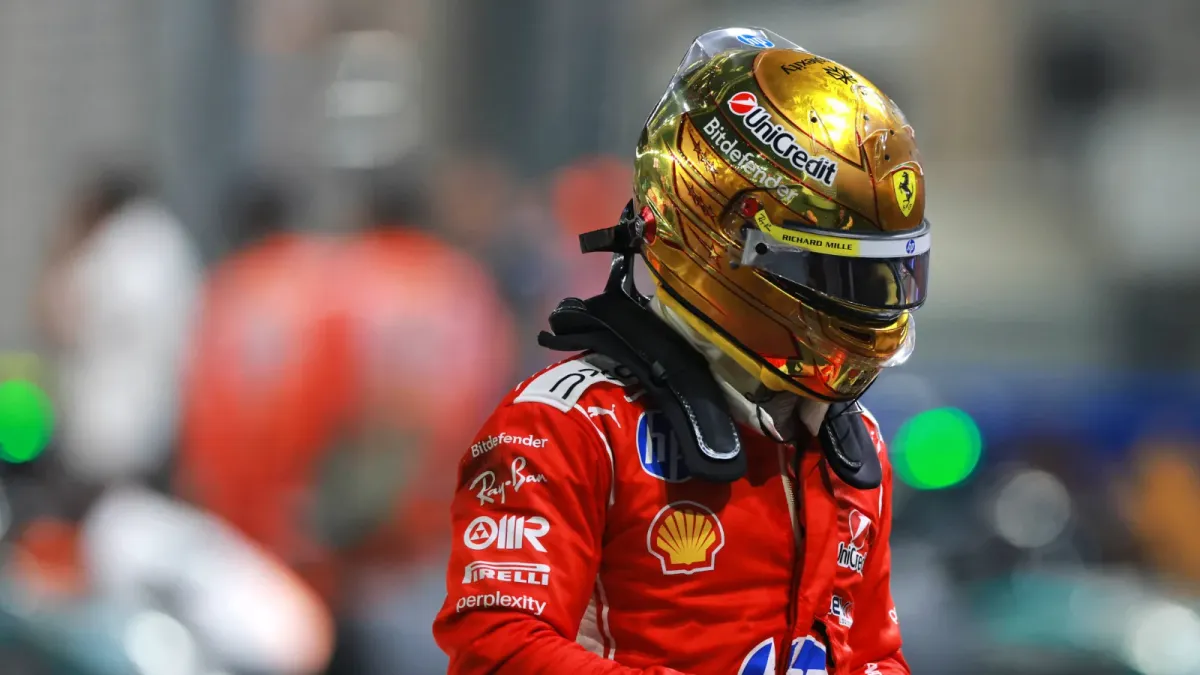
Simak detail topi spesial bertema Brasil yang akan dikenakan Lewis Hamilton bersama Ferrari di GP Brasil 2026. Baca berita selengkapnya di sini!
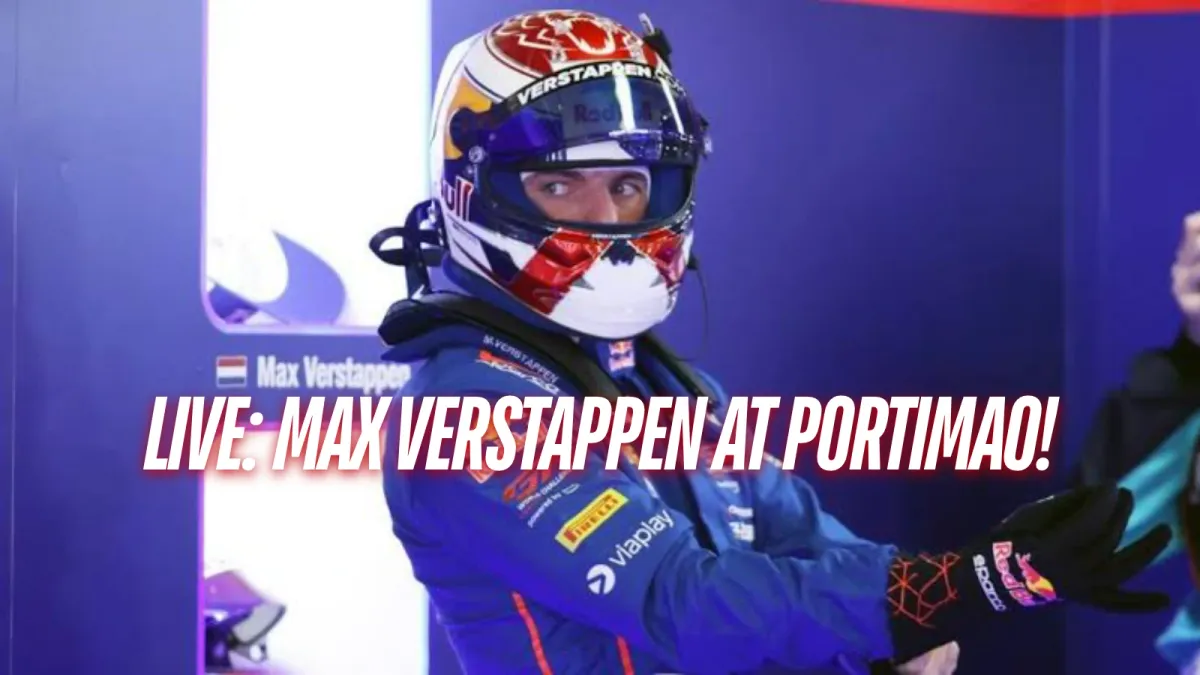
Max Verstappen siap jajal GT World Challenge Europe di Portimao bersama Team Verstappen. Baca analisis mendalam selengkapnya di sini!
 Lanjutkan dengan Google
Diskusi & Komentar (0)
Mari Bergabung dalam Diskusi!
Masuk dengan mudah untuk mulai memberikan komentar, membalas, dan berinteraksi dengan pembaca lainnya.
Komentar Terbaru
Belum ada komentar. Jadilah yang pertama!