






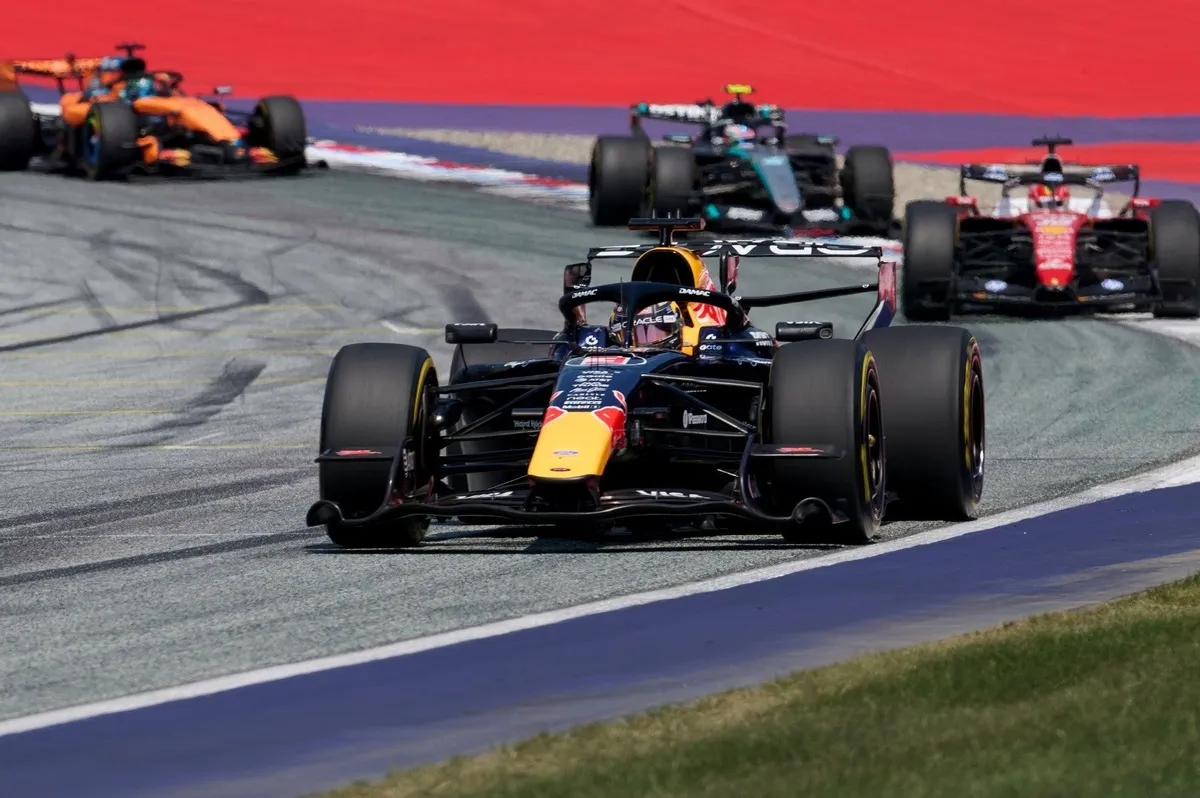

Nikolas Tombazis has confirmed that the FIA has no objections to the overall concept of the rotating rear wing and will not intervene. However, it did hold talks with Red Bull following two consecutive crashes for Max Verstappen.
One of the most eye-catching innovations of the first half of the 2026 Formula 1 season has been the rotating rear wing, quickly dubbed the Macarena wing by Ferrari team principal Frederic Vasseur. Ferrari was the first to unveil the concept during winter testing, surprising several rivals, including McLaren.
Red Bull was already working on its own version behind the scenes. Technical director Pierre Wache stressed that the inspiration had not come from Ferrari and that Red Bull's concept works differently, rotating in the opposite direction. However, Red Bull did not manage to get its rotating wing fully operational in time for the start of the season, meaning it was first used in Miami.
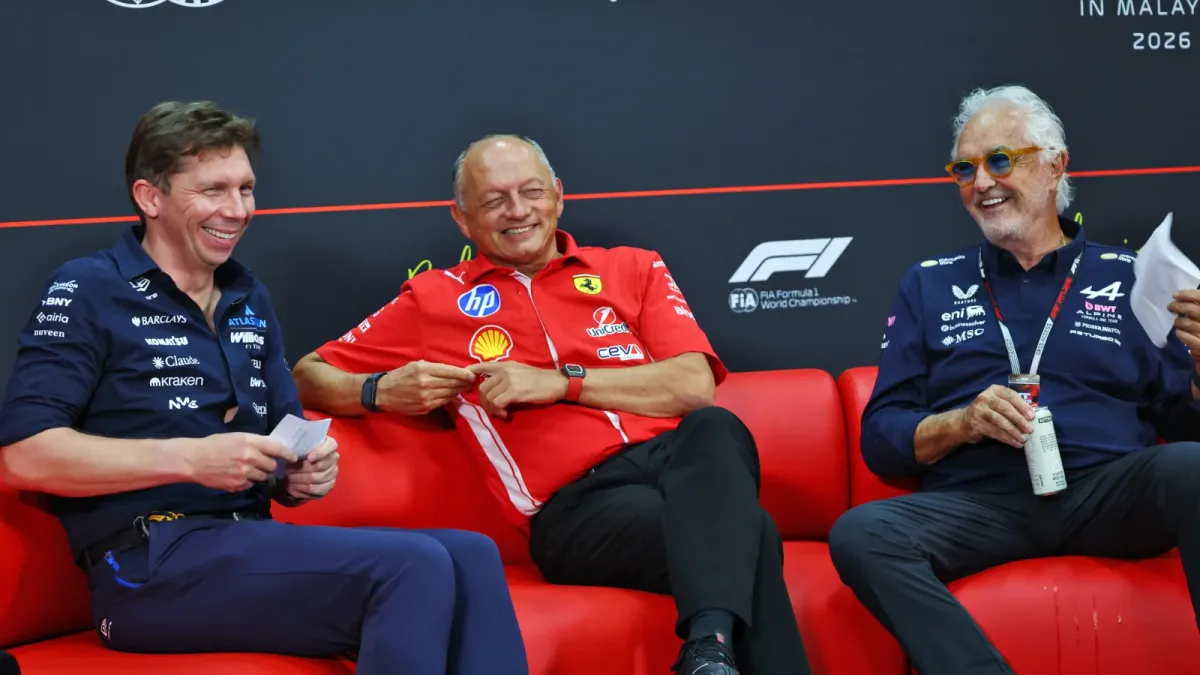
The initial race weekends passed without problems for both designs, but the Macarena wings came under increased scrutiny following Verstappen's two consecutive crashes in Spielberg and Silverstone. The FIA subsequently asked both Red Bull and Ferrari for additional information, not specifically directed at the Scuderia, but simply to treat both teams equally, as they were the two outfits that had raced with the concept up to that point.
Moreover, it was important for the FIA to fully understand the specifics of both systems, as more teams are developing their own versions. McLaren has already tested a rotating wing and plans to race it during "one of the first weekends after the summer break".
Tombazis explained that the FIA conducted a Failure Mode and Effects Analysis (FMEA) to ensure the safety of the designs. "When the first such design appeared, we wanted to make sure that it is entirely safe," he said. That assessment was not only about the prescribed closing time, but also the subsequent behaviour of the wing and the rest of the car, as the airflow does not immediately reattach after the wing closes.
Baca Juga
Lewis Hamilton hanya mendapat peringatan usai menghalangi Gabriel Bortoleto di FP2 MotoGP Malaysia. Ferrari didenda 10.000 euro karena tak beri informasi.
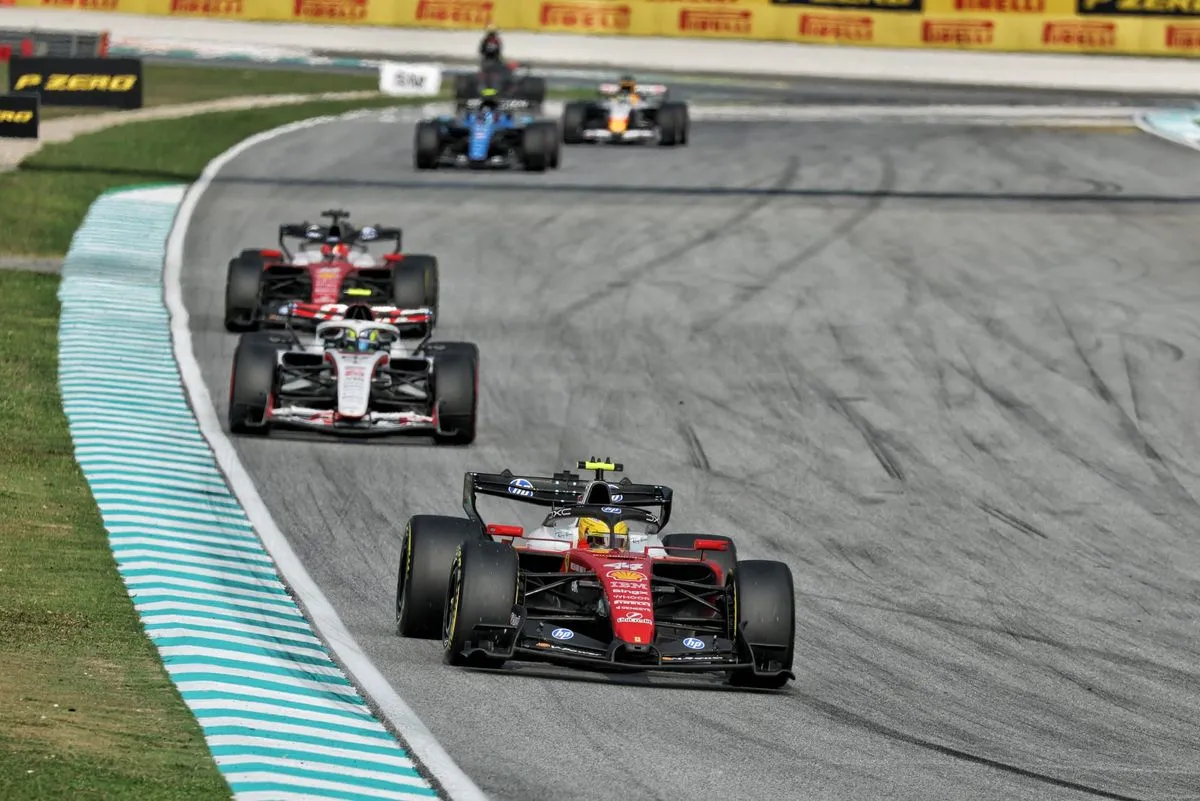
Analisis Jumat F1 2026 di Sepang: Verstappen tercepat, Mercedes kesulitan dengan upgrade W17, dan degradasi ban jadi faktor penentu.
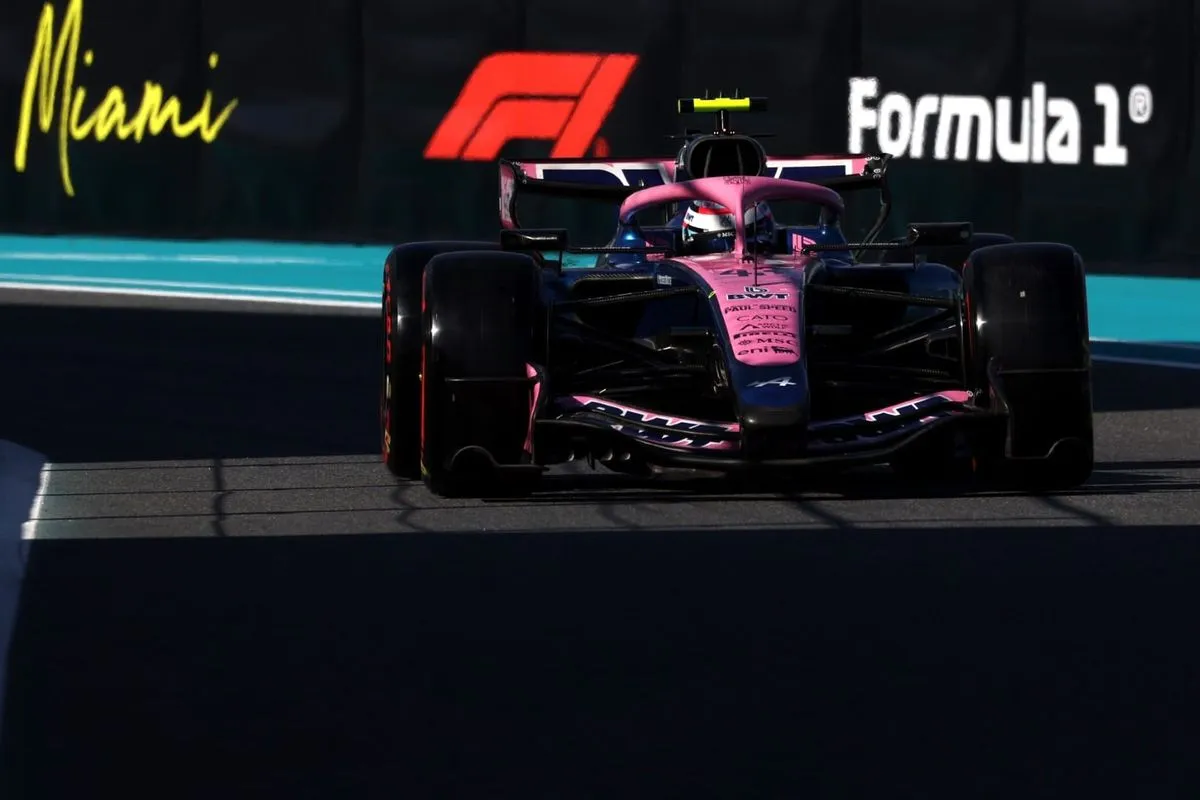
Otro Capital dikabarkan tengah menjajaki pembelian saham Grand Prix Miami hingga 20%. Langkah ini menjadi sinyal kepercayaan terhadap prospek jangka panjang F1 dan Miami GP.
 Lanjutkan dengan Google
Diskusi & Komentar (0)
Mari Bergabung dalam Diskusi!
Masuk dengan mudah untuk mulai memberikan komentar, membalas, dan berinteraksi dengan pembaca lainnya.
Komentar Terbaru
Belum ada komentar. Jadilah yang pertama!