








Ferrari arrived in Madrid with a compromise setup, and the result was a race far from expectations. The Madring circuit is demanding, but the technical choices from the Maranello garage cost the SF26 performance in crucial sectors. Victory? No. Podium? Also no. What remains is a question: what went wrong?
The Spanish Grand Prix is always a tough test, and this year was no exception. But what made the weekend in Madrid feel empty wasn't just the result—it was how the race unfolded. The Virtual Safety Car (VSC), meant to reduce unfairness, instead created its own drama. Lando Norris, who had been impressive early on, lost his chance after the VSC opened the pit window for everyone. Carefully laid strategies evaporated instantly. McLaren arguably had the strongest package, but the race turned into a boring procession as all drivers were told to maintain gaps to manage tyre temperatures.
Amid the chaos, Ferrari showed a positive: competitive race pace. Charles Leclerc, on hard tyres, ran a long stint and demonstrated the SF26's potential in race conditions. But it wasn't enough. Ferrari's main problem this season is qualifying. Without strong one-lap pace, they always start from less-than-ideal positions, and in Madrid, that proved fatal. The compromise setup chosen to address qualifying weaknesses instead sacrificed speed in Madring's technical corners. As a result, the SF26 struggled to match the rhythm of McLaren and Mercedes at critical moments.
Why did Ferrari choose a compromise setup? According to analysis from FormulaPassion, the decision was made to balance qualifying and race performance. But in Madrid, the circuit's demand for high downforce and traction out of corners made that compromise unsuccessful. Ferrari lost time in sectors two and three, where car setup is crucial. To compete at the highest level, Ferrari needs to find a way to maximize the SF26's potential without sacrificing one aspect.
The race in Madrid also highlighted the importance of flexible strategy. The VSC changed everything, but top teams like Mercedes and McLaren adapted better. Ferrari, with its compromise setup, seemed unable to capitalize on the situation. This isn't the first time Ferrari has been caught in a setup dilemma. Last season, similar issues plagued them at several circuits. If not addressed soon, the championship will slip further away.
Interestingly, amid the disappointment, there is a glimmer of hope. Ferrari's race pace, especially on hard tyres, shows that the SF26 has a strong foundation. Leclerc, despite not finishing at the top, proved the car can be competitive under the right conditions. But unfortunately, those conditions rarely materialize due to qualifying weaknesses. This is a major task for Ferrari's technical team: how to create a car that is fast over one lap without compromising race performance.
Madrid may not be a Ferrari favorite, but the failure here reflects a deeper issue. The compromise setup is a symptom, not the root cause. The core problem is Ferrari's inability to design a car that adapts to various circuit characters. Until that is resolved, Ferrari will remain a challenger, not a champion. And in MotoGP or Formula 1, being an eternal challenger is not a pleasant position.
Baca Juga
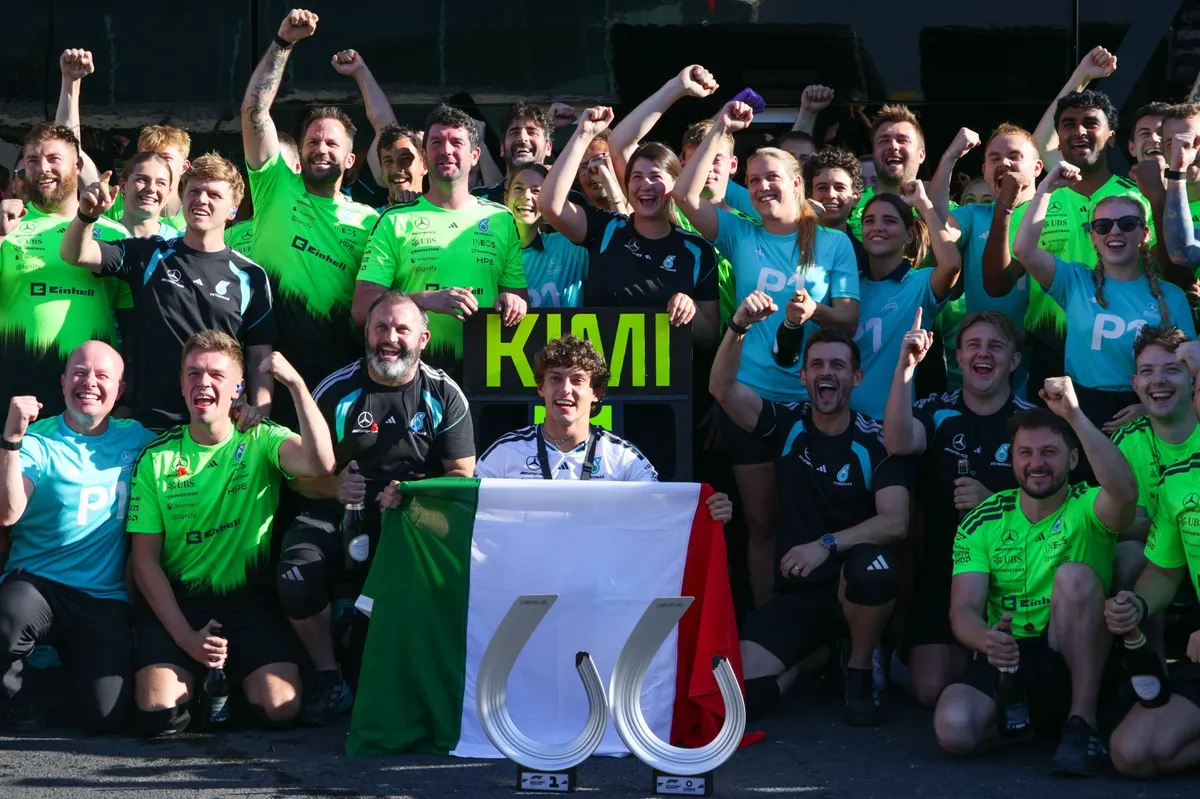
Kimi Antonelli unggul 81 poin atas George Russell di F1 2026. Statistik menunjukkan gelar juara dunia semakin dekat, tetapi jumlah balapan tersisa masih tanda tanya.
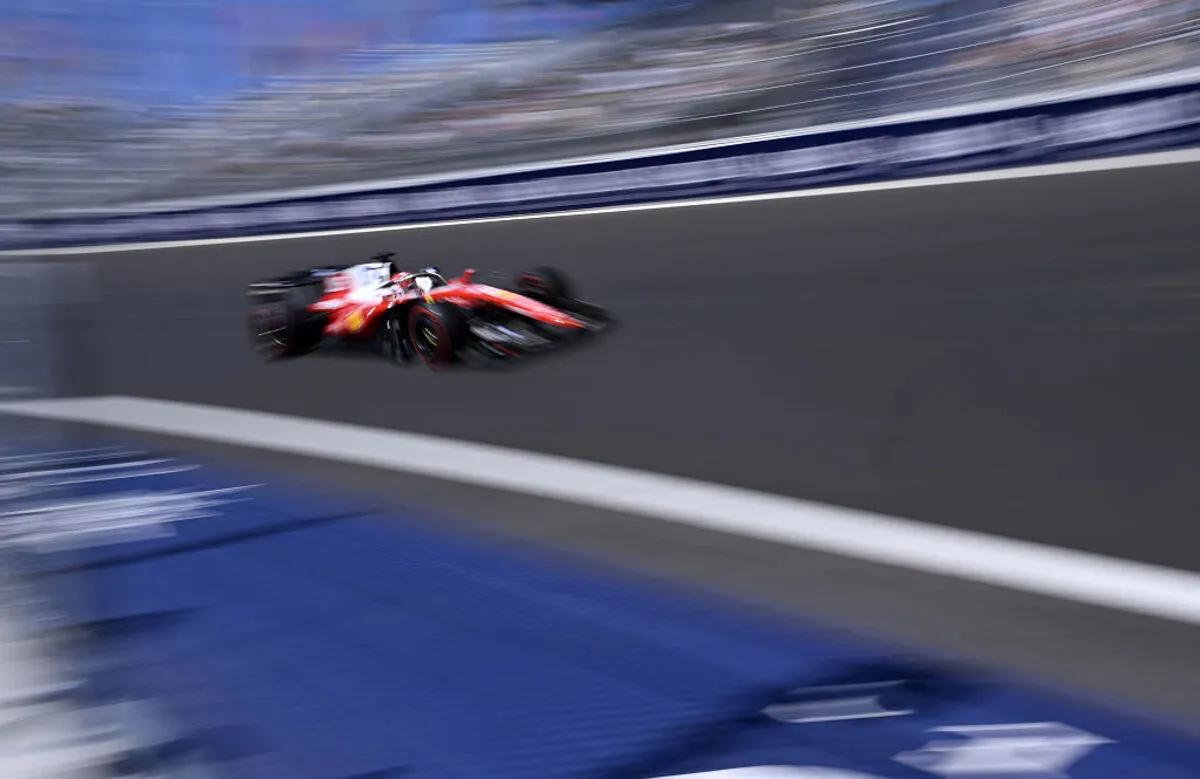
Ferrari SF26 gagal di Madrid akibat setelan kompromi. Analisis mendalam mengapa keputusan teknis ini merugikan laju balapan dan peluang juara.
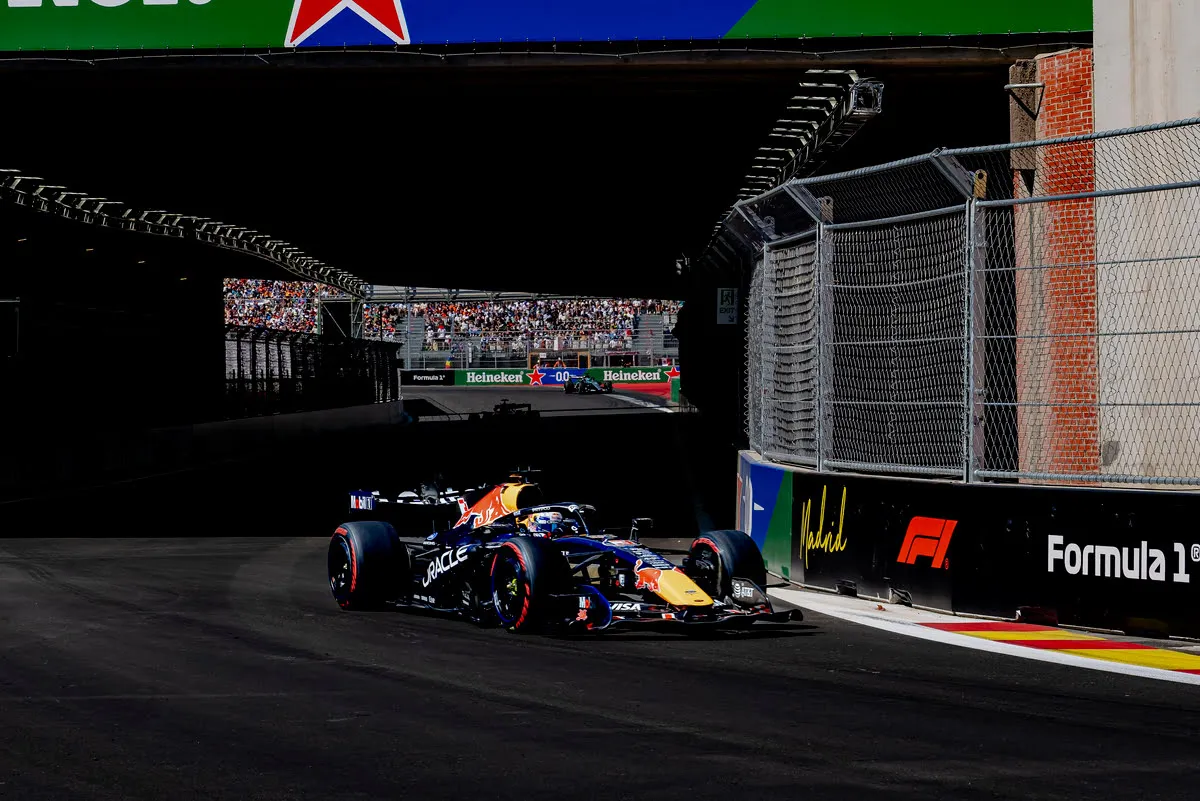
Max Verstappen mengkritik keras sirkuit Madring setelah chaos di GP Spanyol. Simak kemarahan dan ironi di balik balapan ala Topolino.
 Lanjutkan dengan Google
Diskusi & Komentar (0)
Mari Bergabung dalam Diskusi!
Masuk dengan mudah untuk mulai memberikan komentar, membalas, dan berinteraksi dengan pembaca lainnya.
Komentar Terbaru
Belum ada komentar. Jadilah yang pertama!