








The alarming statistic of over 200 track limits violations recorded during a single practice session at the United States Grand Prix has reignited intense debate across the Formula 1 paddock. This recurring issue highlights a fundamental disconnect in modern motorsport, where drivers are policed by paint rather than facing natural consequences for running wide.
Under the current FIA Driving Guidelines, the wording regarding track limits remains explicit: drivers are judged to have left the track if no part of the car remains in contact with it, with white lines defining the edges while kerbs are excluded. This stringent enforcement led to tense moments, including Max Verstappen having a crucial lap time deleted after pushing his Red Bull beyond the permitted boundaries.
Interestingly, such bureaucratic headaches are virtually nonexistent at classic, high-risk venues like Silverstone, Spa-Francorchamps, Monza, and Montreal. At these traditional circuits, exceeding the absolute limit of adhesion results in an immediate and unforgiving meeting with barriers, serving as an instant deterrent that requires no post-session steward intervention.
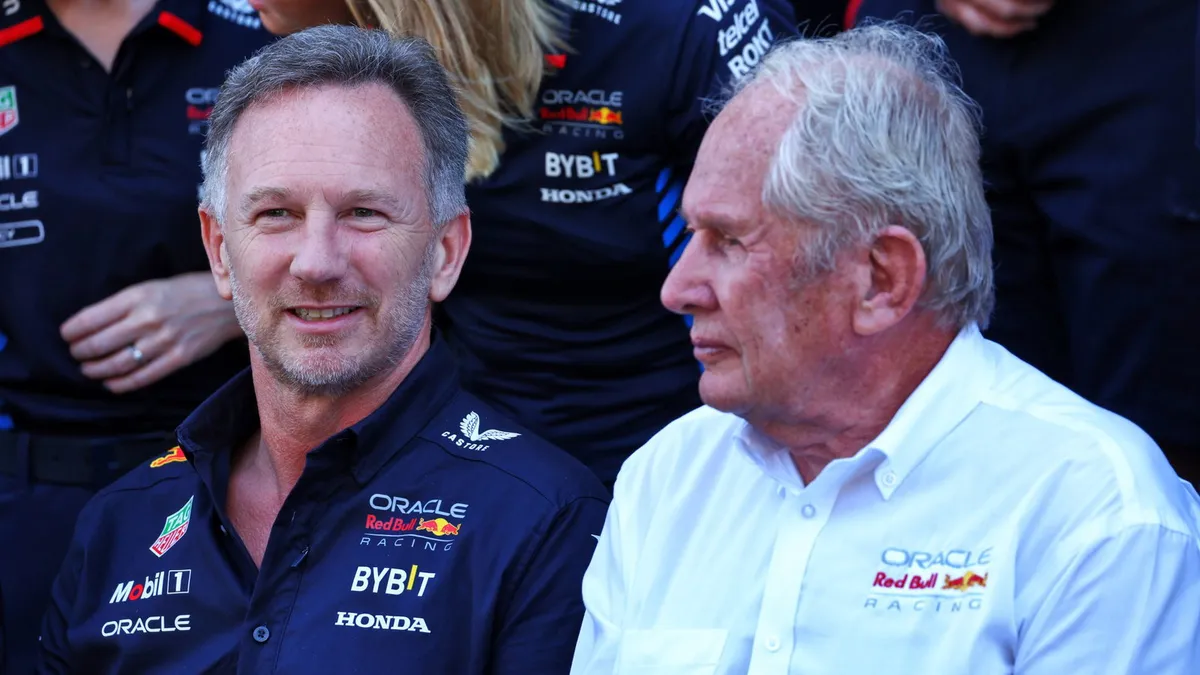
In contrast, modern circuits featuring massive asphalt run-off areas actively encourage drivers to push harder over flat kerbs without fear of terminal damage. When a circuit relies solely on a painted white line to dictate cornering limits rather than gravel traps or grass, it invites experimentation and pushes the sport away from its purist roots.
Formula 1 now faces a crucial choice in its regulatory evolution: either introduce more physical deterrents like gravel strips or continue relying on automated sensor tracking. Stakeholders and fans alike continue to debate the ideal balance between safety standards and authentic racing competition.
Baca Juga
Simak persiapan perayaan 300 balapan Sergio Perez bersama Cadillac di GP Meksiko 2026. Baca analisis mendalam dan update kontrak terbarunya di sini.
Carlos Sainz minta pembalap terdepan F1 maklumi kesulitan mobil tertinggal saat bendera biru. Simak analisis lengkap dan berita terbaru di sini.
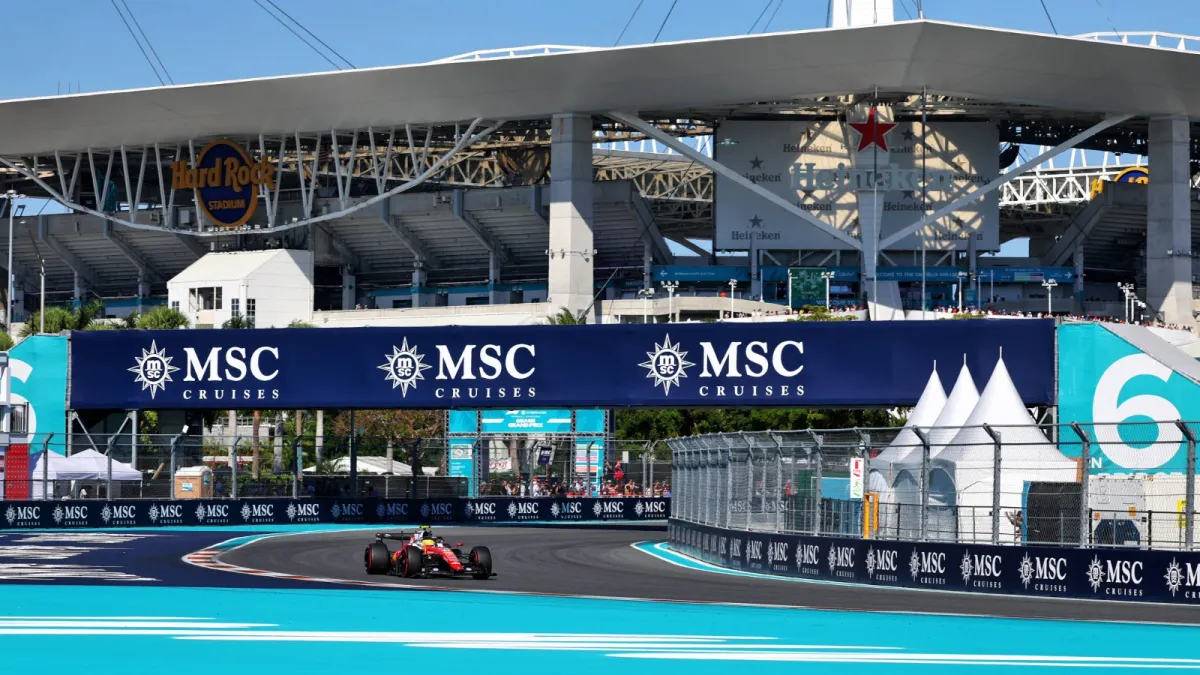
Simak analisis mendalam mengenai krisis batas trek Formula 1 dan solusi ideal bagi FIA. Baca ulasan eksklusif selengkapnya di sini!
 Lanjutkan dengan Google
Diskusi & Komentar (0)
Mari Bergabung dalam Diskusi!
Masuk dengan mudah untuk mulai memberikan komentar, membalas, dan berinteraksi dengan pembaca lainnya.
Komentar Terbaru
Belum ada komentar. Jadilah yang pertama!