







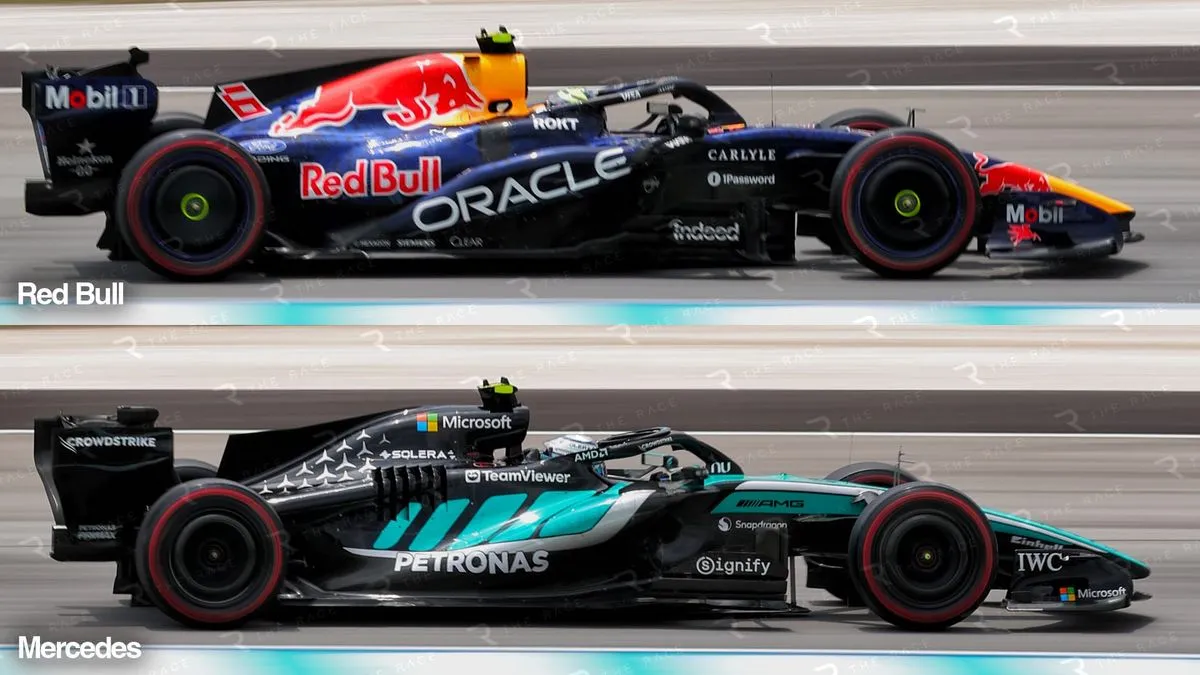

Red Bull has successfully overtaken Mercedes as Formula 1's dominant force following a grueling triple-header, highlighting just how crucial minor engineering details are under modern regulations.
While restrictive F1 rules often limit the creative freedom of brilliant factory designers, subtle differences in car development philosophies ultimately determine which squad surges forward and which team loses its competitive footing.
In an era where performance gains are measured in hundredths of a second rather than chunks of lap time, introducing a new aerodynamic development package is a massive gamble that can easily lead a team backward.
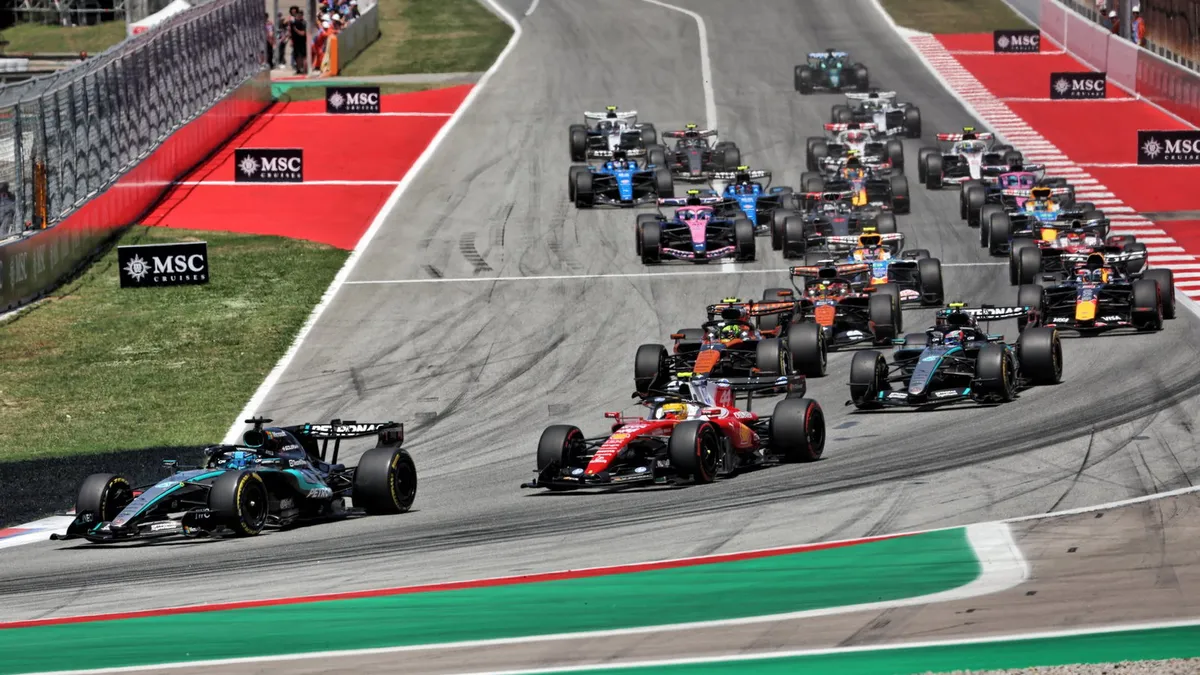
Mercedes currently finds itself stumbling after a dominant start to the campaign, struggling to consistently extract lap time from its latest upgrade package despite positive numbers on paper.
On the flip side, Red Bull has executed a remarkable turnaround from a disastrous beginning to secure pole positions and race victories, proving the utmost importance of correlation between wind tunnel data and the asphalt.
Examining the front end of the machinery, Mercedes uniquely mounted its front wing on the second element, prioritizing airflow direction optimization over raw downforce generation.
Ultimately, it is these microscopic design distinctions and precise execution of upgrades that separate world championship contenders in the hyper-competitive paddock.
Baca Juga
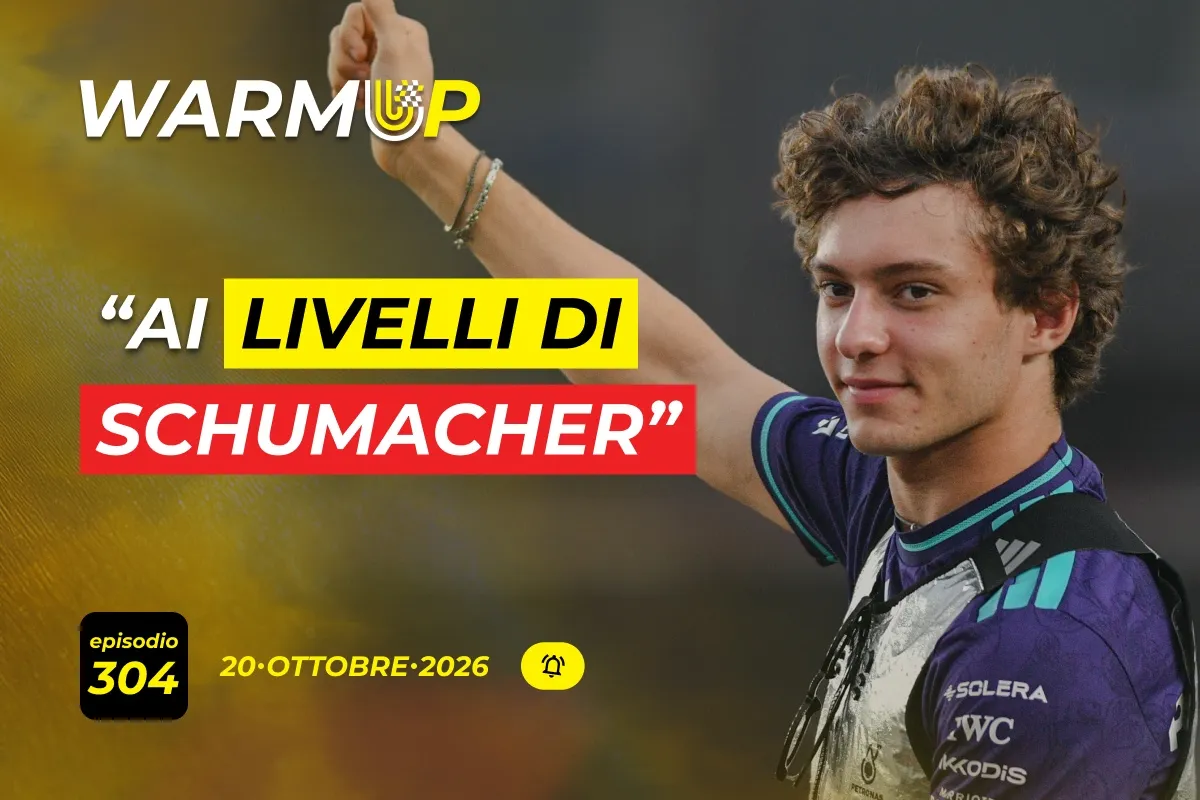
Simak analisis lengkap pujian Nico Rosberg untuk Andrea Kimi Antonelli dan dinamika bursa transfer F1. Baca analisis mendalam di sini!
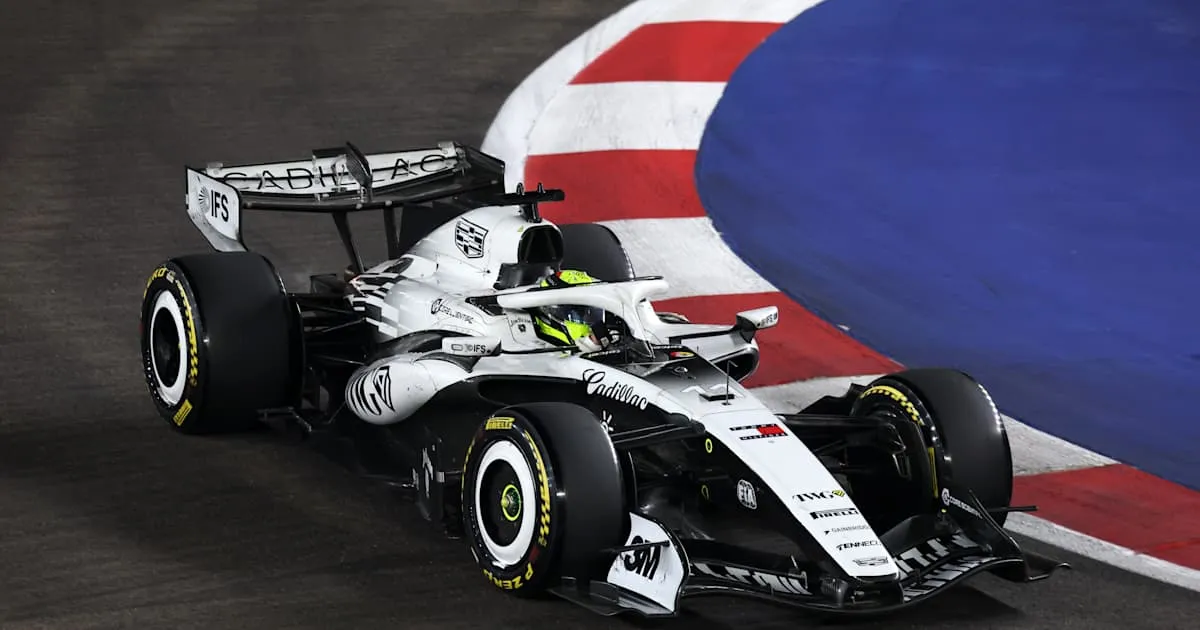
Cadillac turunkan Colton Herta di FP1 GP Amerika Serikat 2026. Simak analisis lengkap, update poin, dan jadwal akhir pekan ini di sini.
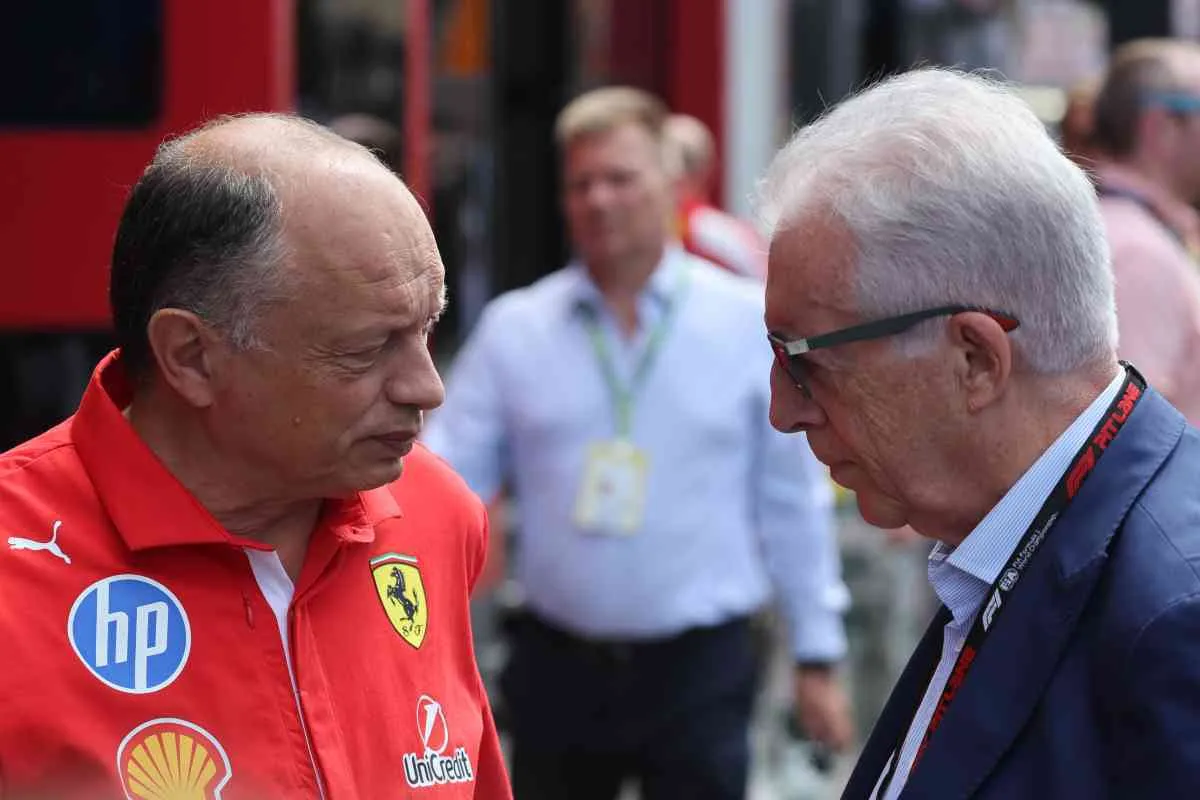
Simak analisis tajam Piero Ferrari mengenai performa buruk Ferrari di F1 2026 dan desakan aksi nyata. Baca ulasan mendalam selengkapnya di sini.
 Lanjutkan dengan Google
Diskusi & Komentar (0)
Mari Bergabung dalam Diskusi!
Masuk dengan mudah untuk mulai memberikan komentar, membalas, dan berinteraksi dengan pembaca lainnya.
Komentar Terbaru
Belum ada komentar. Jadilah yang pertama!