







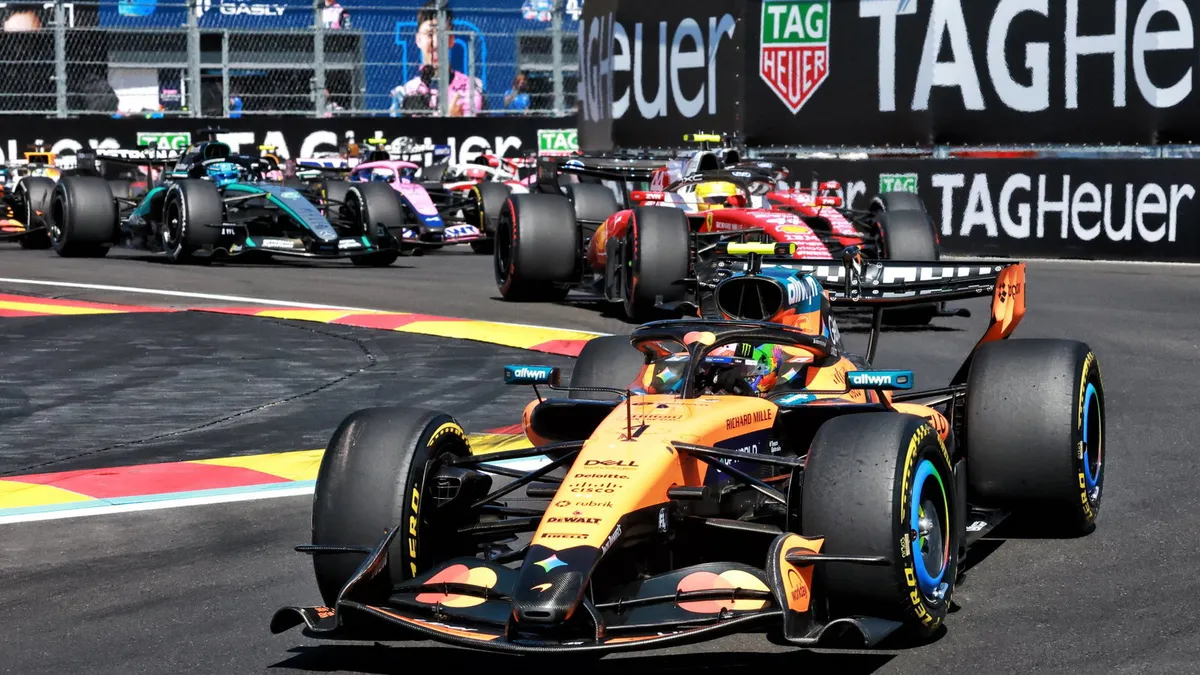

Formula 1 is set to return to V8 engines for the 2030 season, but recent reports indicate that these will remain turbocharged rather than naturally aspirated, contrary to fan expectations. This development follows an agreement between the FIA and engine manufacturers on a regulatory framework that retains the current turbo hybrid platform.
Since 2014, F1 has utilized V6 turbo hybrid power units. Earlier this year, FIA president Mohammed Ben Sulayem stated that F1 would revert to V8 engines no later than 2031. The proposal was largely welcomed by manufacturers, including Mercedes. Team principal Toto Wolff remarked, “We love V8s. From our perspective, it’s a pure Mercedes engine, revs high.”
Hopes for the return of the screaming naturally aspirated V8s that raced between 2006 and 2013 appear dashed. According to Autosport, the FIA and engine manufacturers have agreed on a framework that will keep turbochargers, albeit with 3.0-litre V8 engines from 2030. This decision is driven by noise restrictions at street circuits on the F1 calendar, which a naturally aspirated V8 would breach.
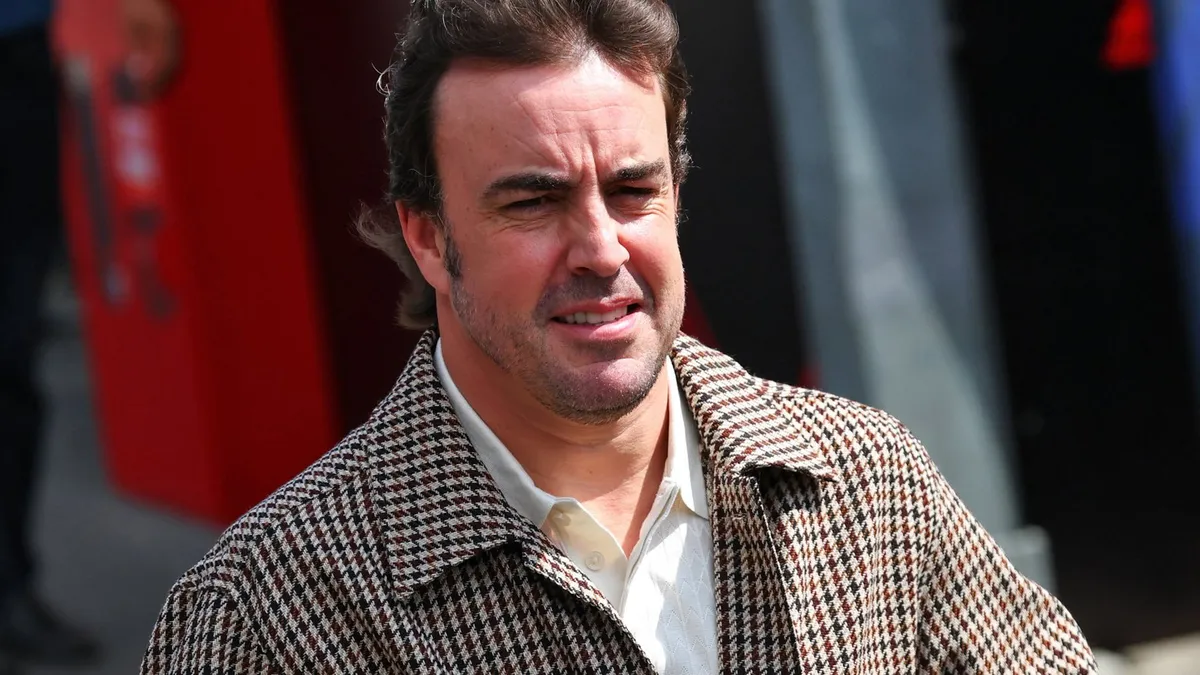
The 2030 engines will also retain electrification, but with a reduced power output of 100kW, down from the current 350kW, to maintain some road relevance. The new engines will also be lighter. Additionally, F1 is evaluating a new overtaking mode similar to IndyCar’s push-to-pass, not dissimilar to the current boost mode with the 2026 cars.
Any changes to the engine regulations must go through the official approval process, leaving scope for details to change. F1 engine regulations will be tweaked over the coming years as the series adapts its 50/50 combustion/electrical power split to reduce complaints about harvesting. By 2028, the current power units will have a 60/40 split, which it is hoped will reduce the need for energy saving during qualifying laps.
With this move, F1 appears to be choosing a compromise between tradition and modernity, though for some fans, the allure of the past remains irreplaceable.
Baca Juga
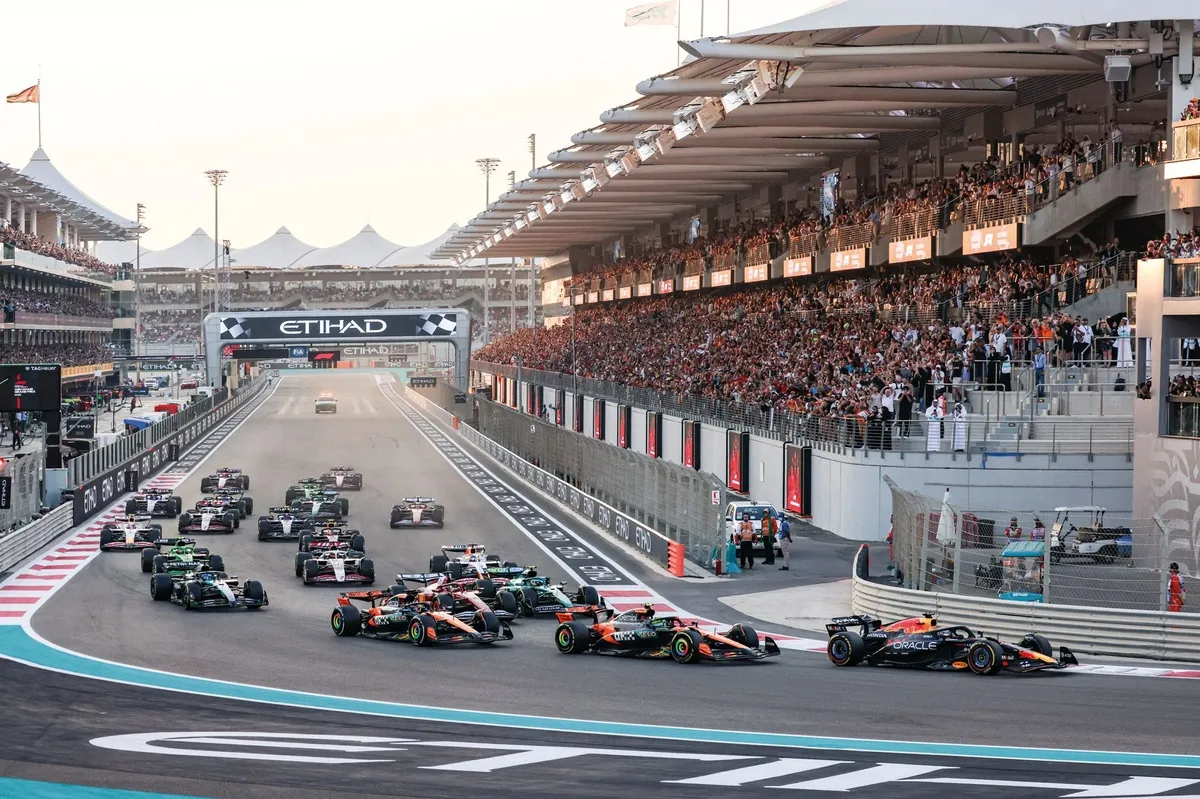
Pembatalan GP Qatar dan Abu Dhabi masih alot. Simak alasan di balik keterlambatan keputusan dan siapa yang menanggung kerugian.
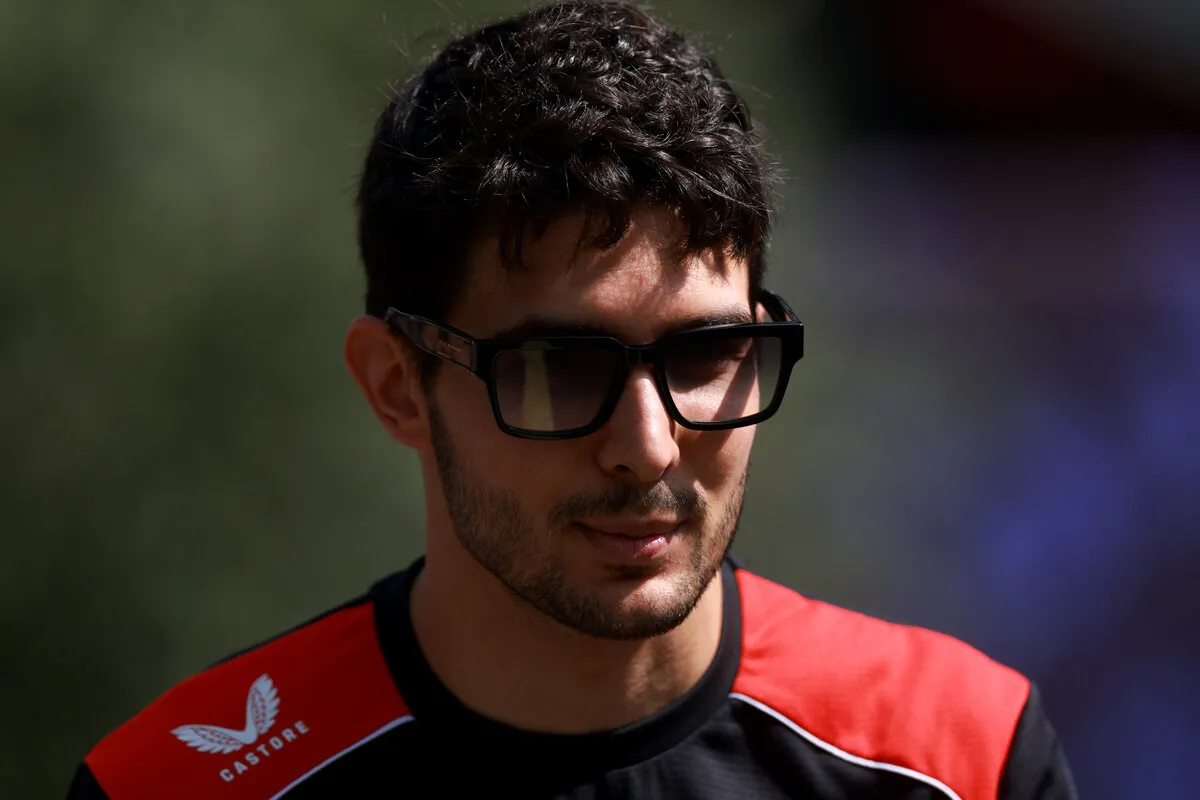
Esteban Ocon nyatakan status free agent untuk F1 2027, siap tinggalkan Haas. Oliver Bearman justru optimis bertahan. Bursa pembalap memanas.
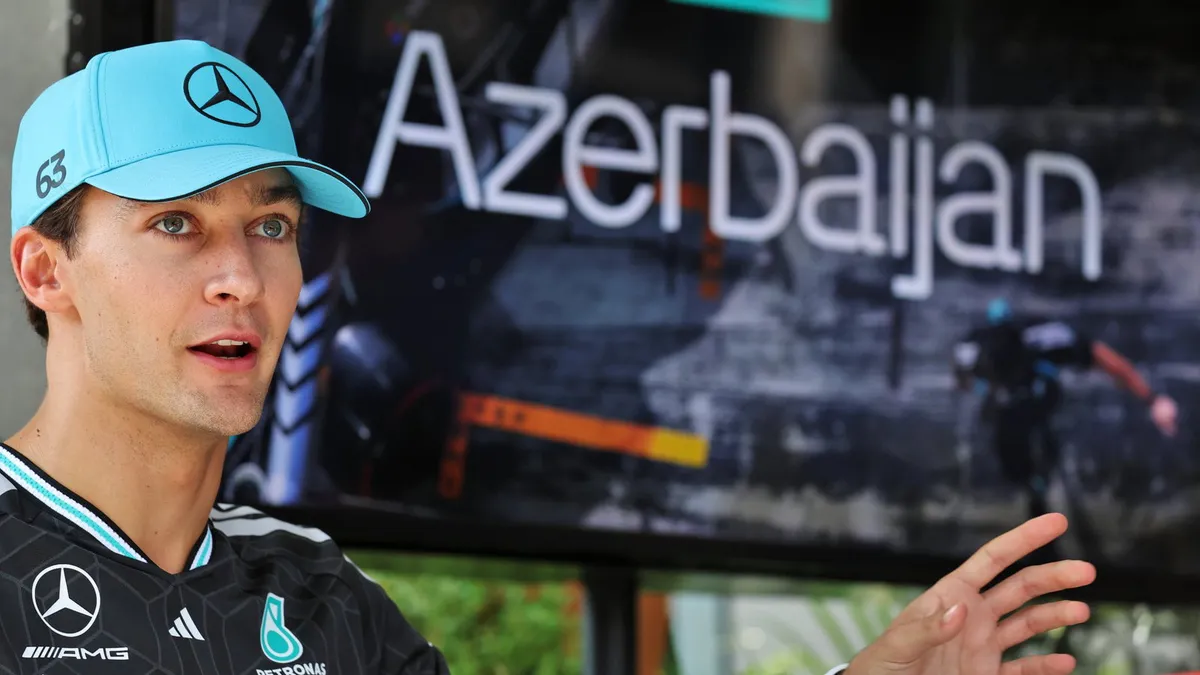
George Russell jelaskan alasan tunda ganti mesin F1 di Baku 2026. Potensi dua penalti grid dan strategi Mercedes hadapi pembaruan ADUO.
 Lanjutkan dengan Google
Diskusi & Komentar (0)
Mari Bergabung dalam Diskusi!
Masuk dengan mudah untuk mulai memberikan komentar, membalas, dan berinteraksi dengan pembaca lainnya.
Komentar Terbaru
Belum ada komentar. Jadilah yang pertama!