







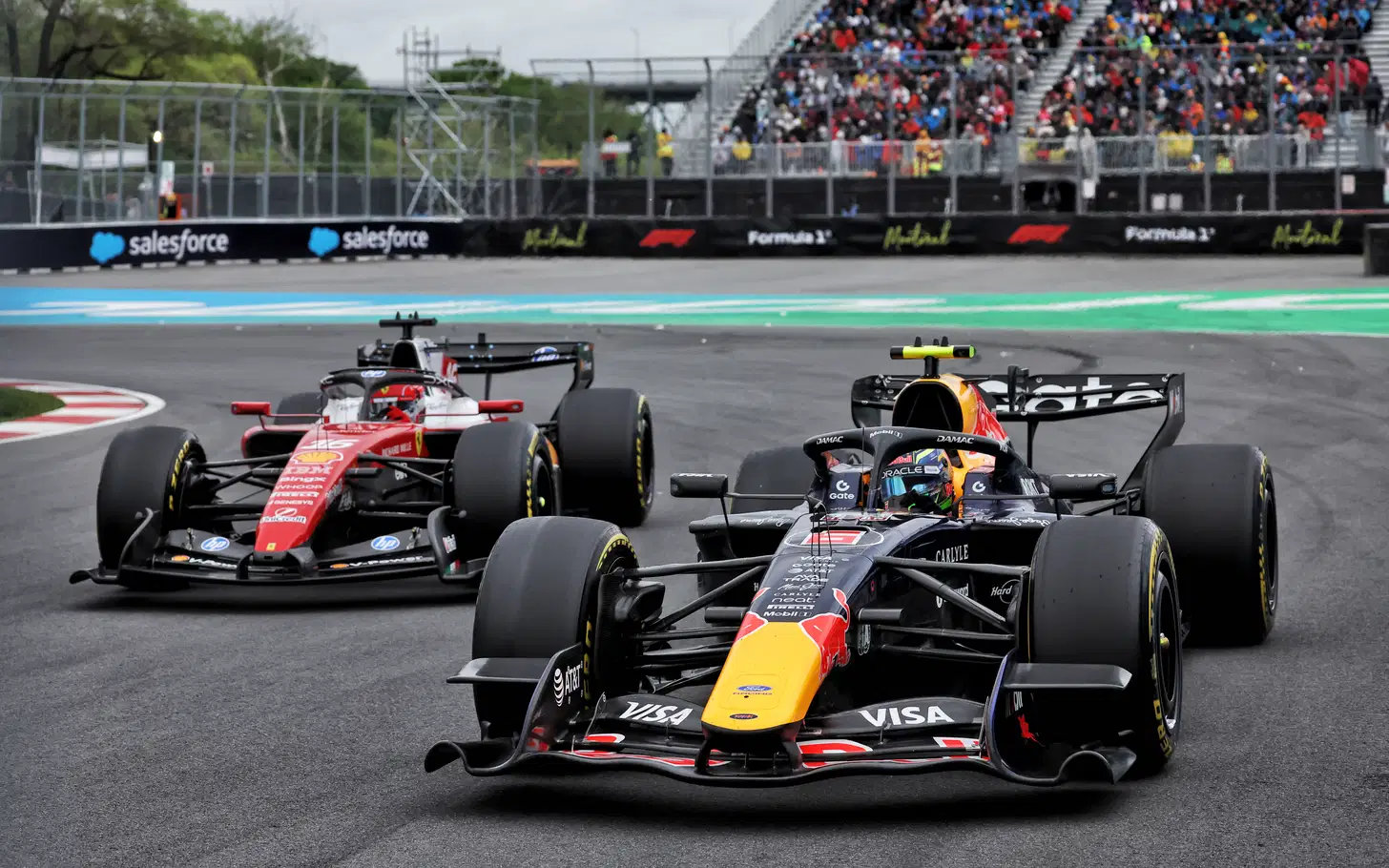

The proposal to alter the power unit regulations for the 2027 Formula 1 season currently hangs in the balance. The plan to shift the power output split from a 50:50 ratio between internal combustion and electrical power to a 60:40 division has met significant opposition from Audi and Ferrari.
Technically, the move to a 60:40 split is intended to increase fuel flow into the power units to remedy several unintended idiosyncrasies found in the new regulations. By increasing the energy contribution from the internal combustion engine (ICE), the sport aims to reduce the overall reliance on battery systems, which is expected to optimize power delivery and thermal efficiency.
However, this amendment would necessitate substantial technical changes to the vehicle's architecture. Increasing the fuel flow implies a need for larger fuel tanks, which could force teams to undergo significant chassis modifications. This requirement for a redesigned fuel cell and chassis integration is a primary reason why some manufacturers are reluctant to approve the change.
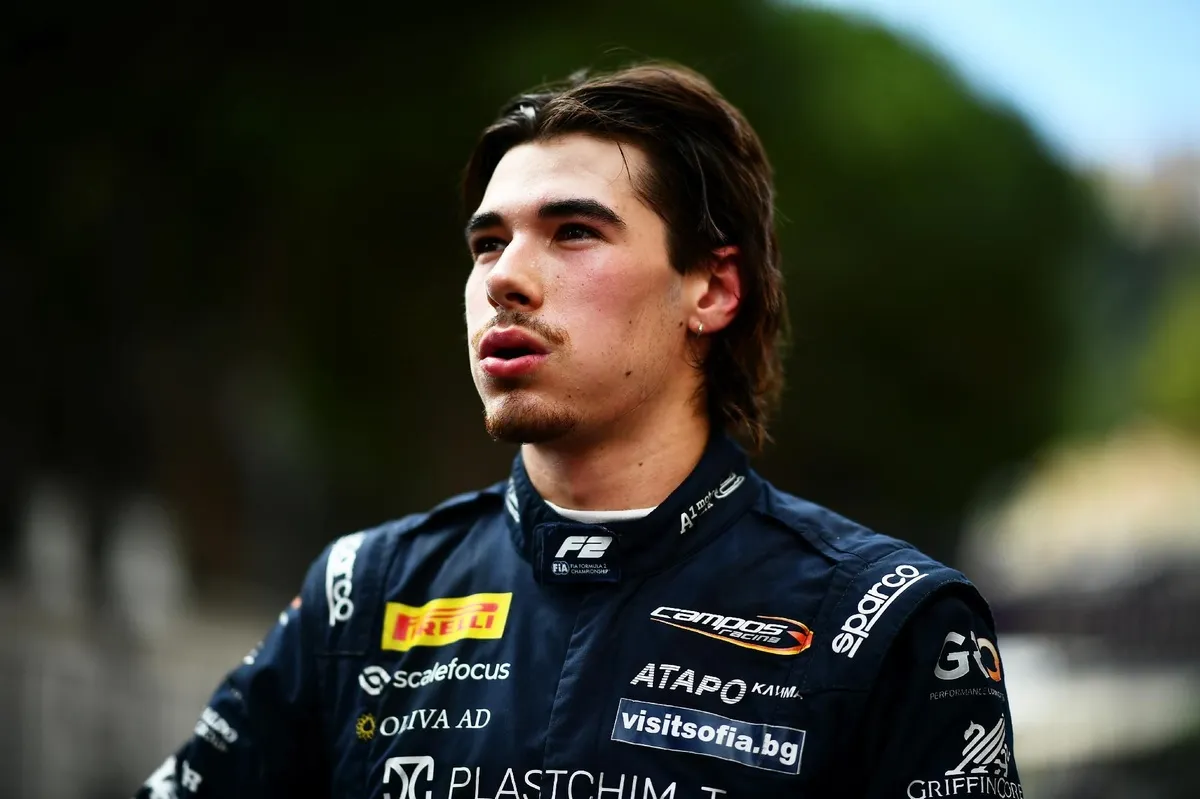
The ratification process is currently stalled due to the supermajority requirement of the Power Unit Advisory Committee. For the proposal to be passed, approval is needed from four of the five power unit manufacturers, in addition to the FIA and F1. While Mercedes HPP, Honda, and Red Bull Powertrains are in favor, the opposition from Audi and Ferrari prevents the supermajority from being reached.
This deadlock has led Carlos Sainz to call for a more aggressive approach from the FIA during negotiations. Sainz believes that if the amendment is essential for the good of the sport and racing quality, the governing body should be firm in enforcing the change, regardless of the dissenting voices from a few manufacturers.
Analytically, this dispute highlights the conflict between technical optimization and development costs. For manufacturers who have already advanced their 2027 engine designs, a change in power split represents a costly setback in research and development. Conversely, for those supporting the change, the 60:40 ratio is seen as a necessary fix to eliminate technical flaws that could otherwise hinder the maximum potential of the next-generation power units.
Baca Juga
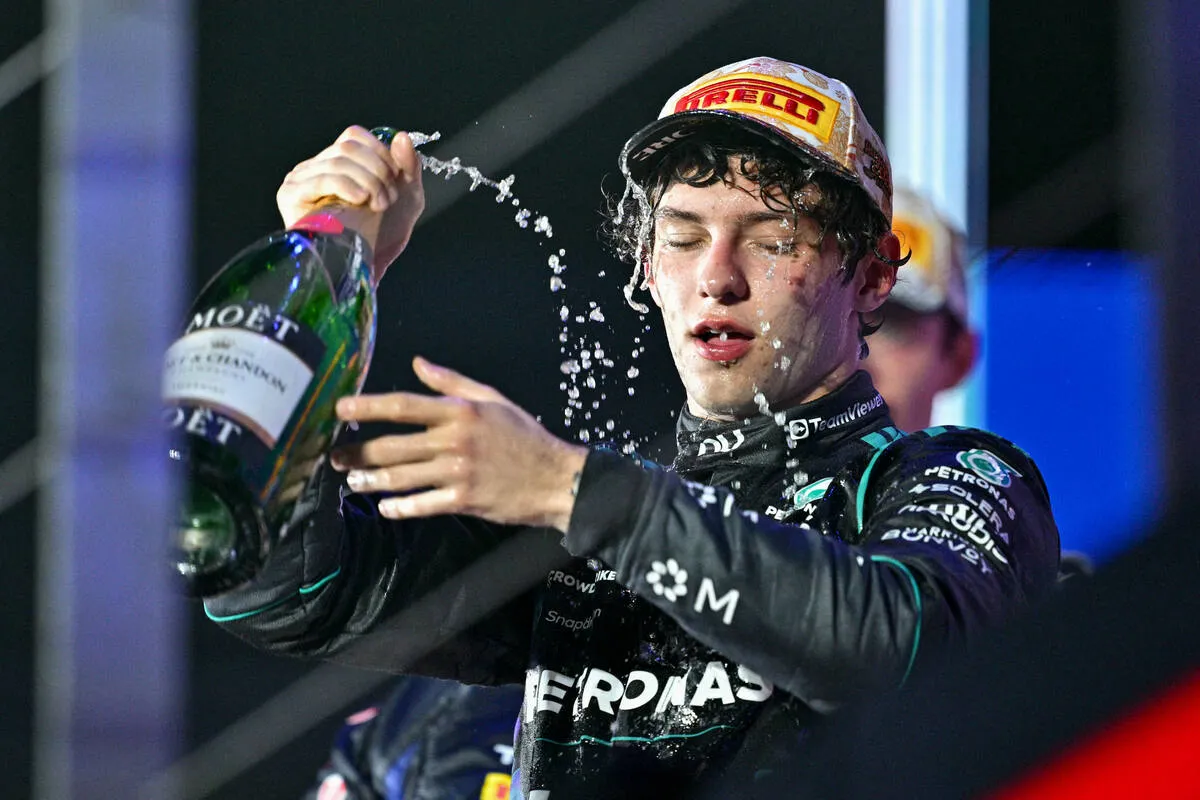
Simak analisis lengkap peluang juara Andrea Kimi Antonelli di F1 2026 GP Austin, komentar sang pembalap Mercedes, dan persiapan jelang gelar dunia.
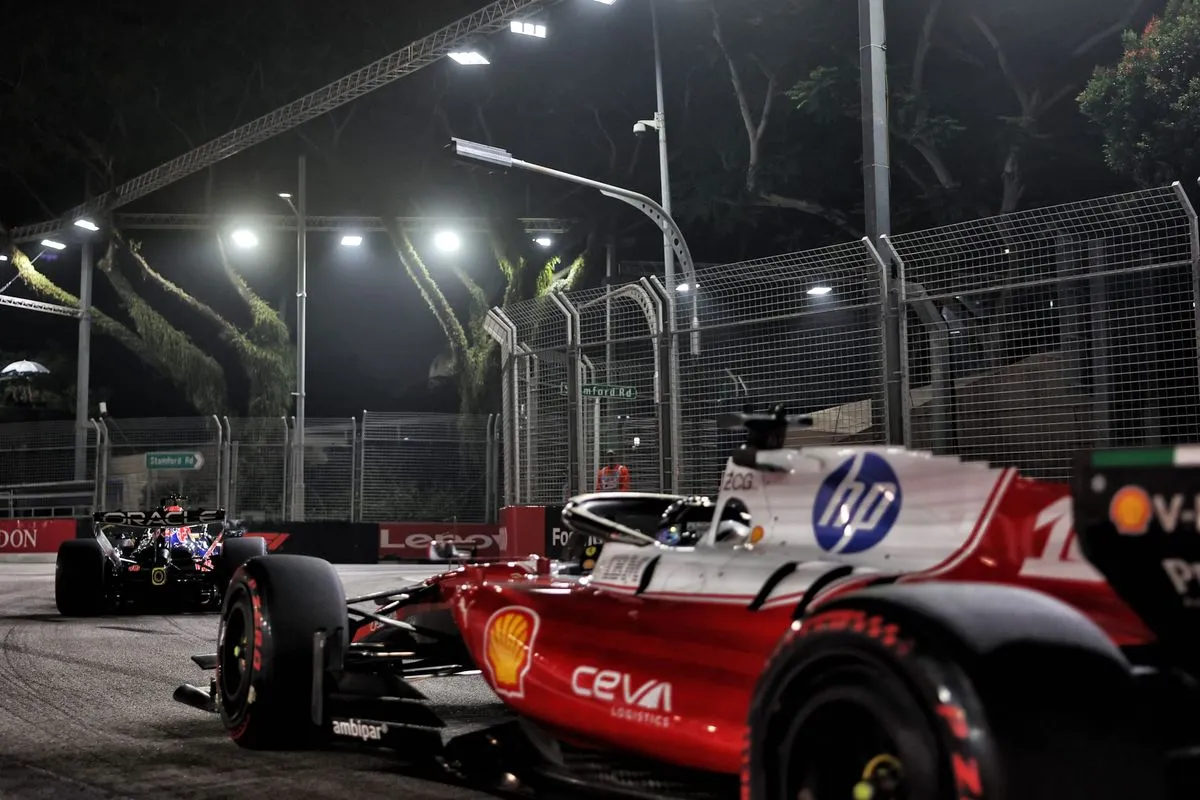
Simak analisis lengkap F1 2026 bagaimana strategi Ferrari mudahkan Verstappen menang di Singapura. Baca ulasan mendalam dan update paddock di sini!
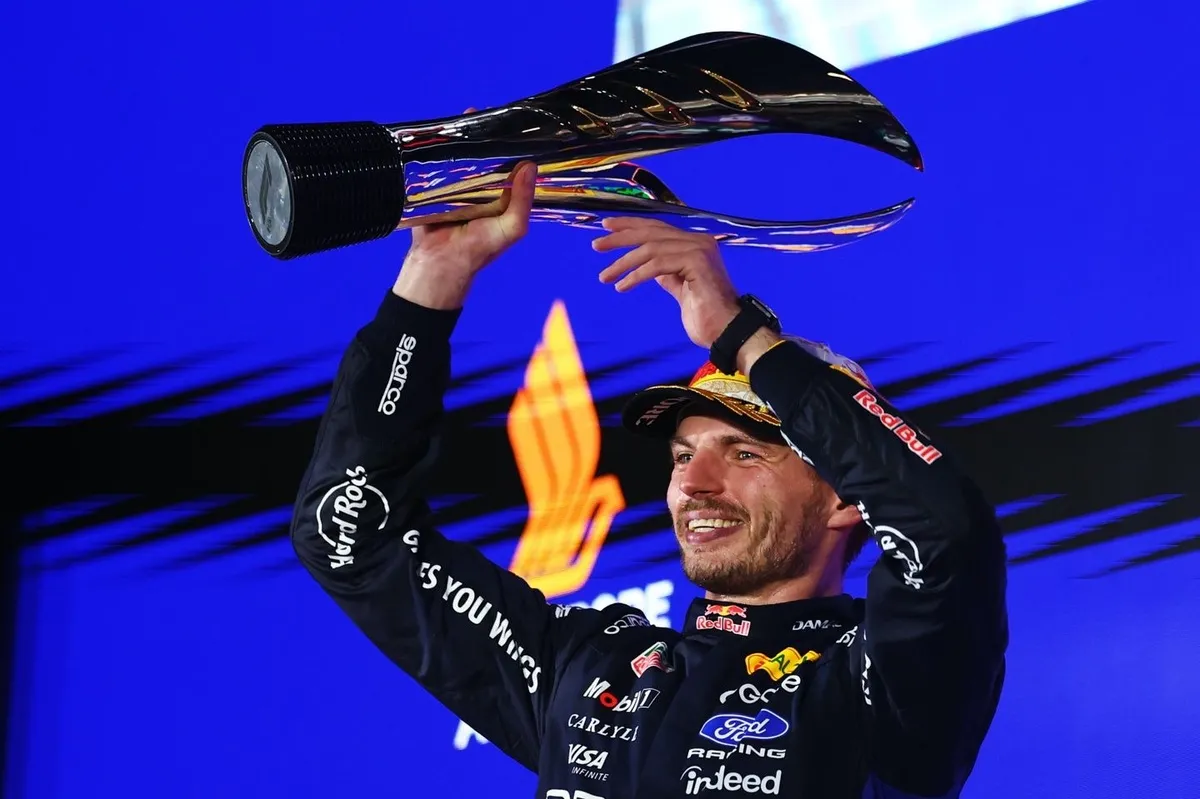
Simak analisis lengkap kemenangan beruntun Max Verstappen dan pergeseran peta kekuatan F1 2026. Baca ulasan mendalam selengkapnya di sini!
 Lanjutkan dengan Google
Diskusi & Komentar (0)
Mari Bergabung dalam Diskusi!
Masuk dengan mudah untuk mulai memberikan komentar, membalas, dan berinteraksi dengan pembaca lainnya.
Komentar Terbaru
Belum ada komentar. Jadilah yang pertama!