






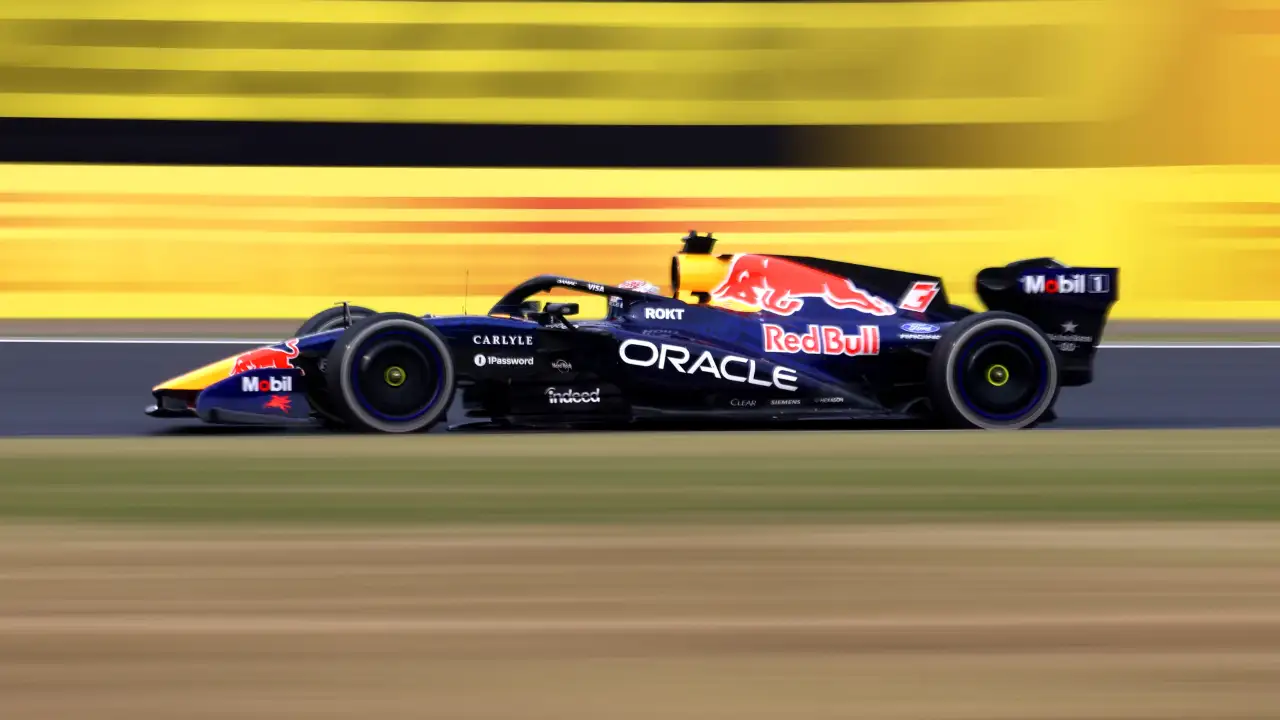

Formula 1, Sportrik Media - The 2026 Formula 1 season has introduced a major technical reset, with car weight emerging as a critical performance factor under the new regulatory framework.
The latest regulations combine the return of active aerodynamics with an all-new generation of power units, significantly altering car design philosophy. These changes, enforced by the FIA, have forced teams to carefully balance structural integrity, hybrid systems, and overall mass distribution while maintaining competitive efficiency.
The minimum weight limit for 2026 has been set at 768 kilograms. However, not all teams have been able to meet this threshold at the start of the season. Teams operating below the limit are required to add ballast to comply, offering flexibility in weight distribution, while those above the limit face inherent performance disadvantages.
Early-season data suggests that Mercedes, alongside Ferrari and Audi, has successfully brought its car below the minimum weight. This provides a strategic advantage, allowing engineers to fine-tune balance and optimise handling characteristics through ballast placement.
In contrast, several teams are still struggling with excess weight. Williams stands out as the heaviest car on the grid, estimated to be 26 kilograms over the minimum. This reflects the complexity of integrating new hybrid systems and structural requirements under the revised rules.
Below is the estimated weight status of each team at the start of the 2026 season:
| Team | Weight Above 768 kg Minimum |
|---|---|
| Mercedes | Under the limit |
| Ferrari | Under the limit |
| Audi | Under the limit |
| McLaren | At the limit |
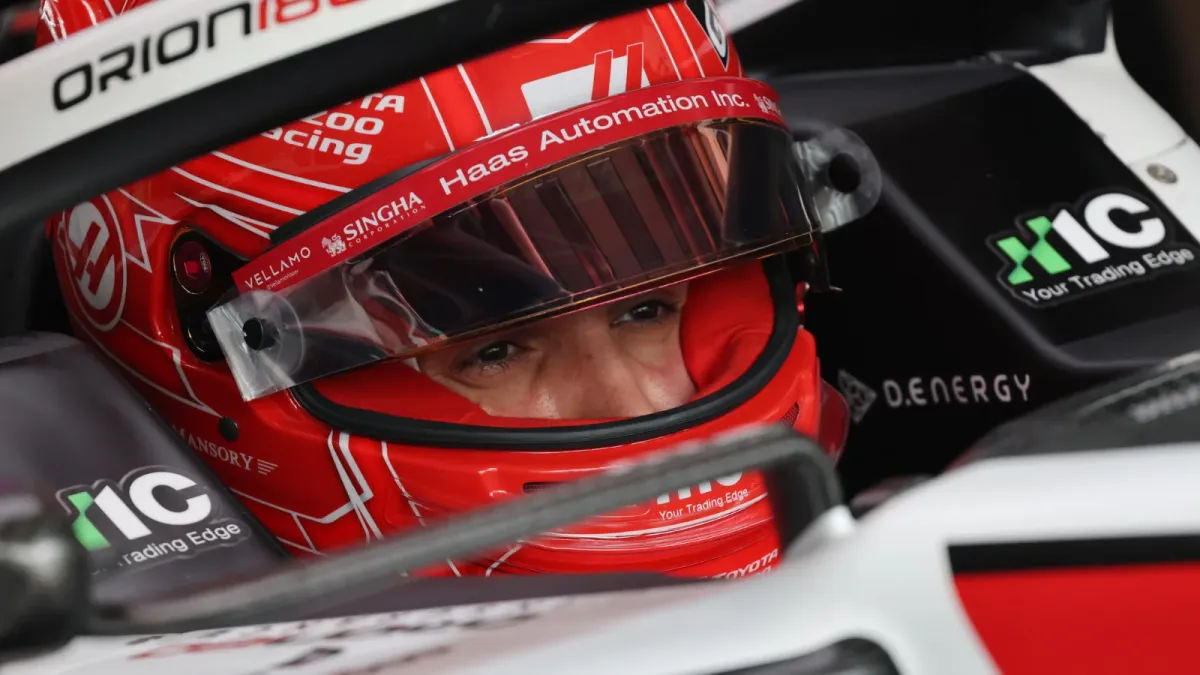
| Haas | +1 kg |
| Alpine | +2 kg |
| Racing Bulls | +4–5 kg |
| Cadillac | +6–7 kg |
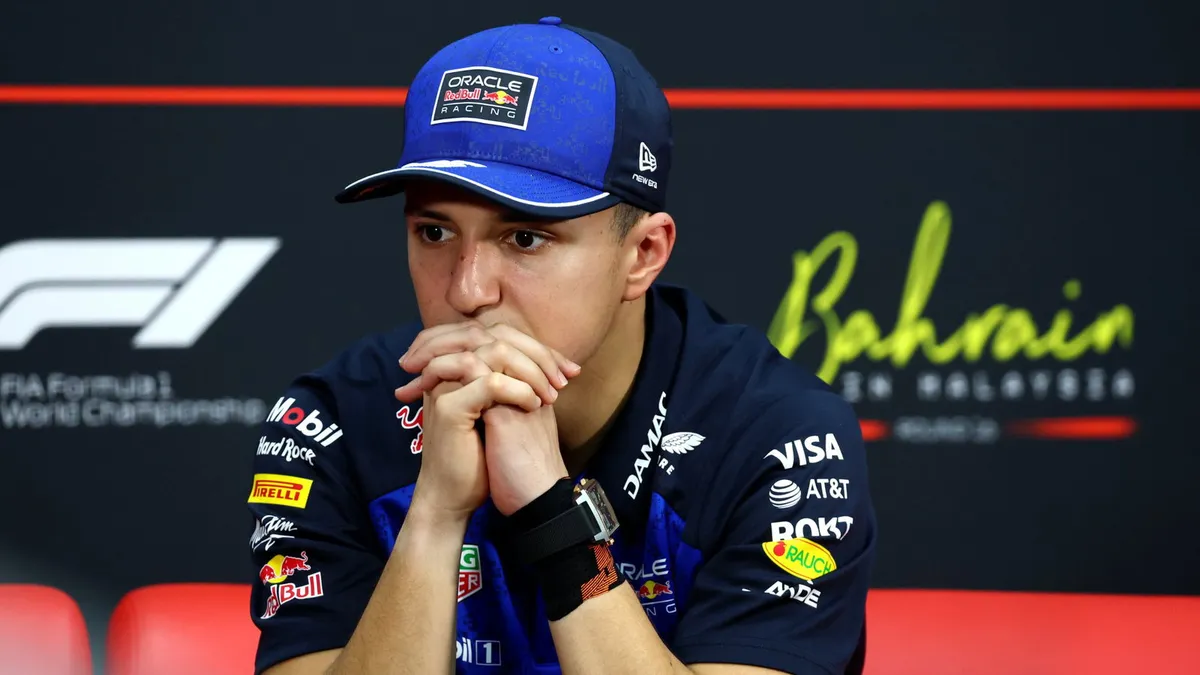
| Red Bull | +9–10 kg |
| Aston Martin | +9–10 kg |
| Williams | +26 kg |
These figures highlight a clear correlation between weight efficiency and early competitive order. Lighter cars typically benefit from improved tyre management, acceleration, and overall energy efficiency, all of which are crucial under the 2026 hybrid-focused regulations.
Conversely, teams carrying excess weight must compromise in key performance areas, including straight-line speed and responsiveness. This has been evident in the opening rounds, where teams such as Aston Martin and Williams have struggled to match midfield competitors.
As the season progresses, development efforts will heavily focus on weight reduction without sacrificing reliability. With a long calendar ahead, the ability to bring cars closer to the minimum weight limit could prove decisive in shaping the constructors’ championship battle in Formula 1 2026.
Baca Juga
Esteban Ocon samakan glitch software FIA F1 di Sepang dengan restart Windows setelah masalah teknis paksa mobil berhenti di putaran formasi.
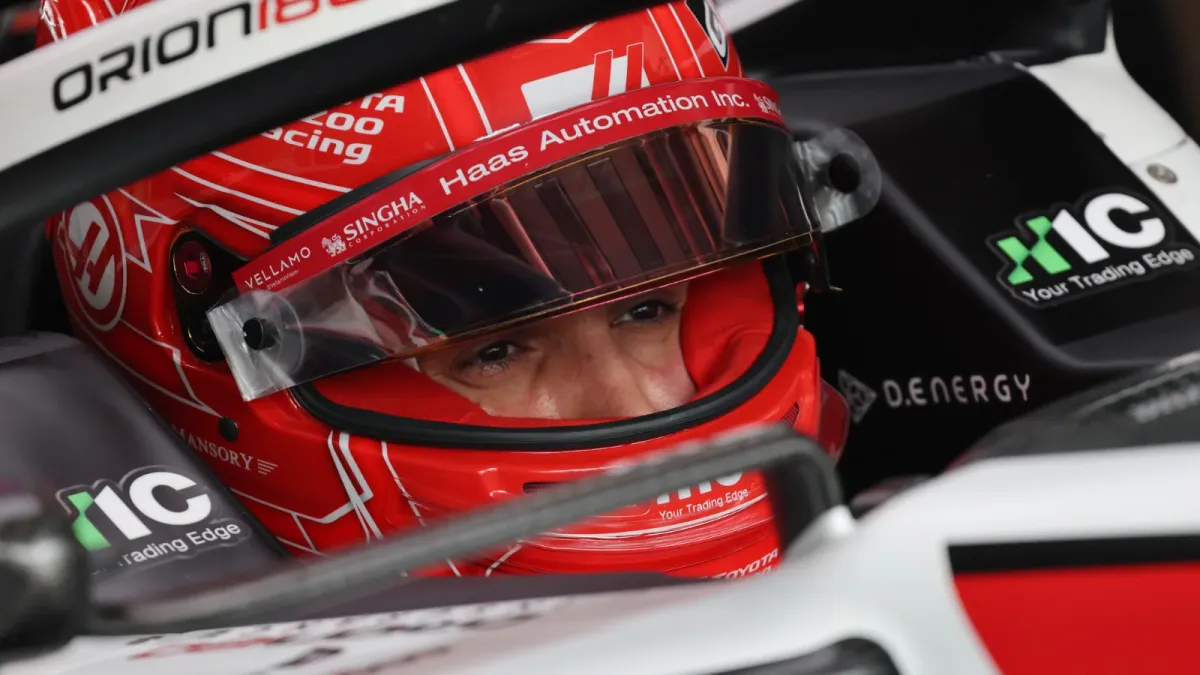
Esteban Ocon samakan glitch perangkat lunak FIA di Formula 1 dengan restart Windows setelah masalah teknis paksa mobil berhenti di Sepang.
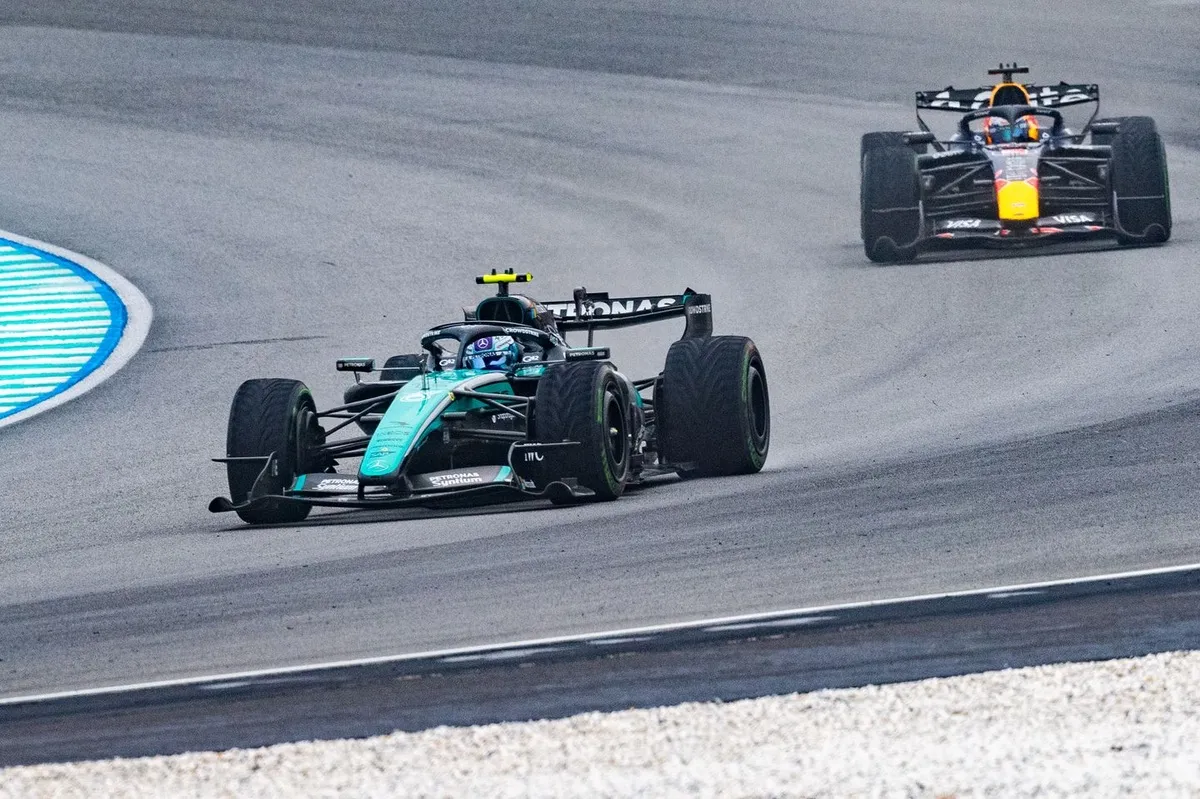
Laurent Mekies sebut Red Bull Racing harus realistis soal peluang menang F1 secara konsisten meski sukses menaklukkan GP Malaysia bersama Max Verstappen.
 Lanjutkan dengan Google
Diskusi & Komentar (0)
Mari Bergabung dalam Diskusi!
Masuk dengan mudah untuk mulai memberikan komentar, membalas, dan berinteraksi dengan pembaca lainnya.
Komentar Terbaru
Belum ada komentar. Jadilah yang pertama!