






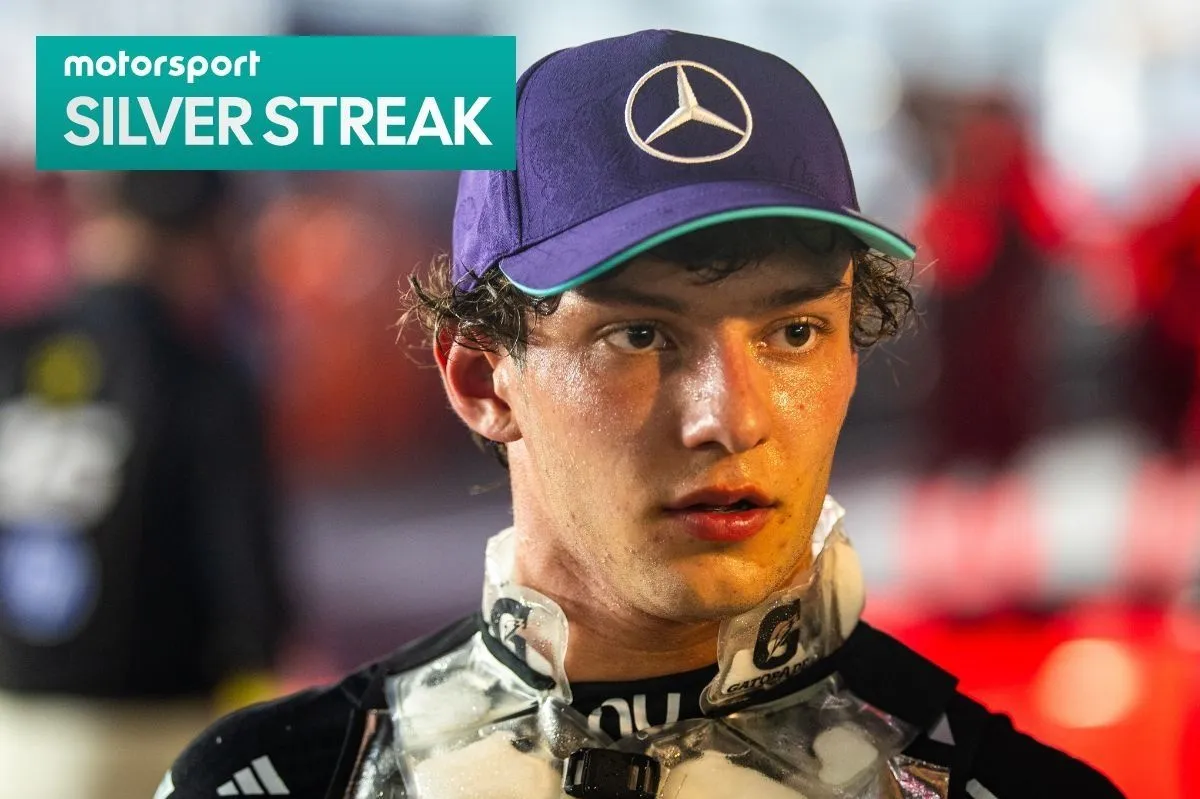

Following the chequered flag at the 2026 Singapore Grand Prix, Formula 1 fans and paddock observers were left deeply divided when official timing graphics confirmed that championship leader Andrea Kimi Antonelli had accumulated four separate track limit violations during the 62-lap race.
Under the FIA's established penalty guidelines, reaching four strikes in a grand prix is supposed to trigger an automatic five-second time penalty. Had that sanction been applied to Antonelli's race time, his hard-fought third-place finish would have instantly evaporated, demoting him behind Lando Norris and severely complicating his championship lead heading into the United States Grand Prix.
Yet, when the final classification was published, the Mercedes star remained untouched on the podium. A deep dive into the official FIA documentation and the governing body's sporting code reveals exactly why the young driver escaped sanction and why the decision has sparked fierce debate.
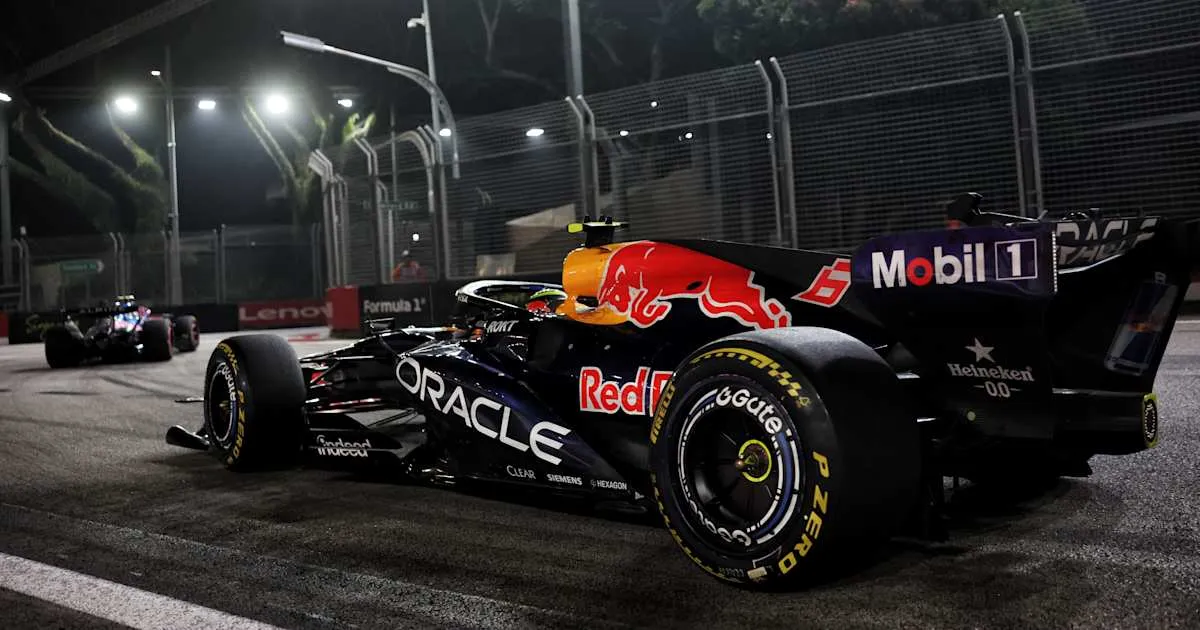
Track limit monitoring at the Marina Bay Street Circuit was focused primarily on Turns 2, 7, 16, and 19. According to FIA Document 88, published by the race stewards at 22:53 local time, Antonelli was cited for leaving the racing surface on four distinct occasions, with the fourth violation occurring during an out-lap phase.
The core explanation behind Antonelli's escape lies directly in the nature of his fourth recorded infraction at Turn 7. According to the FIA's official Penalty Guidelines, track limits during a race carry a specific clarification regarding competitive timed flying laps versus non-competitive out-laps where no micro-advantage is gained.
Baca Juga
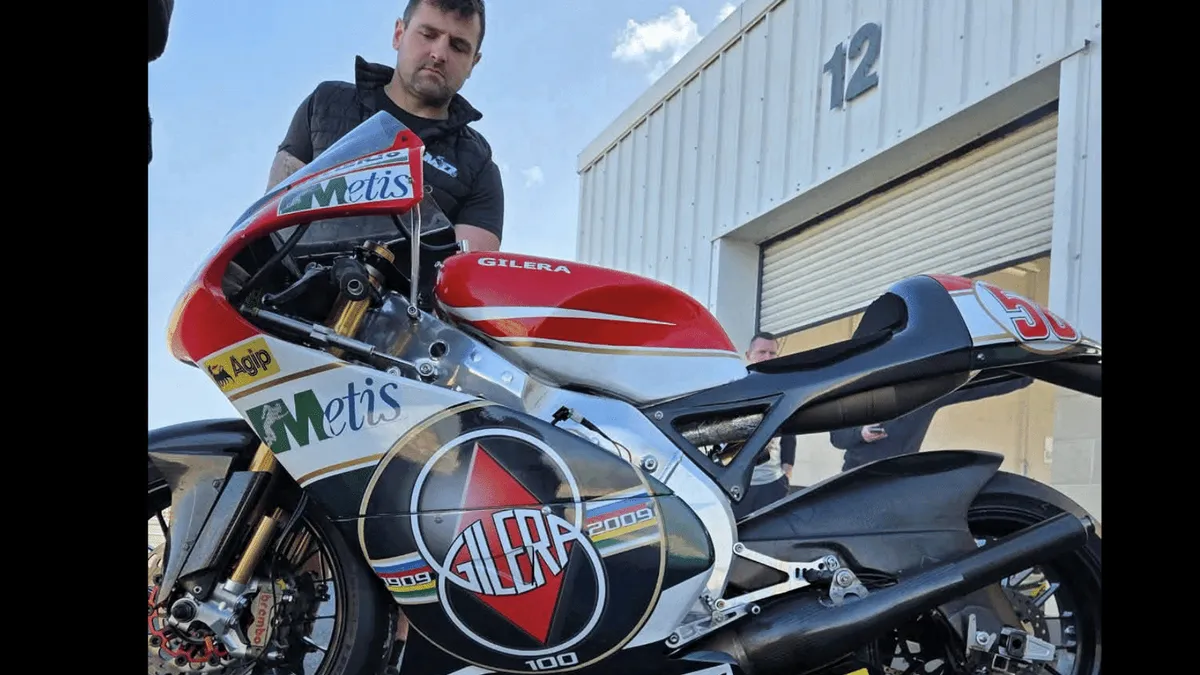
Simak analisis lengkap mengenai isyarat proyek spesial Michael Dunlop dengan motor legendaris Marco Simoncelli. Baca berita selengkapnya di sini!
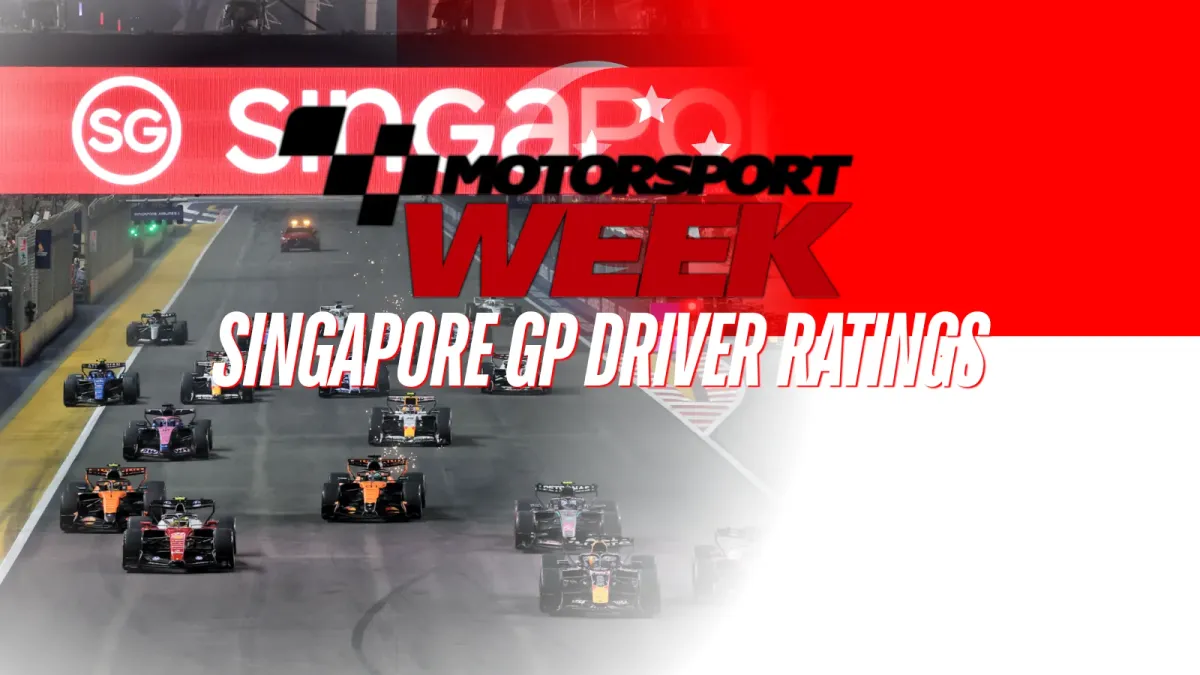
Simak analisis lengkap performa pembalap F1 GP Singapura 2026 di sini. Dari dominasi Verstappen hingga kesalahan strategi Hamilton.
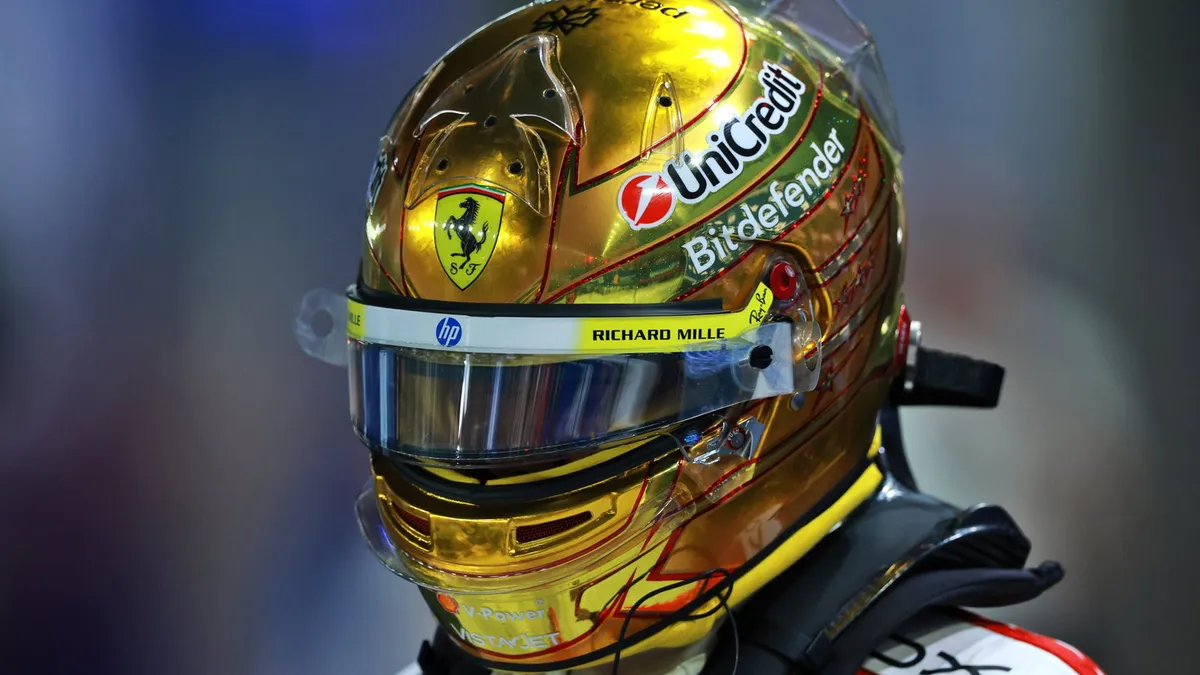
Simak alasan lengkap Lewis Hamilton abaikan pit stop Ferrari di F1 GP Singapura. Baca analisis mendalam dan update klasemen terbaru di sini!
 Lanjutkan dengan Google
Diskusi & Komentar (0)
Mari Bergabung dalam Diskusi!
Masuk dengan mudah untuk mulai memberikan komentar, membalas, dan berinteraksi dengan pembaca lainnya.
Komentar Terbaru
Belum ada komentar. Jadilah yang pertama!