







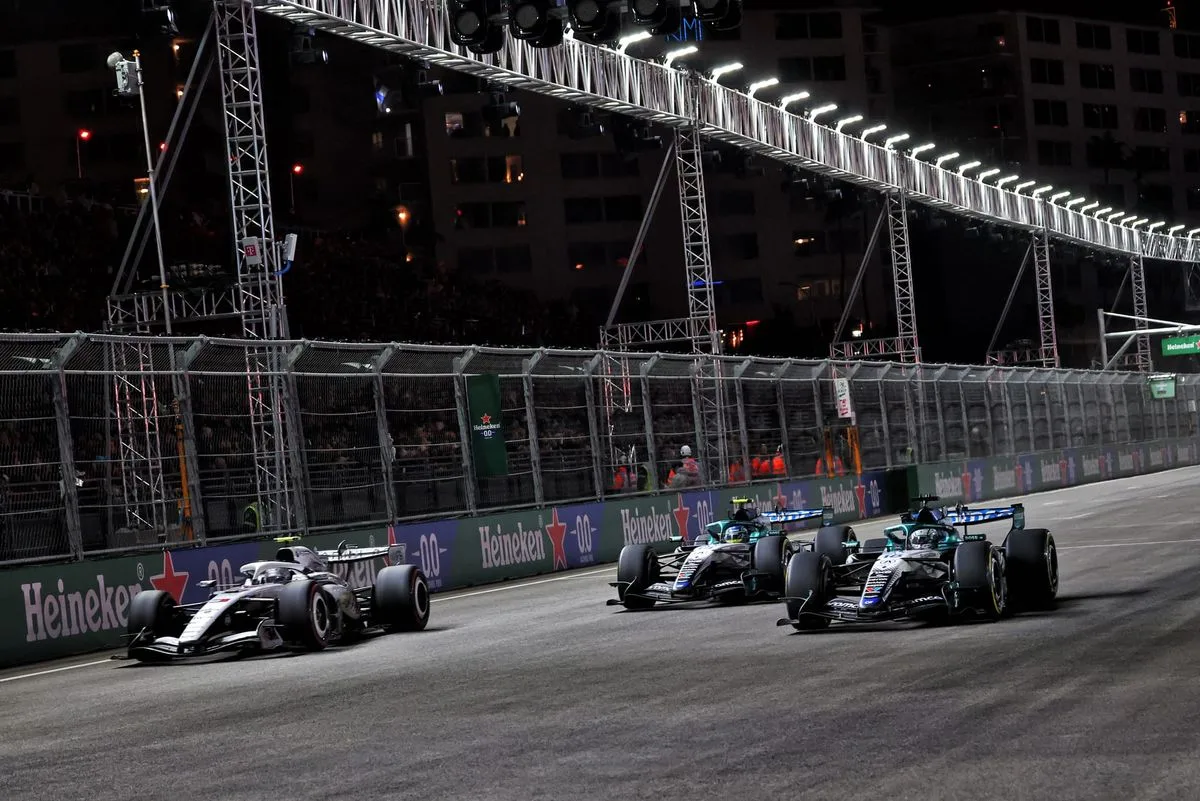
Formula 1 is facing the prospect of an early engine development freeze ahead of the anticipated 2030 power unit regulations. As reported by The-Race, the proposed freeze on current V6 turbo-hybrid engines could take effect from mid-2028. Unlike past development halts implemented for cost reduction—such as the V8 era between 2007–2013 or the post-pandemic restrictions—this strategic move is aimed at preventing incoming manufacturer Cadillac from securing an unfair R&D advantage ahead of the new cycle.
General Motors originally intended to introduce its own proprietary V6 power unit for Cadillac by 2029. However, with the sport shifting focus toward revised engine formulas for 2030, GM opted to shelve its V6 project and remain a Ferrari customer team until the new regulations commence. This pivot created a tactical dilemma for existing manufacturers, who raised concerns regarding resource allocation between active competition and long-term powertrain architecture.
If current V6 development remained unrestricted through 2029, incumbent manufacturers would be forced to split their financial and technical bandwidth. Top contenders like Mercedes and Red Bull Powertrains would need to continuously refine thermal efficiency, MGU-K deployment, and reliability to fight for championships. Conversely, Cadillac could channel its entire operational budget and dyno testing allocation exclusively into 2030 engine development without the strain of supporting an active grid program.
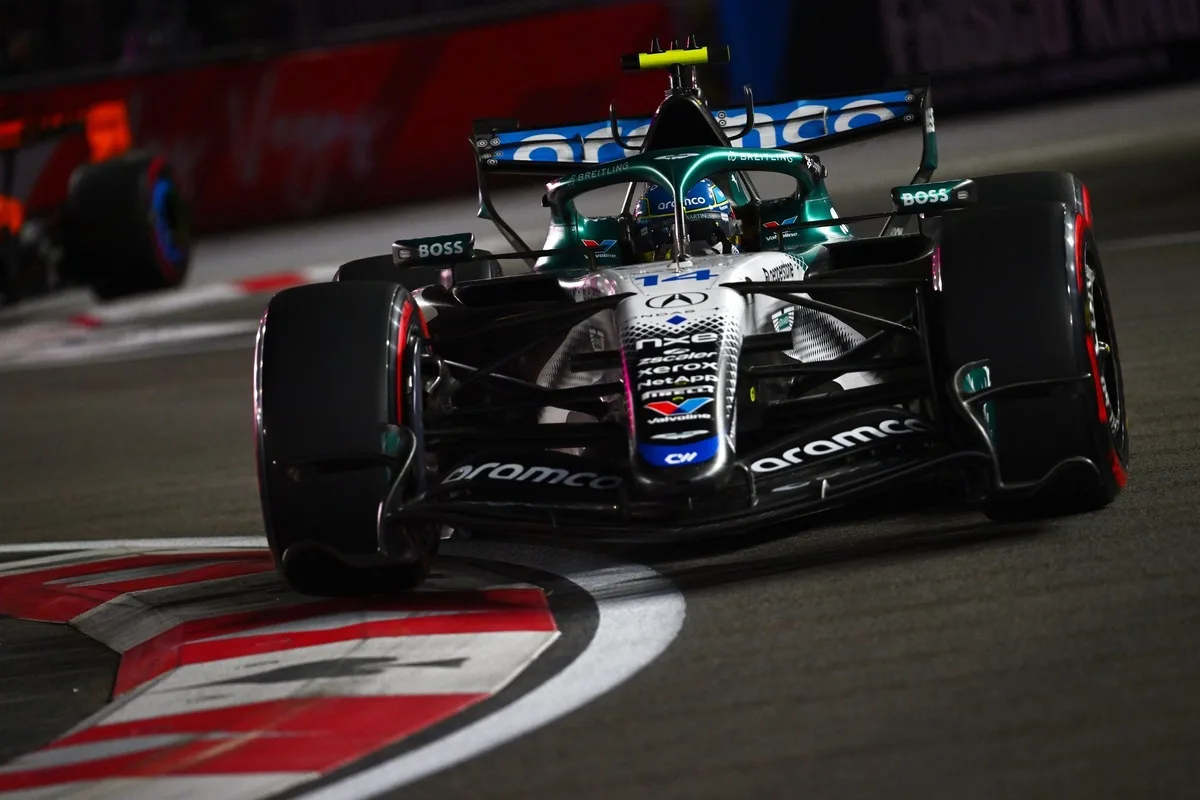
With the technical framework for 2030 expected to be finalized around mid-2027, locking down current V6 specifications by mid-2028 provides a level playing field. This deadline obliges engine suppliers to freeze combustion chamber designs, electrical recovery mapping, and turbocharger layouts. Consequently, any manufacturer trailing in power output or energy harvesting will have roughly 18 months to close performance gaps before engine configurations are locked in until the 2030 debut.
The proposed freeze will also pause the ADUO catch-up mechanism designed to assist struggling manufacturers. Nevertheless, paddock stakeholders consider the freeze essential to ensure no newcomer enters the 2030 era with an insurmountable technological lead. Technical working groups are now analyzing the precise terms of the component lockdown to maintain competitive parity across the entire Formula 1 grid.
Read Also
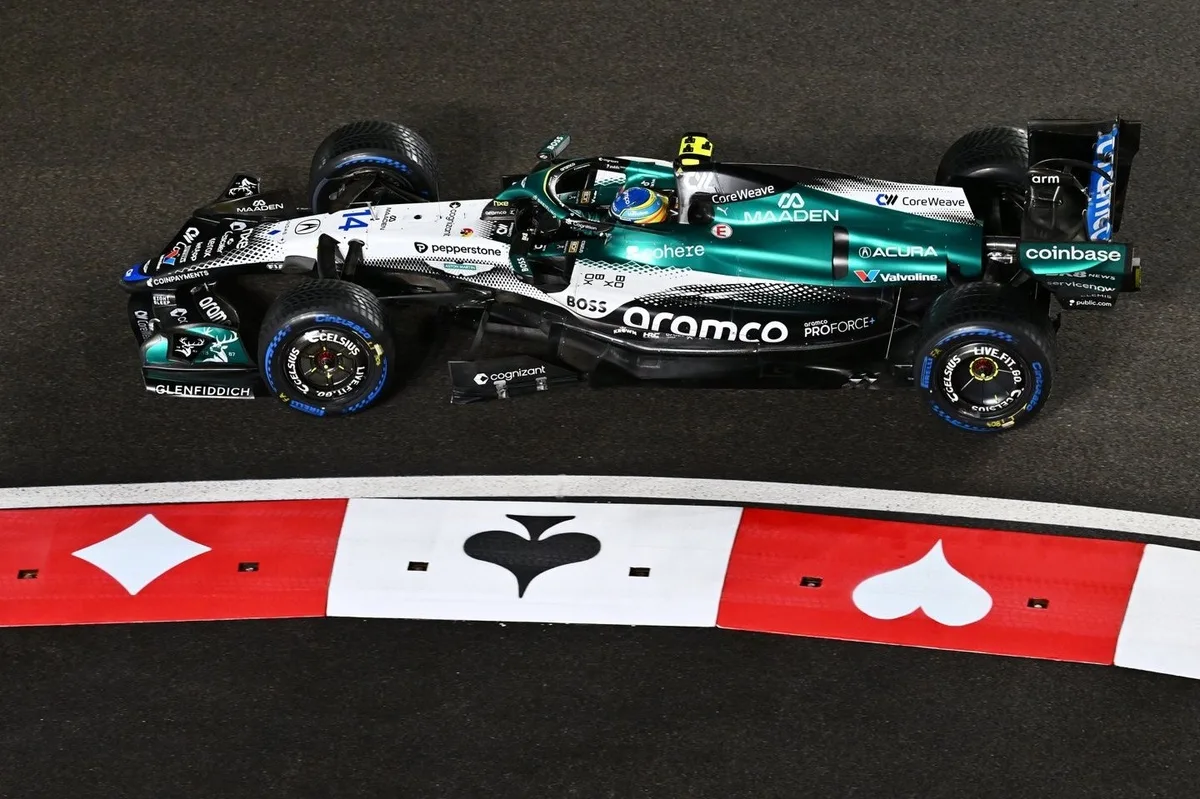
Fernando Alonso akui Aston Martin kalah telak dari rival akibat performa mesin Honda. Simak analisis data kecepatan dan prospek sasis selengkapnya di sini!
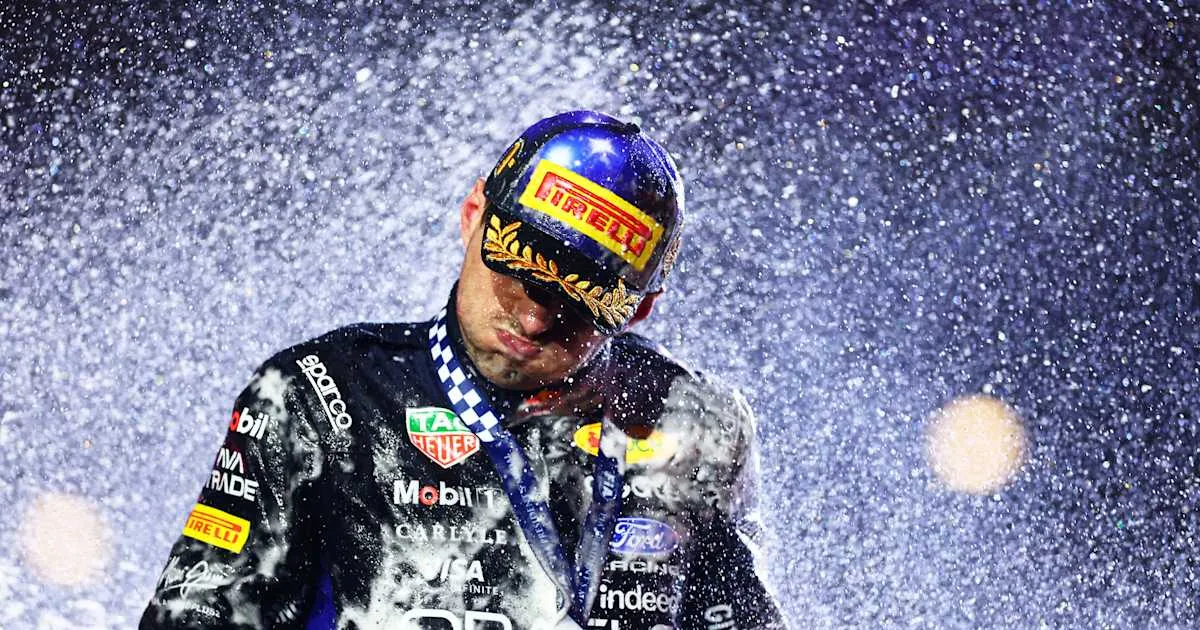
Max Verstappen akui kemenangan di Las Vegas adalah hasil perjuangan keras melawan kondisi ban. Simak analisis lengkap performa sang juara dunia di sini.
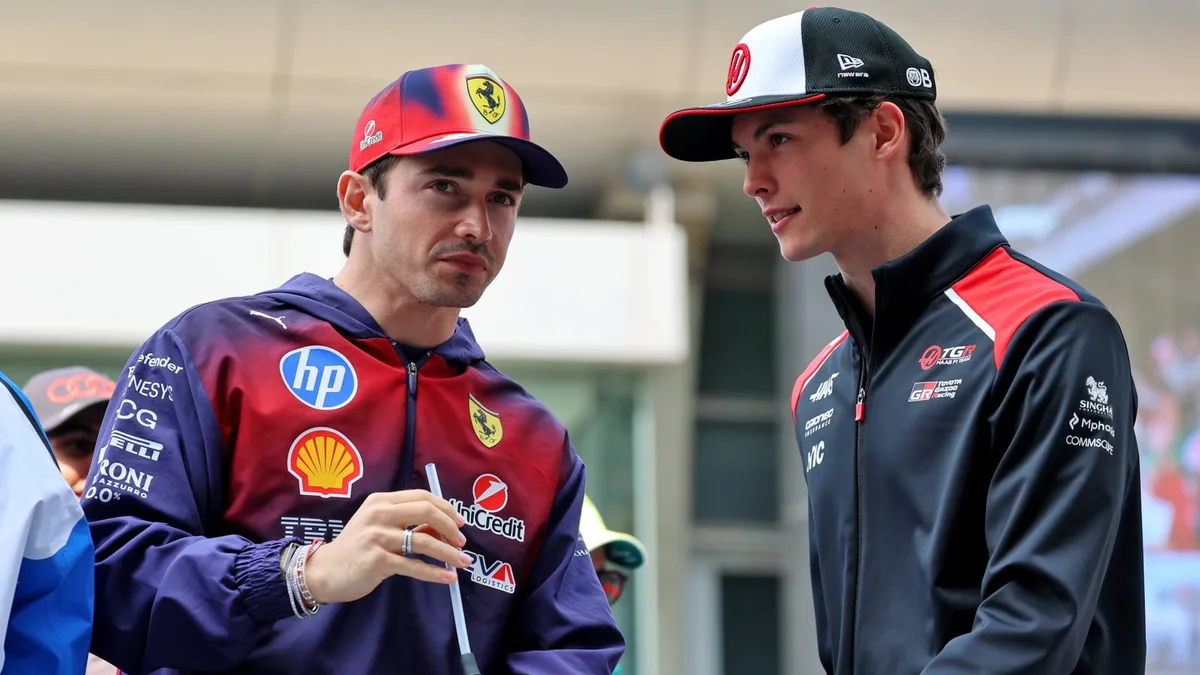
Ferrari didesak untuk mendisiplinkan Hamilton dan Leclerc pasca insiden di Las Vegas. Simak analisis mendalam mengenai manajemen pembalap di sini.
 Continue with Google
Discussion (0)
Join the Discussion!
Sign in easily to start commenting, replying, and interacting with other readers.
Latest Comments
No comments yet. Be the first!