








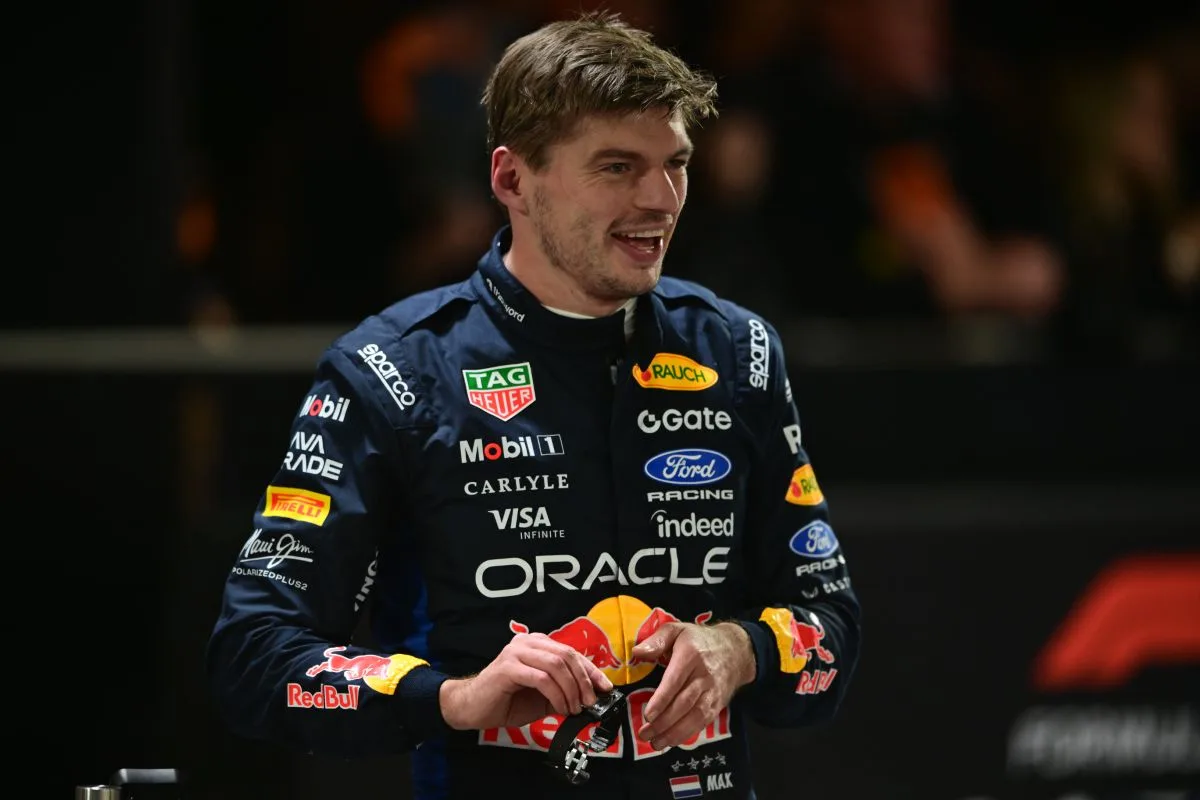
The paddock tension in Formula 1 has flared up once again as former French racing driver Sebastien Bourdais delivered a scathing critique regarding the attitude and driving style of the reigning world champion. This sharp commentary highlights the ongoing debates surrounding track etiquette following a series of high-profile clashes between top contenders during the recent North American race weekend.
According to FormulaPassion, the heated friction between Max Verstappen and George Russell at the Las Vegas Grand Prix brought underlying rivalries to the surface. From aggressive defensive moves during practice sessions to sharp post-race verbal exchanges, the incidents sparked intense discussions among pundits and former drivers alike concerning fair racing standards at the pinnacle of motorsport.
Weighing in on the controversy, Sebastien Bourdais expressed deep frustration with the behavior of the Red Bull Racing star. The four-time Champ Car champion accused the Dutch driver of demanding strict sportsmanship and fair conduct from his opponents while routinely pushing boundaries during wheel-to-wheel combat.
"I do not like his character, because there is something about Max that really bothers me: the way he always looks at things," Sebastien Bourdais stated in an interview with Eurosport France. The former Toro Rosso driver criticized what he perceives as a persistent double standard in how races are officiated and perceived by the grid's leading figures.
"Basically, he demands that others race in a certain way. When they compete against him, he wants situations to unfold according to his expectations. Yet, he thinks he can do whatever he wants. It deeply disgusts me," the Frenchman added, emphasizing his disdain for the perceived lack of accountability during intense racing battles.
Concluding his remarks, Sebastien Bourdais noted that he was unsurprised by the fierce post-race comments delivered by Max Verstappen, reiterating that aggressive racers must accept being raced hard in return rather than expecting preferential treatment from their peers.
Read Also
Toto Wolff tanggapi isu gaji Kimi Antonelli di Mercedes usai raih gelar juara dunia F1. Simak analisis mendalam dan update finansial di sini.
Max Verstappen beberkan regulasi impian F1 2030 dengan mobil lebih ringan dan mesin natural. Simak analisis mendalam selengkapnya di sini.
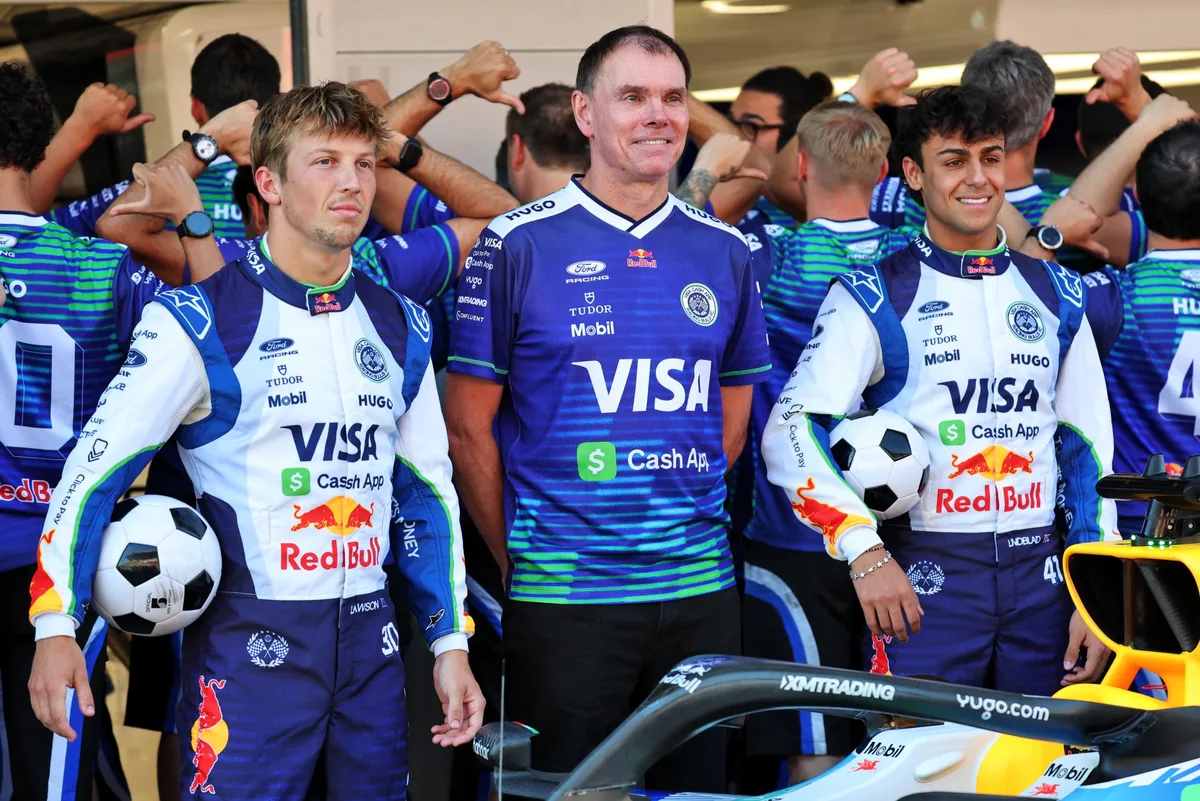
Liam Lawson bangga dengan konsistensi Racing Bulls musim ini jelang GP Qatar. Simak analisis performa, rekor poin, dan target klasemen konstruktor.
 Continue with Google
Discussion (0)
Join the Discussion!
Sign in easily to start commenting, replying, and interacting with other readers.
Latest Comments
No comments yet. Be the first!