







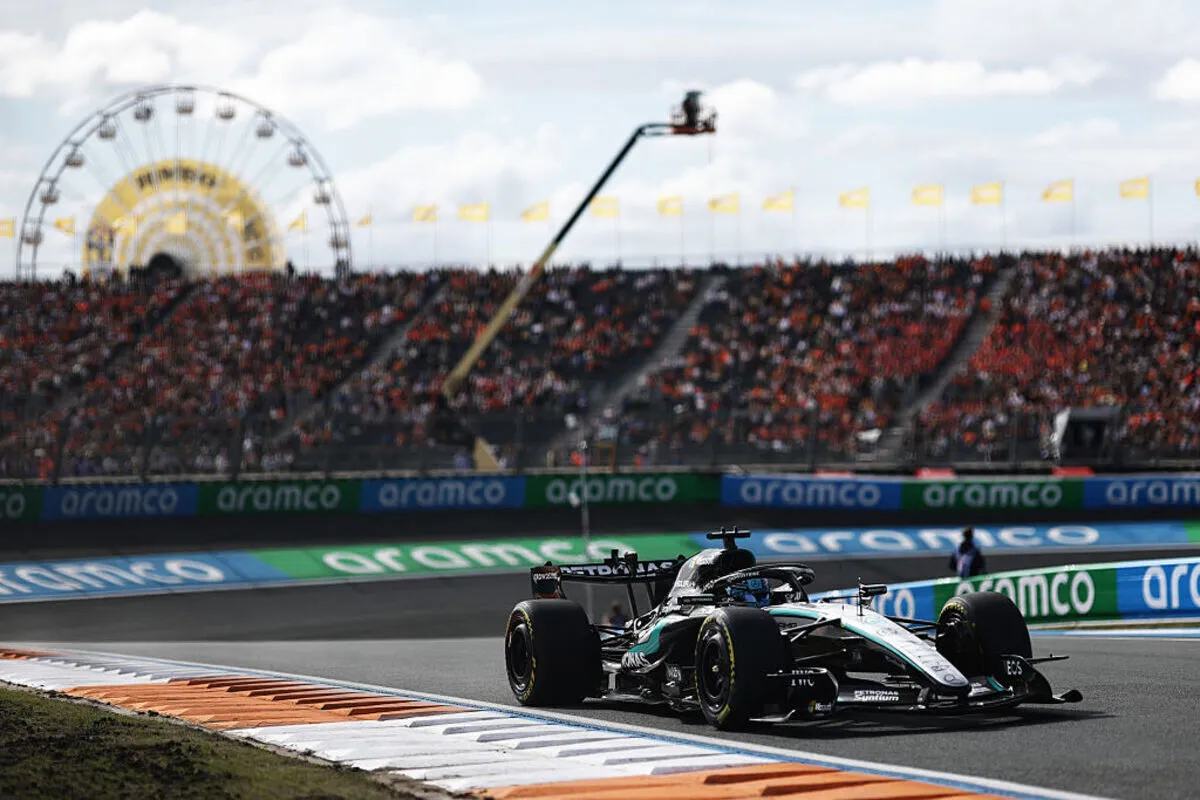

Zandvoort, Netherlands – George Russell secured pole position for the sprint race at the Dutch Grand Prix, putting Mercedes on top. But behind the result lies a fascinating story of three top teams taking different paths to performance.
The Sprint Qualifying results showed how tight the battle is at the front. Four drivers from McLaren, Ferrari, and Mercedes were separated by less than a tenth of a second. However, data analysis reveals that the three teams build their speed in very contrasting ways.
McLaren and Ferrari appear to have the most similar philosophies. Ferrari showed good downforce levels and solid rear stability, especially in slow corners. Meanwhile, McLaren relies on high-speed cornering performance, using a stable platform through the middle sector's 'toboggan' section. They complement each other, making lap time differences minimal.
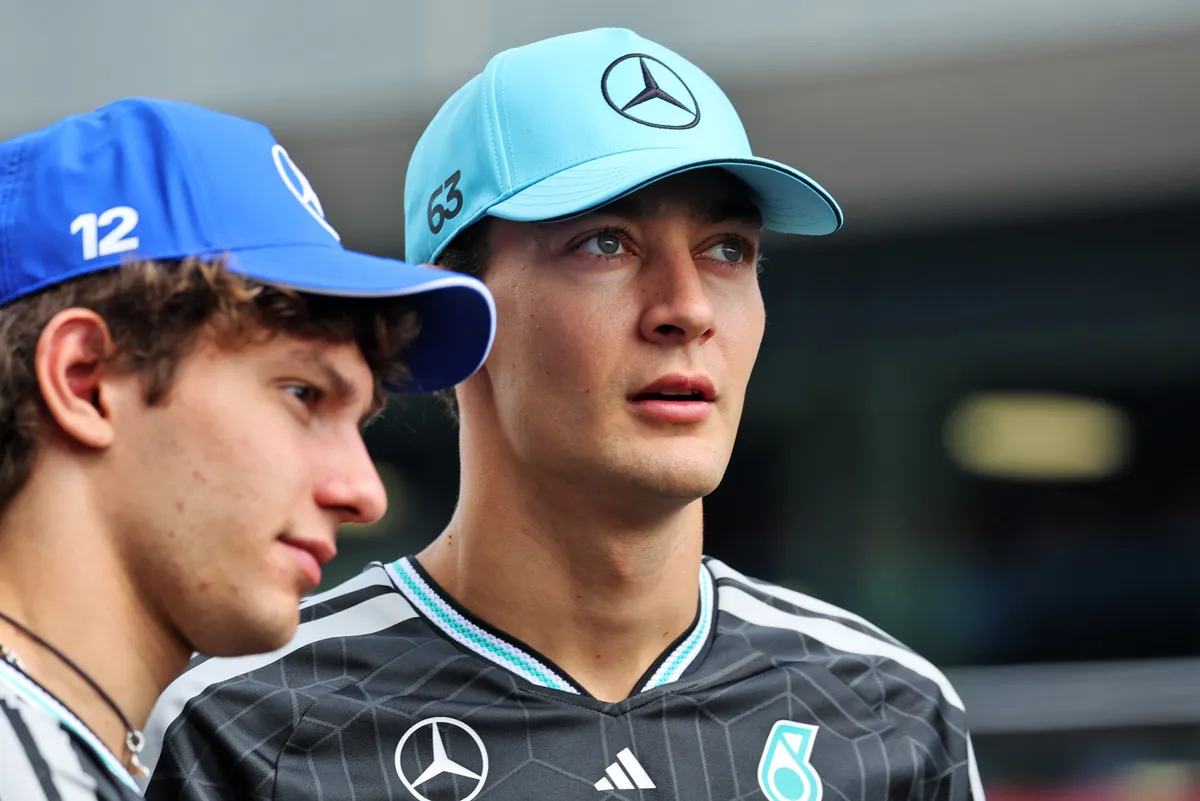
Mercedes, on the other hand, stands out as an 'outlier'. Russell was very competitive in the first sector but lost nearly half a second in the middle, particularly at Turns 7-8, which proved to be the W17's weakest point. Speeds there averaged 10 km/h slower than McLaren and Ferrari, indicating lower downforce and deliberate understeer to protect the rear tires.
However, a huge advantage in the final sector, especially on exit from Turn 13, brought Russell back to the top. Mercedes' strategy of sacrificing downforce for straight-line speed paid off, at least for one lap. The big question is whether this strategy will hold up in the longer sprint race under pressure.
With the sprint race looming, the battle promises to remain intense. McLaren and Ferrari may have more balanced packages, but Mercedes proved that a different approach can yield the same result. All eyes are now on the start lights, anticipating the drama that will unfold at the Dutch coastal circuit.
Read Also

Liam Lawson menyesali keputusannya tidak bertarung lebih keras melawan Oscar Piastri setelah mengamankan finis posisi ketujuh di GP Sepang.
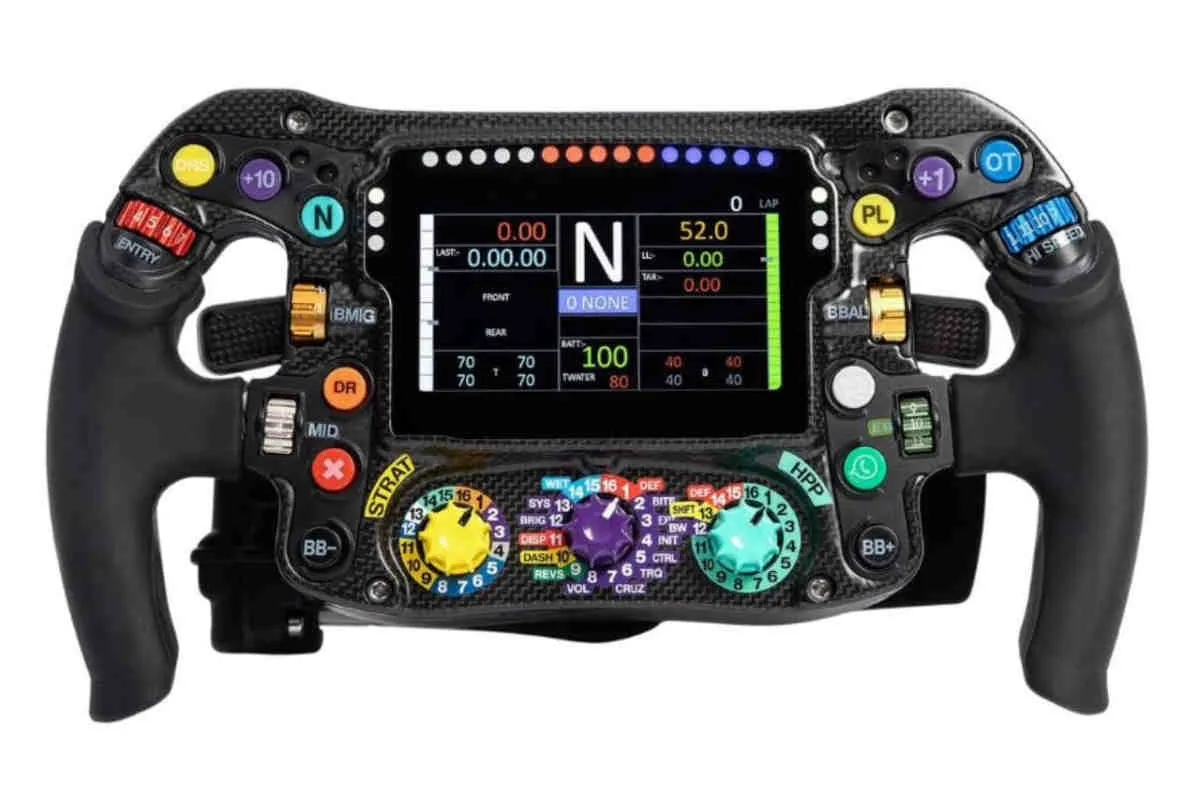
Krisis software F1 di Sepang paksa Hamilton restart mobil seperti modem. Verstappen sebut mirip Lego akibat glitch sistem elektrik.
Mercedes ledek Kimi Antonelli yang kesulitan menyemprotkan air mawar pada selebrasi podium Formula 1 setelah mengamankan posisi kedua klasemen.
 Continue with Google
Discussion (0)
Join the Discussion!
Sign in easily to start commenting, replying, and interacting with other readers.
Latest Comments
No comments yet. Be the first!